
The event was organised in partnership with ITS as part of the AIFC Community initiative, which aims to strengthen cooperation within the financial centre's ecosystem and the wider business community, DKNews.kz reports.
Discussions focused on a significant shift in Kazakhstan's financial market: moving beyond conventional trading towards developing new instruments, regulated digital platforms and practical applications for real-world asset tokenisation.
From digital assets to real-world financial products
The event brought together representatives of Kazakhstan's financial sector, the AIFC ecosystem and businesses interested in emerging financial technologies.
One of the main themes was real-world asset tokenisation, commonly known as RWA tokenisation.
This technology involves creating digital tokens representing rights or interests associated with underlying assets, such as commodities or other physical and financial resources.
Depending on the legal structure, tokenisation can make certain assets easier to record, transfer or trade through digital platforms. However, the value of a token depends on the enforceability of the rights it represents and the arrangements governing the underlying asset.
Participants discussed the importance of building reliable financial infrastructure rather than focusing exclusively on launching new trading products.
AIFC calls for closer cooperation between regulators and businesses
Talgat Amanbayev, Chief Innovation Officer at the AIFC Authority, highlighted the importance of cooperation in developing Kazakhstan's financial market.
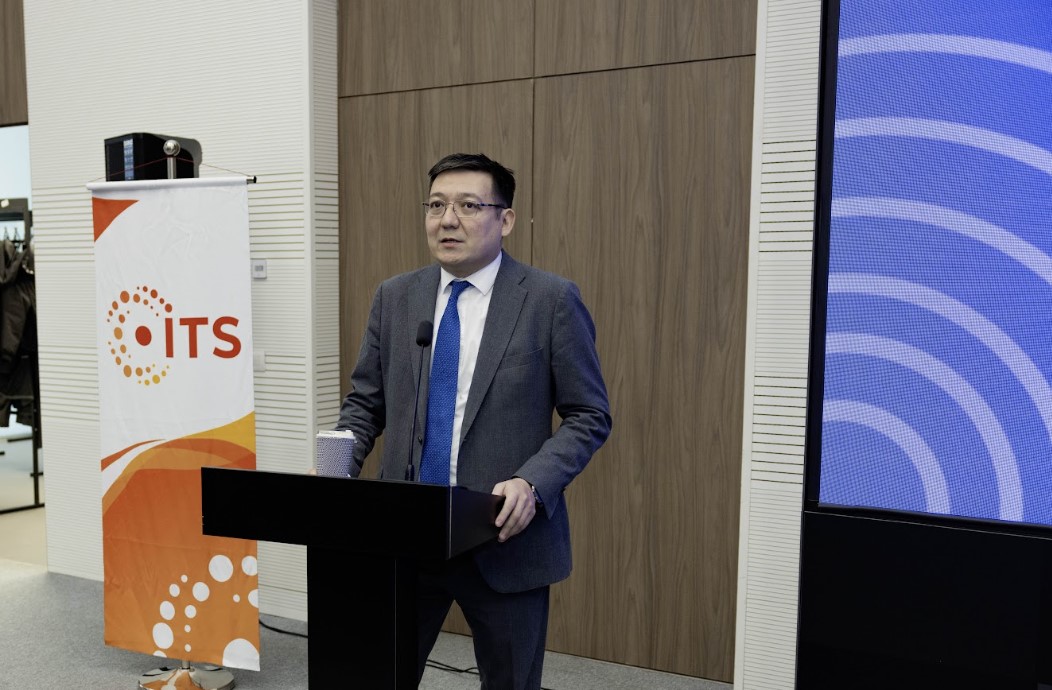
«The development of financial markets requires not only new products and technologies, but also close cooperation among all market participants. That is why it is important for the AIFC to strengthen connections both within its own ecosystem and beyond. Open dialogue between the regulator, AIFC participants and the professional community through AIFC Community will help foster new financial solutions, support joint projects and build the infrastructure needed to develop innovation. Ultimately, this will help expand opportunities to attract investment and support the further development of Kazakhstan’s financial market.»
His remarks reflected the event's emphasis on practical cooperation between regulators, technology developers, financial institutions and potential users of new products.
For emerging financial instruments, the challenge is not only to develop the technology but also to ensure that the product has a viable commercial model, a clear legal structure and appropriate safeguards.
How tokenisation could change the trading of physical assets
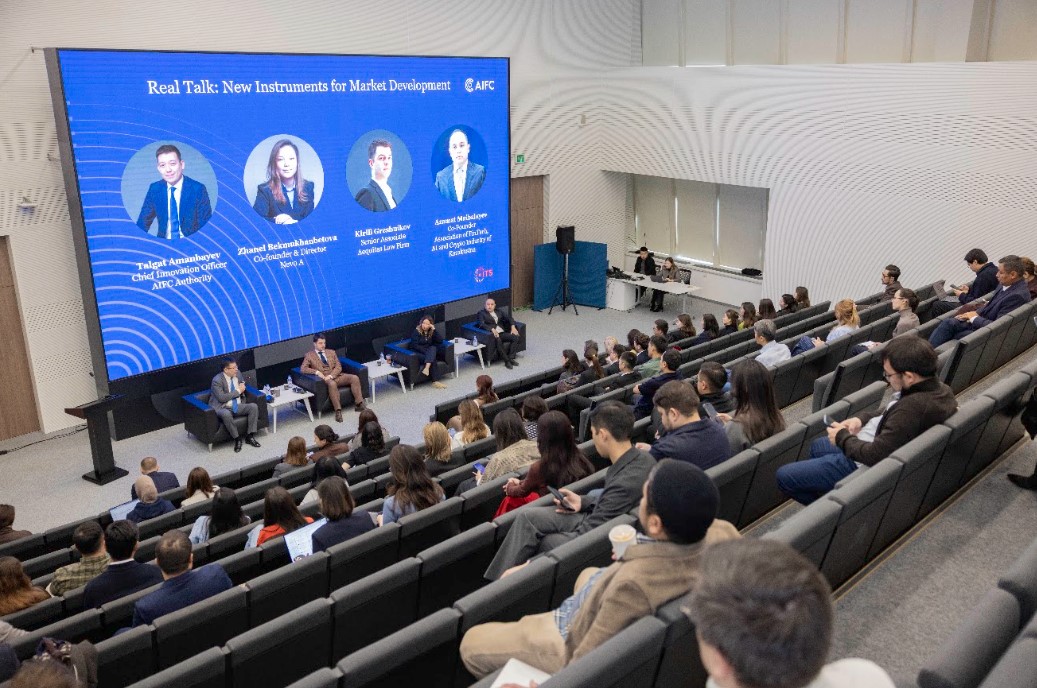
During the panel discussion, "Real Talk: New Instruments for Market Development", experts examined the process of taking a financial product from an initial concept to a regulated market launch.
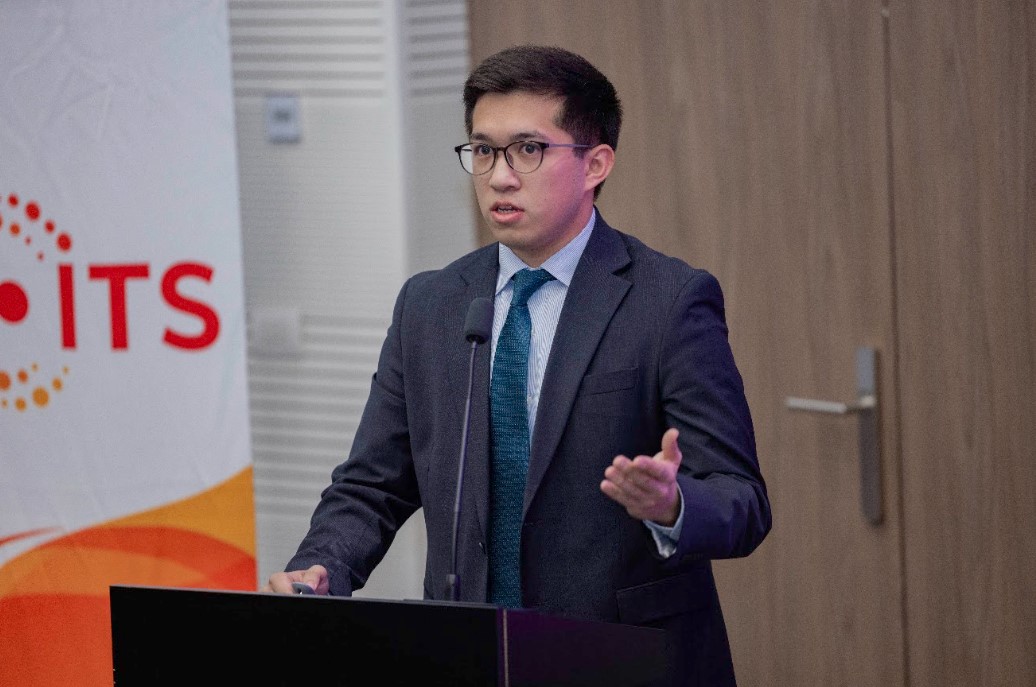
Participants included Zhanel Bekmukhanbetova, Co-founder and Director of Nevo A; Kirill Greshnikov, Senior Associate at Aequitas Law Firm; and Azamat Maibalayev, Co-founder of the Association of FinTech, AI and Crypto Industry of Kazakhstan.
The discussion was moderated by Talgat Amanbayev.
The panel addressed several practical questions:
- How new financial products move from development to market launch.
- How legal rights associated with tokenised assets can be established and protected.
- What infrastructure is required to support the trading and settlement of digital instruments.
- Which regulatory requirements apply to innovative products.
- What commercial and operational barriers can prevent new products from scaling.
These issues are particularly important for real-world assets because a digital token must be connected to a legally identifiable underlying asset or enforceable right.
Without reliable ownership records, custody arrangements and contractual protections, digital technology alone cannot guarantee the security of an investment.
AFSA explains how its regulatory sandbox works
Altay Slyamov, Director of the FinTech Division at the Astana Financial Services Authority (AFSA), presented the regulator's approach to innovation.
His presentation, "Regulatory Perspective: From Innovation to a Regulated Market", focused on the AIFC FinTech Lab regulatory sandbox.
The sandbox allows companies to test innovative financial products and business models within a controlled regulatory environment.
According to the presentation, potential participants include:
- Digital asset service providers.
- Platforms for trading tokenised real-world assets.
- Stablecoin issuers.
- Developers of other innovative financial services.
Slyamov emphasised that the FinTech Lab is also open to projects not covered by the AIFC's existing legal framework.
This approach gives businesses an opportunity to test solutions while allowing the regulator to observe potential risks, evaluate operating models and collect information needed for future regulatory decisions.
Participation in a sandbox does not automatically mean that a product has received unrestricted approval for wider commercial distribution. The applicable permissions and conditions remain important.
ITS presents event-based options through Prediction Market
One of the event's practical case studies concerned a new financial instrument developed by ITS.
Sergey Danov, Chief Operating Director of ITS, presented the launch of Prediction Market, a product based on event-based options.
These instruments allow market participants to take positions linked to the outcomes of future events, with market prices reflecting participants' assessments of the likelihood of those outcomes.
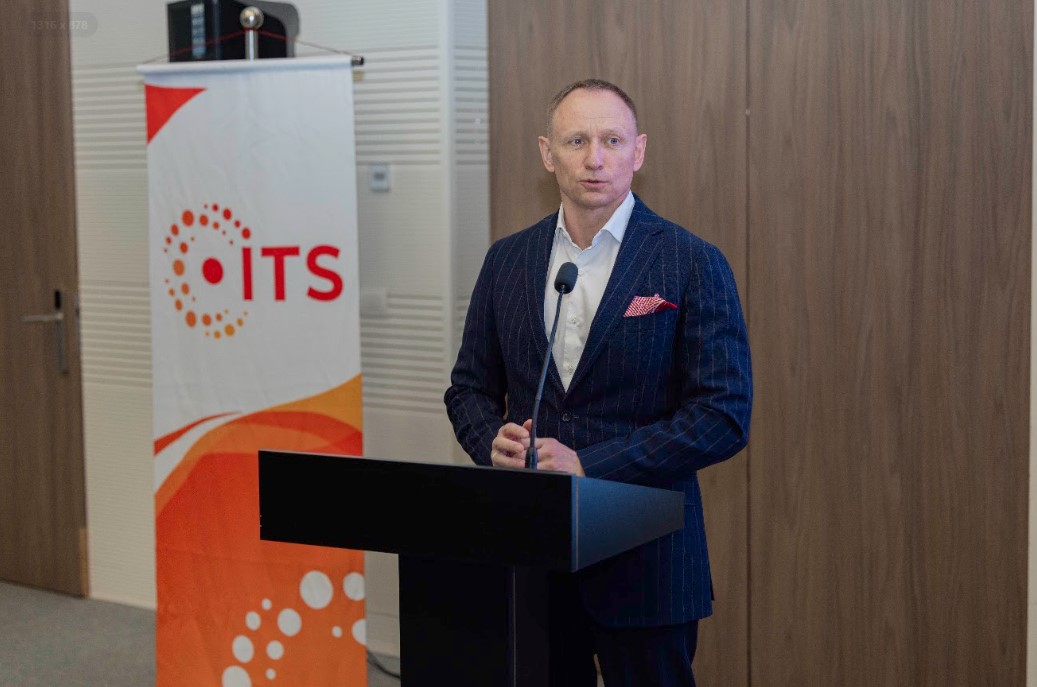
«The launch of Prediction Market marks a significant step for ITS in the development of event-based options, enabling market participants to trade on the outcomes of future events and express their views on the likelihood of those outcomes through market prices. We see this instrument as an opportunity both to broaden our range of exchange-traded products and to support the further development of Kazakhstan’s derivatives market. Operating within the AIFC ecosystem enables ITS to develop innovative financial instruments and contribute to the continued growth of the region’s financial markets».
The presentation positioned Prediction Market as part of ITS's effort to expand its range of exchange-traded instruments and develop the derivatives market.
Event-based options differ from traditional investments in shares or bonds because their payoff is linked to a defined event or outcome rather than directly to ownership of a company or a debt obligation.
As with other derivatives, investors need to understand the contract terms, settlement conditions, market liquidity and potential losses before participating.
Kazakhstan prepares to tokenise grain stored in elevators
Another significant case study came from Commodity Chain Ltd., which is developing a platform for trading tokenised real-world assets.
Anvar Niyetkaliev, Chairman of the Management Board and Co-founder of Commodity Chain Ltd., presented the company's grain tokenisation project.
In June 2026, AFSA granted Commodity Chain Ltd. a licence to operate a platform for trading tokenised RWAs within the AIFC's regulated environment.
The licence creates a regulatory foundation for developing and implementing digital trading solutions involving physical assets, including agricultural commodities.
The project's initial application will focus on agricultural products, particularly grain stored at modernised grain elevators.
Under such a model, digital tokens could represent defined rights associated with grain held in storage, subject to the platform's legal and operational arrangements.
The approach could eventually help connect agricultural commodities with digital financial infrastructure, although the announcement does not specify trading volumes, launch dates or the value of assets to be tokenised.
What grain tokenisation could mean for farmers and traders
Agricultural commodities are an important part of Kazakhstan's economy, making grain a relevant asset class for exploring tokenisation.
Traditional grain trading depends on physical storage, quality verification, ownership documentation, logistics and settlement arrangements.
Tokenisation could potentially introduce a digital layer to some of these processes, allowing eligible market participants to transfer or trade rights associated with stored grain through a regulated platform.
Possible applications include more efficient ownership records, digital transaction processing and new ways of connecting commodity markets with financial services.
However, these benefits are not automatic.
For a grain tokenisation system to function reliably, market participants must be able to verify the existence, quantity, quality and legal ownership of the underlying grain.
Storage arrangements, insurance, independent verification, redemption procedures and dispute-resolution mechanisms may also be necessary, depending on the structure of the product.
Commodity Chain's project is therefore significant as an example of applying regulated digital asset technology to Kazakhstan's agricultural sector, rather than evidence that tokenised grain trading has already reached a particular scale.
Why regulation matters for Kazakhstan's digital asset market
The AIFC discussions highlighted a broader challenge facing financial centres worldwide: how to encourage technological innovation without weakening investor protection or market integrity.
Digital assets, tokenised commodities and new derivatives can introduce additional operational and legal risks.
These include cybersecurity threats, uncertain ownership rights, liquidity constraints, counterparty exposure and difficulties resolving disputes involving underlying assets.
A regulated environment can help establish rules for market access, supervision, disclosure and the responsibilities of service providers.
At the same time, regulatory testing allows authorities to gain experience with technologies that may not fit neatly into traditional financial classifications.
The AIFC's FinTech Lab is designed to support this process by bringing innovators and supervisors into closer contact during product development.
AIFC seeks to build an ecosystem for financial innovation
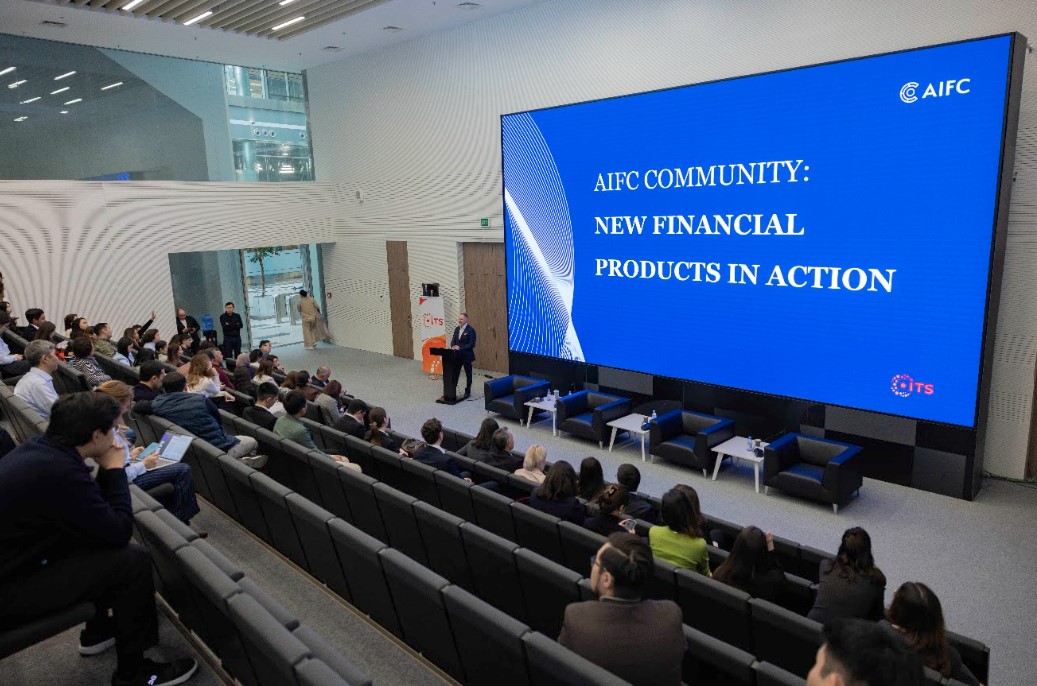
The October 23 event illustrated how the AIFC is seeking to connect product developers, professional advisers, regulators and financial market participants.
Rather than concentrating exclusively on digital asset trading, the discussions addressed the full process of bringing new instruments into practical use.
This includes establishing legal rights, creating reliable infrastructure, securing regulatory permissions and developing commercially sustainable business models.
ITS's event-based options and Commodity Chain's grain tokenisation initiative represent different applications of this approach.
One seeks to expand the range of derivatives available to market participants, while the other explores how physical agricultural commodities can be represented and traded through digital financial infrastructure.
For Kazakhstan, the longer-term significance lies in whether such projects can attract market participants, operate reliably and generate useful financial services for businesses and investors.
Earlier, we reported on the AIFC's efforts to expand its digital asset market through tokenised financial instruments. The latest AIFC Community discussions build on that direction by examining how regulation, technology and commercial demand can work together to bring new products into the market.