
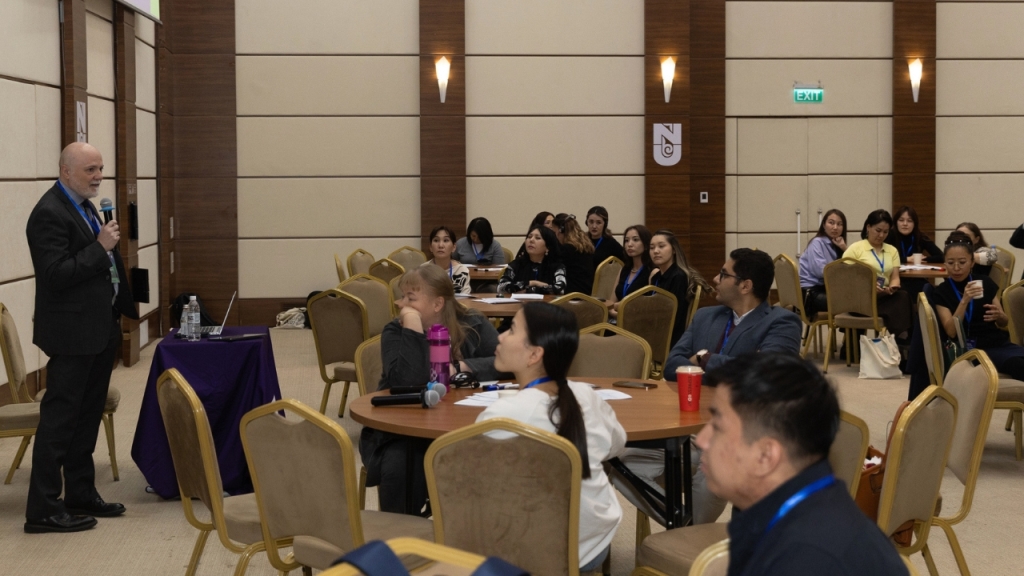
Around 200 education professionals gathered in Astana. On October 27–28, 2026, Nazarbayev University hosted Teaching Conference 2026, bringing together academics and education experts from Kazakhstan and ten other countries to discuss teaching quality, artificial intelligence and the future of higher education, DKNews.kz reports.
The international conference focused on a central challenge facing universities worldwide: how to improve teaching while supporting the professional development of faculty members.
Organized by Nazarbayev University's Graduate School of Education (NUGSE), in collaboration with other University schools and UK-based organizations Advance HE and the Quality Assurance Agency for Higher Education (QAA), the event explored practical approaches to academic leadership, inclusive assessment and educational quality assurance.
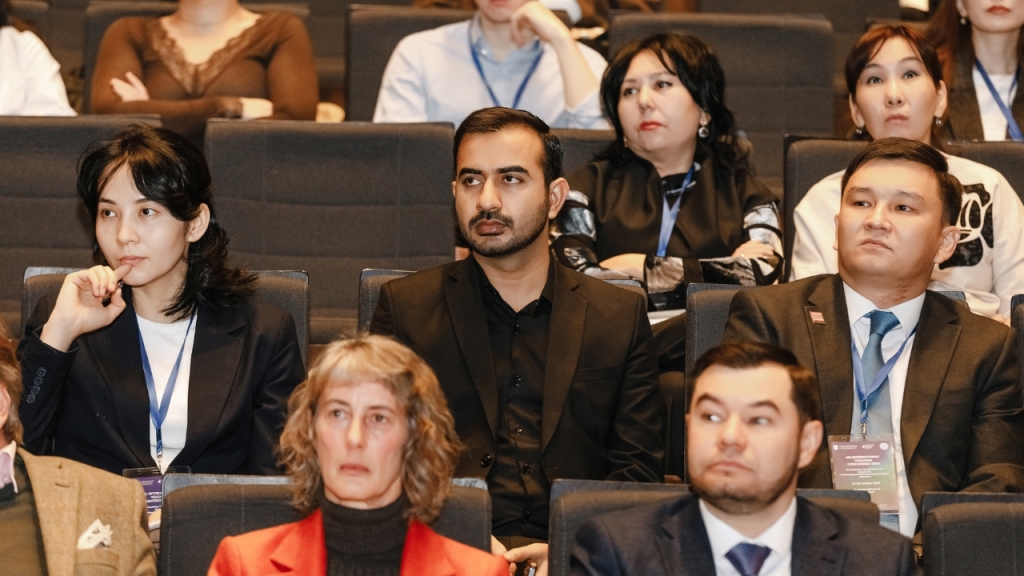
Experts from 11 countries meet in Astana
The conference brought together university faculty and representatives of educational organizations from Kazakhstan, Kyrgyzstan, Uzbekistan, the United Kingdom, the United States, India, the Philippines, Pakistan, the United Arab Emirates, Mexico and Türkiye.
Held under the theme "The Teaching–Faculty Nexus for Excellence: Partnerships to Enhance Quality in Higher Education," the event emphasized the relationship between teaching excellence, faculty development and institutional support.
Participants examined how universities can strengthen teaching skills, develop academic leadership and create learning environments that respond to changing student needs.
Discussions also addressed responsible AI integration, inclusive assessment practices and the role of international partnerships in improving higher education.
Why teaching quality depends on universities themselves
One of the conference's central messages was that teaching quality cannot be treated solely as the responsibility of individual lecturers.
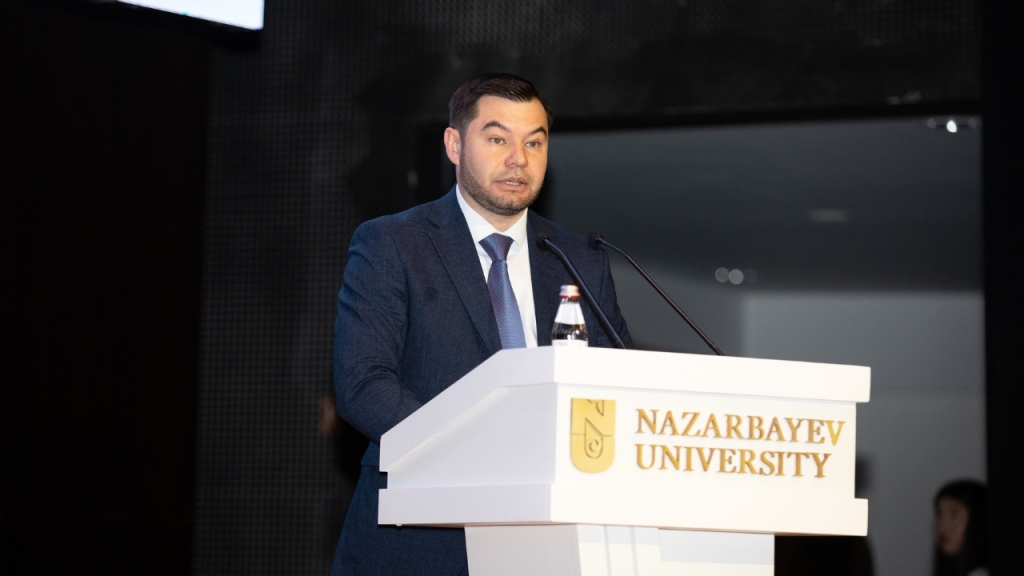
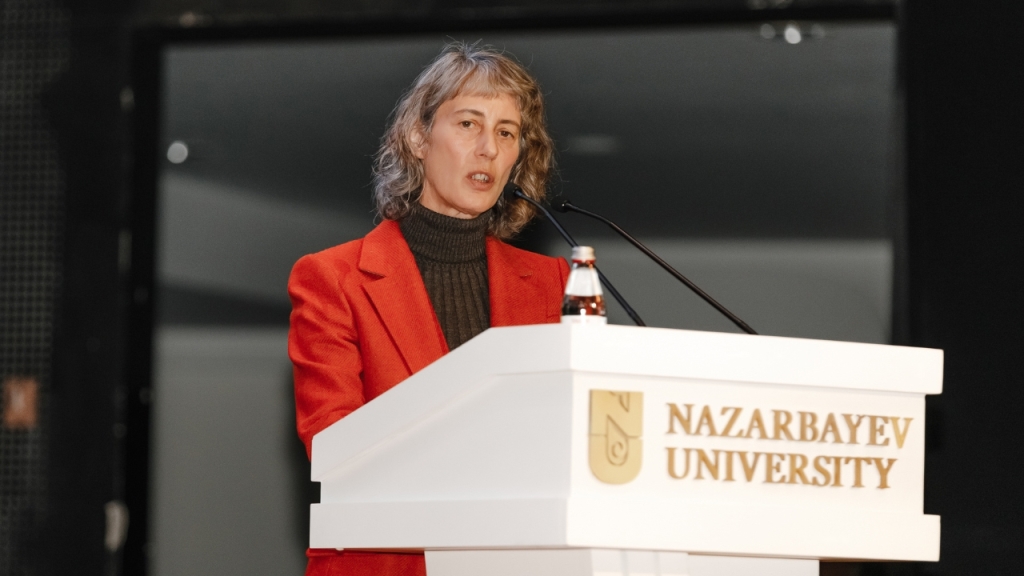
Dr. Aida Sagintayeva, Dean of NU Graduate School of Education and Vice Provost for Academic Planning and Budget, argued that universities must examine how their own structures influence academic performance.
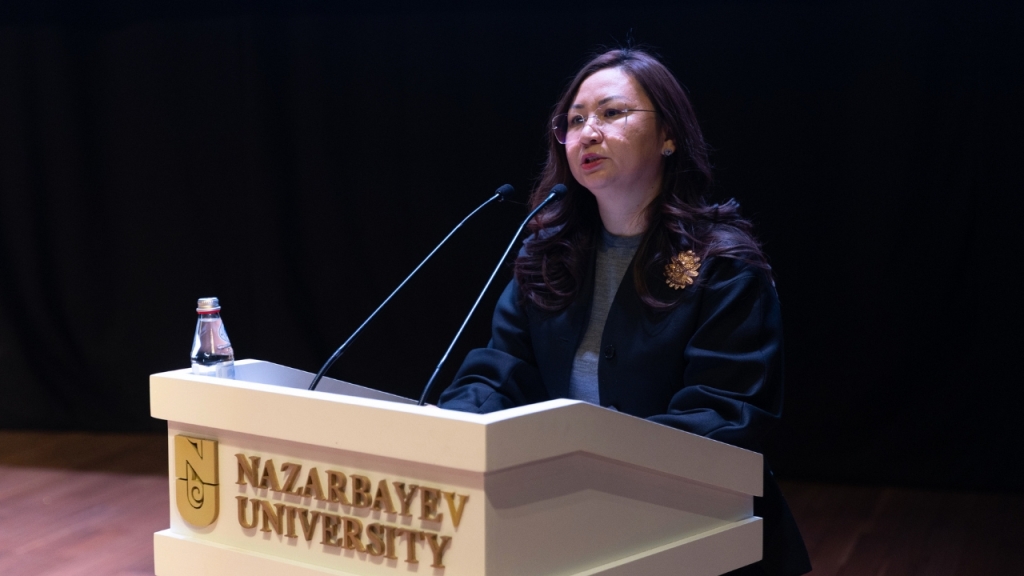
«Many of the challenges we describe as problems with teaching quality are, at least in part, rooted in how universities themselves are structured», Sagintayeva said.
She explained that faculty members are often expected to excel simultaneously in research, teaching and student supervision, even when universities provide limited time and opportunities to develop their teaching skills.
According to Sagintayeva, improving educational quality requires more than evaluating faculty performance. Institutions must also create conditions for professional exchange, collaboration and continuous development.
The discussion highlighted a broader challenge for higher education: balancing research expectations with the time and institutional resources needed to deliver effective teaching.
Oxford professor highlights the power of peer learning
International experts shared approaches to faculty development and teaching improvement.
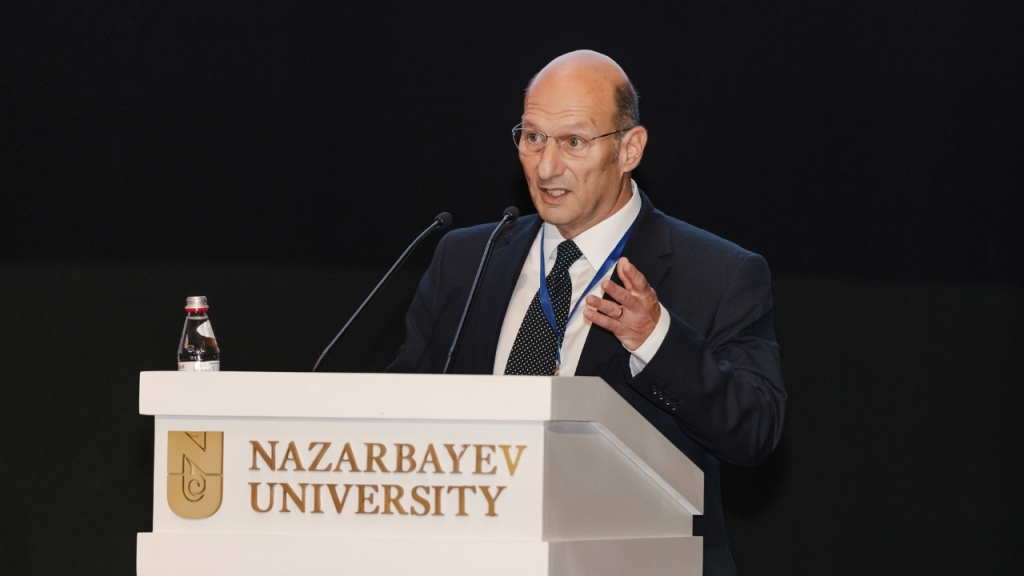
Professor Roger Dalrymple of Oxford University emphasized the importance of educators learning from one another through structured reflection and professional dialogue.
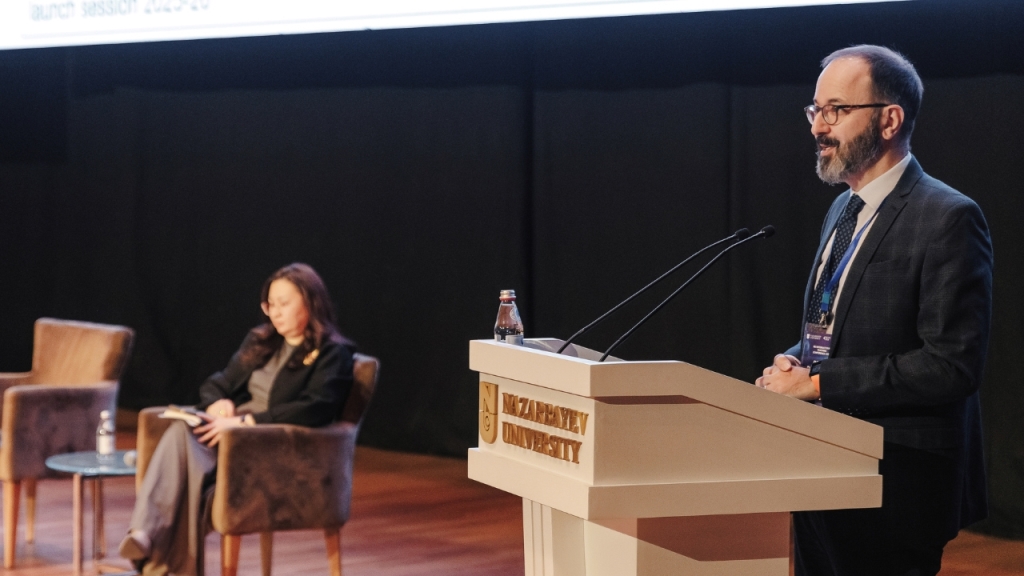
«Teachers can learn a great deal from one another, especially when they use reflective tools that allow them to discuss their teaching experiences together», Dalrymple said.
He recommended Advance HE's Professional Standards Framework (PSF) as a practical tool for supporting professional development.
The framework encourages educators to examine their teaching methods, reflect on student learning and exchange experiences with colleagues.
Representatives of Advance HE and QAA also discussed how universities can use professional standards and quality enhancement practices to improve teaching.
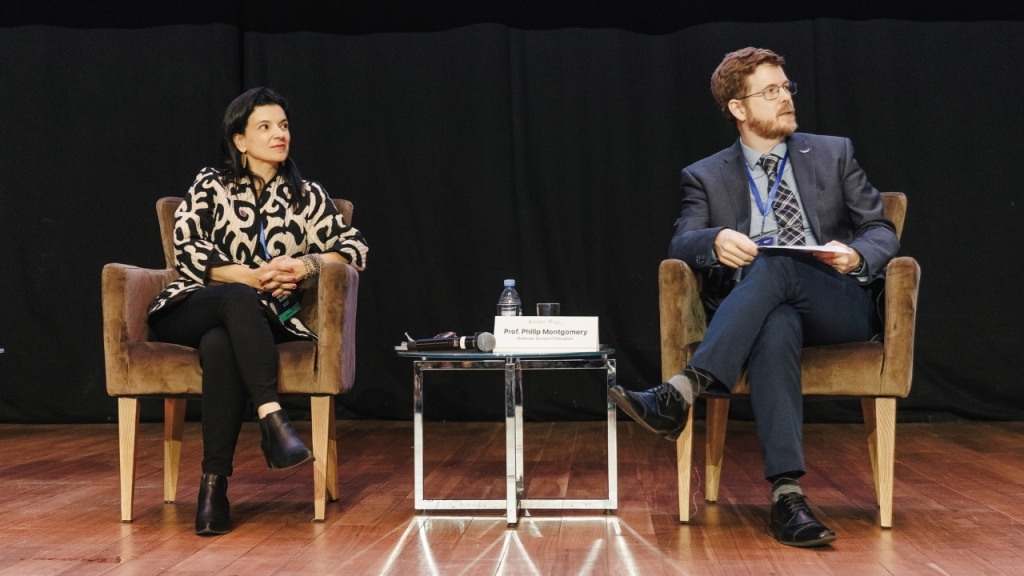
Among the invited specialists were Dr. Rob Stroud, Executive Director of Quality Enhancement at QAA, and Daniel Sheratte, Head of International Programs at Advance HE.
Artificial intelligence changes the conversation about teaching
Generative artificial intelligence emerged as another major theme of Teaching Conference 2026.
Professor Douglas Hartman of Michigan State University emphasized that AI should support students' individual learning needs rather than simply automate educational tasks.
He encouraged faculty members to consider how AI tools can strengthen independent learning, critical thinking and student engagement.
Hartman also stressed the importance of discussing the ethical and effective use of generative AI directly with students.
Rather than adopting new technologies without sufficient evaluation, he encouraged educators to experiment with different approaches, examine their results and make deliberate decisions about where AI adds value.
This approach places the emphasis on educational outcomes rather than technology adoption itself.
For universities, the challenge is not only to familiarize faculty with AI tools but also to establish teaching practices that preserve students' independence and analytical abilities.
Quality assurance must go beyond accreditation
The conference also examined how universities evaluate and improve educational quality.
Participants discussed external reviews, accreditation procedures and student feedback, focusing on how these mechanisms can contribute to meaningful improvements rather than serve only as evidence of compliance with formal standards.
The discussions highlighted the importance of using evaluation results to identify weaknesses, improve teaching methods and strengthen institutional processes.
International cooperation was presented as an important part of this work, allowing universities to compare approaches and adapt effective practices to their own educational environments.
What the conference means for higher education in Kazakhstan
For Kazakhstan, Teaching Conference 2026 provided an opportunity to connect domestic universities with international expertise in faculty development, quality assurance and responsible AI use.
The discussions addressed challenges relevant to institutions across the country, including academic workloads, teaching effectiveness, student assessment and the integration of emerging technologies.
By bringing together specialists from 11 countries, Nazarbayev University created a platform for exchanging practices that may help universities strengthen their internal teaching and learning systems.
The event also demonstrated that improving higher education requires coordinated efforts by university leadership, faculty members and quality assurance professionals.
Nazarbayev University plans to make the conference regular
Teaching Conference 2026 is intended to become a recurring international event at Nazarbayev University.
The University plans to continue bringing together academics and education professionals to discuss emerging challenges in teaching, faculty development and educational quality.
The longer-term value of these exchanges will depend on how universities apply the ideas discussed, particularly in supporting faculty development, improving assessment and introducing AI responsibly.
Earlier, we reported on how Nazarbayev University students are learning to use artificial intelligence responsibly, balancing the benefits of new technologies with independent thinking, academic integrity and the development of essential learning skills.