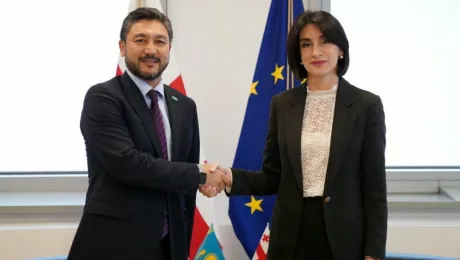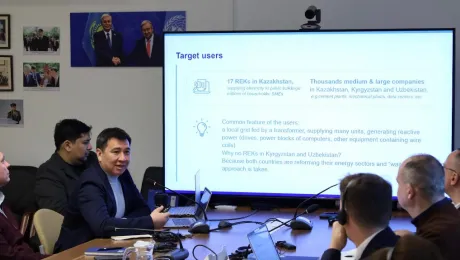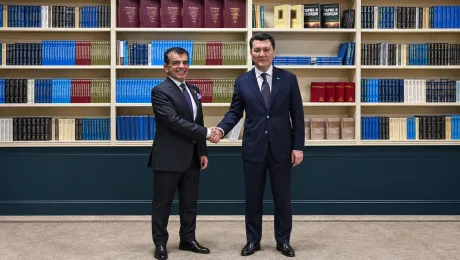

Five countries face a shared challenge: protecting the Caspian Sea. On November 13, 2026, representatives of Caspian coastal states, international organizations and financial institutions gathered at the COP31 climate conference in Antalya, Türkiye, to discuss coordinated action, regional investment and international support. According to a press release from the United Nations Development Programme (UNDP) in Kazakhstan, the high-level event took place at Kazakhstan's national pavilion, DKNews.kz reports.
Titled “Friends of the Caspian Sea: From Regional Initiatives to Joint Action,” the meeting was organized by Kazakhstan's Ministry of Ecology and Natural Resources, with UNDP facilitating the dialogue. The discussions focused on turning regional environmental priorities into practical projects that could attract international financing.
Why the Caspian Sea's declining water level matters
The Caspian Sea is facing an increasingly serious environmental challenge. Its declining water level, driven by climate-related and human-induced factors, threatens ecosystems, coastal infrastructure, economic activities and communities across the region.
The consequences extend beyond Kazakhstan. Azerbaijan, Iran, Russia and Turkmenistan also share the Caspian coastline, making the sea's changing conditions a concern for all five countries.
Addressing these challenges requires more than individual national initiatives. Participants highlighted the importance of coordinated scientific research, stronger monitoring systems, regular data sharing and adaptation measures tailored to changing environmental conditions.
For Kazakhstan, the Northern Caspian is particularly important. Changes in sea level can affect coastal infrastructure, economic activity and the environmental conditions on which local communities depend.
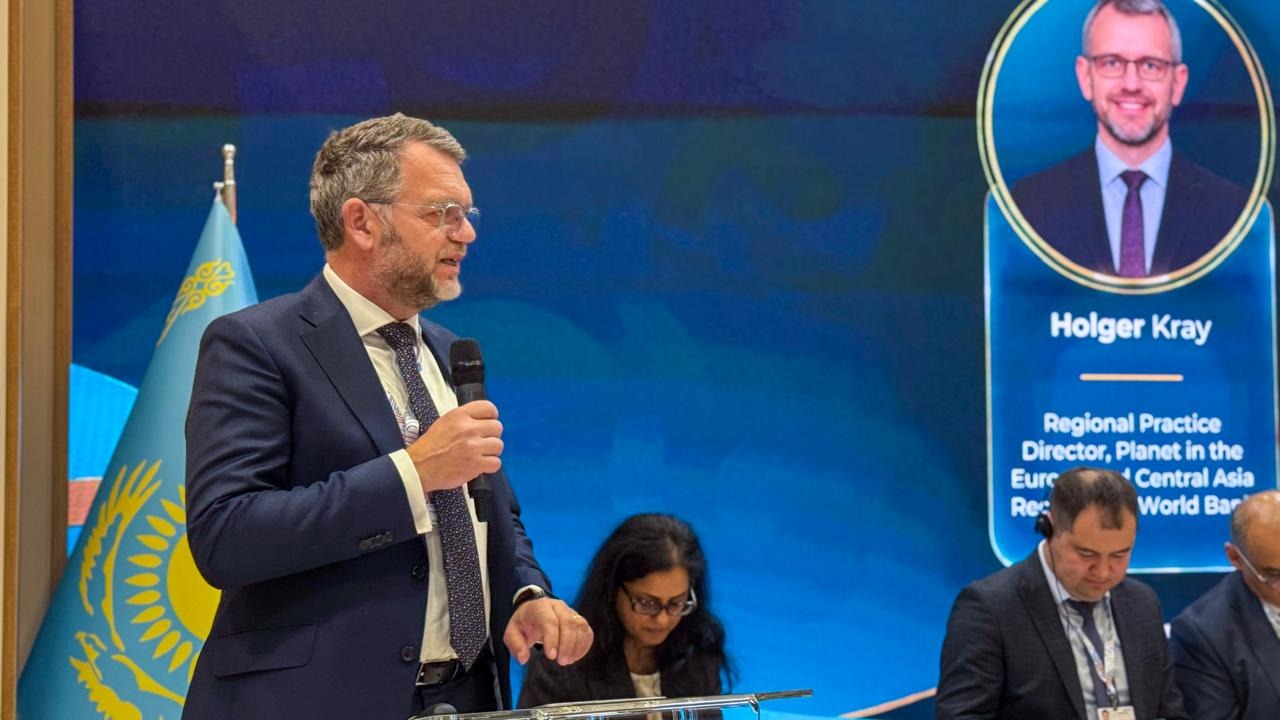
A regional investment portfolio could unlock international funding
One of the central topics at COP31 was the proposed Regional Investment Portfolio for the Caspian Region.
The portfolio is being developed around priorities and proposals identified by the five coastal countries. Its purpose is to provide a practical framework for preparing joint projects and mobilizing international financial support.
Representatives of international financial institutions and climate funds explored potential financing mechanisms, technical assistance and investment opportunities.

Kazakhstan's Minister of Ecology and Natural Resources, Alibek Kuantyrov, emphasized that the initiative must lead to implementation rather than remain a collection of proposals.
«The Regional Investment Portfolio should go beyond being a list of initiatives and serve as a practical tool for developing projects, taking them forward and mobilizing international support. We invite international partners, donors and financial institutions to join this effort and contribute to projects aimed at protecting the Caspian Sea’s unique ecosystem,» said Alibek Kuantyrov, Minister of Ecology and Natural Resources of the Republic of Kazakhstan.
The discussions did not establish a total funding commitment for the regional portfolio. At this stage, the focus remains on identifying priorities, preparing viable projects and engaging potential partners.
A ten-year action plan for the Caspian Sea
Participants were also presented with the Action Plan of the Caspian States on Sea Level Fluctuation for 2026–2036.
The plan is being developed with support from the Secretariat of the Tehran Convention, formally known as the Framework Convention for the Protection of the Marine Environment of the Caspian Sea.
The convention provides an established legal framework for cooperation among the five coastal states.
Key areas of regional cooperation include:
- Strengthening scientific research into changes in Caspian Sea levels.
- Improving monitoring and environmental observation systems.
- Expanding data sharing among coastal countries.
- Developing adaptation measures for vulnerable coastal areas.
- Preparing joint initiatives for international technical and financial support.
The COP31 meeting built on previous regional discussions. In November 2024, at COP29 in Baku, the Caspian coastal states adopted the Declaration on Strengthening Cooperation to Address the Caspian Sea Water Level Decline.
Kazakhstan and Turkmenistan have also advanced proposals for an Interstate Programme for the Conservation of the Caspian Sea's Water Resources.
UNDP calls for practical action and stronger partnerships
UNDP has been supporting regional cooperation through scientific collaboration, improved monitoring and the development of climate adaptation measures.
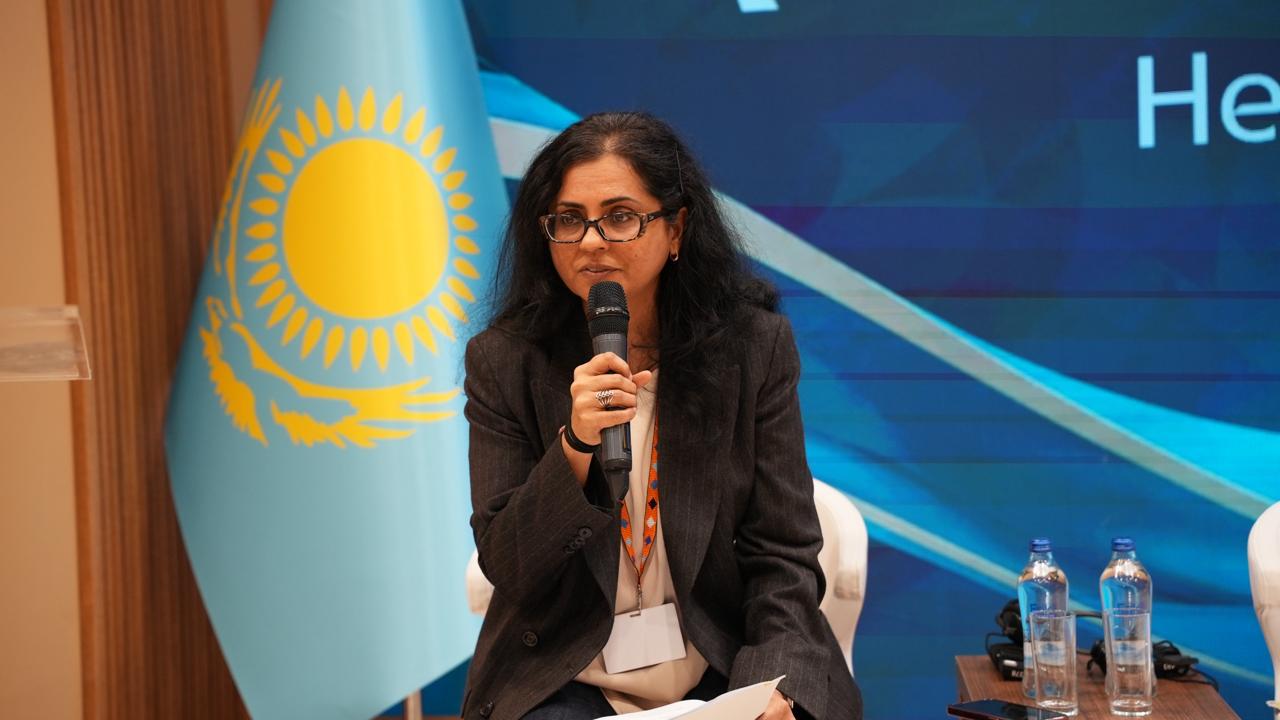
At the Antalya meeting, Rohini Kohli, UNDP Senior Technical Advisor on Climate Change Adaptation Policy and Planning, stressed the importance of translating regional priorities into implementable projects.
«The next step is to translate the priorities of the Caspian countries into practical action by linking climate risk information with national priorities, strengthening institutions and preparing projects for implementation. Within our mandate and agreed programmes, UNDP can help facilitate coordination, project preparation and partnerships to advance these efforts,» said Rohini Kohli, UNDP Senior Technical Advisor on Climate Change Adaptation Policy and Planning.
The emphasis is on connecting scientific evidence with government planning, strengthening institutions and ensuring that proposed projects are ready for implementation.
Japan is funding a $3 million Caspian resilience project
One initiative is already underway in Kazakhstan.
In May 2026, UNDP in Kazakhstan launched a US$3 million project funded by the Government of Japan to strengthen the Caspian region's resilience to declining sea levels.
The project is being implemented in partnership with Kazakhstan's Ministry of Ecology and Natural Resources and Ministry of Water Resources and Irrigation.
Its main activities include:
- Modernizing hydrological monitoring stations.
- Strengthening sea-level observation systems in the Northern Caspian.
- Supporting joint scientific research.
- Promoting cooperation among Caspian coastal countries.
- Establishing a dialogue platform connecting scientists and government institutions.
The resulting scientific data will help authorities develop evidence-based adaptation measures for communities and infrastructure affected by changing sea levels.
The $3 million represents funding for this specific Japan-supported project, not the total value of the broader Regional Investment Portfolio discussed at COP31.
What the initiative means for Kazakhstan
For Kazakhstan, the Caspian Sea's declining water level is both an environmental concern and a long-term development challenge.
Coastal communities, infrastructure and economic activities may face increasing pressure as environmental conditions change. Better scientific information and regional coordination are therefore essential for assessing risks and planning effective responses.
International cooperation could help Kazakhstan improve its monitoring capabilities, strengthen research partnerships and prepare adaptation projects eligible for external support.
However, the COP31 discussions did not produce a binding commitment to restore the Caspian Sea's water level or announce a comprehensive funding package for the entire region.
Instead, the meeting provided a platform for aligning national priorities, exploring financing options and advancing joint initiatives.

From regional commitments to measurable results
The challenge now is to move from dialogue to implementation.
The proposed investment portfolio, the 2026–2036 action plan and the Japan-funded monitoring project represent different elements of the same regional effort: understanding how the Caspian Sea is changing and helping coastal countries respond.
For the five Caspian states, progress will depend on sustained scientific cooperation, effective coordination and the ability to turn proposed initiatives into funded, operational projects.
The Antalya meeting reinforced the importance of a coordinated regional response to a problem that no single country can address alone.
Earlier, we reported on Kazakhstan's initiative to unite all five Caspian nations in efforts to protect the sea. At the First Caspian Environmental Summit in Turkmenistan, President Kassym-Jomart Tokayev called for stronger regional cooperation, joint scientific research and coordinated environmental monitoring. The discussions at COP31 build on these efforts, with a greater focus on attracting international financing and turning regional commitments into practical projects.