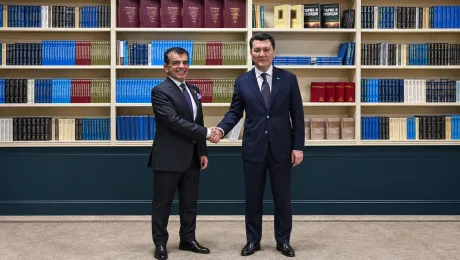

Kazakhstan will hold early elections to maslikhats on November 29, 2026. President Kassym-Jomart Tokayev reviewed preparations for the nationwide vote during a meeting with Central Election Commission Chairman Nurlan Abdirov on November 16, emphasizing equal conditions for candidates and political parties, according to the official announcement by Akorda.
The elections will determine the composition of local representative bodies at all levels. The President stressed that the electoral process must comply with the constitutional principle of “Law and Order” and ensure fair conditions for political participation, DKNews.kz reports.
Tokayev reviews preparations for November 29 elections
During the meeting, Nurlan Abdirov briefed the President on the work being carried out by Kazakhstan's electoral bodies ahead of the early elections.
The vote is scheduled for Sunday, November 29, and will involve maslikhats at all levels across the country.
With less than two weeks remaining, the Central Election Commission is responsible for coordinating the final stages of electoral preparations.
The presidential announcement did not provide detailed figures on polling stations, registered candidates or voter turnout expectations.
Equal conditions for candidates and political parties
One of the central issues raised by Tokayev was the need to ensure equal conditions for everyone participating in the elections.
The President emphasized that both individual candidates and political parties must be able to participate under the requirements established by electoral legislation.
He also stressed the importance of conducting the vote in accordance with the constitutional principle of “Law and Order”.
The instructions establish the standards expected of election organizers. The actual conduct of the campaign and voting will determine how those requirements are implemented in practice.
Why the maslikhat elections matter
Maslikhats are Kazakhstan's local representative bodies. Their deputies represent residents at the regional, city and district levels and participate in decisions affecting local development.
Their responsibilities include:
- Reviewing and approving local budgets.
- Considering reports on budget implementation.
- Participating in decisions on regional development programmes.
- Representing the interests of local communities.
- Exercising oversight functions within their legal powers.
Changes in their composition therefore affect the institutions responsible for representing citizens in decisions about local public spending and development priorities.
President expects stronger local representative bodies
Tokayev expressed the view that renewing the composition of maslikhats would significantly strengthen the work of local representative institutions.
The November 29 vote will determine who holds deputy mandates in the next composition of these bodies.
However, the election results and the eventual composition of the maslikhats remain unknown. The President's assessment concerns the expected effect of the renewal rather than an outcome that has already been achieved.
What happens before election day?
The Central Election Commission and its regional structures will continue preparing for the vote.
The main priorities include ensuring that electoral procedures comply with legislation and that candidates and political parties are treated equally.
For voters, November 29 will be the opportunity to choose representatives who will participate in decisions affecting their regions, cities and districts.
The effectiveness of the renewed maslikhats will ultimately depend on their work after the elections, including how they represent local interests and exercise their responsibilities.
Earlier, we reported on Nurlan Abdirov's briefing for foreign diplomats about Kazakhstan's electoral preparations, including the organization of voting, election observation and the Central Election Commission's responsibilities.