Meeting of Heads of Diaspora Institutions of the Turkic States Organization Held in Budapest, DKNews.kz reports.
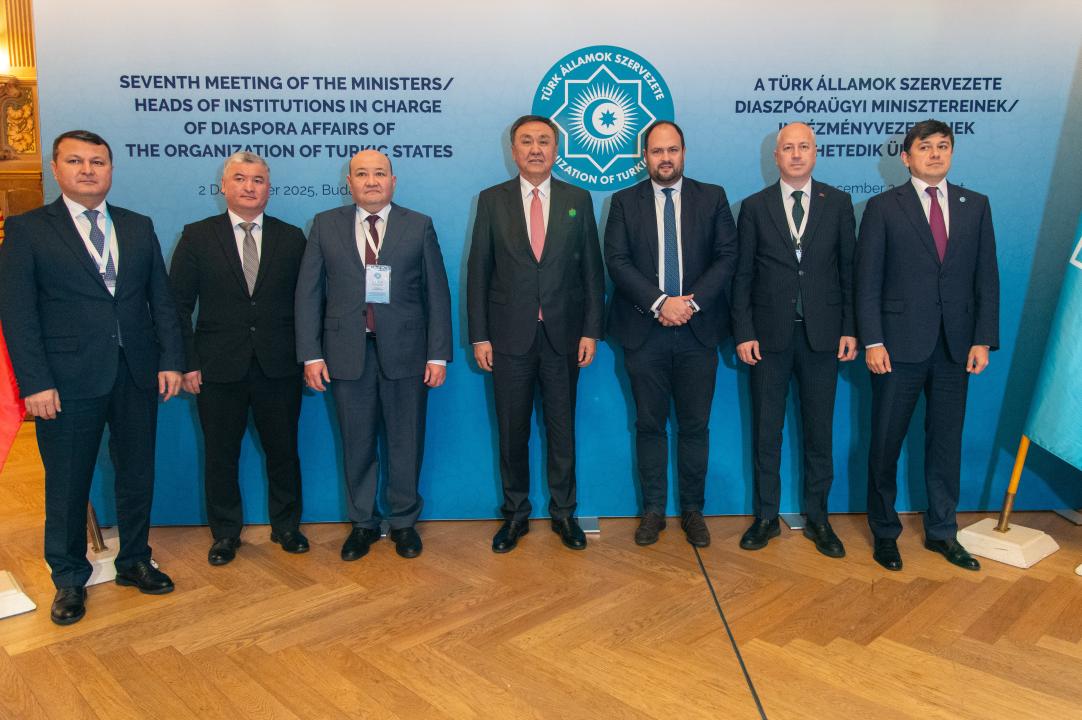
The capital of Hungary hosted the 7th meeting of ministers and heads of diaspora institutions of the Organization of Turkic States (OTS).
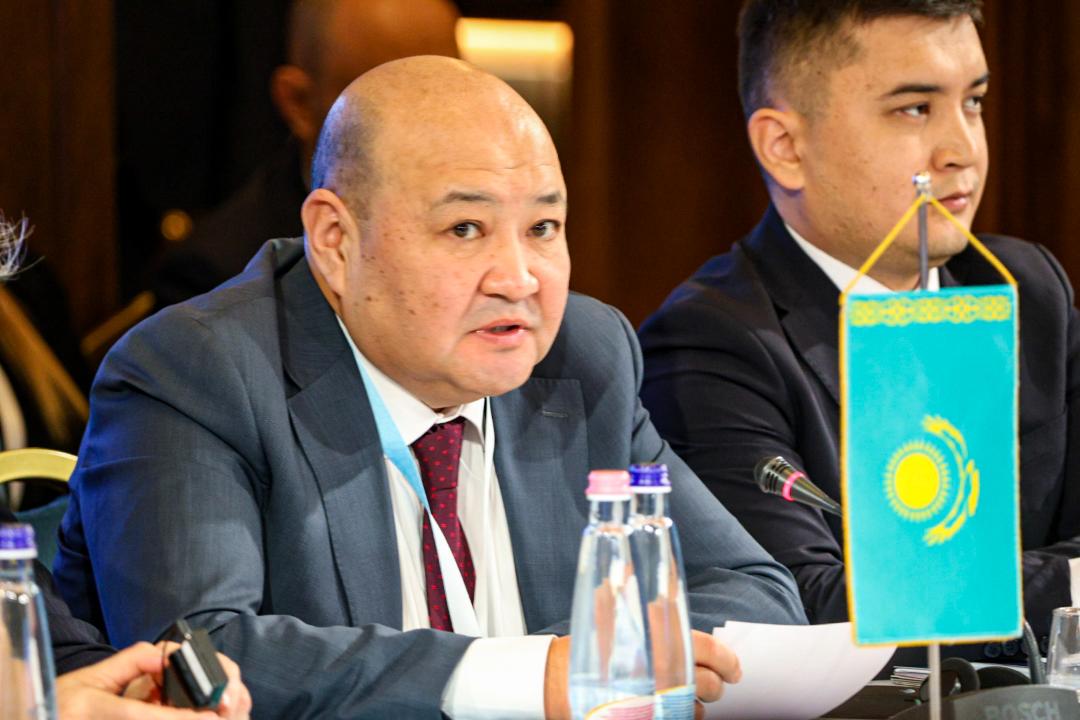
This gathering became the first high-level diaspora event of the OTS ever held in Hungary. The meeting was co-chaired by Lőrinc Nacsa, State Secretary for Hungarian Communities Abroad of Hungary. Kazakhstan was represented by Daniyar Kadyrov, President of the “Otandastar Foundation” NJSC, and Abzal Saparbekuly, Ambassador of Kazakhstan to Hungary.
Representatives of Azerbaijan, Uzbekistan, Kyrgyzstan and Türkiye participated on behalf of the OTS member states. The meeting was also attended by the Secretary-General of the OTS, Kubanychbek Omuraliev, and the Executive Director of the OTS Office in Budapest, Balázs Hendrich.
In his remarks, D.Kadyrov emphasized that engagement with diaspora communities has become an important direction of humanitarian diplomacy. In the context of global transformation, the role of diasporas as bridges between countries is increasing. He cited the words of the President of the Republic of Kazakhstan, Kassym-Jomart Tokayev: “The unity of the Turkic states is a strategic choice in the interest of our common future.”
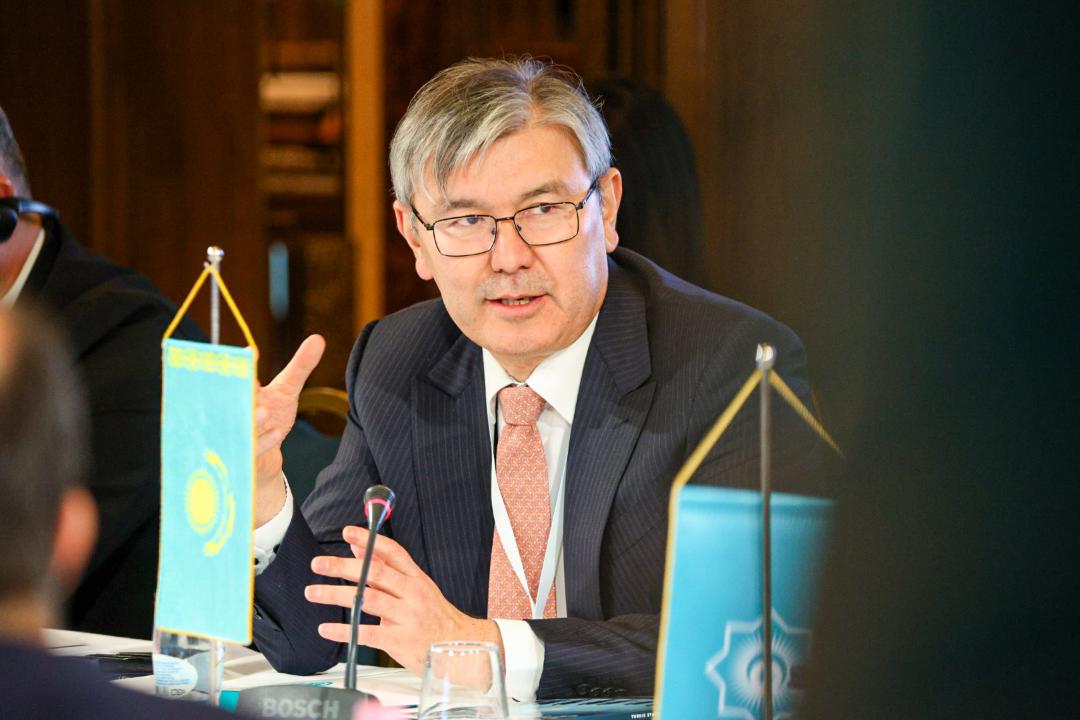
The Head of the Foundation noted that one of the key priorities of “Otandastar” is strengthening and developing cultural and humanitarian ties with ethnic Kazakhs and compatriots living abroad. He also highlighted one of the significant events of 2025 - the “Otandas Scholars Forum,” held on 21 November in Astana. The forum brought together more than 40 foreign scholars and around 100 Kazakhstani researchers, giving new impetus to cooperation with the intellectual diaspora, scientific exchange, and the development of international academic connections.
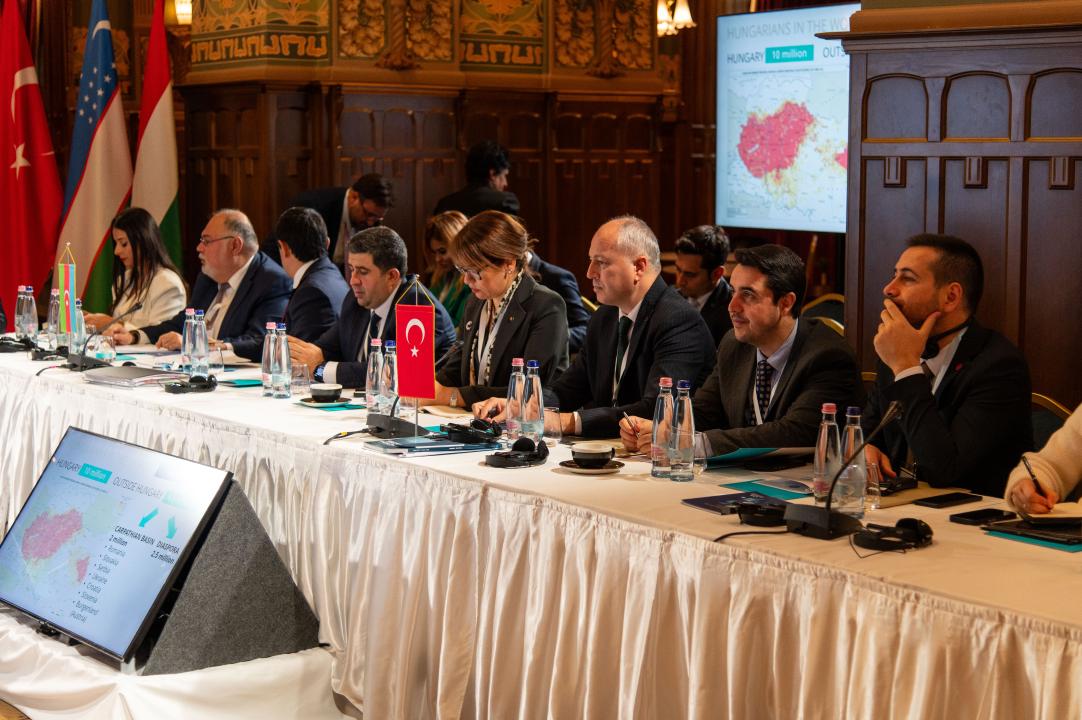
During the meeting, participants discussed key issues of cooperation among diaspora structures of the Turkic states. The parties agreed to enhance collaboration between diaspora institutions, develop youth programs and scholarship initiatives, and expand cultural and humanitarian projects. Special attention was paid to strengthening coordination and ensuring regular exchange of experience among the countries.
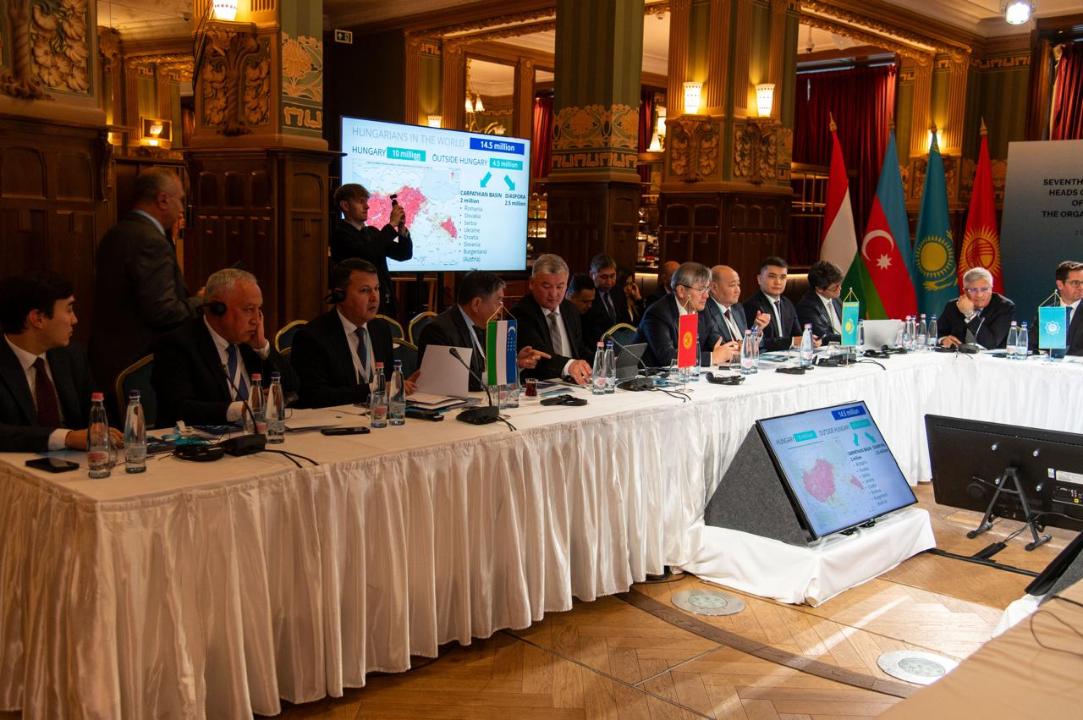
The parties also approved the Joint Action Plan on the diaspora agenda for 2026, which envisions strengthening interagency coordination; expanding youth initiatives and increasing the engagement of young compatriots; implementing joint cultural projects; and broadening academic and educational opportunities for youth from OTS member states.