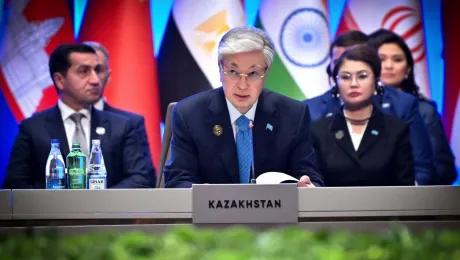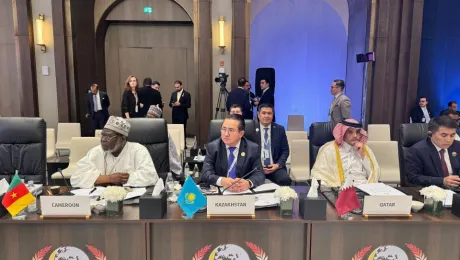

Samarkand has concluded one of the most significant global gatherings dedicated to wildlife protection - the 20th Conference of the Parties to the Convention on International Trade in Endangered Species of Wild Fauna and Flora (CITES CoP20). Held from November 24 to December 5, 2025, the conference brought together representatives of dozens of countries, international organizations, researchers and conservation experts to discuss the future of the world’s wildlife protection system, DKNews.kz reports.
Among the most prominent participants was WWF Central Asia, which presented a series of large-scale, science-based initiatives aimed at conserving and restoring populations of iconic big cats across the region - including the reintroduction of the tiger to Kazakhstan, the protection of the snow leopard, and the restoration of suitable habitat for the potential return of the cheetah to Uzbekistan’s Ustyurt Plateau.

For many people, these topics may sound like distant ecological issues. But in reality, such initiatives have a direct impact on the well-being of communities, the stability of ecosystems and the long-term sustainability of natural resources that people rely on every day.
Why CITES Matters - and What Was Discussed in Samarkand
CITES, which entered into force on July 1, 1975, now unites 185 countries, making it the world’s largest wildlife conservation agreement. The Convention regulates international trade in endangered species, establishes monitoring and control mechanisms, maintains scientifically grounded protection lists and helps countries align their policies with global conservation standards.
At CoP20, participants focused on:
- updating regulatory mechanisms
- strengthening enforcement and monitoring tools
- restoring degraded ecosystems
- enhancing scientific support for conservation decisions
WWF traditionally plays a key role at CITES gatherings by providing scientific data, expert analysis and practical recommendations that help countries develop effective, long-term approaches to protecting endangered species.
Highlight of the Conference: Bringing the Tiger Back to Kazakhstan
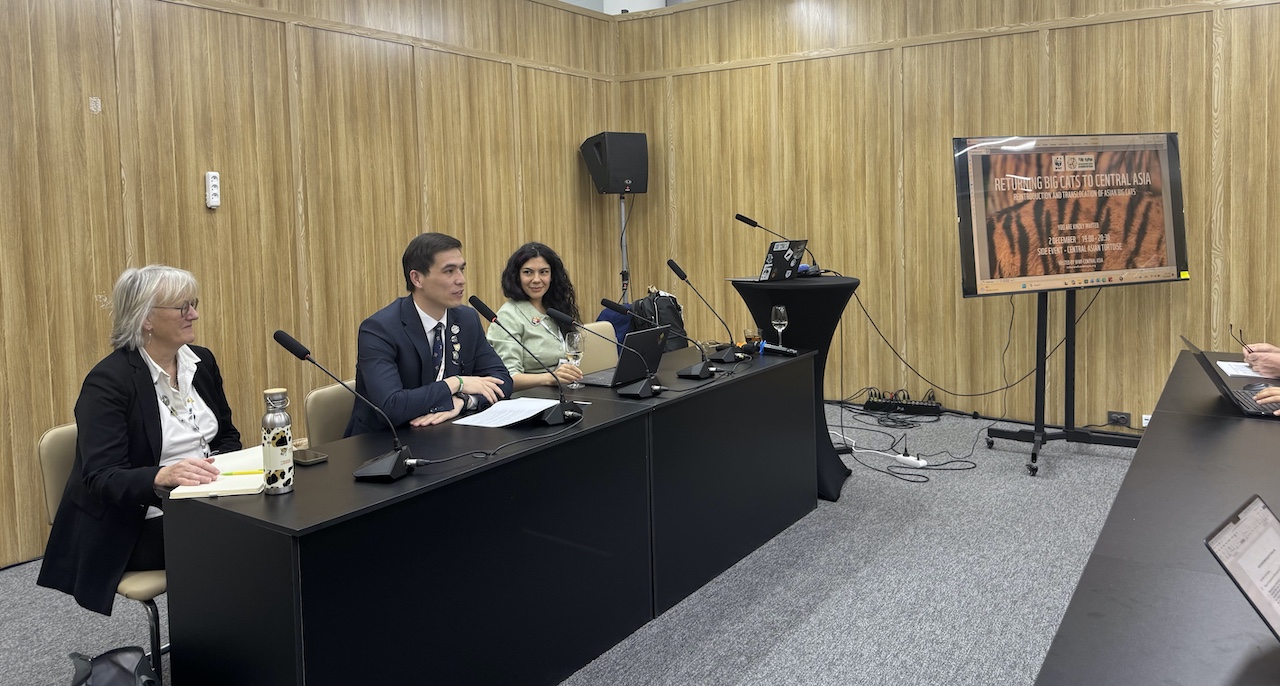
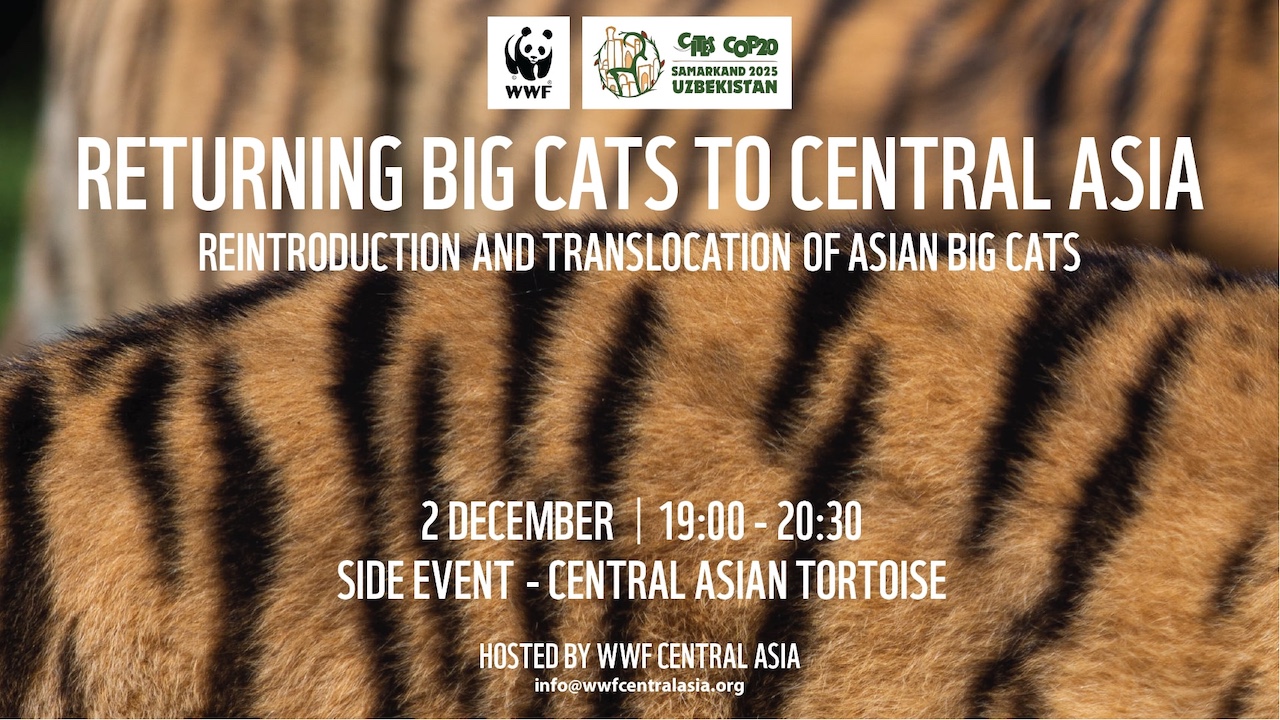
WWF Central Asia Director Ekaterina Nakashidze presented the details of the region’s largest conservation initiative - the ambitious, multi-year program to reintroduce the tiger to Kazakhstan.

She outlined the two major stages of the program’s implementation.
Stage I: Restoring Ecosystems and Preparing the Territory
The first phase included extensive research into potential tiger habitats and ecological restoration efforts in the Ili River Delta. One of the key achievements was the establishment of the Ile-Balkhash Nature Reserve.
Since 2018, WWF and Kazakhstani experts have also worked to increase populations of ungulates - the tiger’s main prey. Stable numbers of Bukhara deer, roe deer and wild boar are essential for supporting a reintroduced tiger population.
Stage II: Arrival of the First Tigers and Adaptation
In 2024, the first Amur tigers arrived in Kazakhstan - the tigress Bogdana and the male tiger Kuma. They are currently undergoing adaptation at a special enclosure center established by WWF.
According to Ekaterina Nakashidze, the animals are adjusting well: “To date, the animals are showing stable and calm behavior, eating well, actively exploring their surroundings, and successfully adapting to the new conditions.”, she noted.

For Kazakhstan, this project is historic - the last wild tigers disappeared from the region nearly a century ago. Now, the country is on the verge of restoring a species once considered lost.
Nakashidze also highlighted the global importance of the CITES platform: “CITES is a critically important international platform that brings together the efforts of governments, experts, and conservation organizations. It is especially symbolic that CoP20 is being held in Samarkand - a city that bridges Central Asia’s rich historical heritage with its modern environmental agenda.”.
Could the Cheetah Return to Central Asia? WWF and Uzbekistan Outline a Realistic Vision
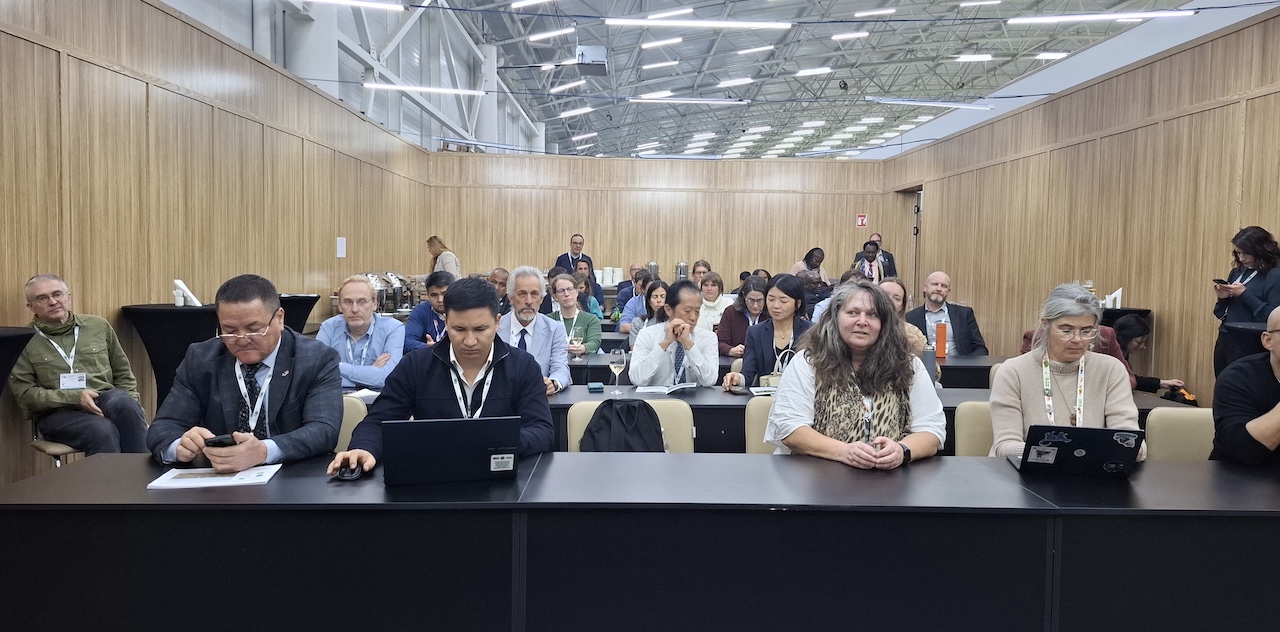
WWF Central Asia’s Director of Conservation, Elizaveta Protas, presented a concept for the potential reintroduction of the cheetah to Uzbekistan. The idea goes far beyond releasing a few animals - it envisions establishing a fully functional, transboundary population on the Ustyurt Plateau.
The plan includes:
- monitoring ungulate populations
- developing a comprehensive reintroduction strategy
- creating a network of protected areas totaling more than 2.3 million hectares
- expanding the South Ustyurt National Park and the Saigachiy landscape reserve
Although cheetahs disappeared from the region decades ago, ecological conditions on the Ustyurt Plateau suggest that their return could be feasible with proper planning and long-term management.
Snow Leopard Conservation: Results Across Kyrgyzstan, Kazakhstan and Tajikistan
WWF Central Asia also presented long-term results from major programs dedicated to protecting snow leopards and mountain ungulates across the highlands of Kyrgyzstan, Kazakhstan and Tajikistan.
Key actions include:
- sustainable pasture management
- active engagement of local communities
- restoration of overgrazed areas
- developing alternative income sources such as guest houses, felt products, dairy processing and yak husbandry
- implementing a unified wildlife monitoring methodology across more than 1.5 million hectares
These measures help reduce competition between livestock and wild ungulates, strengthen mountain ecosystems and create conditions that support stable snow leopard populations.
Strong International Support for WWF Projects
WWF’s initiatives received support from:
- Uzbekistan’s Ministry of Ecology, Environmental Protection and Climate Change
- Kyrgyzstan’s Ministry of Natural Resources, Ecology and Technical Supervision
- international organizations such as IUCN, CMS and the Cheetah Conservation Fund
WWF expressed gratitude to all partners for their involvement and support in such a large-scale effort to conserve endangered species across the region.
What WWF Experts Say
Elizaveta Protas emphasized the comprehensive nature of WWF’s big-cat programs:
“WWF’s big cat projects in Central Asia are a comprehensive effort that encompasses ecosystem management, community support, the creation of protected areas, and ongoing scientific monitoring. Restoring the tiger population, safeguarding the snow leopard, and the future reintroduction of the cheetah are three interconnected objectives shaping a new conservation strategy for the region”.
Why These Programs Matter for Everyone
Saving big cats may seem like a niche conservation issue, but in fact these initiatives impact people’s everyday lives in tangible ways. They help:
- restore ecosystems that regulate water and air quality
- preserve biodiversity and ecological resilience
- create new jobs and economic opportunities
- develop eco-tourism
- strengthen long-term sustainability of natural resources
Protecting the tiger, snow leopard or cheetah is not just about wildlife. It is about the future of the people living in these regions - and the health of the landscapes that sustain them.
WWF’s Long-Term Strategy is Shaping the Future of Central Asia’s Nature
WWF Central Asia’s initiatives form a comprehensive strategy aimed at restoring populations of big cats and the ecosystems they depend on. The work combines scientific research, community engagement and close cooperation with governments across the region.
These efforts mark a new chapter in the conservation history of Central Asia - and prove that even long-lost species can return when science, political will and regional collaboration come together.