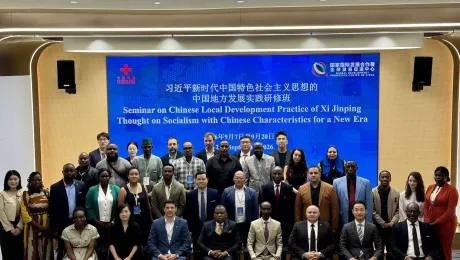

The Huawei Annual Awarding Ceremony held in the country clearly demonstrated this ambition in action. This annual event brought together representatives of 48 universities across Kazakhstan, highlighting tangible results of cooperation between higher education institutions, the state, and the technology sector.
The ceremony was not only about recognizing top performers. It also served as a barometer of how approaches to ICT talent development are changing, and how universities are increasingly aligning with real industry needs, DKNews.kz reports.
Government, universities and technology business at one table
The status of the event was underlined by its distinguished guests. Among those attending were Vice Minister of Science and Higher Education of the Republic of Kazakhstan Dinara Shcheglova, Chairman of the Management Board of JSC Science Fund Arman Ashkin, as well as rectors and vice-rectors of leading universities.
This level of participation reflects a growing perception of Huawei not merely as a technology vendor, but as a long-term strategic partner in education.
AI-SANA - artificial intelligence education in Kazakh
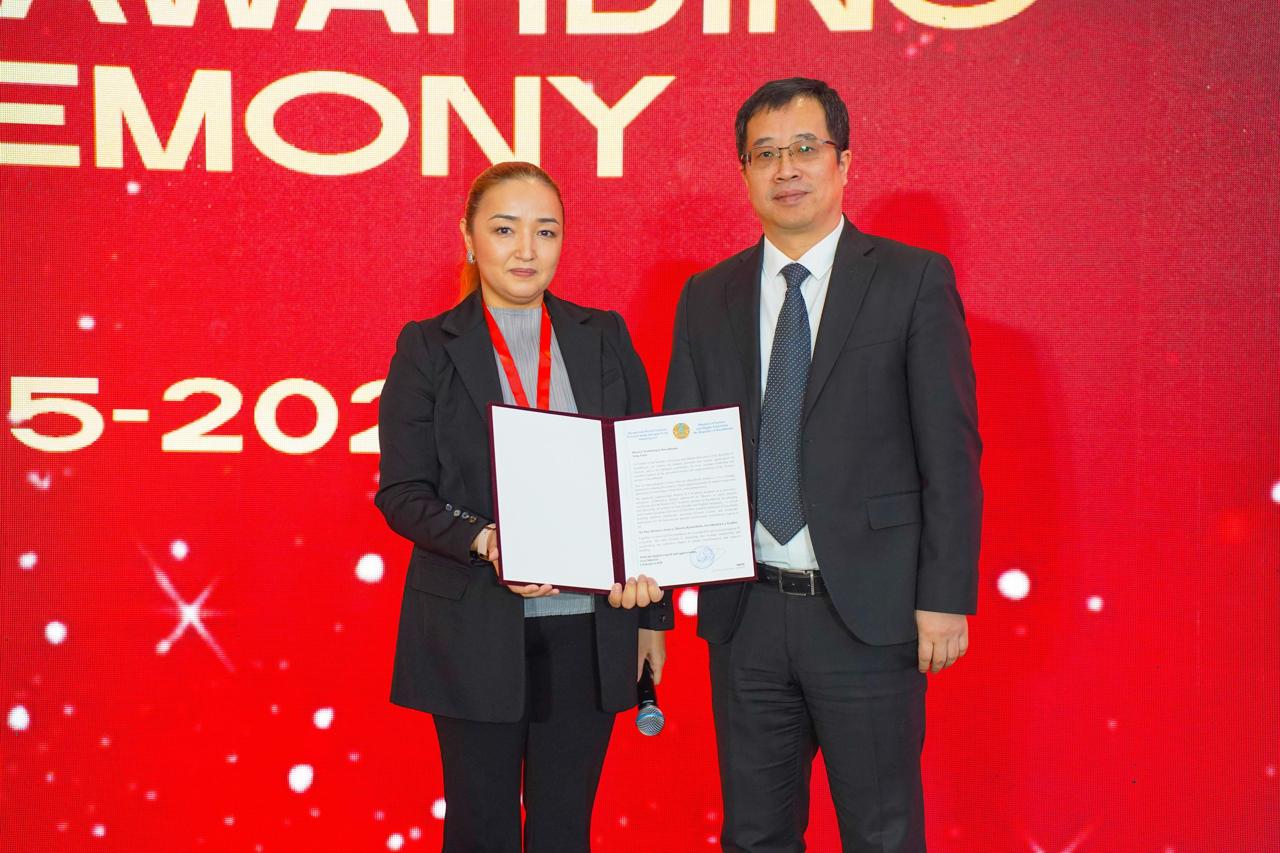
One of the key moments of the ceremony was the presentation of letters of appreciation by Dinara Shcheglova to Huawei for its contribution to the AI-SANA national educational initiative, aimed at developing artificial intelligence competencies among students.
As part of AI-SANA, Huawei:
- adapted three full AI courses;
- translated them entirely into the Kazakh language;
- made them freely available via the Huawei Talent Online platform.
The scale of the initiative is reflected in the numbers. To date, more than 200,521 students from 45 universities in Kazakhstan have successfully completed AI certification under the AI-SANA program. This makes it one of the largest digital education initiatives in the region.
How universities are preparing for digital transformation
During the event, Huawei representatives presented smart solutions for digitalizing the educational process and shared an annual report on the performance of Huawei ICT Academy programs operating at Kazakhstani universities.
The report showed:
- growth in the number of active courses;
- expanding student participation;
- a steady increase in international certifications earned by students.
These indicators confirm that Huawei ICT Academy has evolved into a results-driven ecosystem rather than a purely formal educational project.
Huawei ICT Competition - from theory to practice
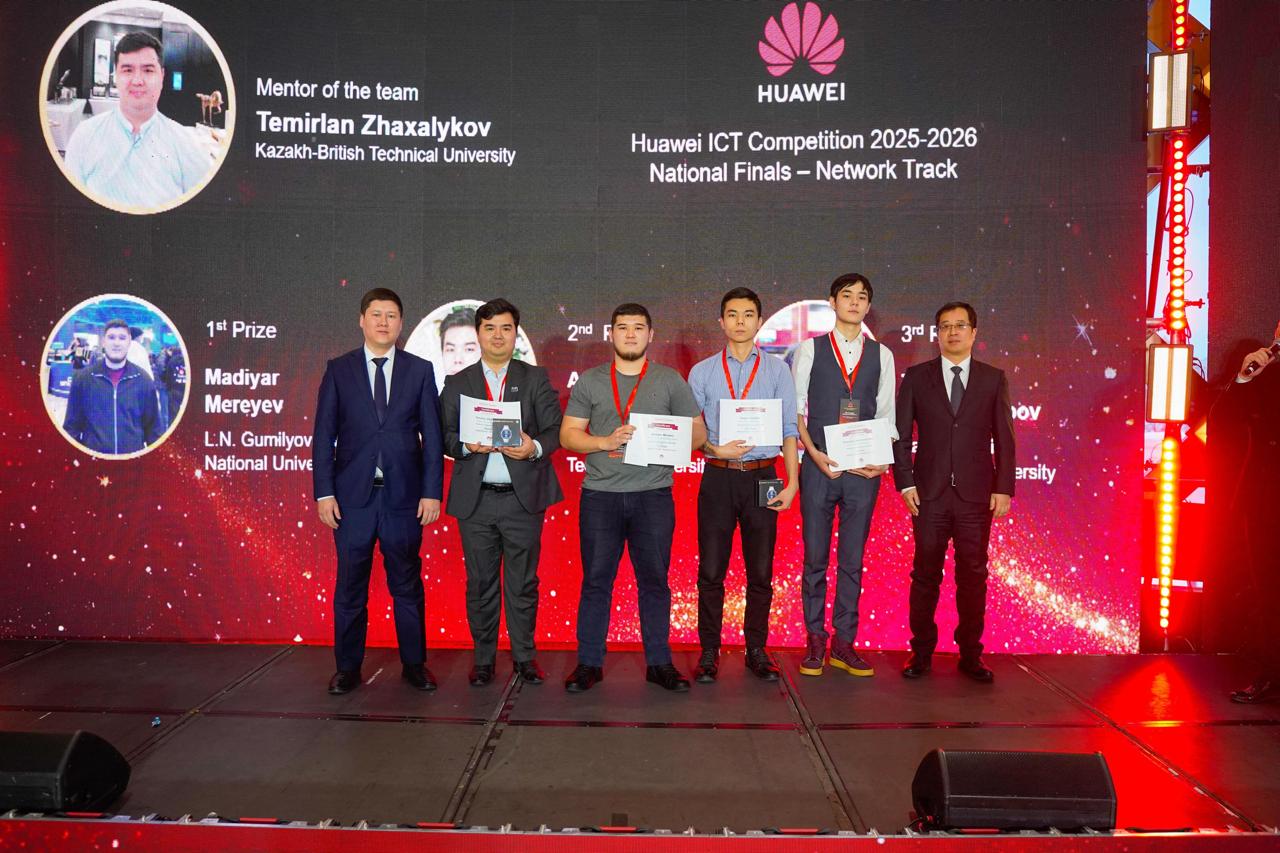
One of the highlights of the evening was the award ceremony for winners of the Huawei ICT Competition 2025-2026 national final. Students competed in the Network, Cloud, and Computing tracks, demonstrating practical skills in working with modern technologies.
Network track winners:
- Madiyar Mereyev - L.N. Gumilyov Eurasian National University
- Ansar Asylbek - Kazakh-British Technical University
- Zhaksylyk Abdumitalipov - Kazakh-British Technical University
Cloud track winners:
- Ziani Louay - Kazakh-British Technical University
- Mereke Nurai - Kazakh-British Technical University
- Arailym Amangeldikyzy - Al-Farabi Kazakh National University
Computing track winners:
- Semser Berdibek - Almaty Technological University
- Daniyal Sailaubek - Almaty Technological University
- Bakdaulet Kemal - International University of Information Technologies
The results once again confirmed the strong technical preparation of Kazakhstani students.
The instructor as the cornerstone of the ecosystem
Huawei places strong emphasis not only on students, but also on educators. This year, 14 instructors were recognized in the Instructor of the Year category for:
- high-quality student training;
- effective integration of Huawei courses into academic curricula;
- active promotion of ICT disciplines within their universities.
This recognition underscores a key principle of digital transformation - technology alone is not enough; progress starts with people and teaching culture.
Top ICT Academies - who leads the way
Based on annual performance, five ICT Academies were recognized for fully meeting program targets and delivering outstanding results. The evaluation was based on three core criteria:
- Successful integration of AI courses into curricula (mandatory and elective);
- The number of active classes and students under the AI-SANA program;
- Active and effective participation in the Huawei ICT Competition 2025-2026.
The top academies included:
- Kazakh-British Technical University
- Al-Farabi Kazakh National University
- ALT University
- Karaganda Buketov University
- Zhangir Khan West Kazakhstan Agrarian-Technical University
Awards were presented by Arman Ashkin and Deputy CEO of Huawei Technologies Kazakhstan Xu Hai.
Huawei’s perspective - investing in education is investing in the economy
Deputy CEO of Huawei Technologies Kazakhstan Xu Hai articulated the company’s long-term vision:
“Supporting education and developing ICT talent is one of Huawei’s key priorities in Kazakhstan. We view investments in students and educators as a long-term contribution to the country’s sustainable economic development and digital transformation. Through initiatives such as Huawei ICT Academy, AI-SANA, and Huawei ICT Competition, we are building an ecosystem together with universities that enables young people to access advanced knowledge and technologies, while equipping educators with tools to modernize academic programs. The Annual Awarding Ceremony is a unique opportunity to thank our partners for their trust and to recognize those who are strengthening ICT education in Kazakhstan and making it modern and competitive.”
A global model with local impact
Huawei ICT Academy is a global educational initiative implemented in partnership with universities and colleges worldwide. Through the program, students gain access to Huawei-developed courses and practical training across 23 ICT tracks, including networking technologies, cloud services, artificial intelligence, cybersecurity, and more, leading to internationally recognized certifications.
In Kazakhstan, Huawei ICT Academy has become a platform that helps bridge the gap between classical academic education and the real demands of the digital economy, contributing to the development of a skilled talent pool essential for the country’s technological growth.
The Huawei Annual Awarding Ceremony demonstrated that this model is delivering results: universities are evolving, students are acquiring practical skills, and Kazakhstan is systematically building its future digital workforce today.