
In 2025, Kazakhstan showed that it is no longer just carefully maneuvering between partners. This was the year when Astana began shaping a long-term, confident and much more ambitious foreign policy agenda, DKNews.kz reports.
Frequent high-level visits, new agreements, active participation in global platforms – this is no longer just diplomacy by schedule. It is the construction of a future-oriented architecture of partnerships.
Kazakhstan’s approach rests on three pillars:
- pragmatism
- resilience
- multi-vector diplomacy
And this combination allows the country to strengthen its role amid global fragmentation.
EU: moving beyond trade toward strategic partnership
Relations with the European Union entered a new phase.

The 10th anniversary of the Enhanced Partnership Agreement became an opportunity not only to summarize results, but also to upgrade cooperation.
The visit of European Council President António Costa to Astana confirmed: the EU views Kazakhstan as its key partner in Central Asia.
The agenda now goes far beyond trade:
- green energy
- critical raw materials
- transport corridors
- digitalization
- education
The Trans-Caspian route gained special attention as a strategic bridge between Europe and Asia.
Human connections and mobility also took center stage, with the next round of dialogue set to take place in Astana.
United States: from symbolic diplomacy to strategic partnership
One of the year’s defining moments was President Kassym-Jomart Tokayev’s visit to the White House.
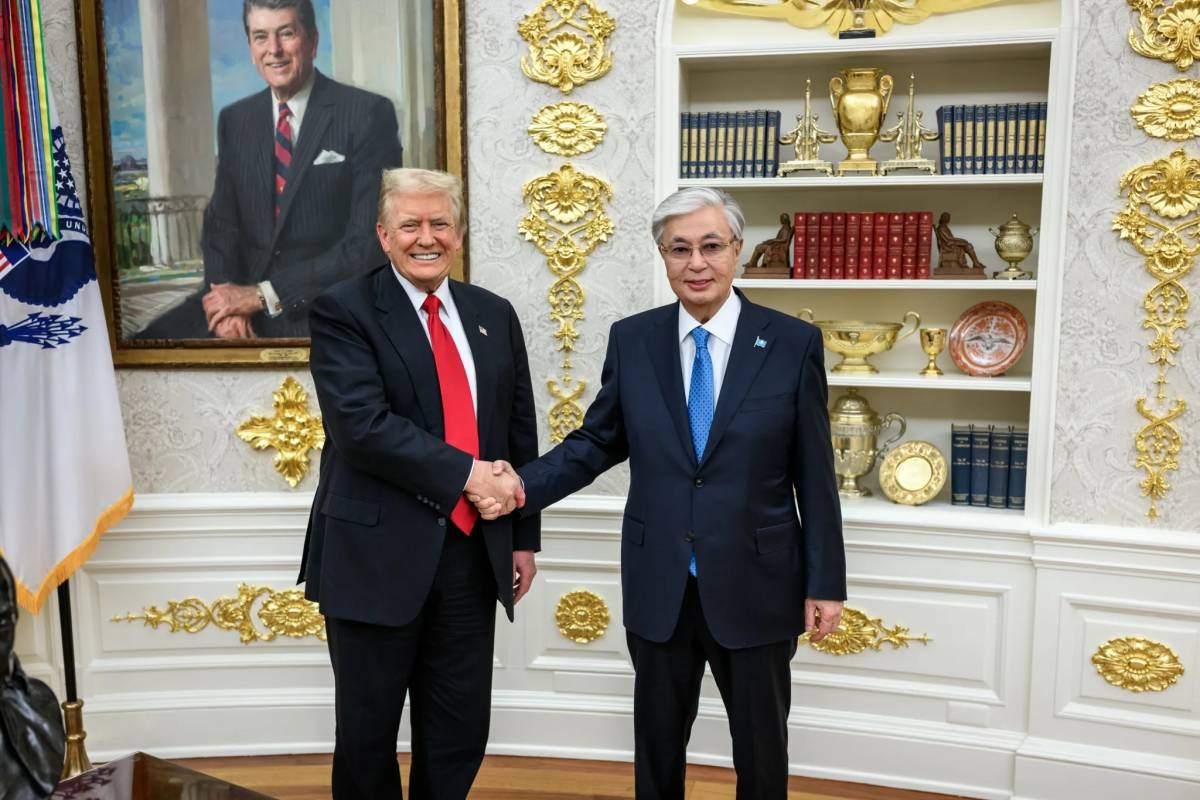
It was more than protocol. Washington signaled that Kazakhstan is viewed not simply as a resource supplier, but as an important regional player.
The outcome:
- 29 agreements
- almost $17 billion
- energy, transport, healthcare, minerals, digital projects
Security, regional stability and Kazakhstan’s mediating role were also highlighted. Consultations in the C5+1 format reinforced this multilateral track.
China: toward long-term strategic alignment
Relations with China reached a deeper level.

The summit produced 24 agreements across:
- energy
- customs and logistics
- agriculture
- digital technologies
- investment protection
The focus is gradually shifting from raw exports toward:
- industrial cooperation
- high-tech manufacturing
- petrochemicals
- renewables
Kazakhstan is strengthening its position as a transit and production hub connecting China with Europe and the Middle East.
Türkiye and Azerbaijan: partnerships with visible results
With Türkiye
- 18 agreements
- cooperation in defense, transport, culture and energy
- potential exports worth $1 billion

Key priorities: the Trans-Caspian corridor and expansion of Baku-Tbilisi-Ceyhan flows.
With Azerbaijan
- 15 agreements
- goal to double trade to $1 billion
- Trans-Caspian cargo up 62% to 4.5 million tons

Joint work includes shipbuilding, transformers, digital corridors and under-sea fiber optics.
Russia: formalizing the alliance framework
The Comprehensive Declaration on Alliance marked a structured and predictable model of cooperation.

Priority areas:
- trade
- energy, including nuclear
- academic and technological cooperation
At the same time, Kazakhstan preserves its multi-vector balance.
Peace diplomacy: Ukraine, the Middle East and dialogue first
Kazakhstan stepped up its peace initiatives:
- support for negotiation efforts on Ukraine
- humanitarian cooperation
- joining the Abraham Accords
- continued support for a two-state solution for Palestine
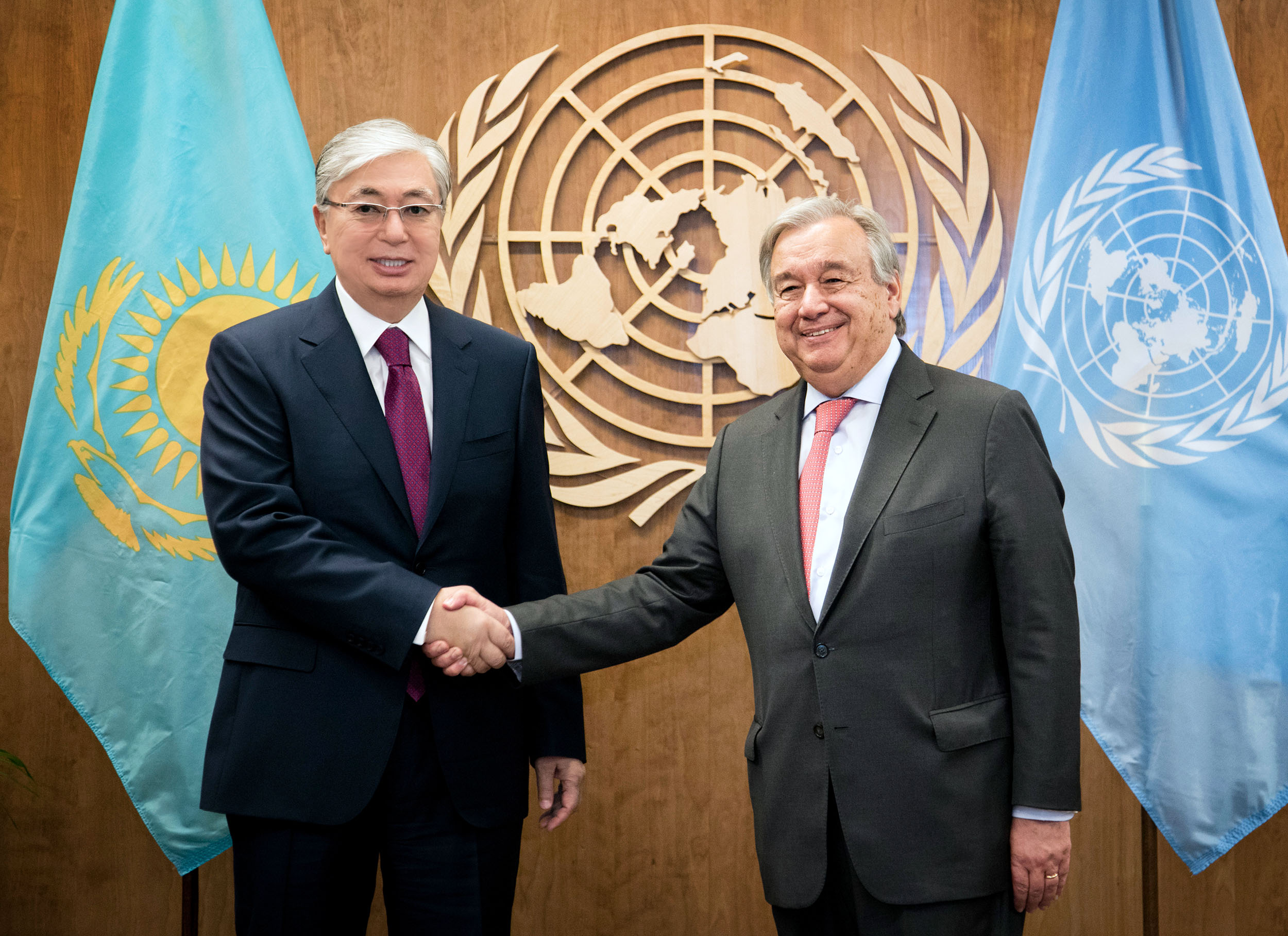
Astana maintains an independent, dialogue-driven approach.
Not an end point – a starting line
2025 showed that Kazakhstan is no longer just adapting to global realities. It is shaping its own place within them.
Whether all agreements will materialize depends on implementation. But one conclusion is clear:
Kazakhstan is steadily becoming a connector, a trusted partner and an increasingly influential middle power.