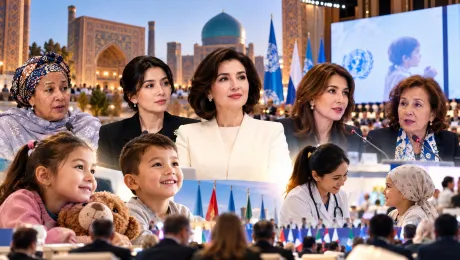
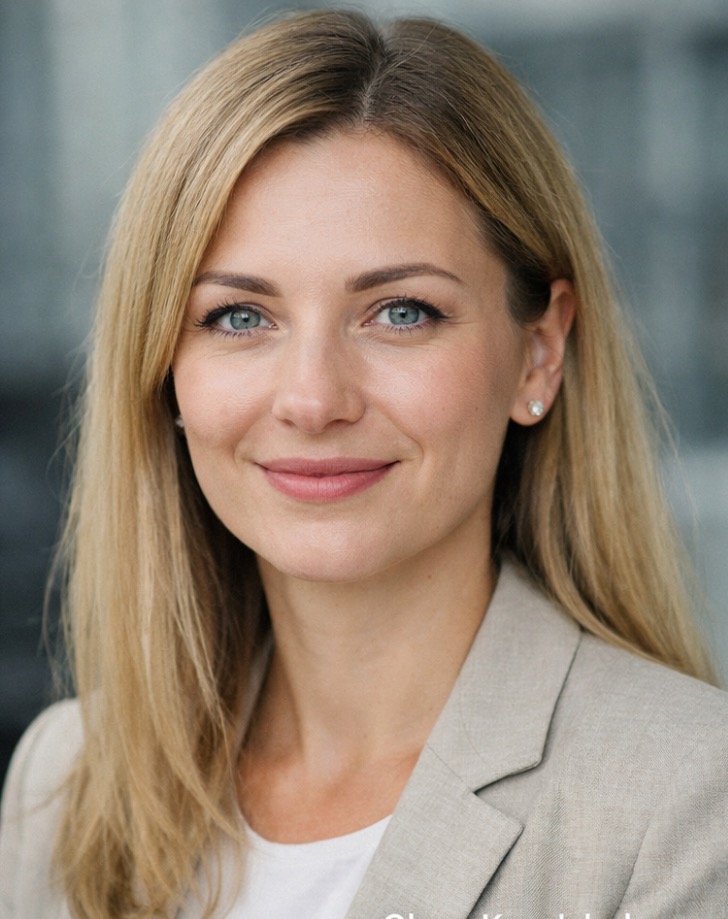

Every year on March 8, the world celebrates International Women’s Day. In Central Asia, however, the story of women goes far beyond a single day of recognition.
It is a story that stretches back centuries—through nomadic traditions, Silk Road trade routes, and the modern transformation of nations that now place women at the center of progress.
In an exclusive conversation, Swedish pracademic and international business strategist Mr. Alex Matrsson reflects on the profound role women have played—and continue to play—in shaping Central Asia’s identity, resilience, and prosperity.
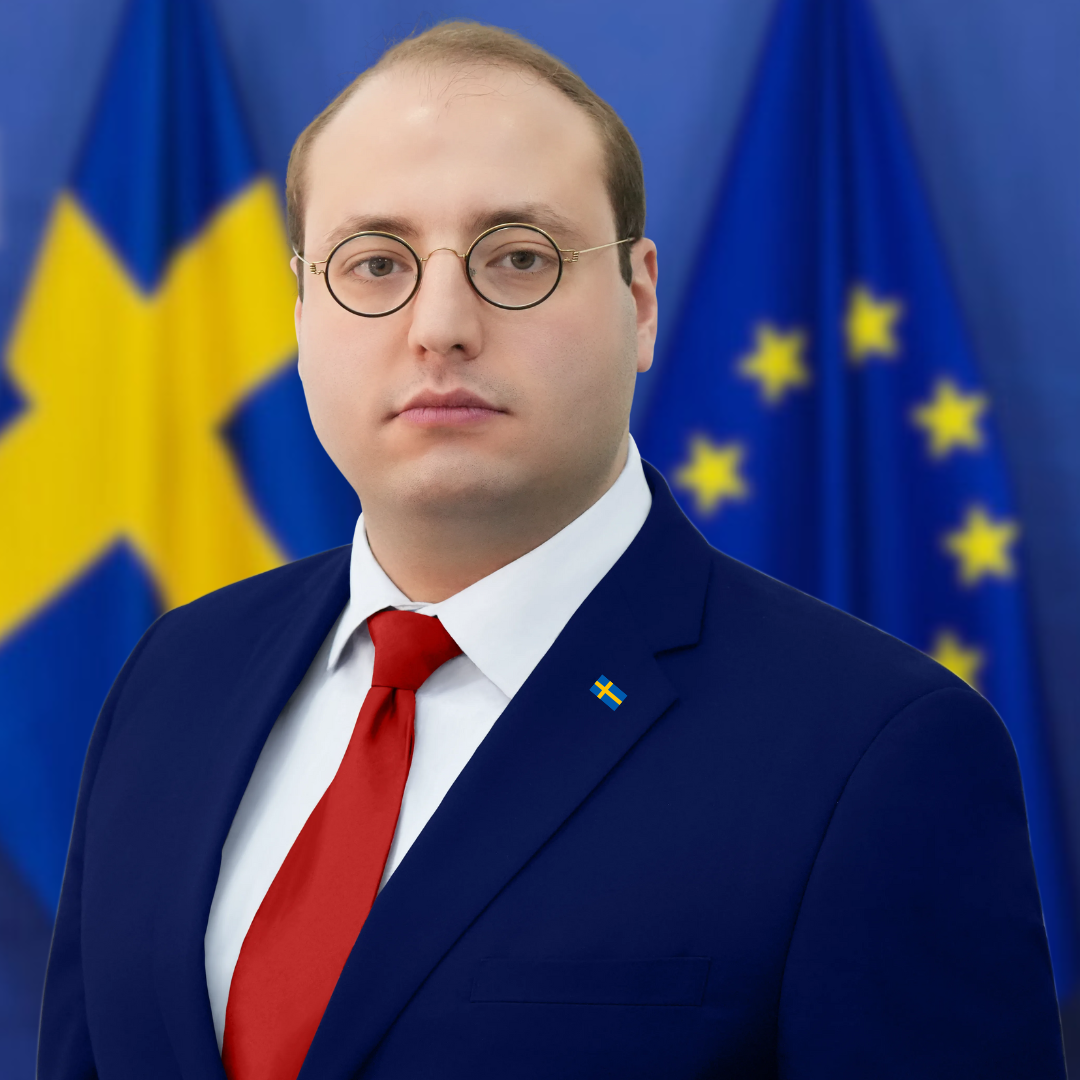
From the Silk Road to the Modern Economy
Central Asia has long been a crossroads of civilizations. For centuries, caravans moved along the Silk Road carrying silk, spices, knowledge, and ideas between East and West. Yet behind these historic exchanges were communities that depended on strong families and social structures—many of which were sustained by women.
According to Mr. Matrsson, women were never passive figures in this story. “Women were the weavers of life in Central Asia,” he explains. In nomadic societies, women preserved oral traditions, passed down cultural knowledge, and managed the practical foundations of daily life. They mastered crafts such as felt-making and textiles, ensured the continuity of families across vast steppes, and maintained social cohesion in communities that were constantly on the move.
Rather than limiting them, these roles gave women authority and influence. They became guardians of culture, stability, and continuity—quiet yet powerful architects of society.
A Legacy Transforming the Present
Today, that historical legacy is evolving into a modern force. Across Central Asia, women are increasingly visible in politics, business, science, and education. Their participation is no longer symbolic—it is structural.
Mr. Matrsson emphasizes that the region is witnessing a transformation where women are not simply participants in development but leaders shaping it.
Universities across Central Asia are seeing growing numbers of female students entering fields ranging from engineering and economics to international relations. In business, women are founding startups, leading investment initiatives, and expanding enterprises that blend traditional craftsmanship with global markets.
This new generation of women is redefining the region’s economic and intellectual landscape.
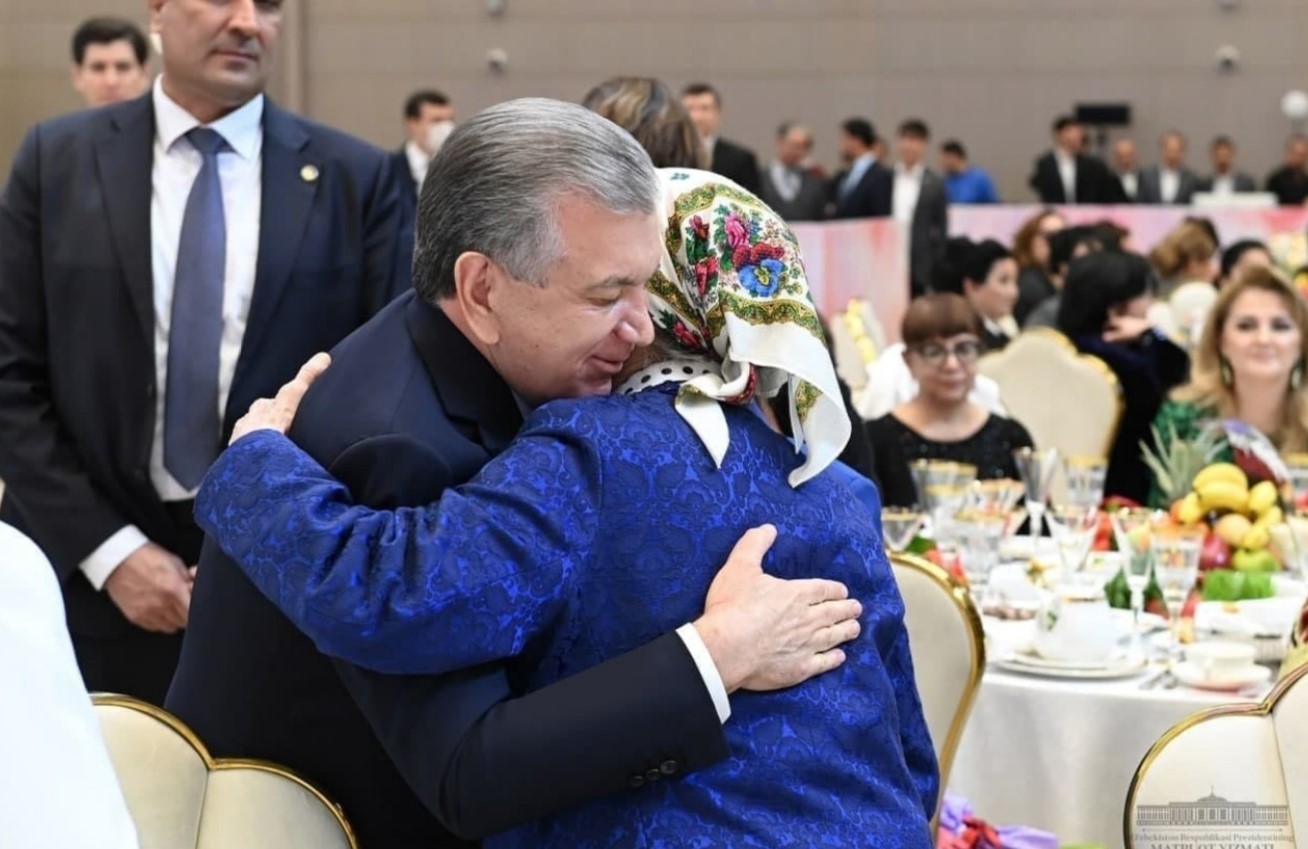
Uzbekistan: Education as the Foundation
In Uzbekistan, Mr. Matrsson asserts, the role of women has become a strategic pillar of national development. President Shavkat Mirziyoyev has repeatedly emphasized that society cannot advance without women and their noble qualities.
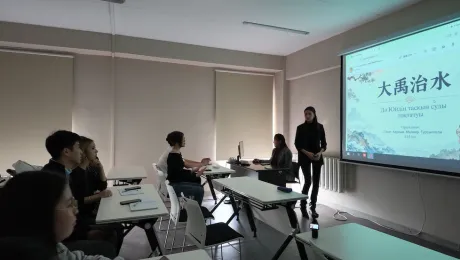
The country’s reforms in education have opened wider pathways for women to access higher education and professional careers. Universities are expanding opportunities for female students, while state programs encourage women to pursue entrepreneurship, research, and leadership roles.
Rather than treating gender equality as an abstract goal, Uzbekistan is integrating it into its long-term development strategy—drawing inspiration from its Silk Road heritage while building a knowledge-driven economy.
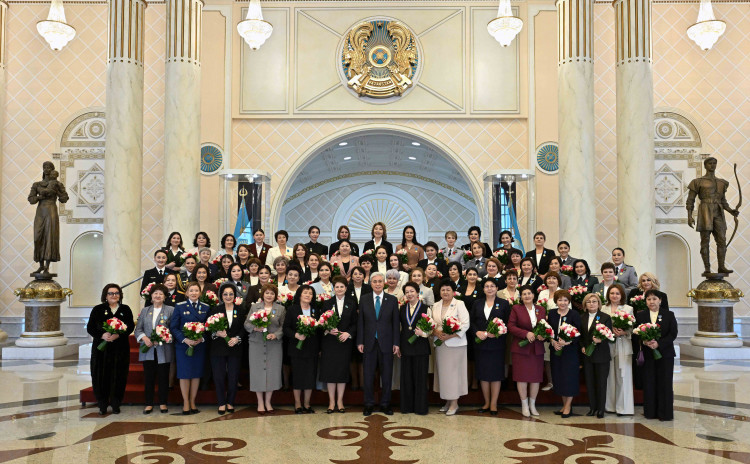 Akorda
Kazakhstan: Women in Leadership
Kazakhstan, Mr. Matrsson observes, is also advancing a modernization agenda that highlights women’s leadership in governance and public life.
President Kassym-Jomart Tokayev has spoken about the unique ability of women to improve and transform society. This philosophy has been reflected in reforms that encourage greater representation of women in political and decision-making processes.
Through constitutional and institutional changes, Kazakhstan is working to strengthen gender balance in public institutions. The result is a governance model where women are increasingly visible in policy development, public administration, and international diplomacy.
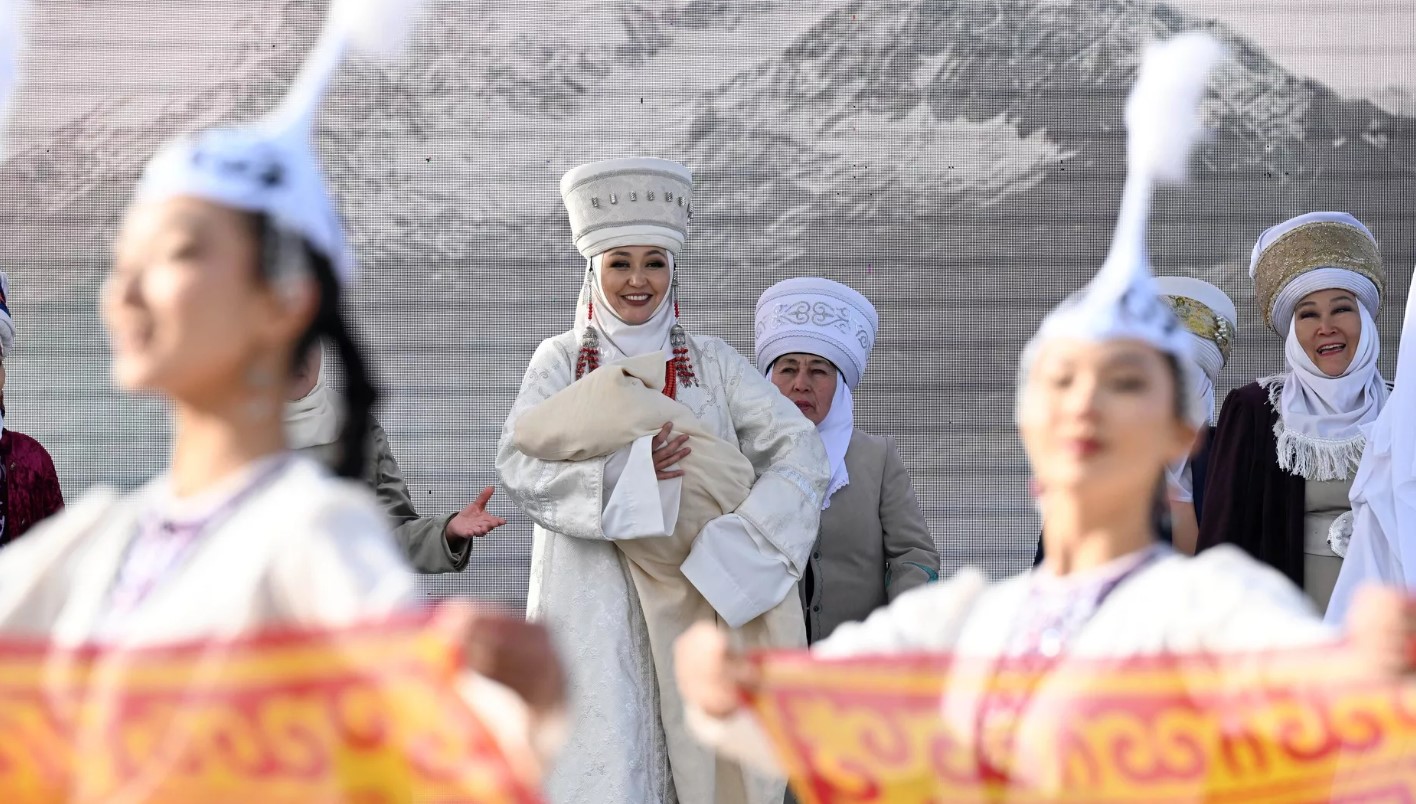 Press Service of the President of the Kyrgyz Republic / Sultan Dosaliev
Kyrgyzstan: Tradition Meets Reform
Mr. Matrsson emphasizes in Kyrgyzstan, respect for women’s role is deeply rooted in cultural traditions. President Sadyr Japarov once emphasized that a mother’s milk is sacred—a powerful metaphor highlighting the moral and social importance of women in society.
At the same time, the country is translating these traditional values into modern governance structures. Gender quotas in public office ensure that women are not only represented but actively involved in shaping national policy.
This blend of cultural respect and institutional reform reflects a broader trend across Central Asia: tradition and modernization are not competing forces, but complementary ones.
The Women Building Tomorrow’s Central Asia
For Mr. Matrsson, Central Asian women stand out on the international stage.
“They are remarkable in every dimension,” he notes.
Women across the region are excelling as university students and researchers, pushing the boundaries of knowledge. They are becoming leaders in higher education, reforming academic institutions and shaping future generations. In business, they are launching companies that combine innovation with heritage.
Many are also emerging as investors and policymakers—introducing new ideas, strategies, and perspectives into economic and political life.
In local communities, national governments, and international organizations, women are helping guide the region toward a more stable and prosperous future.
About Mr. Alex Matrsson
Mr. Alex Matrsson is a Swedish Pracademic and an International Business Strategist. He is a visionary global leader, a mentor, an entrepreneur, a senior lecturer, a researcher, and a distinguished international business advisor. He is the number one International Business Strategy graduate in Sweden. He has extensive experience initiating, running, and managing businesses across the global value chain, as well as working internationally with investors, SMEs, MNCs, government agencies, universities, and multidisciplinary research institutes. Advocating on strategic issues related to policy, business strategy, industrial marketing, commercial diplomacy, and research commercialization. When it comes to higher education, Mr. Matrsson believes in serendipity, innovation, and the power of synergy-making. Therefore, these concepts jointly constitute the springboard for his knowledge dissemination endeavors. He implements a pragmatic approach that is rigorous in nature. He systematically ensures the successful delivery of core business concepts, while simultaneously developing the students' ability to become reflexive thinkers. He aims to enable the students to operationalize their "state-of-the-art" knowledge constructively—so that they can become an invaluable source of prosperity, driving forward the "social" and "economic" well-being for their local communities, their regions, and the larger society, worldwide. His scientific endeavors consolidate around trade promotion, emerging markets, business resilience, and the network approach to internationalization. Mr. Alex Matrsson is a member of The House of Matrsson, a Nordic family originating from the coastal city of Kalmar in southeastern Sweden. Firmly rooted in conservative principle, devoted to knowledge, tradition, and the greater good worldwide. Finally, on a personal level, his wide-ranging interests include blue whales, Arabian horses, classical music, ethical capitalism, religion, culture, the Nordics, the GCC region, and Central Asia—particularly Kazakhstan.