

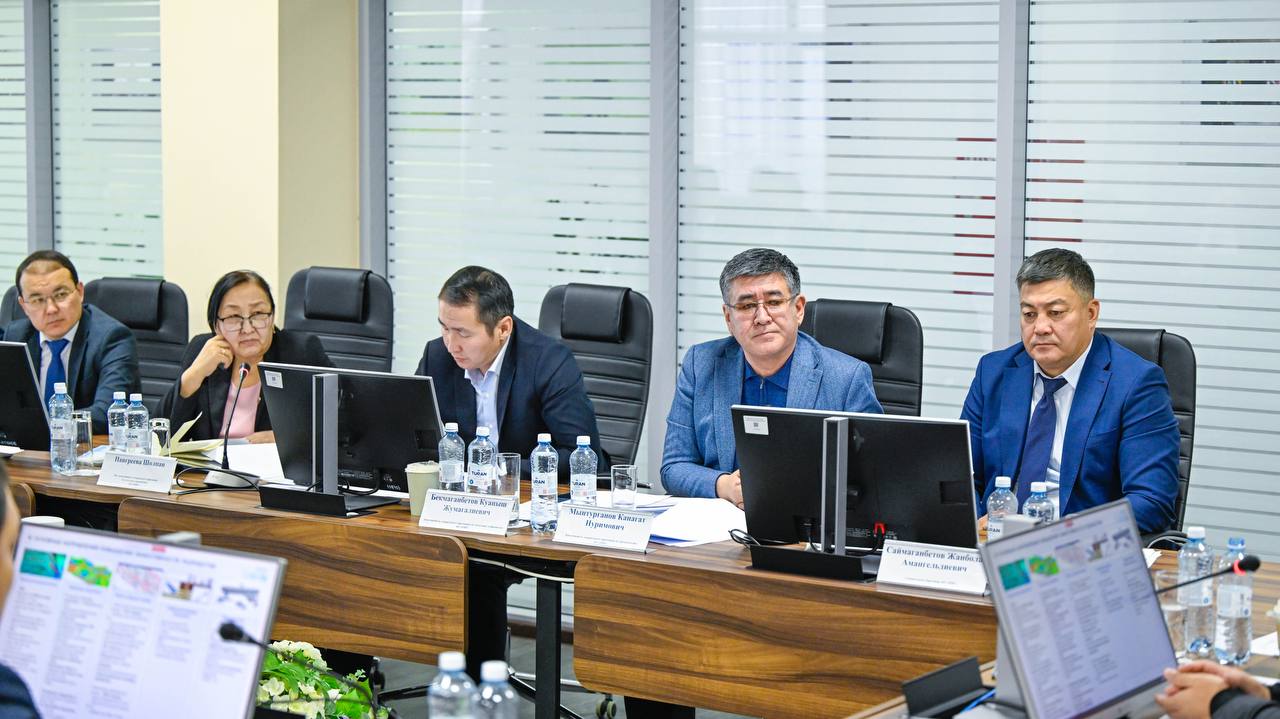
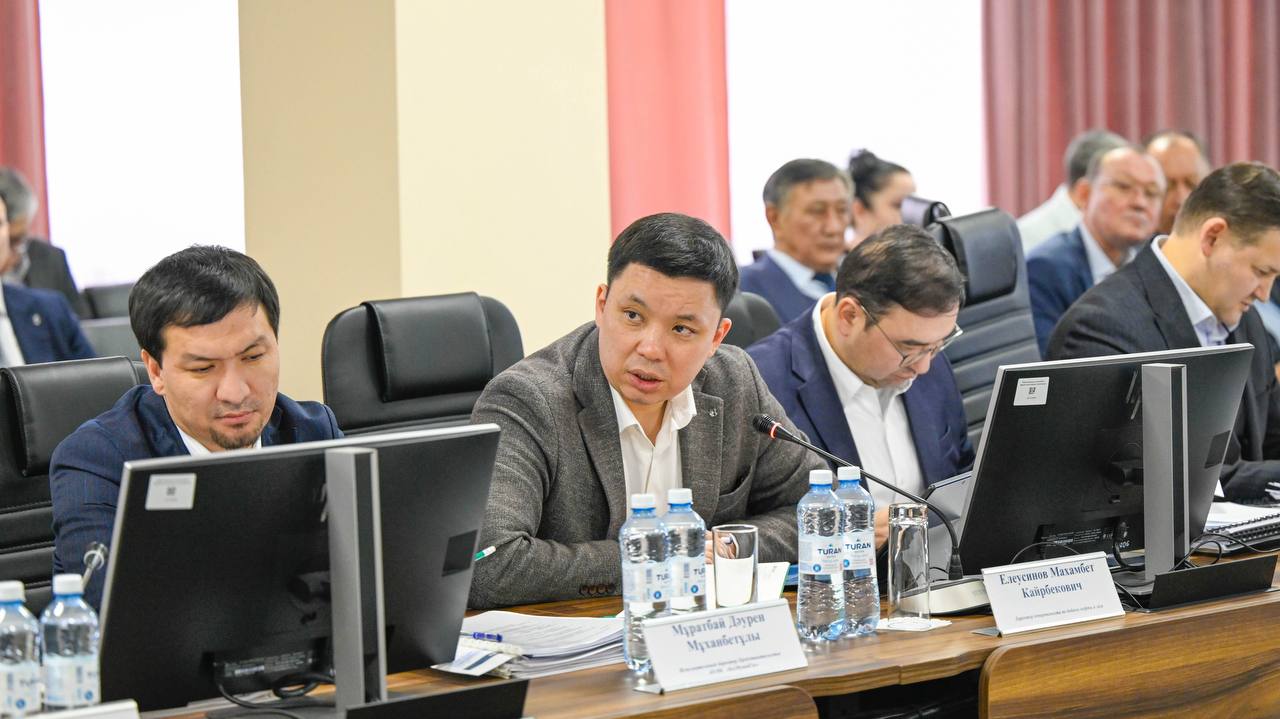
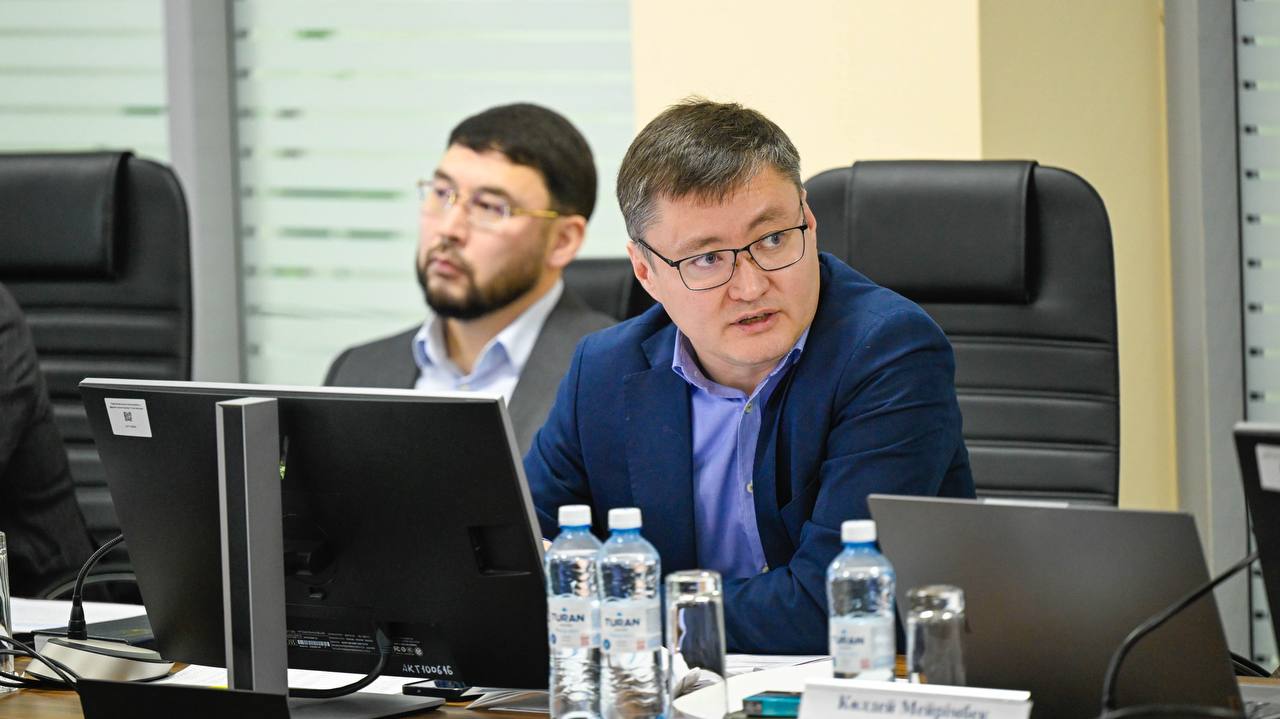
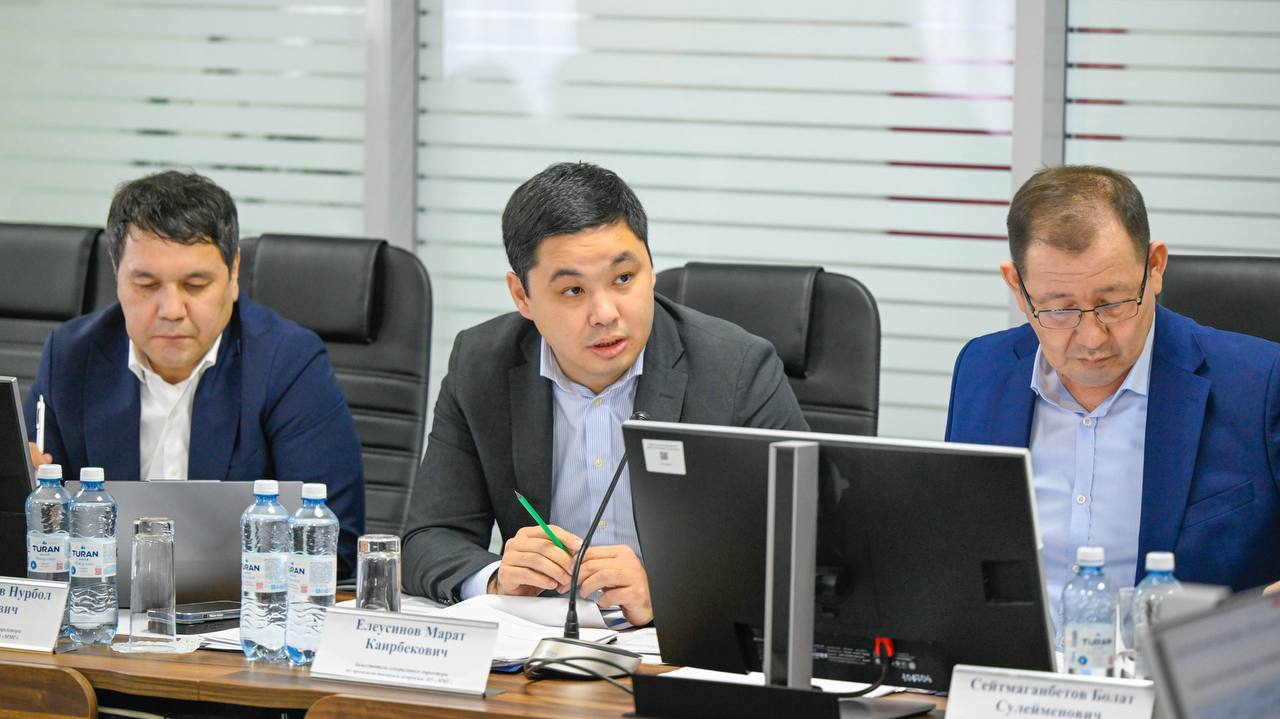
KazMunayGas (KMG) is recalibrating its oil production strategy in the Mangystau region, shifting the focus from simple output growth to efficiency, technology, and long-term sustainability. During a working visit to the region, KMG Chairman Askhat Khasenov held a production meeting with the heads of the company’s key subsidiaries, reviewing current results and outlining priorities for the coming years, DKNews.kz reports.
More Than 13 Million Tons of Oil in 2025
According to preliminary operational data, KMG’s main Mangystau-based producers — OzenMunayGas, MangistauMunayGas, and KarazhanbasMunai — produced a combined 13.3 million tons of oil in 2025.
Breakdown by company:
- OzenMunayGas – 5.1 million tons
- MangistauMunayGas – 6.1 million tons
- KarazhanbasMunai – 2.1 million tons
While the volumes remain substantial, the company acknowledges that many of these fields are mature, requiring a more sophisticated approach to maintain production levels.
Technology for Mature Fields
At OzenMunayGas, work is underway to modernize surface infrastructure and downhole equipment to extend the maintenance-free operating life of wells. KMG has tasked the company with improving waterflood management and introducing new technologies to stabilize and increase output at the Uzen and Karamandybas fields, both of which are in the late stages of development.

New Concept for Zhetybai Satellite Fields
MangistauMunayGas presented a new concept aimed at boosting recovery at the satellite fields of the Zhetybai group. In 2026, the company plans to carry out high-resolution 3D seismic surveys to better define geological structures and improve the accuracy of development decisions.
Karazhanbas Coastal Zone as a Growth Reserve
KarazhanbasMunai reported on plans to develop the coastal zone of the Karazhanbas field, based on the results of recent seismic exploration. The project is expected to support both reserve additions and incremental oil production, reinforcing the field’s long-term potential.
Digitalization and Artificial Intelligence
A separate focus of the meeting was the rollout of digital solutions using artificial intelligence across KMG subsidiaries. These include:
- trip management systems
- the TUMAR industrial safety platform
- electronic work permit systems
KMG also plans to create digital twins of operating fields, enabling more precise production management, improved safety, and reduced operational risks.
Gas Processing Gains Momentum
KMG’s gas segment is also expanding. In 2025, the Kazakh Gas Processing Plant processed 856.4 million cubic meters of raw gas, producing:
- 711.2 million cubic meters of marketable gas
- 204,000 tons of liquefied petroleum gas (LPG)
- 55,400 tons of pentane-hexane fraction
In addition, participants reviewed the progress of a new gas processing plant under construction in Zhanaozen. The project is being implemented by direct instruction of the Head of State and is designed to process up to 900 million cubic meters of natural and associated gas per year.
A Strategic Shift for Mangystau
The discussions highlighted Mangystau’s continued importance as one of Kazakhstan’s core oil and gas regions. However, KMG’s strategy is clearly evolving — from volume-driven growth toward technological modernization, digital management, and deeper gas processing.
For KazMunayGas, maintaining production at mature fields while creating added value through innovation and processing will define the next stage of development in Mangystau.