

People around the world want to be more physically active, but everyday life keeps getting in the way. This is one of the key conclusions of a new global study released following the ninth season of the Dubai Fitness Challenge. The survey, which included more than 10,000 respondents from different countries, highlights a growing gap between the desire to live an active lifestyle and the reality of modern routines, DKNews.kz reports.
The findings form the basis of the first-ever 30x30 Global Fitness Index, offering a snapshot of how uneven physical activity levels are across the world.
A world split between regular exercise and almost none at all
The results reveal a striking contrast. Nearly half of respondents say they exercise at least four times a week. At the same time, one in five admits they struggle to find time for even a single workout.
Most participants say they would like to be more active. However, work, family responsibilities and daily pressures often leave little room for movement.

Time is the biggest obstacle to physical activity
The main barrier identified by the study is lack of time. More than a third of respondents, 36 percent, say work and family commitments prevent them from maintaining their desired level of physical activity.
Motivation is almost as significant a challenge. Around 34 percent admit they find it difficult to stay motivated, even though they understand the health benefits of regular exercise.

Health issues and mobility limitations affect roughly one in four people worldwide. Cost is another major factor: 14 percent say gym memberships, equipment or training fees are too expensive. A further 11 percent point to the lack of safe and convenient spaces to exercise near their homes, highlighting gaps in local infrastructure and access to public fitness areas.

People are ready to change, if fitness becomes more accessible and engaging
Despite these challenges, the survey shows a clear appetite for change. Many respondents believe they would be more active if fitness felt more flexible and inclusive, with a wider range of formats that suit different lifestyles and levels of ability.
Almost one in five say discovering new types of workouts would help them exercise more regularly. Social interaction also matters: 14 percent are motivated by group activities and the opportunity to connect with others. Another 14 percent believe more affordable training options or access to coaches could significantly change their relationship with physical activity.
Dubai Fitness Challenge as a working model
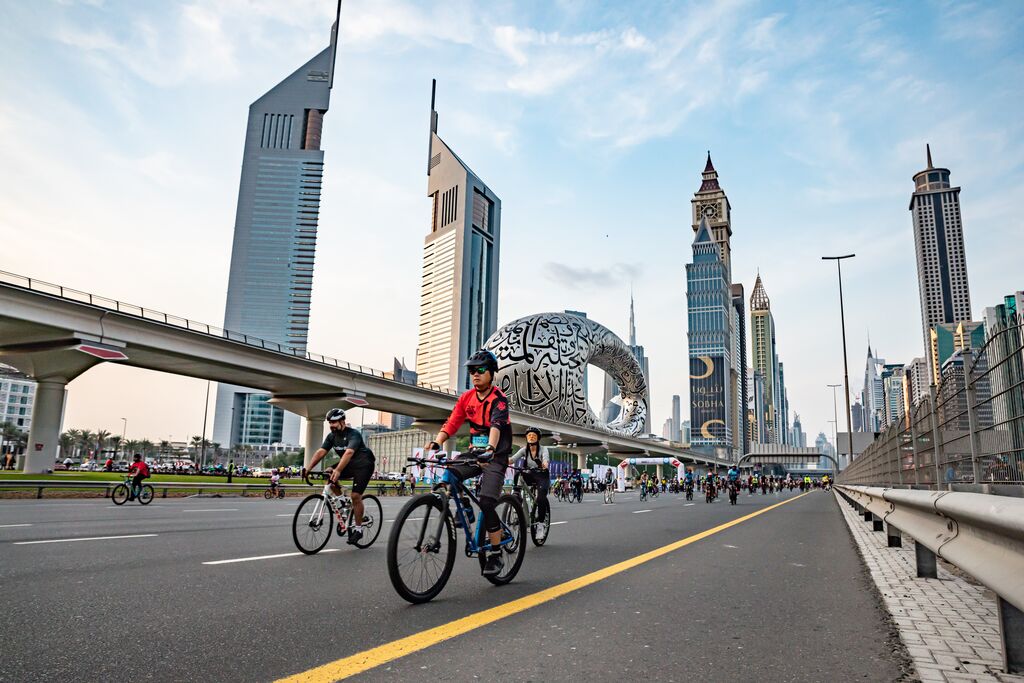
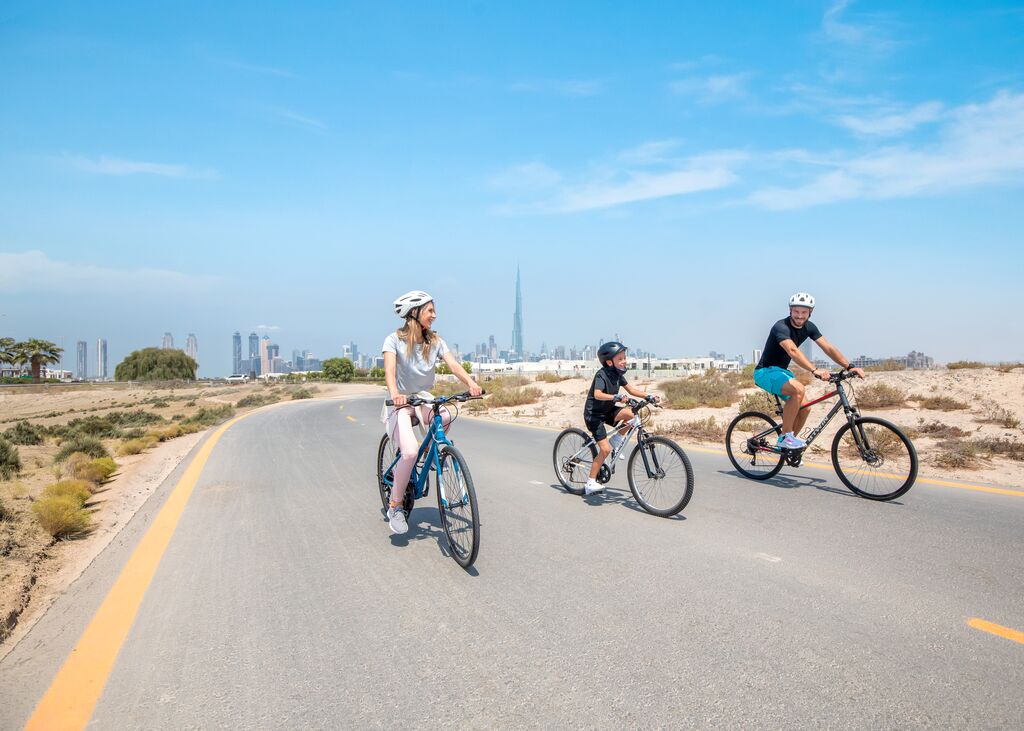
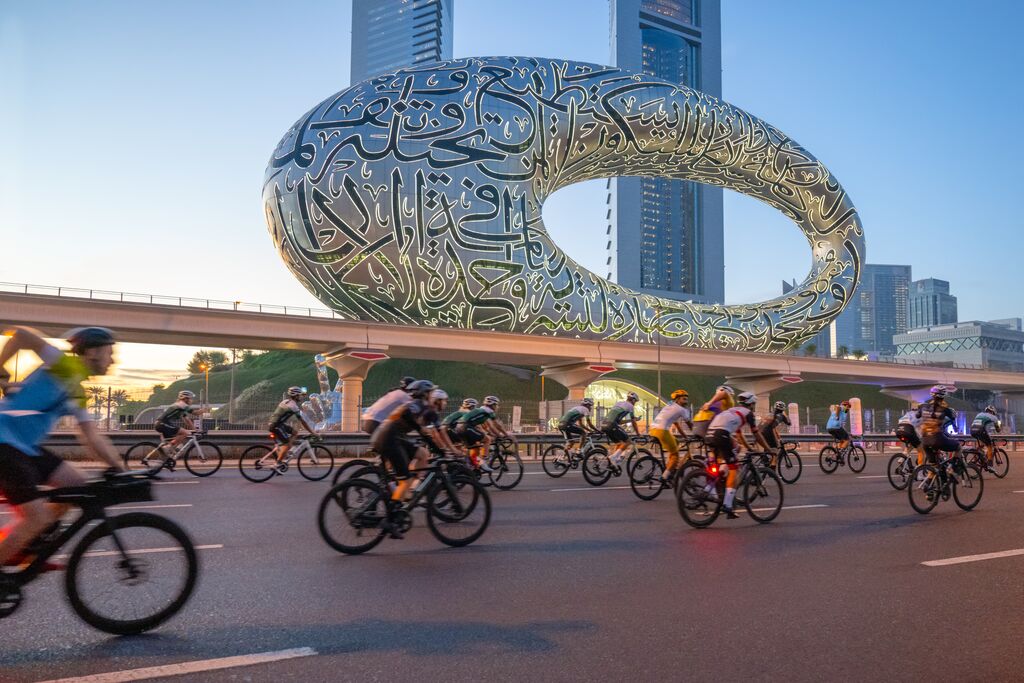
From 1 to 30 November 2025, Dubai Fitness Challenge brought together more than three million participants. The programme featured flagship citywide events such as Dubai Ride, Dubai Run and open-air Dubai Yoga, alongside hundreds of free workouts, community classes and activities across the city.
Launched in 2017 on the initiative of Sheikh Hamdan bin Mohammed bin Rashid Al Maktoum, Crown Prince of Dubai, the challenge is built around a simple idea: 30 minutes of physical activity every day for 30 days. Over time, this concept has evolved into a large-scale urban movement promoting active and healthy living throughout the year.

The UAE among the most active countries in the study
Regional data shows that physical activity levels in the UAE are higher than the global average. More than half of respondents in the country exercise four or more days a week, placing the UAE among the most active markets surveyed.

However, the key barriers remain similar to global trends, with time constraints and motivation topping the list. This underlines the importance of accessible, community-focused initiatives and a year-round approach to supporting healthy lifestyles.
How different countries approach physical activity
In the United Kingdom, one of the highest levels of regular physical activity was recorded, with 52 percent exercising several times a week. At the same time, the UK also has the highest share of respondents who say nothing could motivate them to be more active.
In Germany, time pressure is the dominant issue. Around 41 percent cite lack of time as their main barrier. There is also strong demand for employer support and affordable, well-structured fitness programmes, along with growing interest in activity formats that combine movement with recovery and relaxation.
In the United States, motivation is the leading challenge, mentioned by 37 percent of respondents. The country also shows strong interest in new and unconventional forms of physical activity, as well as the highest proportion of people who do not take holidays at all.
Australia records the lowest level of regular physical activity among the countries surveyed, at 40 percent. Motivation is again the main obstacle, while interest in wellness experiences that blend relaxation with movement is particularly high.
Turning movement into a daily habit
Ahead of its milestone tenth season in 2026, Dubai Fitness Challenge is expanding its global ambitions. Through the #MoveWithDubai initiative, cities, organisations and individuals around the world are invited to embrace the idea of “30 minutes of activity for 30 days” as a universal habit of healthy living.
The message from the study is clear. People want to move more. The challenge now is creating environments, opportunities and routines that make physical activity a natural part of everyday life.