

The situation around the Gaza Strip may be entering a new phase. At the first meeting of the Peace Council in Washington, discussions focused on the creation of the International Stabilization Forces (ISF) - a mission intended to combine military and civilian resources from multiple countries to restore security and support governance in the post-conflict region. Kazakhstan is among the states that have expressed readiness to participate, DKNews.kz reports.
The potential involvement of several countries was announced by the mission’s commander, U.S. Major General Jasper Jeffers.
“The first five countries have agreed to send troops to serve within the International Stabilization Forces - Indonesia, Morocco, Kazakhstan, Kosovo and Albania. Two countries - Egypt and Jordan - have committed to training the police”
Tokayev’s statement: troops, medics and observers
Kazakhstan’s position was outlined by President Kassym-Jomart Tokayev, who said the country is prepared to support the mission not only with military units, but also with medical personnel and observers.
"Kazakhstan is ready to support the international stabilization forces by sending military units, including medical personnel, as well as observers to the Civil-Military Coordination Center (CMCC). Sustainable development in the Middle East requires new approaches to promoting peace, cooperation and trust across the region. That is why Kazakhstan joined the Abraham Accords. This important step fully aligns with the noble mission of the Peace Council," he said.
The president added that such measures could serve as a foundation for broader collective efforts aimed at strengthening security in the Middle East.
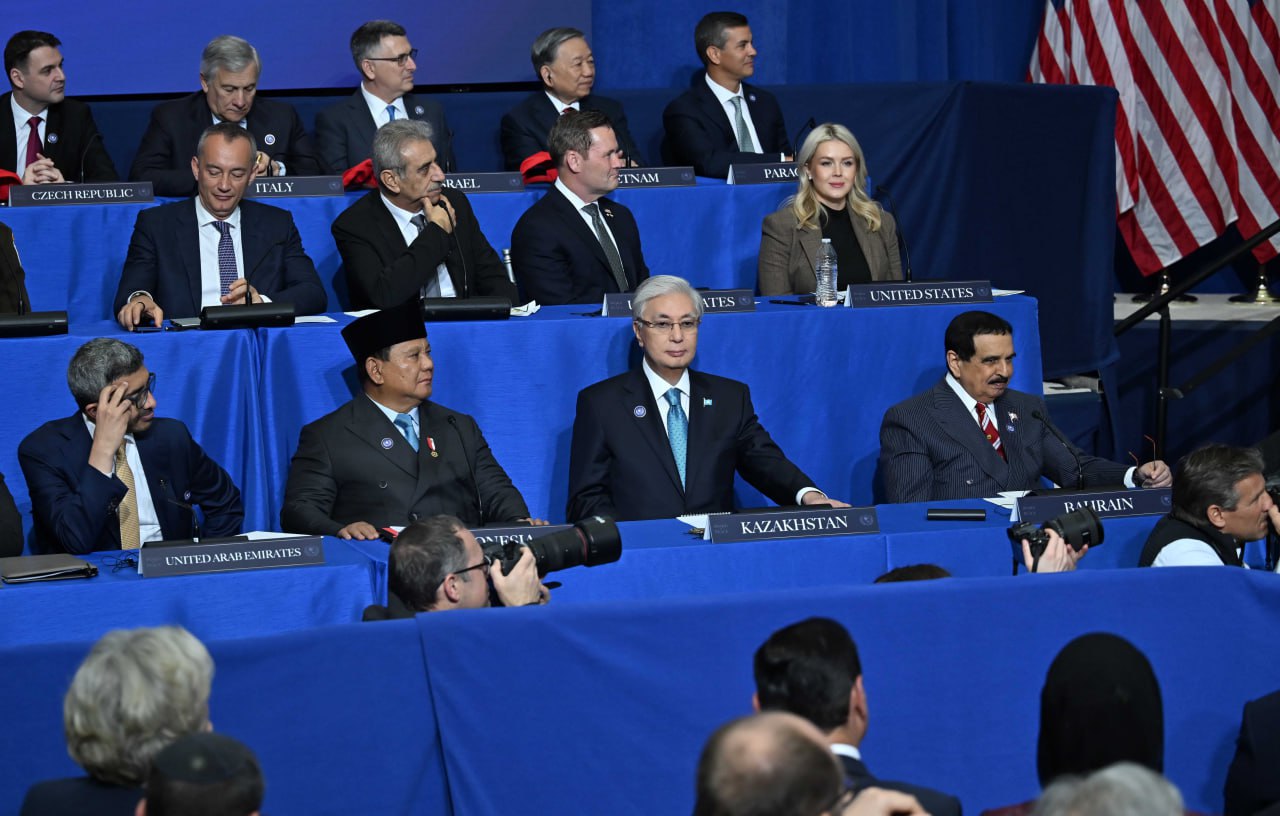
"These steps could form a solid basis for joint efforts to achieve security in the Middle East"
A new model for stabilizing Gaza
The initiative to establish the International Stabilization Forces is being discussed within the framework of a U.S. plan to ensure security and support reconstruction in Gaza after prolonged conflict. The mission is expected to combine military personnel, police trainers, humanitarian specialists and international organizations.
Its primary goal is to restore order, strengthen local security institutions and create conditions for normal civilian life.
How the mission could operate
According to the proposed framework, Israeli security forces would initially deploy in Rafah in southern Gaza to begin training local police. The mission would then expand “sector by sector.”
Operational coordination will be led by an international command headed by Major General Jasper Jeffers. Under his leadership, the mission is expected to organize troop deployments, coordinate participating countries, integrate military and civilian components, and oversee the training of local security forces.
In the long term, plans include the deployment of up to 20,000 security personnel and the training of around 12,000 police officers, highlighting the scale and strategic significance of the initiative.
The role of other countries
In addition to Kazakhstan, Albania, Indonesia, Kosovo and Morocco have signaled readiness to contribute troops. Egypt and Jordan are expected to focus on police training, while Italy has expressed willingness to assist with training efforts without deploying troops.
A military base as the mission’s hub
As part of the initiative, the construction of a major military base in southern Gaza is also under consideration. The facility, covering about 140 hectares, could serve as the operational hub for the mission and accommodate up to 5,000 personnel. Western media reports indicate that a preliminary assessment of the site has already been conducted.
The Peace Council and political context
The mission is closely linked to the activities of the Peace Council - a new international platform aimed at supporting stabilization efforts in Gaza and preventing future conflicts.
On January 22, representatives of 19 countries signed the Council’s charter on the sidelines of the World Economic Forum in Davos, with additional states joining afterward.
The Peace Council was created in accordance with agreements between Israel and the Palestinian movement Hamas regarding post-war governance in Gaza. Its mandate is also expected to extend to conflict prevention in other regions.
What it means for Kazakhstan
For Kazakhstan, participation in the mission could represent a significant foreign policy step. The country has prior experience in UN peacekeeping operations and has long positioned itself as a supporter of diplomacy and multilateral cooperation.
However, details such as troop numbers, timelines and the precise format of participation remain under discussion. Experts emphasize that decisions of this nature require careful consideration of legal frameworks, security risks and international agreements.
A mission that could shape the region’s future
The International Stabilization Forces are viewed as a potential cornerstone of Gaza’s future security architecture. Effective cooperation among participating countries will be critical to achieving long-term stability in the region.
Although the initiative is still in its formative stage, it reflects a broader international effort to address one of the world’s most complex conflicts collectively. For Kazakhstan, potential involvement would signal its readiness to play a more active role in global peace and security initiatives.