
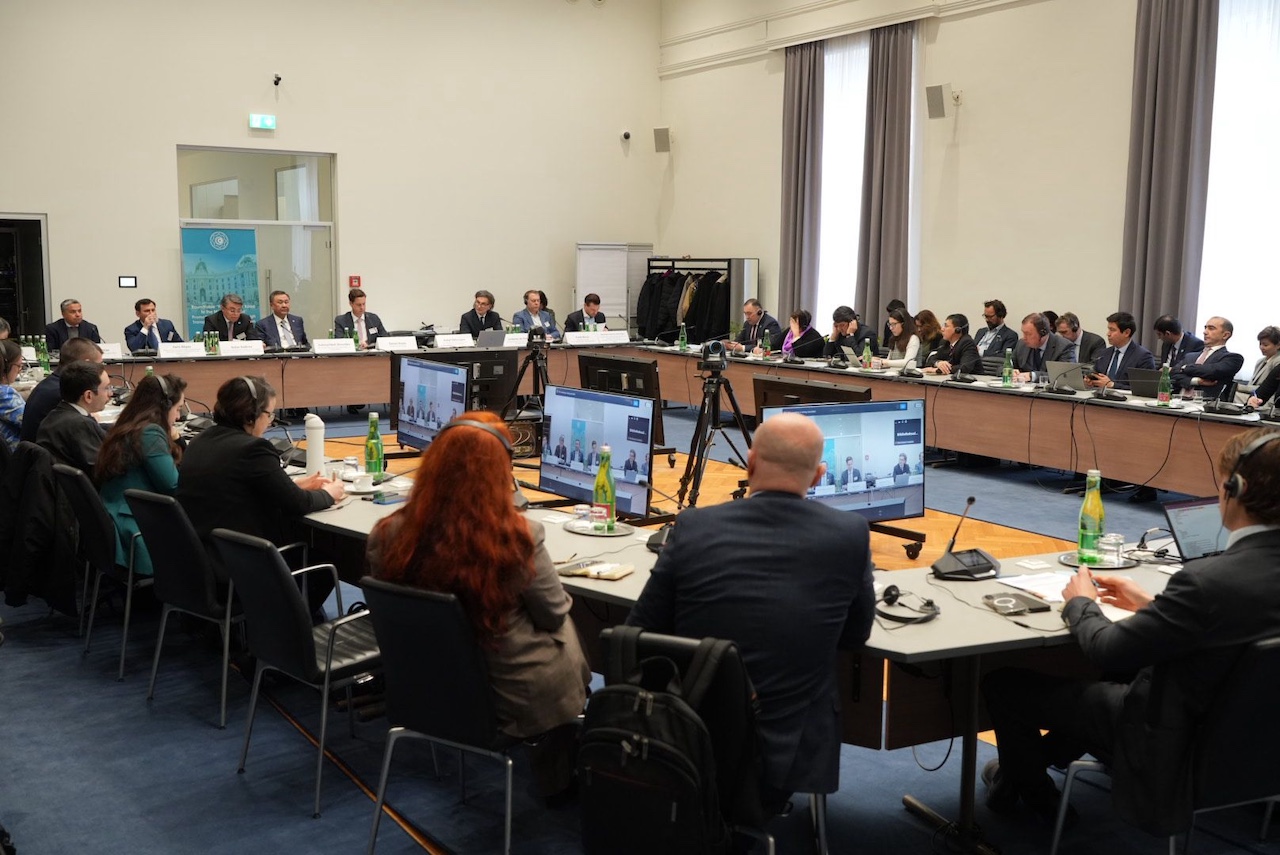
Vienna once again found itself at the crossroads of global dialogue. On 13 January 2026, the historic Bibliotheksaal of the OSCE Hofburg hosted a high-level round table dedicated to one of Eurasia’s most discussed logistics routes – the Middle Corridor. The event took place within the framework of the Turkic Week in Vienna, organized by the Organization of Turkic States (OTS), DKNews.kz reports.
The discussion, titled “From the Silk Road to the Middle Corridor: Promoting Connectivity through Transport and Trade Facilitation”, brought together diplomats, government officials, international organizations, and business representatives to talk not about theory, but about real routes, real cargo flows, and real economic opportunities.
Connectivity as a new pillar of stability
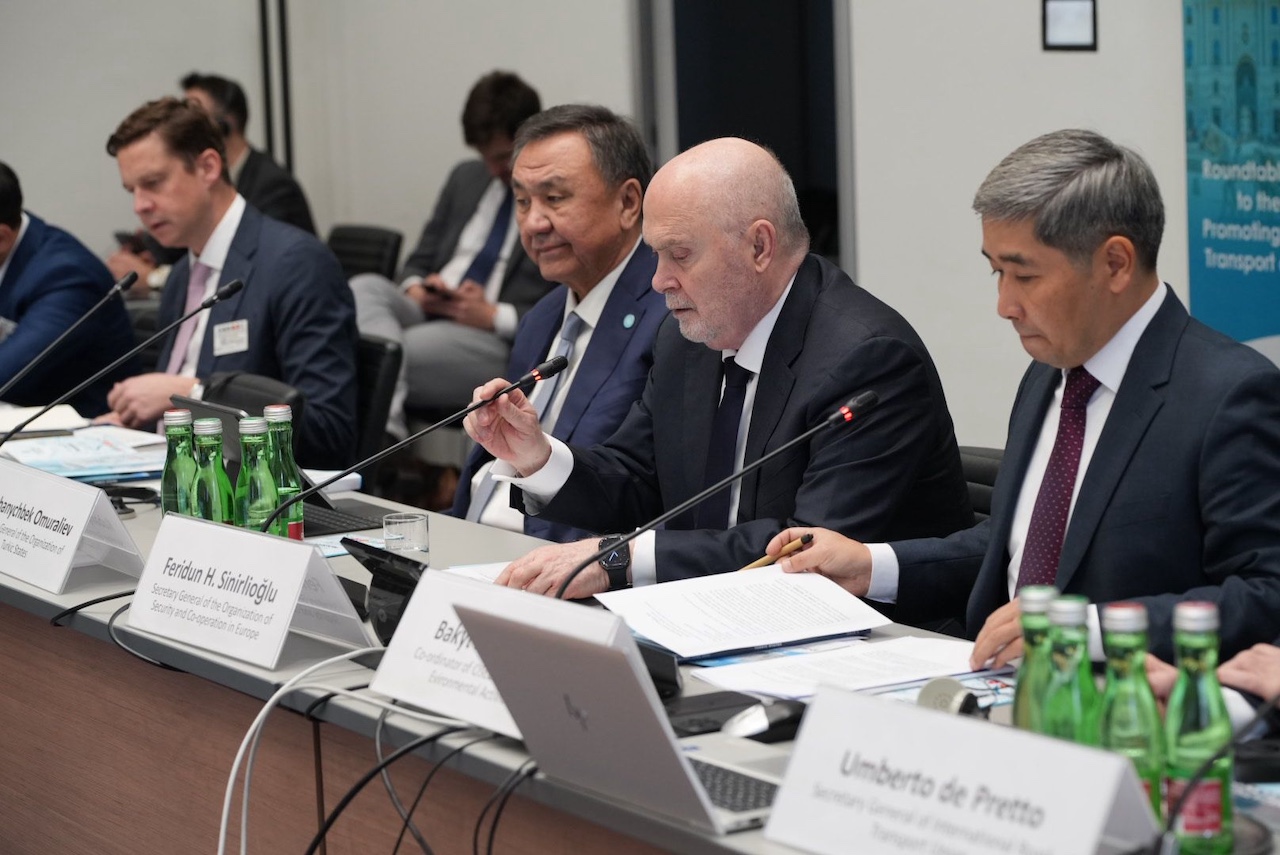
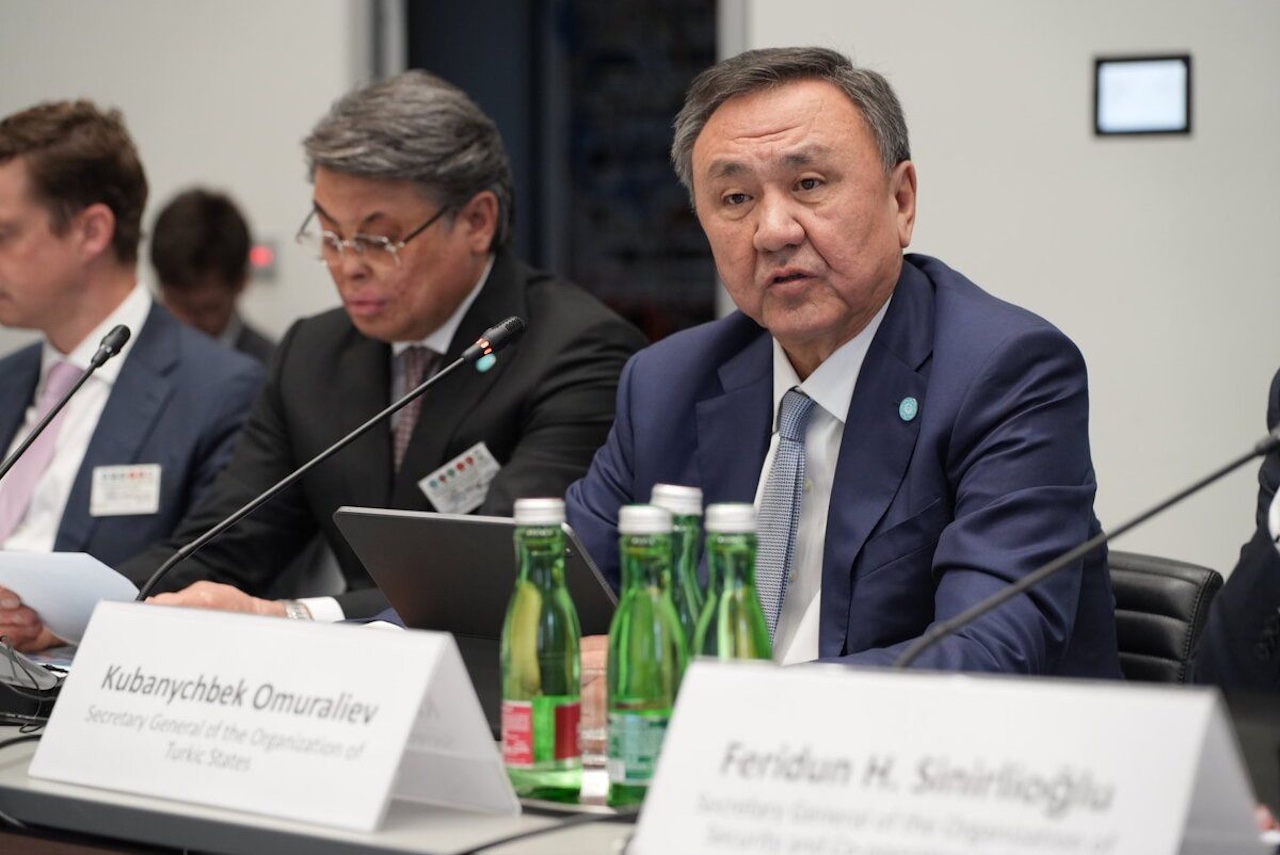
The round table opened with remarks by OSCE Secretary General Feridun H. Sinirlioğlu and OTS Secretary General Ambassador Kubanychbek Omuraliev. Both speakers emphasized that transport connectivity and trade facilitation are no longer technical issues reserved for logistics experts. Today, they are strategic tools for strengthening regional cooperation, economic resilience, and sustainable development across Eurasia.
In a world where global supply chains are under constant pressure, reliable and diversified transport routes are becoming a matter of economic security. The Middle Corridor, running from Asia to Europe through the Turkic region, is increasingly seen as part of the solution.
A modern continuation of the Silk Road
The discussion was moderated by Ambassador Bakyt Dzhusupov, OSCE Co-ordinator of Economic and Environmental Activities. He framed the conversation around a simple but powerful idea: transport corridors are not just lines on a map. They are instruments of integration, trust, and multilateral cooperation.
A keynote address was delivered by Umberto de Pretto, Secretary General of the International Road Transport Union (IRU). He spoke about global trends in international road transport, the accelerating role of digitalization, and the growing importance of public–private cooperation. According to de Pretto, efficiency along international corridors depends not only on infrastructure, but also on smart regulation, digital tools, and close coordination between governments and business.
Voices from the region and beyond
The round table featured a broad range of perspectives from across the Turkic region and international institutions. Among the speakers were senior officials and experts from Azerbaijan, Kazakhstan, Kyrgyzstan, Türkiye, and Uzbekistan, as well as representatives of the World Bank and Hamburg Port Consulting.
Kazakhstan’s role drew particular attention. As a key transit country at the heart of Eurasia, Kazakhstan is a central pillar of the Middle Corridor. Dr. Alexander Andreas Schierhuber, Independent Director and Board Member of Kazakhstan Temir Zholy and Honorary Consul of Kazakhstan in Lower Austria, highlighted the importance of rail connectivity, multimodal solutions, and international cooperation in unlocking the corridor’s full potential.
Experts agreed that the success of the Middle Corridor depends on coordination along its entire length – from border procedures and customs digitalization to ports, railways, and logistics hubs.
What the OTS is doing in practice
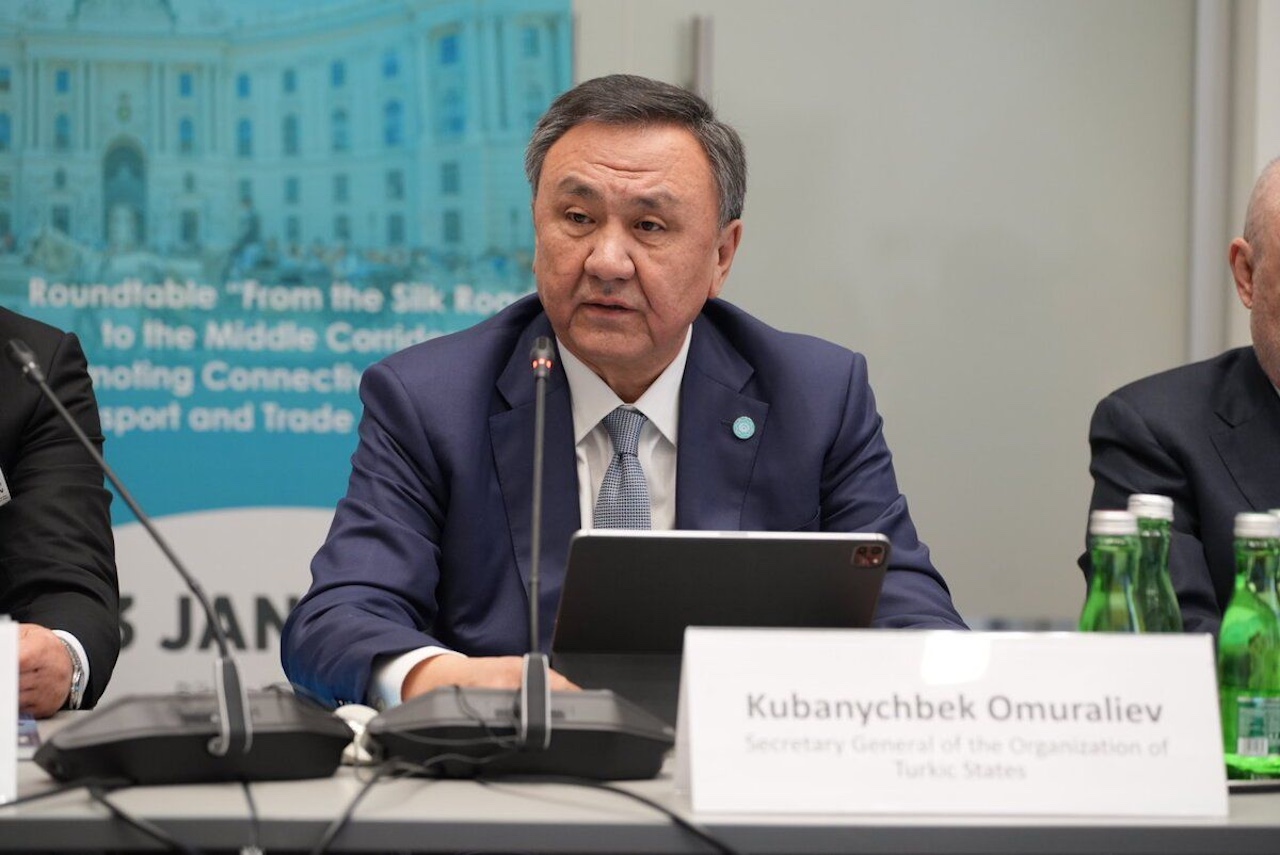
In his address, OTS Secretary General Kubanychbek Omuraliev underlined that the Middle Corridor has already emerged as a strategically important East–West transport route linking Asia and Europe through the Turkic region. He described it as a modern continuation of the historic Silk Road, adapted to the realities of the 21st century.
Importantly, Omuraliev focused on concrete actions rather than declarations. These include the digitalization of transport and customs procedures, efforts to improve border-crossing efficiency, the development of multimodal transport hubs, and stronger cooperation between public authorities and the private sector. A key role in this process is played by OTS-affiliated mechanisms such as the Alliance of Logistics Centers and Cargo Carriers of the Turkic States.
More than a discussion
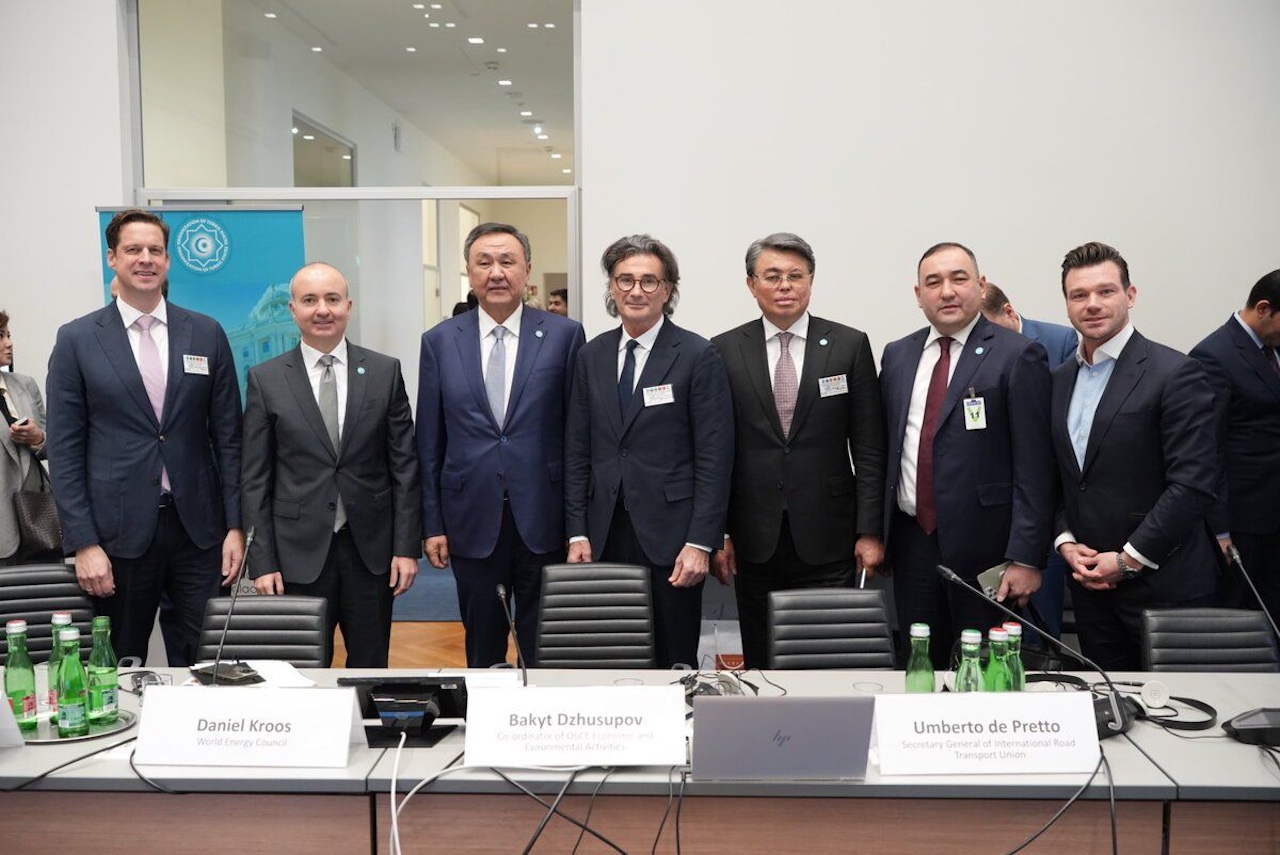
The round table brought together members of the diplomatic corps, Austrian public authorities, business representatives, and Heads of Diplomatic Missions of OTS Member States and Observers. This diversity turned the event into an open and inclusive platform for dialogue, where regional ambitions met global expertise.
The discussions continued informally during a reception held in the foyer of the Bibliotheksaal. As participants exchanged views and contacts, one message became clear: the Middle Corridor is no longer just a concept. It is steadily turning into a strategic artery of Eurasia.
Vienna’s conversation showed that for the Turkic states, the Middle Corridor is not only about transit revenues. It is about integration, resilience, and a shared vision of connectivity that links continents, economies, and people – much like the Silk Road once did, but on a modern, digital, and far more complex scale.