
Kazakhstan’s Government has uncovered widespread and systemic violations in the financing of medical organizations under the country’s Mandatory Social Health Insurance (MSHI) system. The findings reveal that billions of tenge failed to reach real patients, while fictitious services, double financing schemes and data manipulation became deeply embedded in the system, DKNews.kz reports.
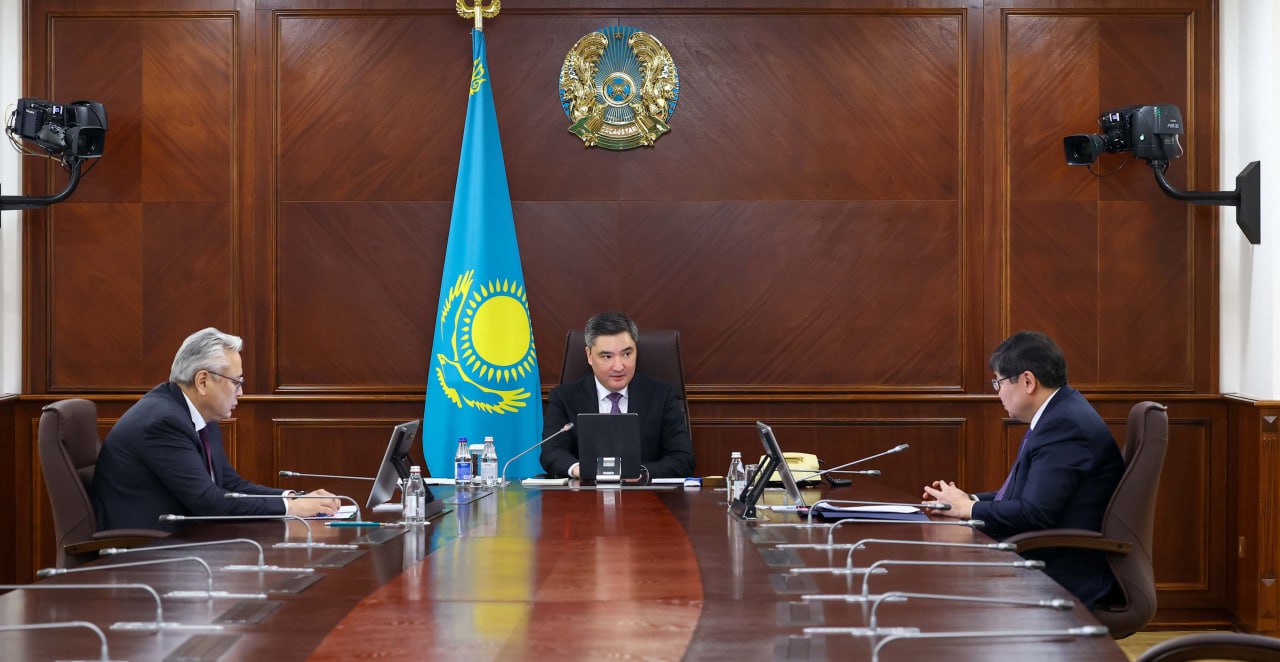
Following the audit, Prime Minister Olzhas Bektenov ordered that the Social Health Insurance Fund (SHIF) be transferred under the authority of the Ministry of Finance, marking one of the most significant governance changes in Kazakhstan’s healthcare financing system in recent years.
Spending Increased, Outcomes Did Not
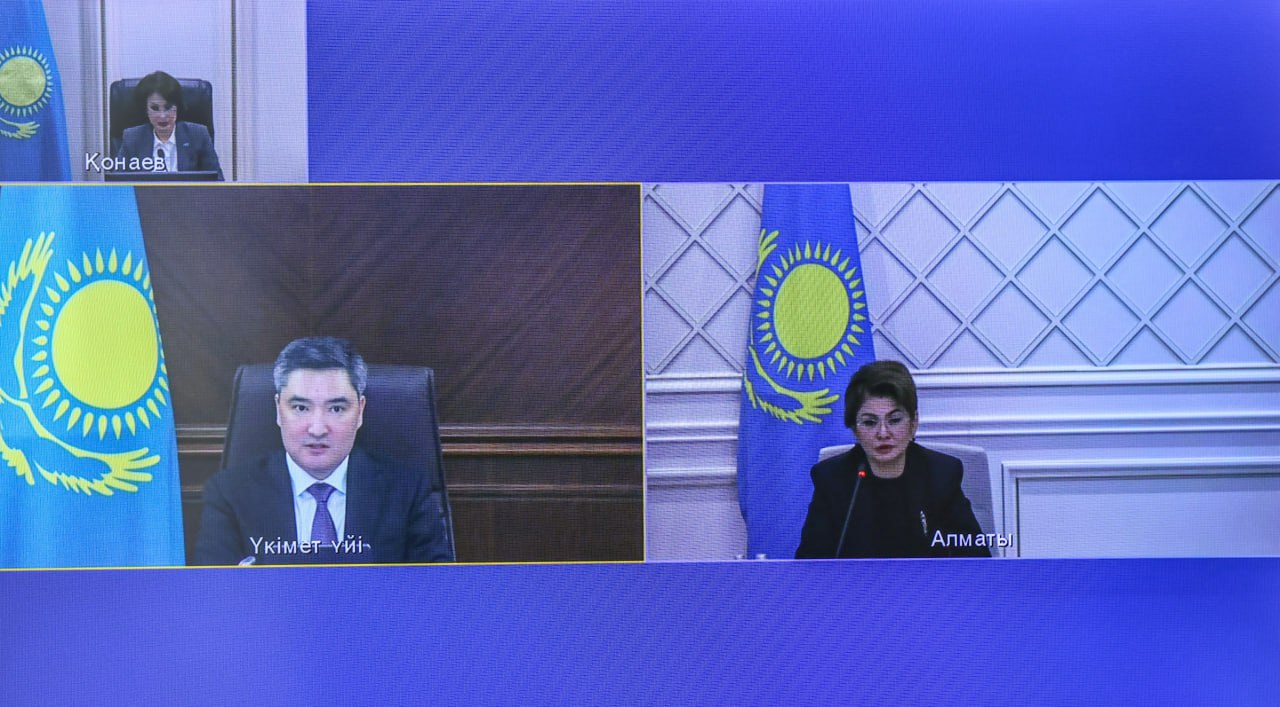
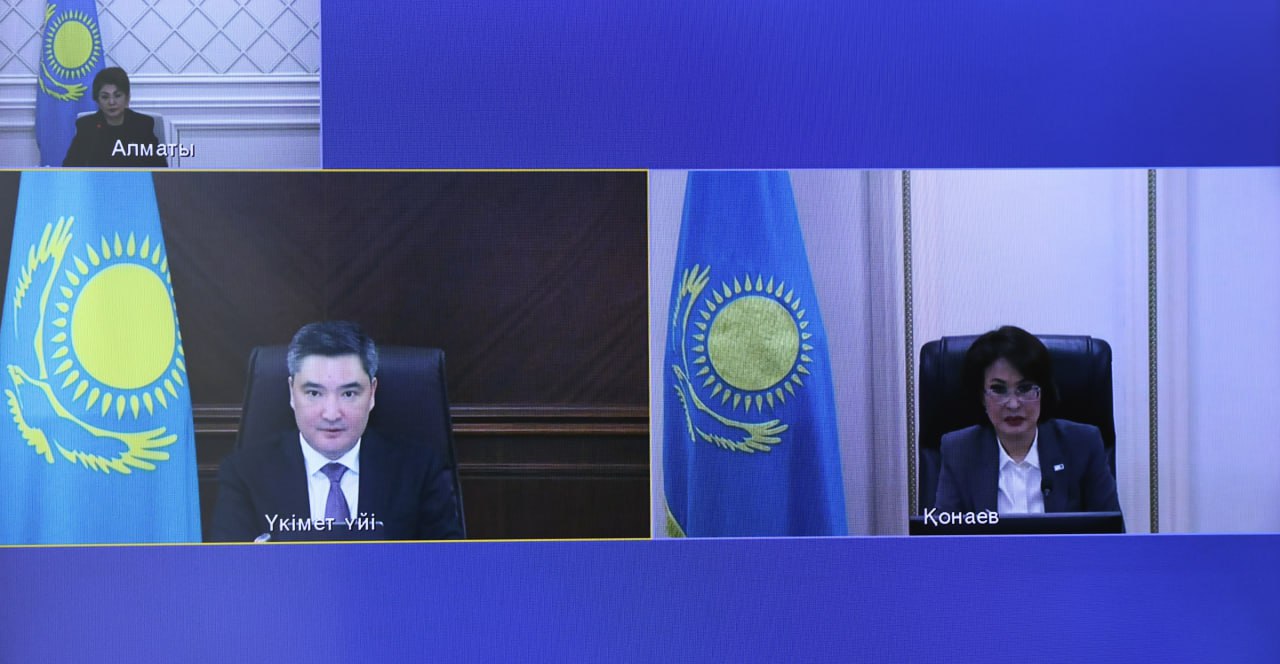
The review was conducted as part of the President’s instructions to strengthen budget discipline and ensure more effective use of public funds. On December 18, 2025, Prime Minister Bektenov tasked the Ministry of Finance with conducting a comprehensive analysis of SHIF’s operations.
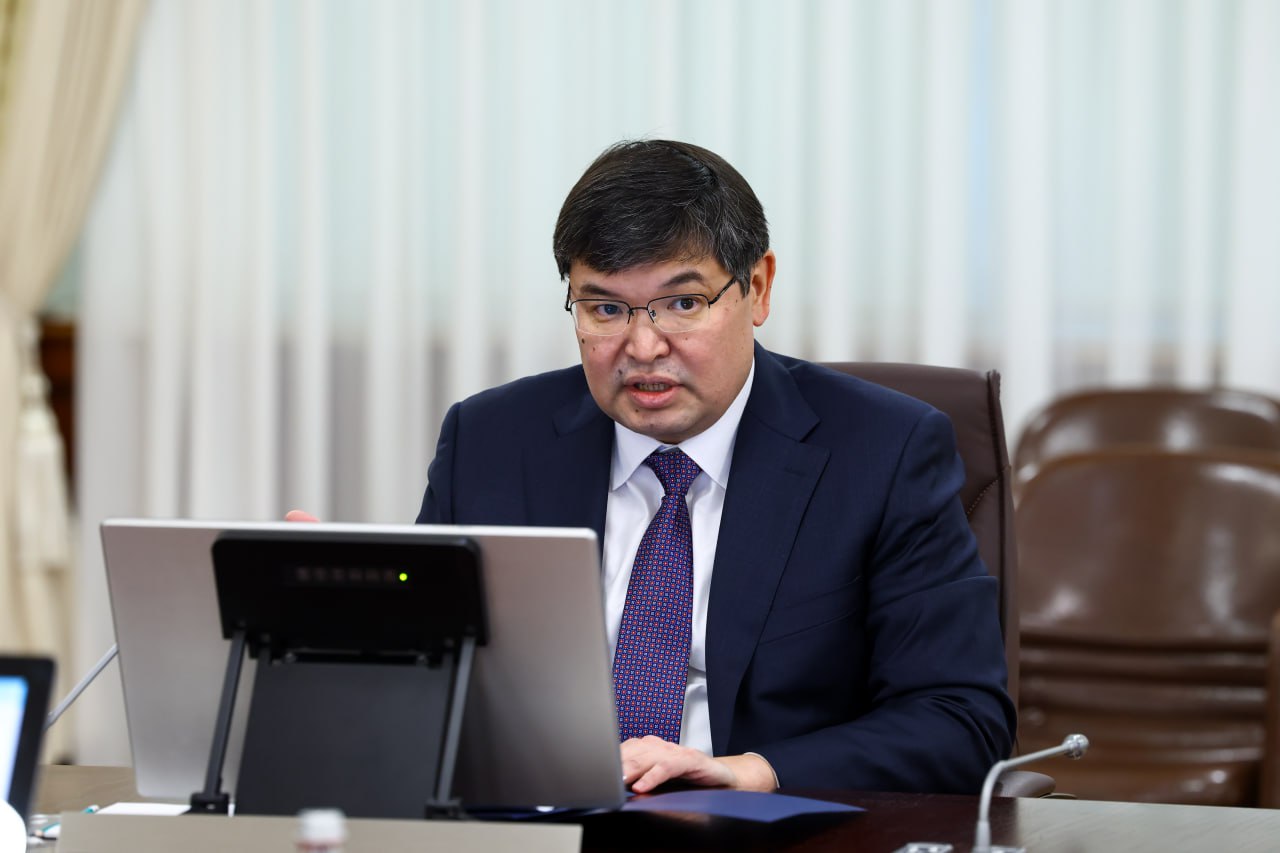
According to Finance Minister Madi Takiyev, healthcare spending through the MSHI system has grown substantially, yet efficiency has not followed. In 2026, expenditures allocated through MSHI are expected to reach 2.4 trillion tenge, which is 1 trillion tenge more than in 2020.
At the same time, SHIF accumulated 588 billion tenge in investment income since 2020, including 195.9 billion tenge in 2025 alone. The analysis showed that a significant portion of these funds remained concentrated in the Fund’s financial assets rather than being directed toward actual medical services for citizens.
IT Audit Exposed Systemic Abuse
An IT audit of healthcare service information systems conducted by the Ministry of Finance revealed that the violations were not isolated incidents, but systemic problems.
Key findings included:
- fictitious patient registrations, where medical organizations received payments for a registered population of 1,000 people while only around 500 actually sought medical care;
- medical services recorded for patients that were inconsistent with their gender or medical condition;
- double financing of the same services through both MSHI funds and employers’ voluntary health insurance programs;
- abnormally high volumes of medical services provided within unrealistically short timeframes;
- medical services registered for deceased patients;
- thousands of medications prescribed to children within a single day.
Extreme Case Numbers Raised Serious Questions
The Ministry of Finance presented concrete examples uncovered during the audit.
In one private clinic in Astana, a single doctor was recorded as having treated 1,442 patients in one day, despite standard medical norms allowing for no more than 24 patients per day during a six-hour shift. In the same clinic, another doctor treated 4,832 patients in one month.
In a separate case, one specialist recorded 1,713 treated cases in a single month, including days with 300–400 examinations per day.
Particularly alarming were records involving deceased patients. The audit identified 3,640 cases of medical services provided to 996 deceased individuals, including instances where patients who died in 2023 were recorded as receiving medical services in 2025.
Men Screened for Cervical Cancer
Serious irregularities were also found in preventive screening programs. A total of 769,446 screening cases worth 1.8 billion tenge did not correspond to patients’ gender.
According to audit data:
- 768,827 men were recorded as having undergone cervical cancer screening;
- 619 men were registered as having received mammography examinations.
In a single district hospital in the Almaty region, auditors identified 11,123 such cases.
Massive Medication Write-Offs for Children
The audit revealed large-scale abuses related to medication accounting, particularly affecting children.
Authorities identified:
- 68,717 cases of systematic false recording of medications prescribed to children;
- 126,000 prescription records for just two children for a single drug, equal to 63,000 write-offs per child (Zhetysu region);
- 2,872 cases where medications were written off for one patient within a single day.
In a children’s hospital in Astana alone, 179 such cases were recorded, involving the write-off of 88,000 units of medication, even though patients stayed in the hospital for less than one day.
Double Financing and Duplicate Patients
The analysis also revealed two widespread double-financing schemes. In the first, private medical organizations received payments simultaneously from employers’ voluntary health insurance and from MSHI funds for the same medical services. In the second, the same patient was registered at two medical organizations during overlapping periods.
Assets of Clinic Managers Triggered Scrutiny
Tax authorities conducted desk audits of the income and asset acquisitions of medical organization managers.
Between 2024 and 2025:
- 1,465 managers acquired more than 5,000 real estate properties;
- 912 individuals purchased 1,416 vehicles.
In some cases, managers of private clinics acquired between 52 and 124 real estate properties and 14 to 24 vehicles each within just two years.
Fragmented Systems and Weak Controls
The audit also highlighted fragmentation between the information systems of SHIF and the Ministry of Health, as well as inconsistencies in the regulatory framework. The absence of a unified national database for patients and medical organizations has resulted in regulations being tied to institutional functions rather than healthcare outcomes.
After the initial verification of facilities, equipment and staffing, ongoing monitoring was found to be largely absent. Preventive control mechanisms were weak, incentives for cost savings were missing, and there were no effective tools for returning unused funds to the state budget. This created incentives focused on spending allocations rather than efficiency.
In addition, tariff-setting practices were found to be overly complex, with more than 3,000 different tariffs in use, significantly complicating administration and oversight.
Government Response
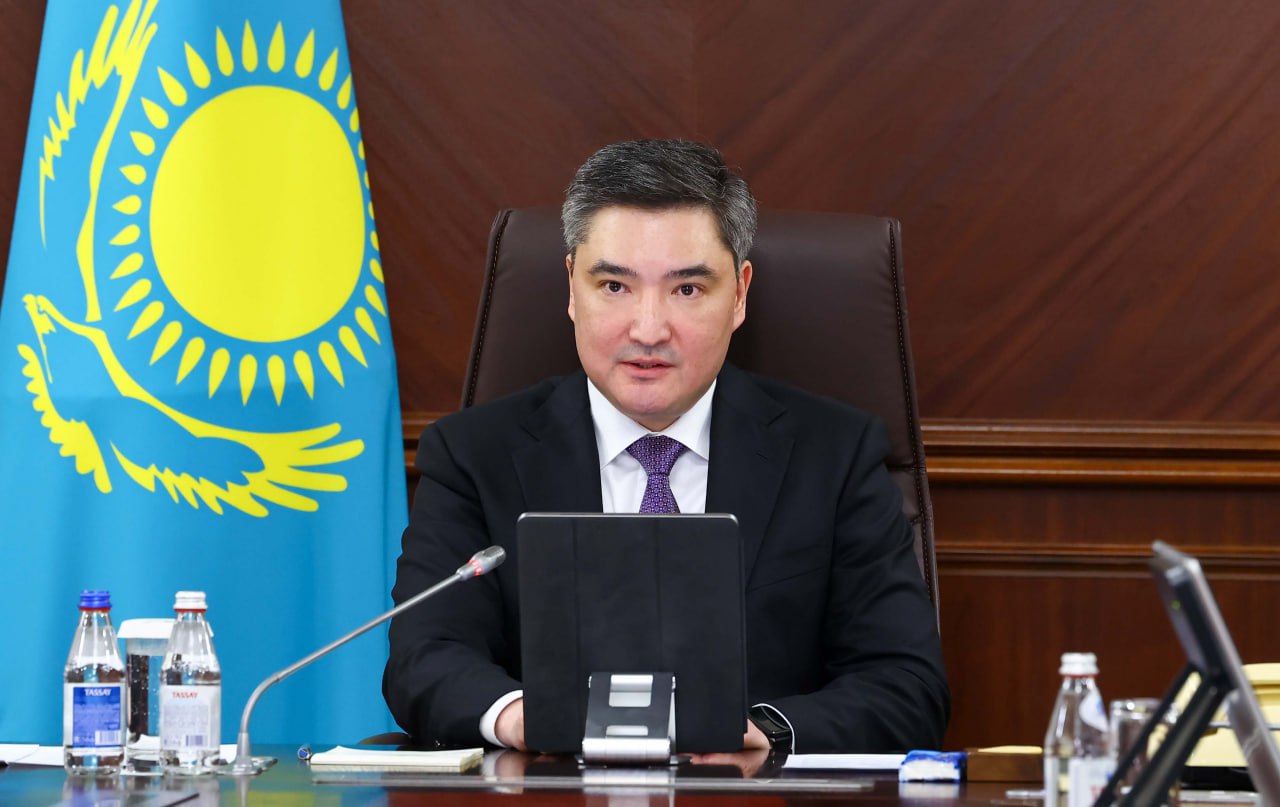
Following the audit, Prime Minister Olzhas Bektenov instructed that:
- all identified violations be transferred to law enforcement agencies for procedural review;
- the Social Health Insurance Fund (SHIF) be transferred under the authority of the Ministry of Finance to ensure full oversight of financial flows;
- all healthcare business processes be fully digitalized based on Ministry of Finance systems;
- unjustified financing be halted through a revision of SHIF’s investment strategy and asset placement policies.
The Government stressed that these measures are aimed not at reducing healthcare funding, but at restoring transparency, strengthening accountability and ensuring that public funds genuinely serve the healthcare needs of Kazakhstan’s citizens.