
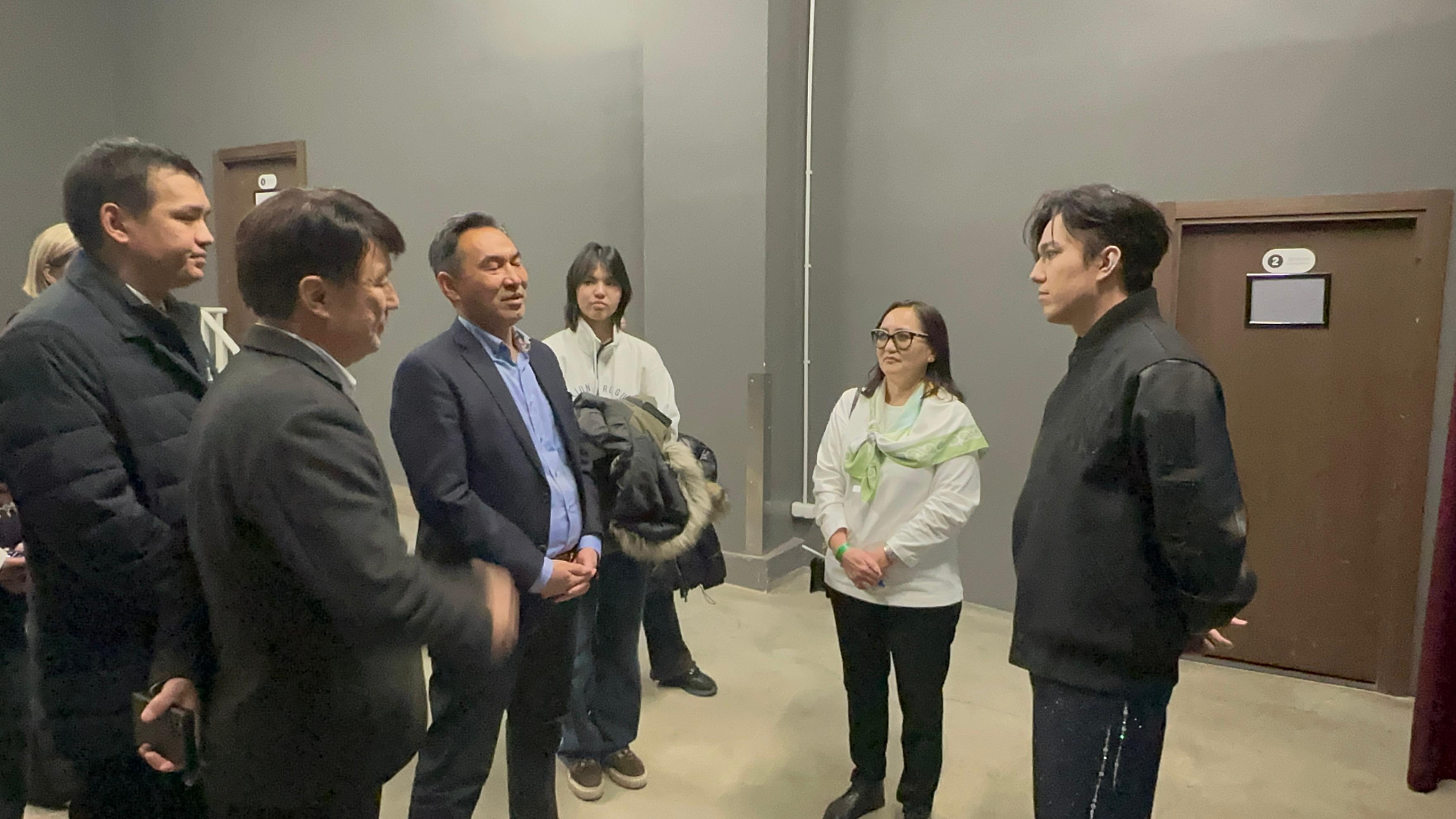
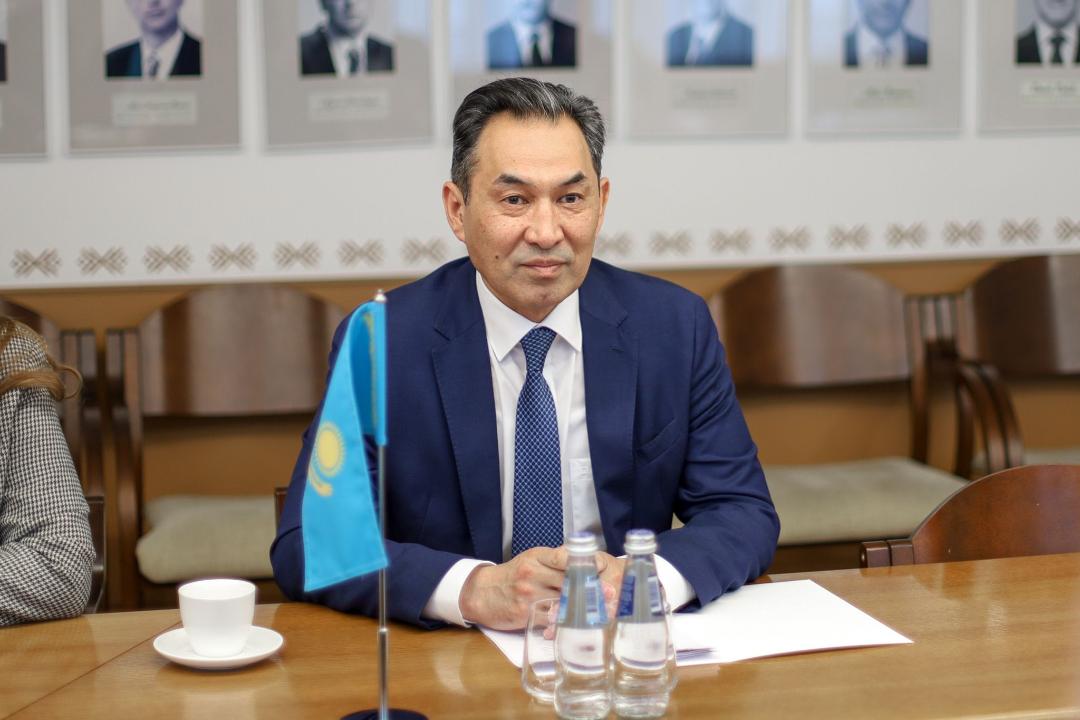
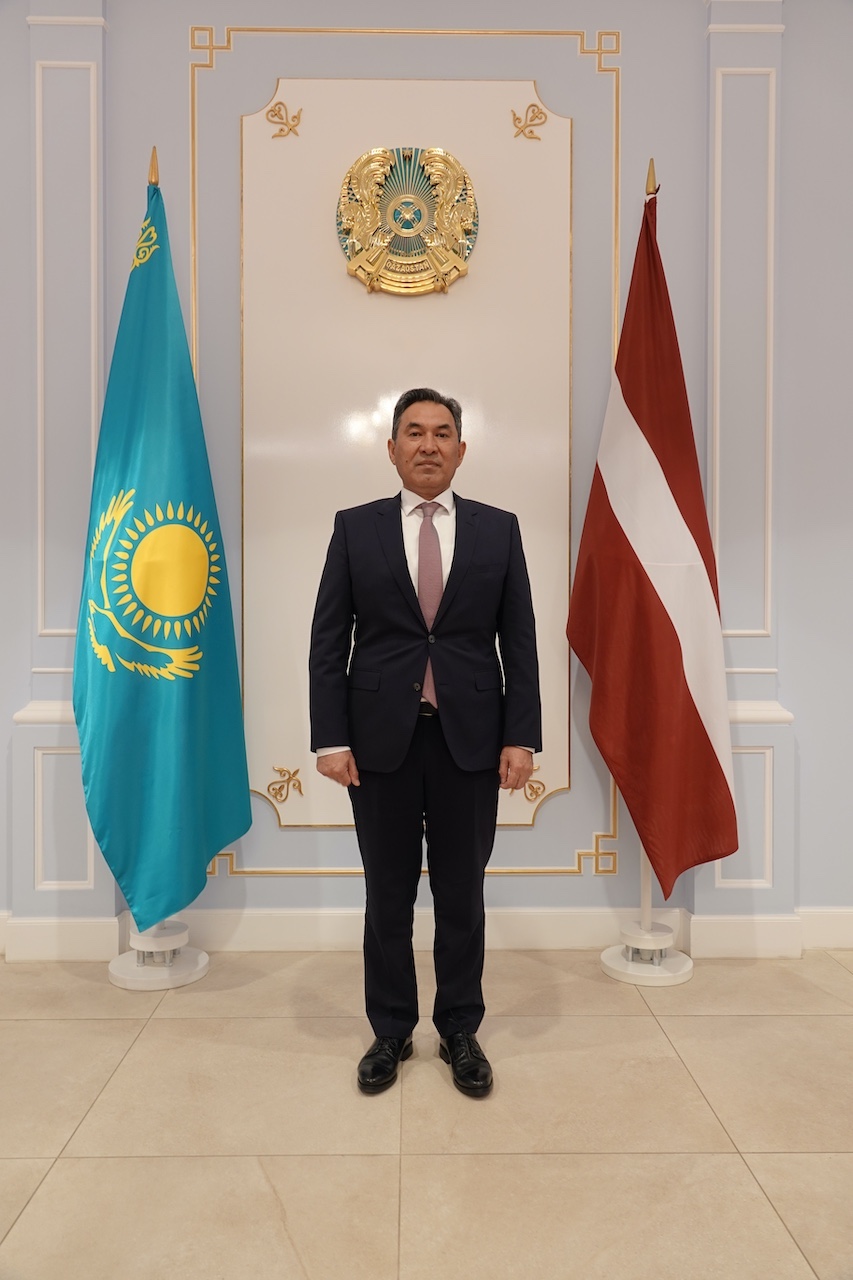
In December 2025, the Latvian capital Riga hosted the final concert of the third world tour by People’s Artist of Kazakhstan and Kyrgyzstan Dimash Kudaibergen. The concluding show of the Stranger tour series was held in a new public capacity for the vocalist - as a Global Goodwill Ambassador of the International Organization for Migration (IOM) under the United Nations. To discuss the power of art in bringing nations closer together and fostering mutual understanding, the editorial team of DK Media Europe spoke with the current Ambassador of Kazakhstan to Latvia, Dauren Karipov.
Having previously met Ambassador Karipov during his tenure as Kazakhstan’s Ambassador to Germany, the DK Media Europe team was delighted to reconnect with him in Riga, this time in his role as Ambassador of Kazakhstan to Latvia.
 Gov
Gov
– Mr. Karipov, we remember well the active work carried out by the Embassy of Kazakhstan in Germany under your leadership to promote cultural exchange between Kazakhstan and Germany. How does that experience help you today in building cultural bridges between Kazakhstan and Latvia?
– My experience in Germany gave me a solid understanding of how sustainable cultural ties are formed and what makes them effective. Many of the projects we initiated back then continue to exist today, clearly demonstrating that successful cultural exchange is built on trust, open dialogue, and consistent effort.
These principles are equally important in Latvia. As in Germany, much depends on how carefully relationships with local partners are developed, how willing we are to take each other’s interests into account, and how much space we create for joint initiatives. Culture and art remain a universal language that brings people closer together.
Past experience helps to identify opportunities more quickly, recognize points of connection, and make more precise decisions. At the same time, it is essential to understand the unique characteristics of each country. Latvia has a rich cultural environment and a strong interest in international cooperation. All of this creates a solid foundation for further strengthening the cultural bridge between our peoples.
 @ Ainura Adylbekova
– How do you assess the importance of participation by Kazakh artists, especially of Dimash’s level, in fostering mutual understanding between friendly nations?
– Cultural events often achieve what diplomacy takes much longer to explain in words. When an artist of Dimash’s scale appears on stage, he unites people emotionally, regardless of language or origin. Such performances build trust and interest in the country the artist represents. This is a simple yet powerful form of communication between nations. And the more deeply the audience feels the artist’s sincerity, the easier it becomes to build mutual understanding between states.
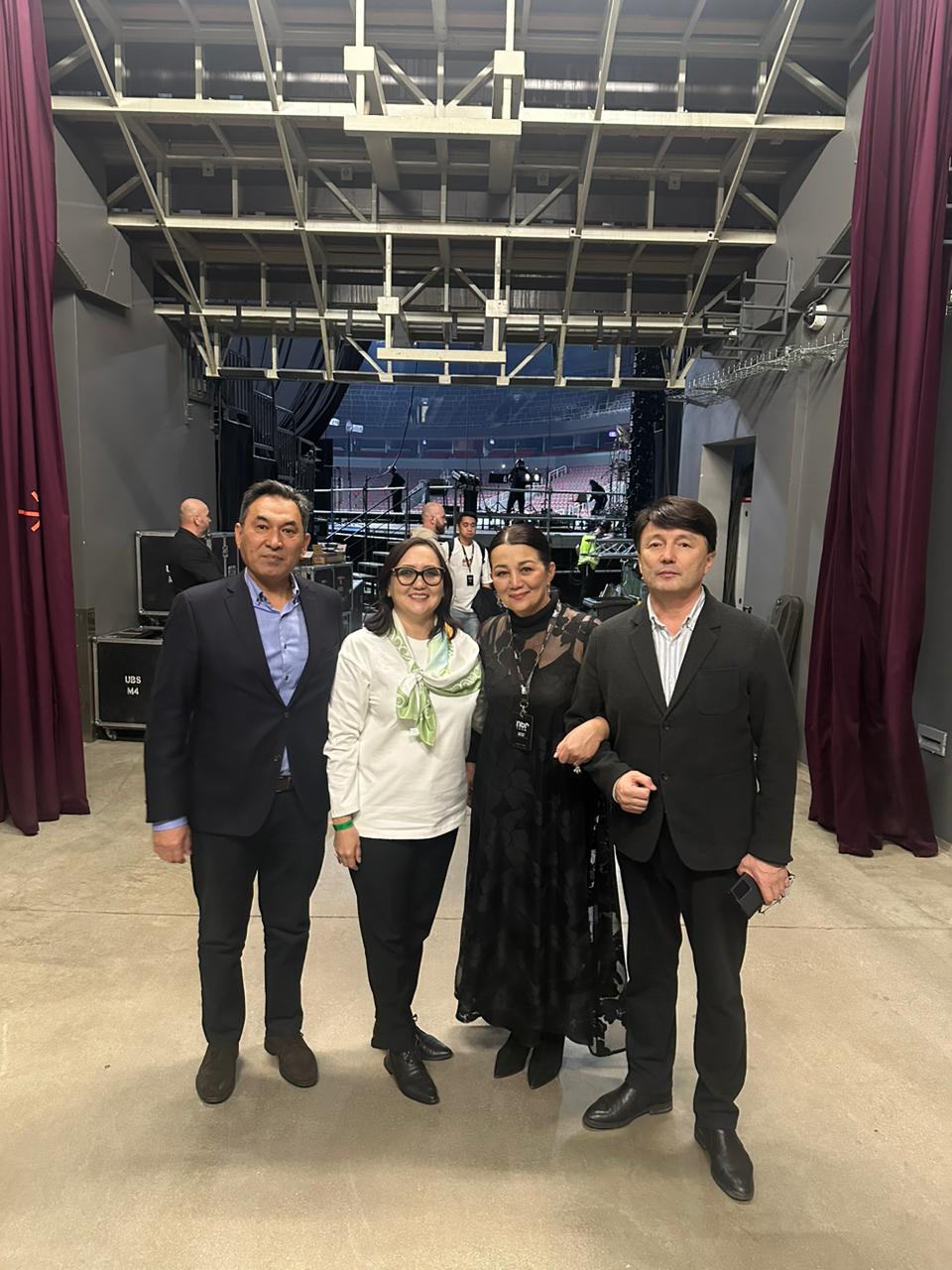
– Dimash performed a solo concert in Riga in 2022. Three years later, he returned. How do you assess the overall impact of his activities, both in general and specifically for Kazakhstan?
– His new public role has amplified the impact of his artistic work. When a person known for talent begins to speak about humanitarian issues, those topics immediately gain a different scale. For Kazakhstan, this is an opportunity to present the country through concrete values - respect, openness, and care for people in difficult circumstances. Such activity does not replace official channels, but complements them with a language that is accessible to millions.
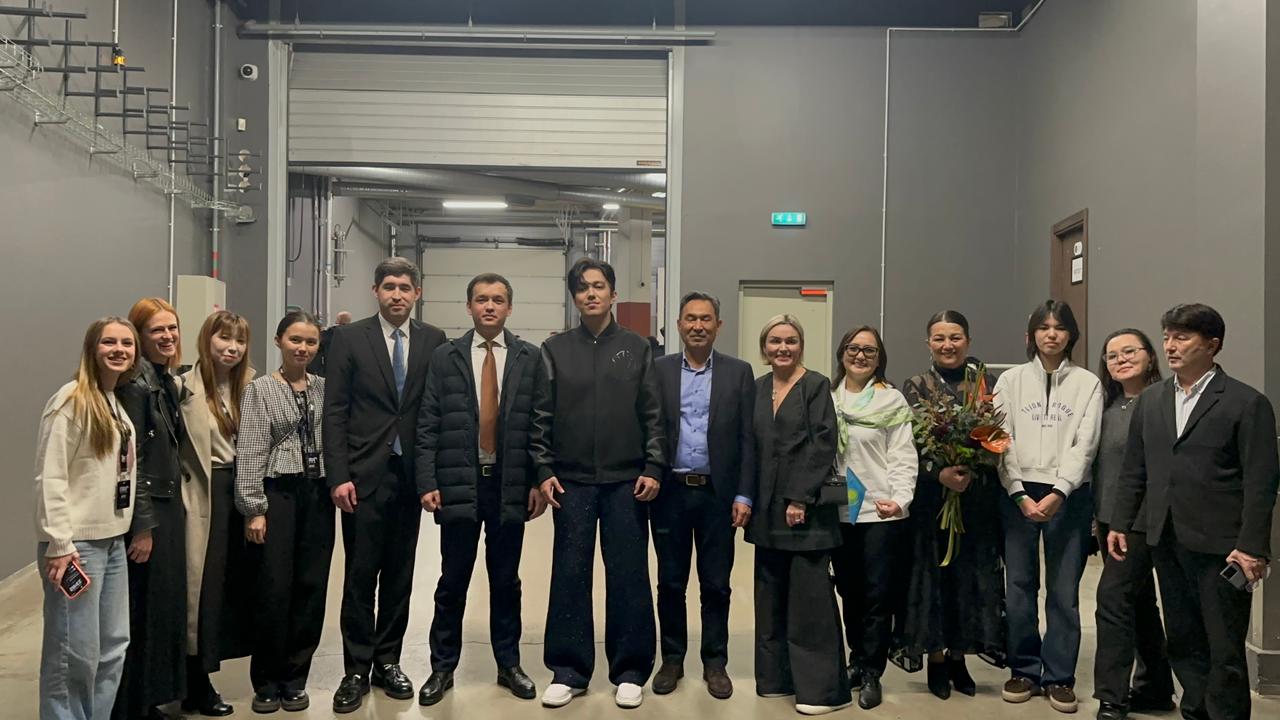
– Dimash, as both an artist and public figure, increasingly attracts the attention of foreign journalists and media outlets. How, in your view, can this potential be used constructively?
– The key is to focus not on informational noise, but on meaning. When foreign media show interest, it becomes possible to speak not only about the artist’s personal achievements, but also about cultural projects, joint initiatives, and opportunities for cooperation. For example, coverage of a concert can be accompanied by information about Kazakh culture, contemporary art, and youth programs. This broadens the context and creates sustained interest in the country.
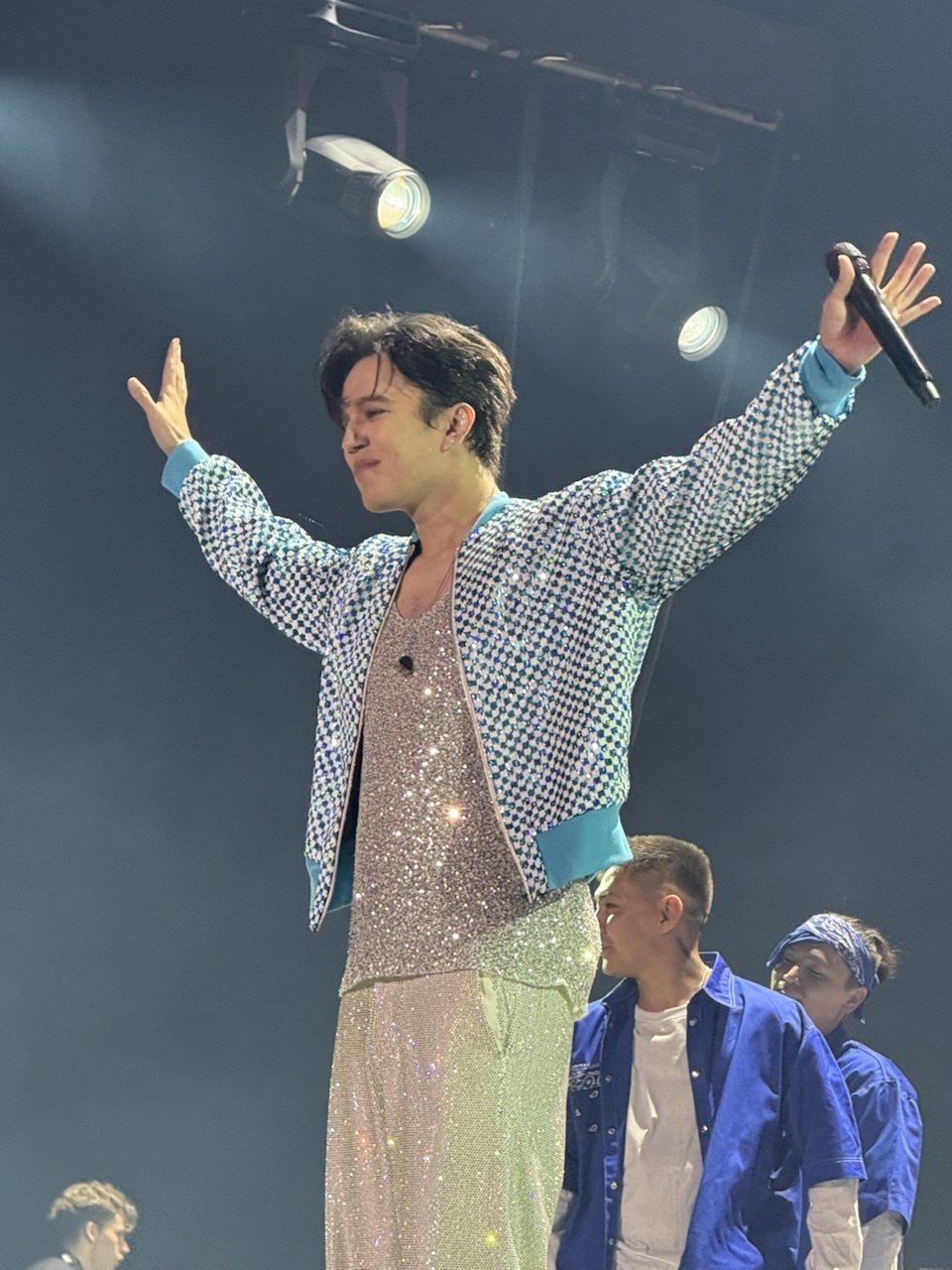 @ Ainura Adylbekova
– What specifically did you expect from this event for the Kazakh diaspora in Latvia, for your mission, and for Kazakhstan as a whole?
– For the diaspora, such concerts are a way to feel connected to their homeland. For us, as a diplomatic mission, it is an opportunity to strengthen ties with local partners, draw attention to joint cultural projects, and remind audiences of Kazakhstan as an open and modern country. In a broader sense, such events shape a positive image of the state and help build working relationships based on human trust.
– The term “soft power” is often used in connection with Dimash. How do you experience it here in Latvia?
– In Latvia, Dimash’s “soft power” is very tangible - strong interest in his music, respect for his professionalism, and a warm attitude toward Kazakhstan through his personality. People learn about the country not from formal documents, but through the emotions evoked by the artist.
We see significant potential in expanding cultural exchanges, educational projects, and involving Latvian partners in our initiatives. Experience shows that when interest arises naturally, it is much easier to channel it into joint activities - and this is precisely what makes “soft power” effective.
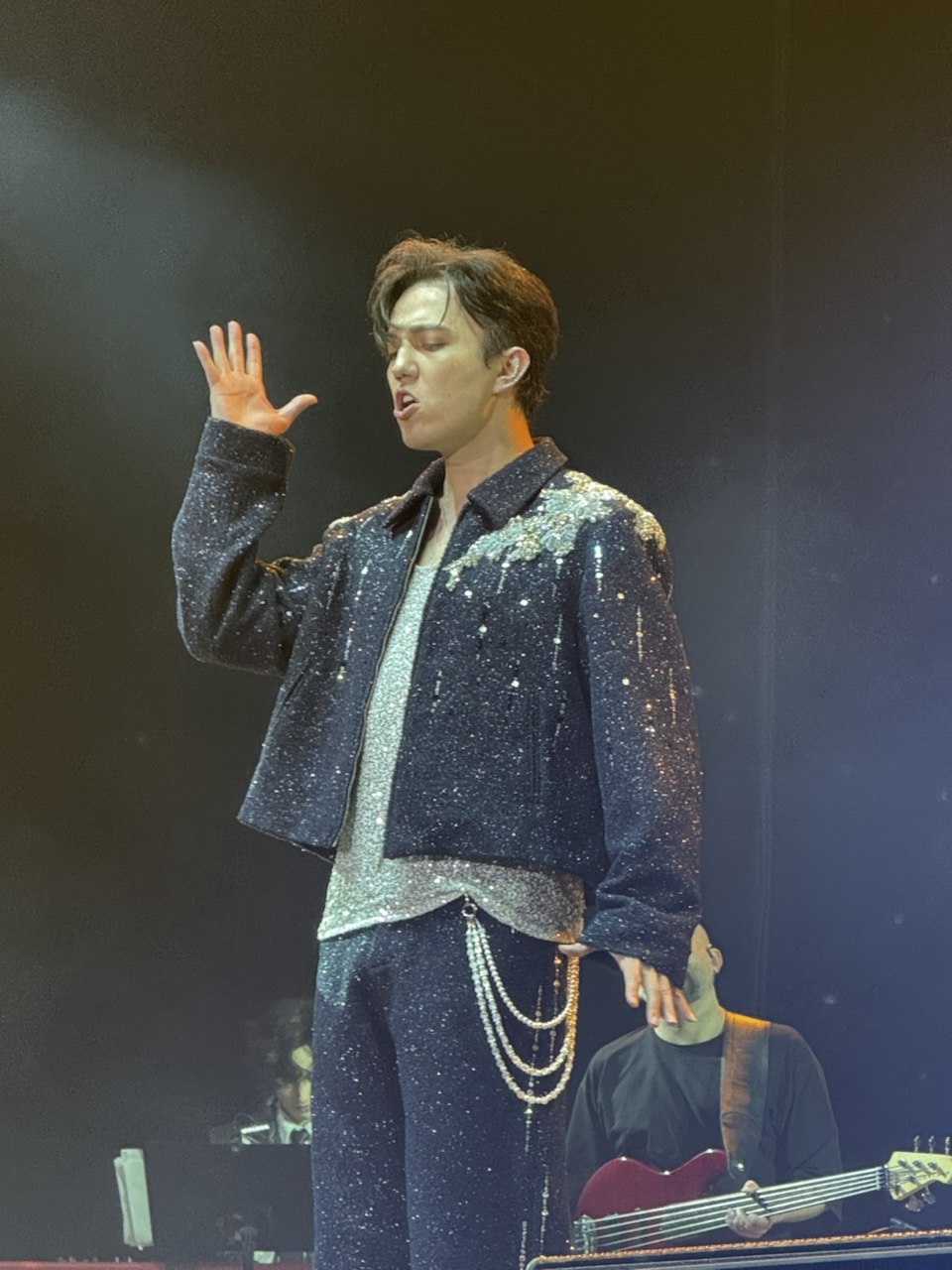 @ Ainura Adylbekova
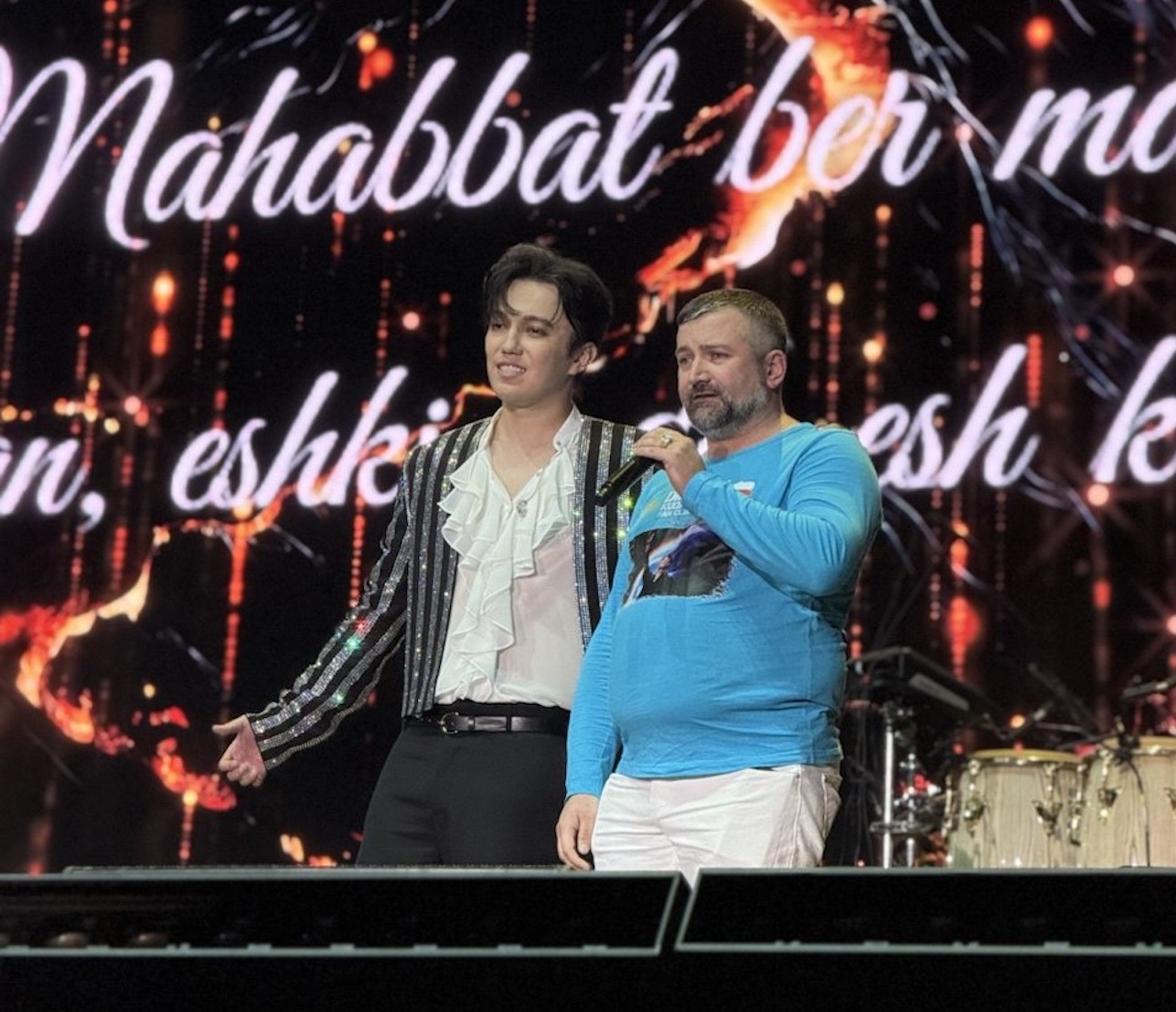
– How did you feel about the moment when the entire audience sang along with Dimash in Kazakh? And about the Polish fan Artur performing “Mahabbat ber magan” on stage?
– It was a very touching moment. When the entire hall sang in Kazakh together with Dimash, it became clear that language has no borders here. People were singing not because they knew the words perfectly, but because they felt the music.
 @ Ainura Adylbekova
Artur’s performance on stage is a story of its own. It was evident that he sang not for effect, but from the heart. And the fact that a Polish fan performed Mahabbat ber magan with such respect and sincerity showed how Dimash’s music brings together people from different countries.
Overall, I would note that these moments are vivid examples of how Dimash’s music transcends geographical and linguistic boundaries, creating a global community of fans based on respect and love for art. They are undoubtedly among the most memorable and touching moments in the history of his fandom.