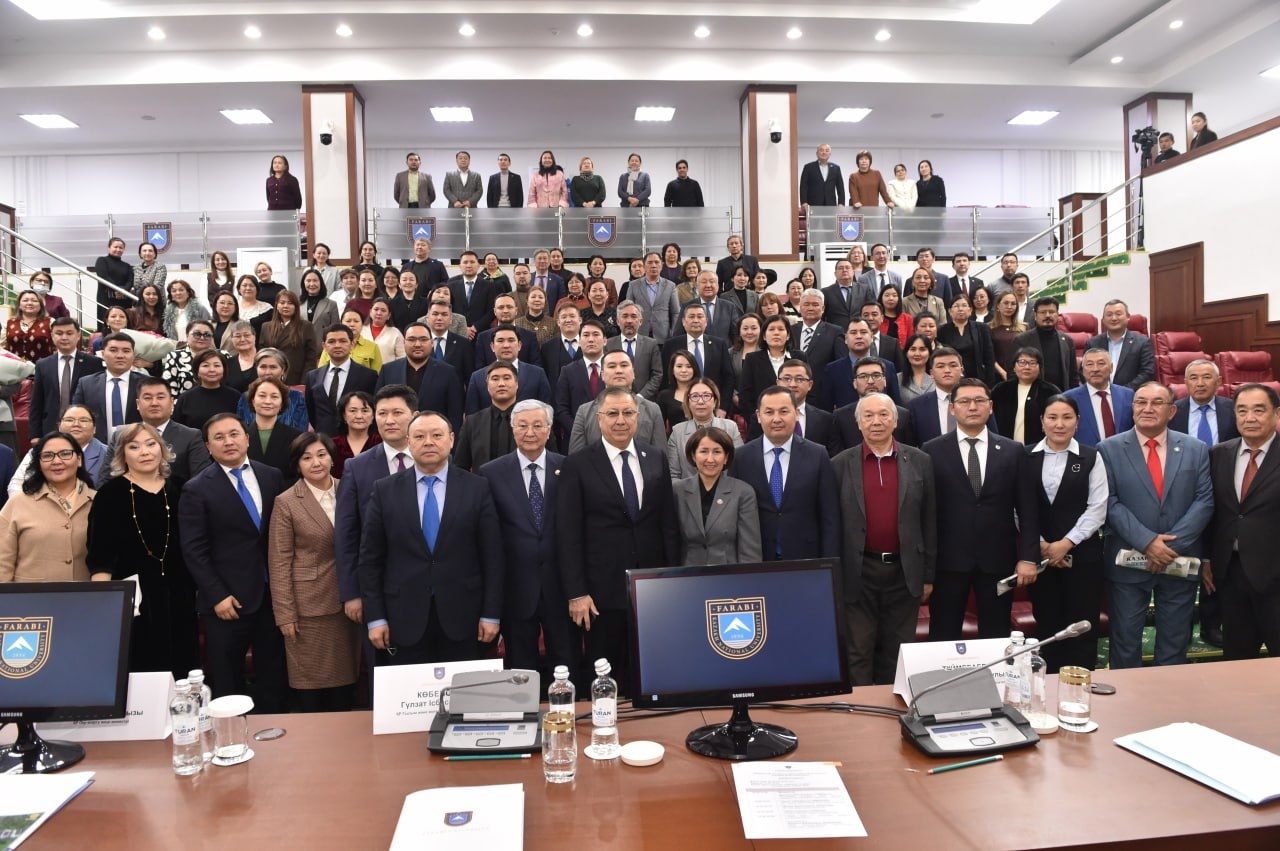


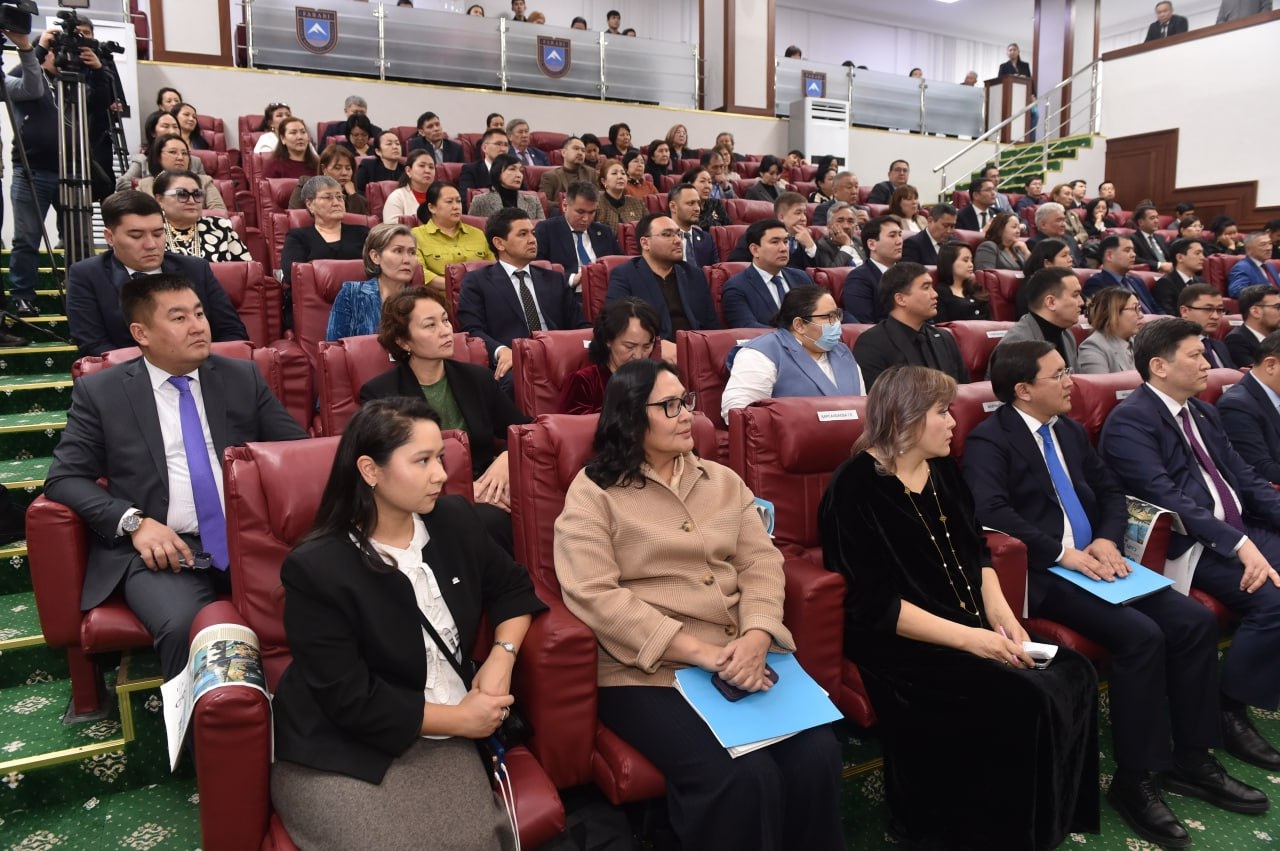
A meeting of the Academic Council dedicated to reviewing the outcomes of events marking the 180th anniversary of the great Kazakh poet and thinker Abai Kunanbayev was held at Al-Farabi Kazakh National University. The discussion focused on rethinking Abai’s legacy in the context of modern education, public consciousness, and state policy, DKNews.kz reports.
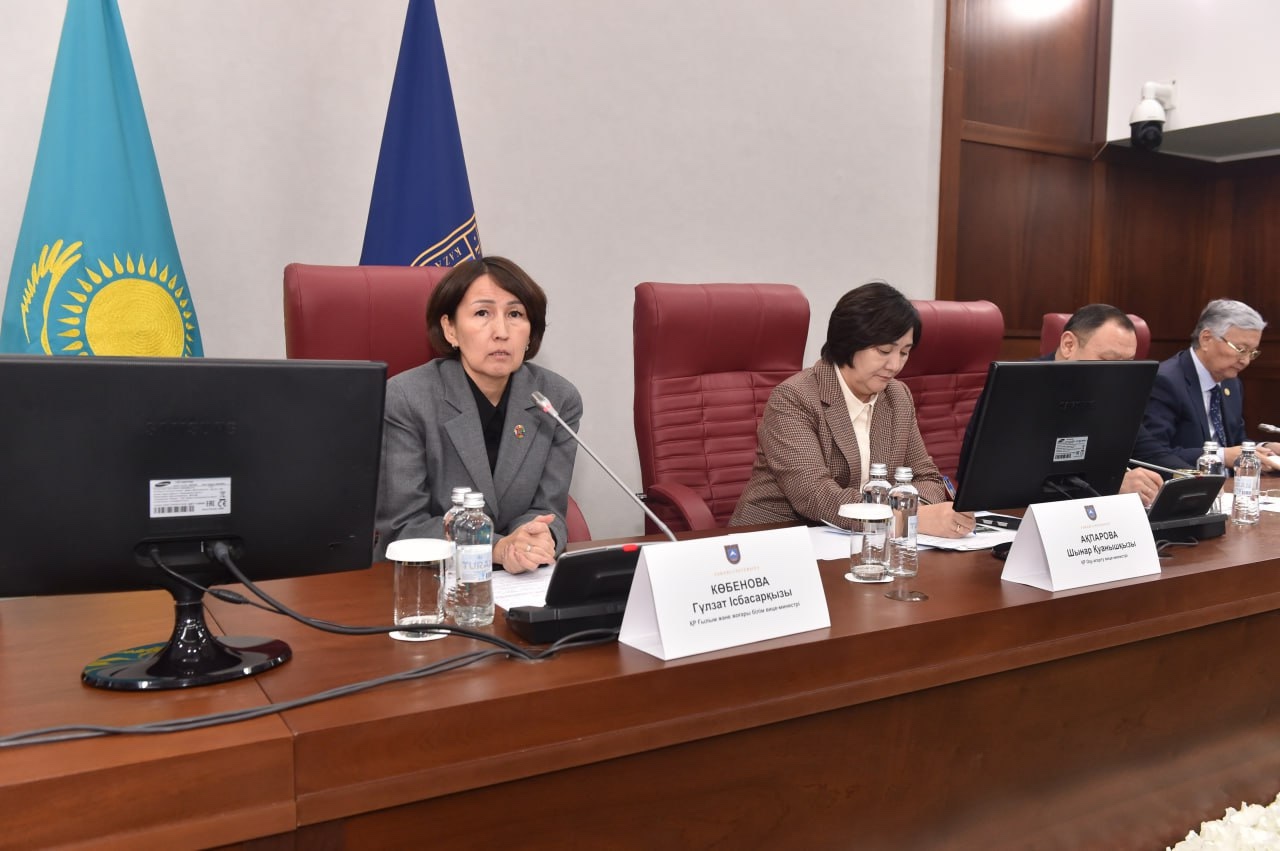
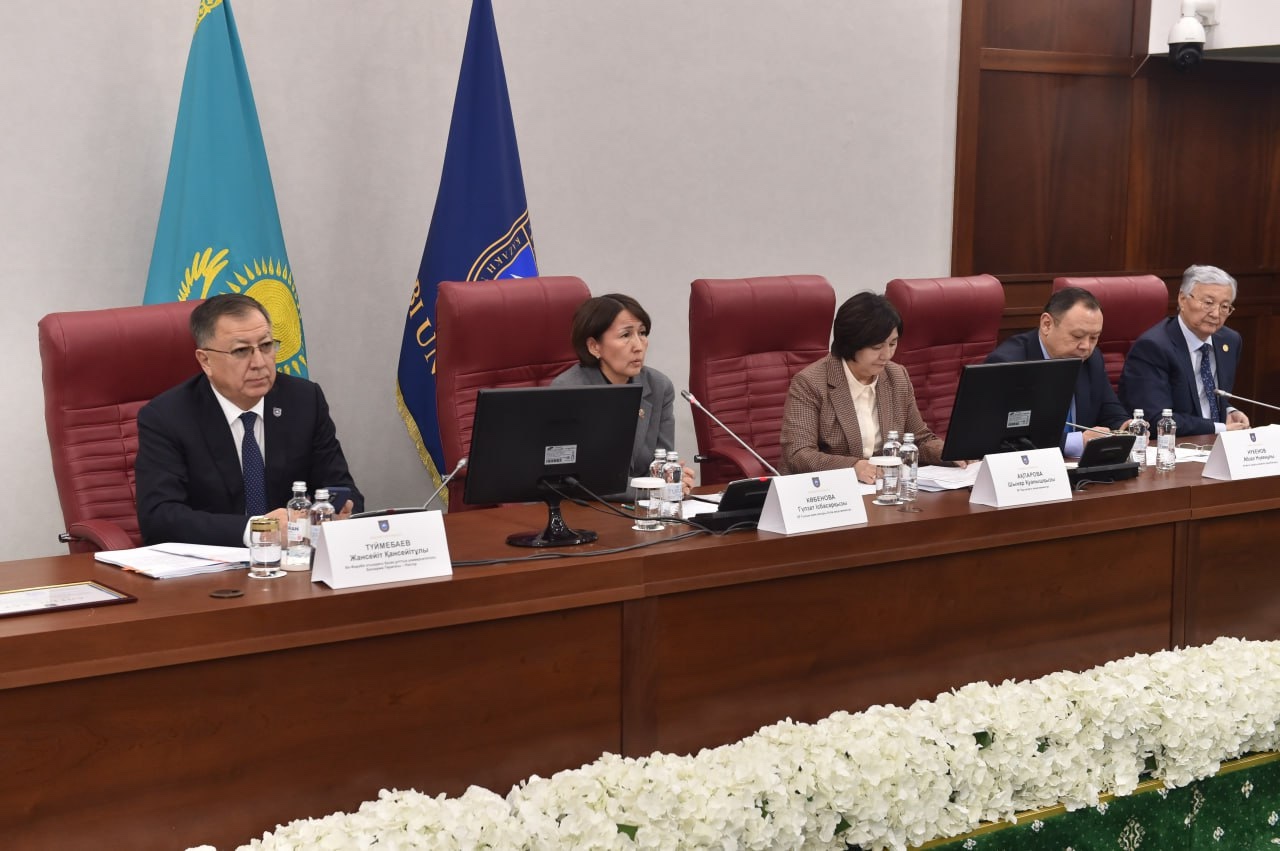
The meeting was attended by Vice Minister of Science and Higher Education Gulzat Kobenova, Vice Minister of Education Shynar Akparova, Head of Sector at the Internal Policy Department of the Presidential Administration Galymzhan Makhan, Deputy Mayor of Almaty Abzal Nukenov, Deputy Akim of Almaty Region Gani Mailybayev, Chairman of the Board – Rector of Al-Farabi KazNU Zhanseit Tuymebayev, as well as representatives of central and regional government bodies, scholars, and public figures.
Abai’s teaching as a foundation of national consciousness
Opening the session, Rector Zhanseit Tuymebayev presented the results of scientific, cultural, and educational initiatives carried out at the university as part of the anniversary celebrations. He recalled the words of President Kassym-Jomart Tokayev, voiced at the National Kurultai in Kyzylorda:
“Abai’s teaching must become the core of our national identity and national self-awareness.”
According to the rector, this idea became the conceptual basis for all projects implemented by the university during the jubilee year.
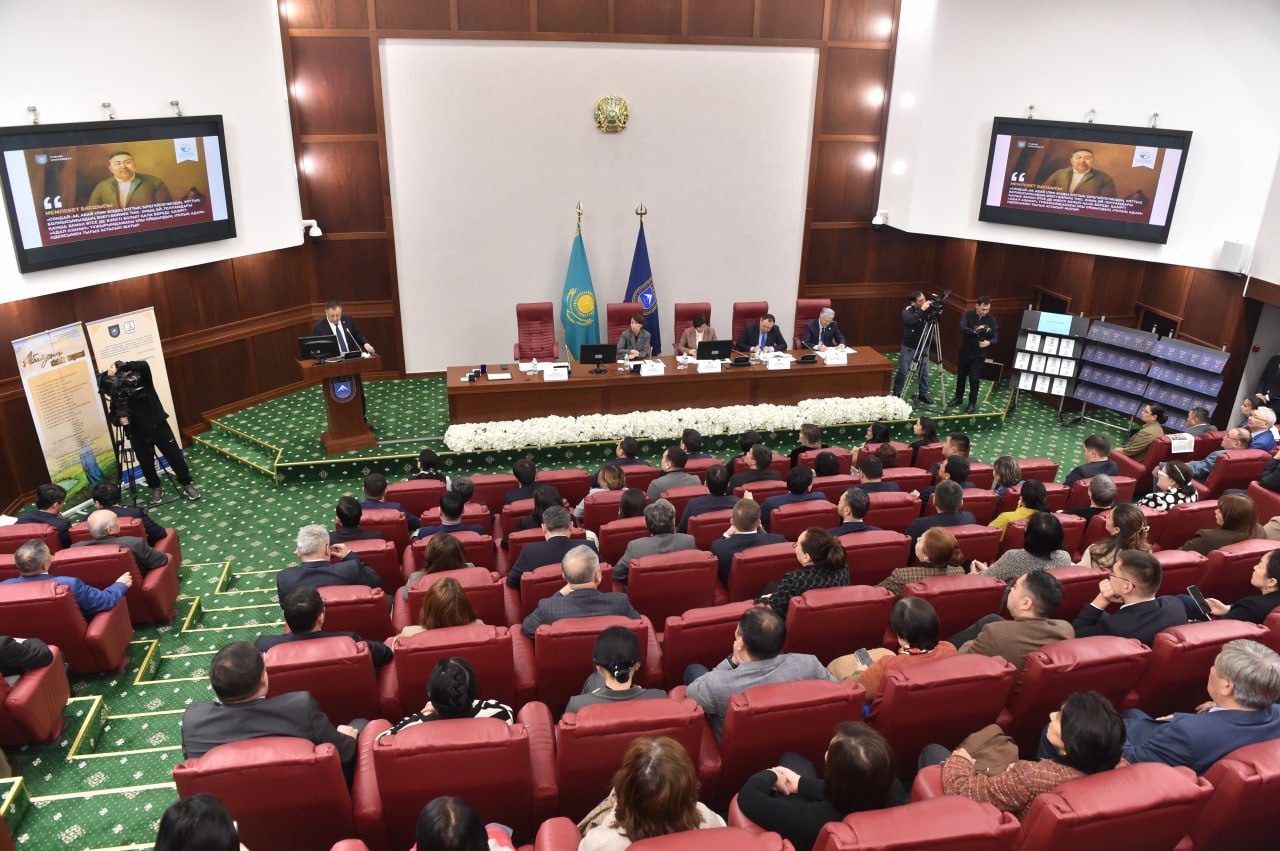
“Abai’s Moral Code” and new academic courses
As part of the anniversary program, Al-Farabi KazNU developed and introduced new academic courses — “Abai’s Moral Code” and “Abai’s Teaching” — into the educational process. The “Moral Code of Abai”, created by university scholars, has been placed in academic buildings and dormitories, and the initiative has been proposed for wider implementation in other universities and schools across the country.
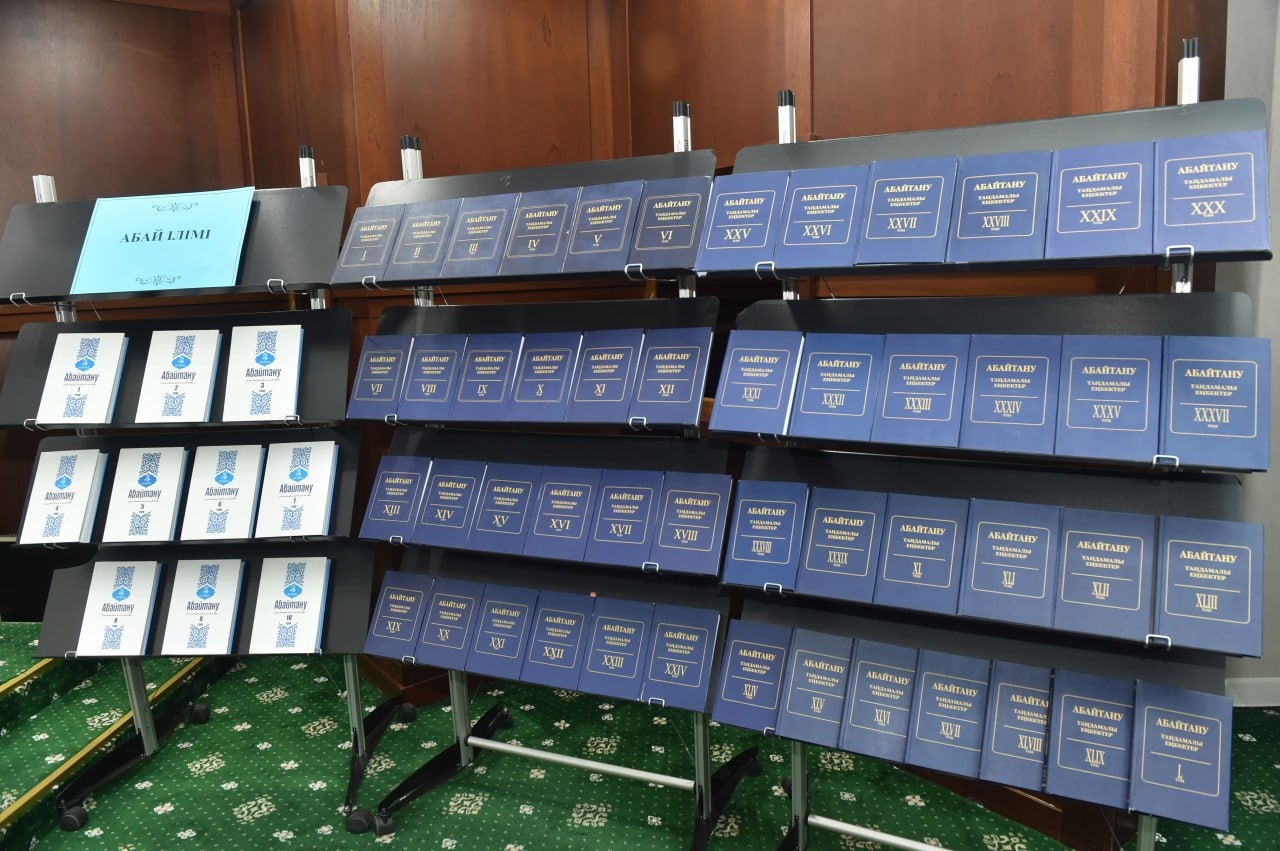
In addition, the university published:
- volumes 1–50 of the series “Abai Studies. Selected Works”,
- volumes 1–10 of the “Anthology of Abai Studies”,
- and created a digital intellectual resource base “Anthology of Abai Studies.”
These projects were carried out by researchers of the Abai Research Institute operating at KazNU.
Educating the “complete person”
Vice Minister of Science and Higher Education Gulzat Kobenova noted that more than 727,000 students are currently studying at 127 higher education institutions across Kazakhstan. She emphasized that the primary mission of universities goes beyond professional training.
“According to Abai’s philosophy, the goal is to educate a ‘complete person.’ Schools lay the foundation of civic integrity, while universities complete this process, preparing young people for independent life,” she said, stressing the special relevance of Abai’s ideas in modern education.
Vice Minister of Education Shynar Akparova highlighted the importance of studying Abai’s works in line with contemporary realities and integrating his philosophical, ethical, and social ideas into educational curricula.
Abai, language, and the digital space
Galymzhan Makhan from the Presidential Administration underlined that Abai’s Moral Code should resonate not only with university students but also with schoolchildren. At the same time, he stressed that a broader use of the Kazakh language is essential for a deeper understanding of Abai.
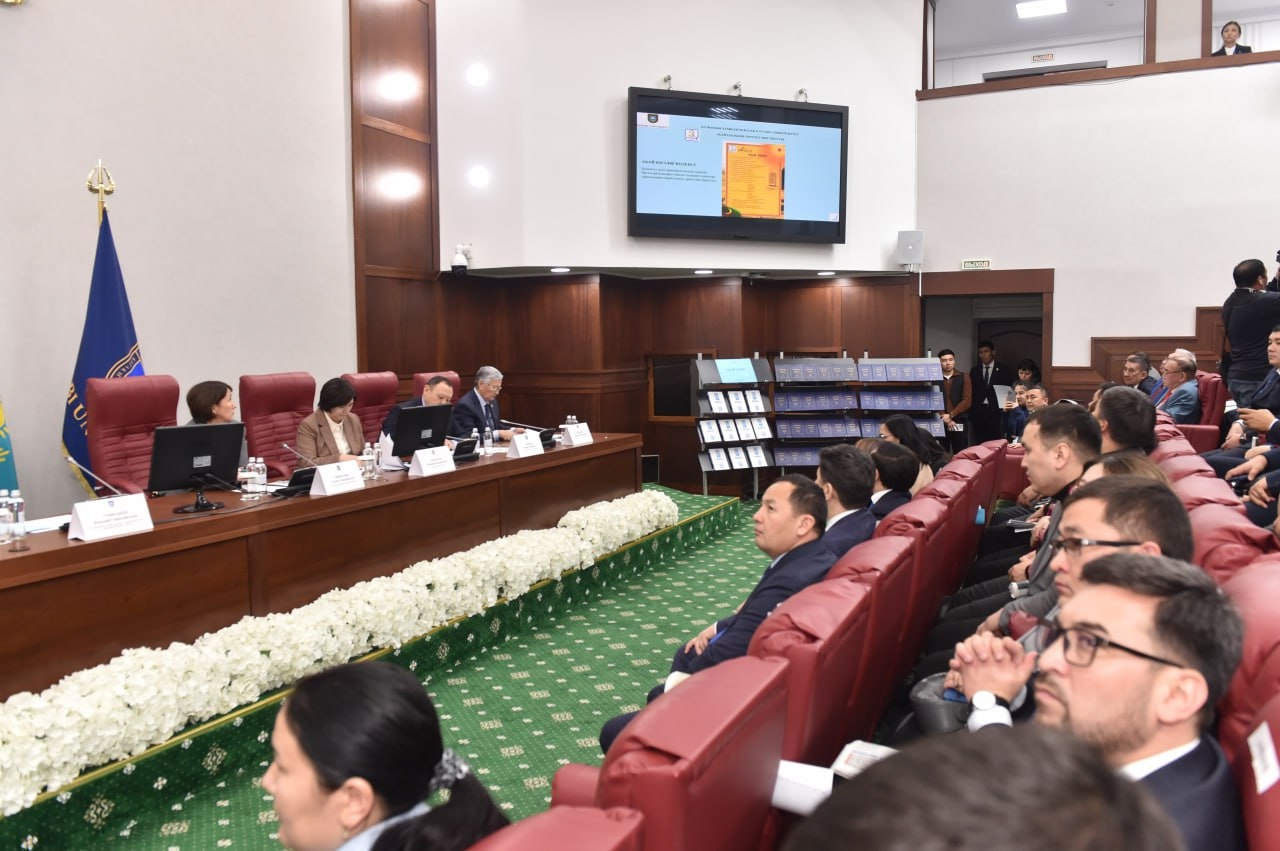
He noted ongoing efforts to expand the presence of the state language in the digital space. According to the Ministry of Science and Higher Education, more than 3,000 new articles in Kazakh were published on Wikipedia by the end of 2025, with active participation from universities.
Abai and the concept of a “Just Kazakhstan”
Deputy Mayor of Almaty Abzal Nukenov emphasized that Abai’s reflections on responsibility and the dignity of labor are fully aligned with the national concept of “Just Kazakhstan.”
He noted that a comprehensive plan was implemented in Almaty to mark Abai’s 180th anniversary, covering philosophical, cultural, educational, and civic dimensions, including scientific conferences, forums, and seminars.
Abai’s heritage as an intellectual asset
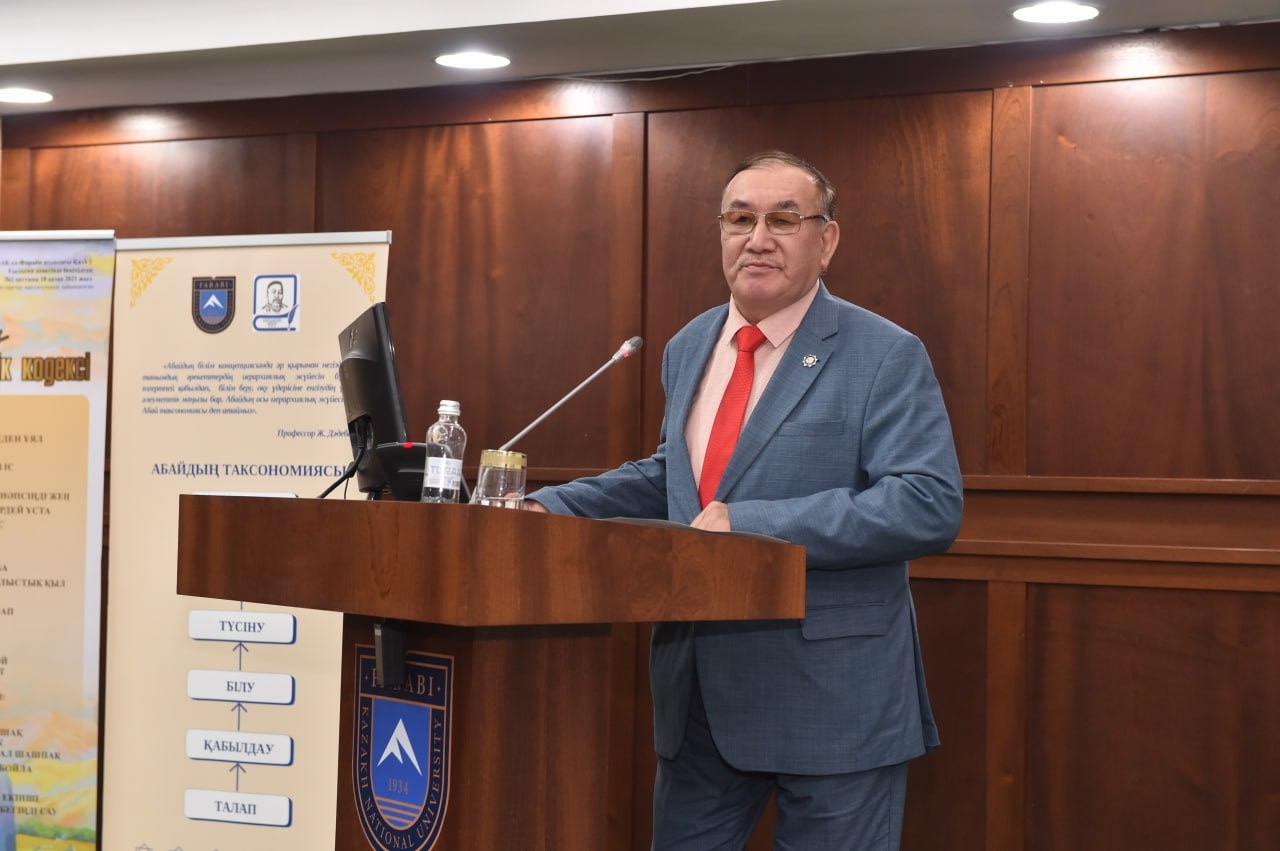
Director of the Abai Research Institute, scholar Zhangara Dadabayev, presented the institute’s achievements, after which participants highlighted the importance of renewing Abai’s legacy in modern public consciousness.
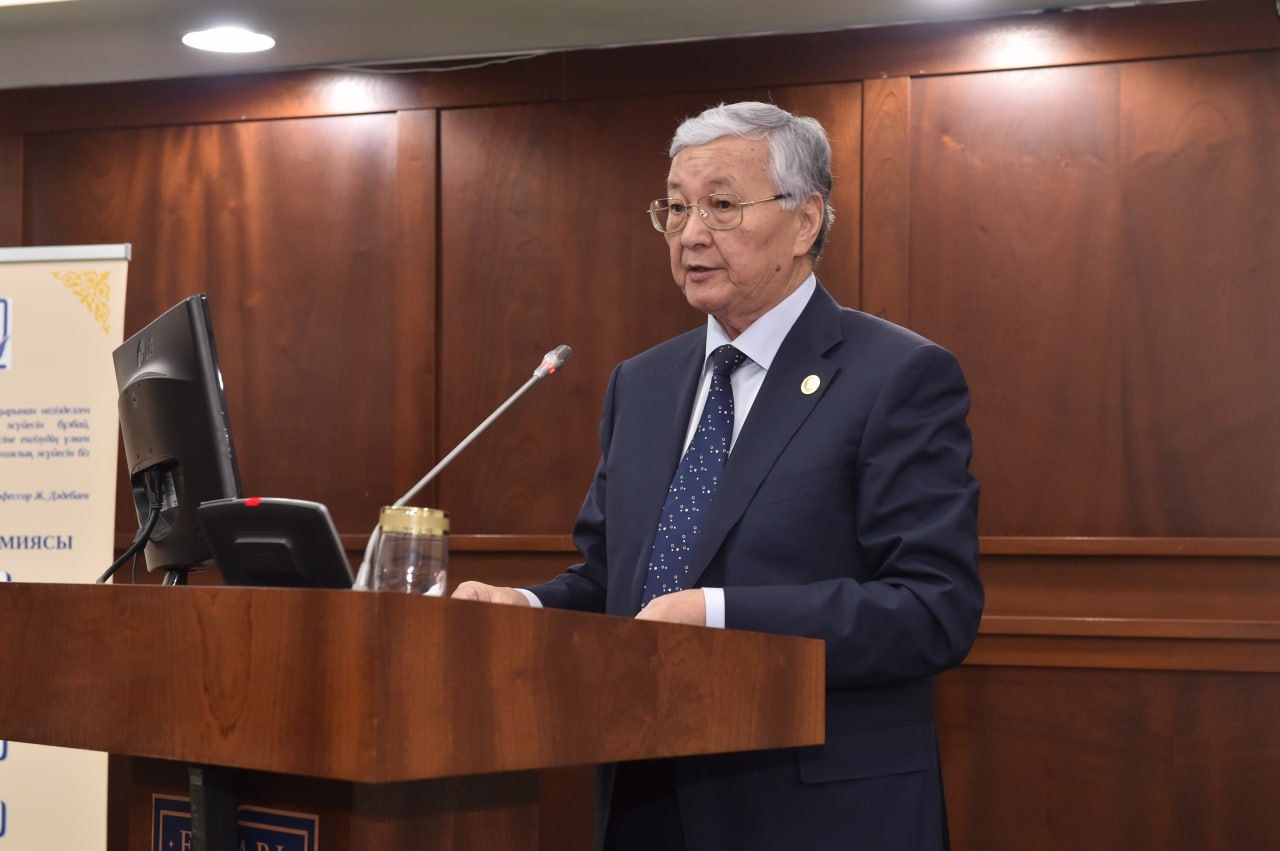
As a result of the expanded Academic Council meeting:
- the digital resource “Anthology of Abai Studies,”
- the course “Abai’s Teaching,”
- Abai’s Moral Code,
- and Abai’s Taxonomy were officially recognized as the intellectual property of Al-Farabi KazNU.
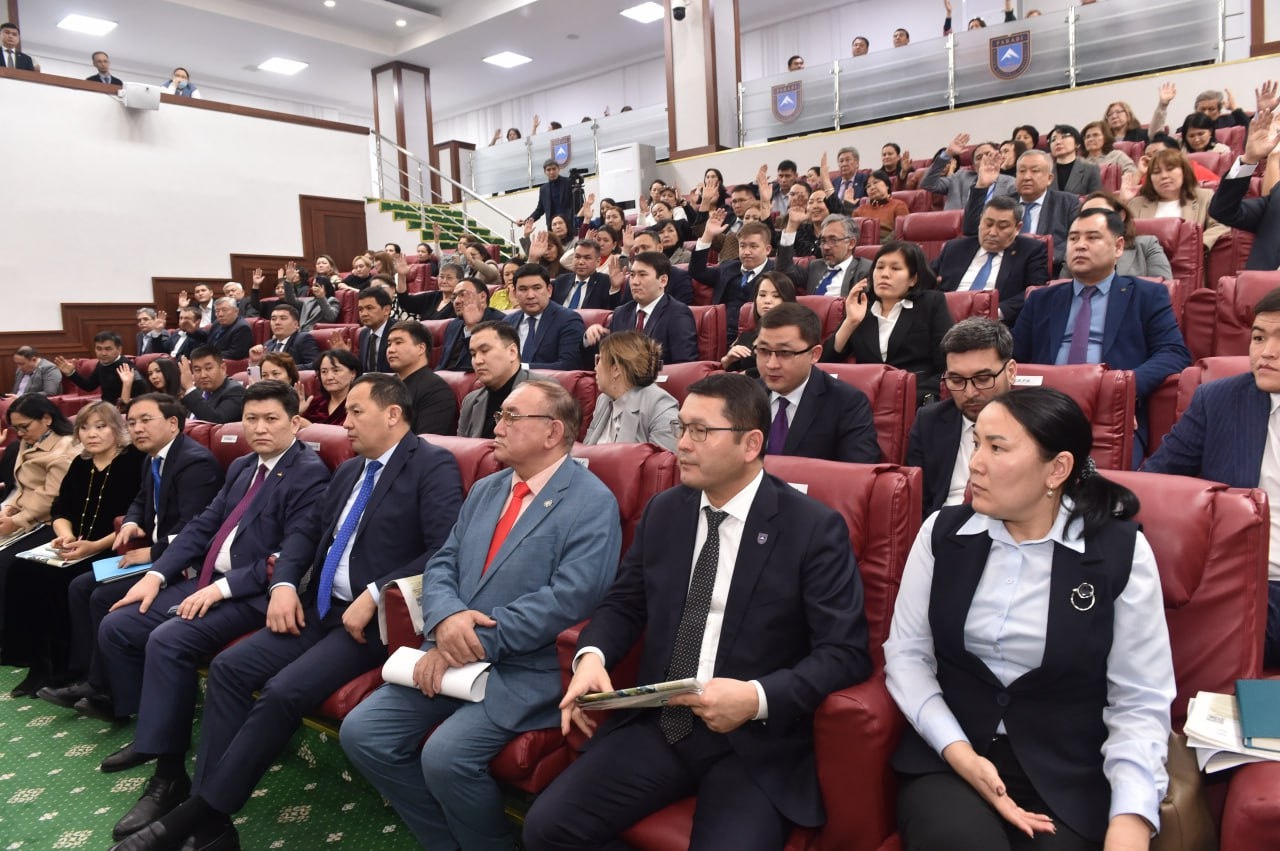
The course “Abai’s Teaching” was approved as an elective component within the general education cycle of higher education programs. In addition, Abai’s Moral Code and Teaching were identified as innovative tools for implementing the core values of Kazakhstan’s internal policy, with recommendations sent to government bodies for their broad use at all levels of education and in cultural and public spaces.