
30 percent quota to remain in place as part of upcoming parliamentary reform, DKNews.kz reports.
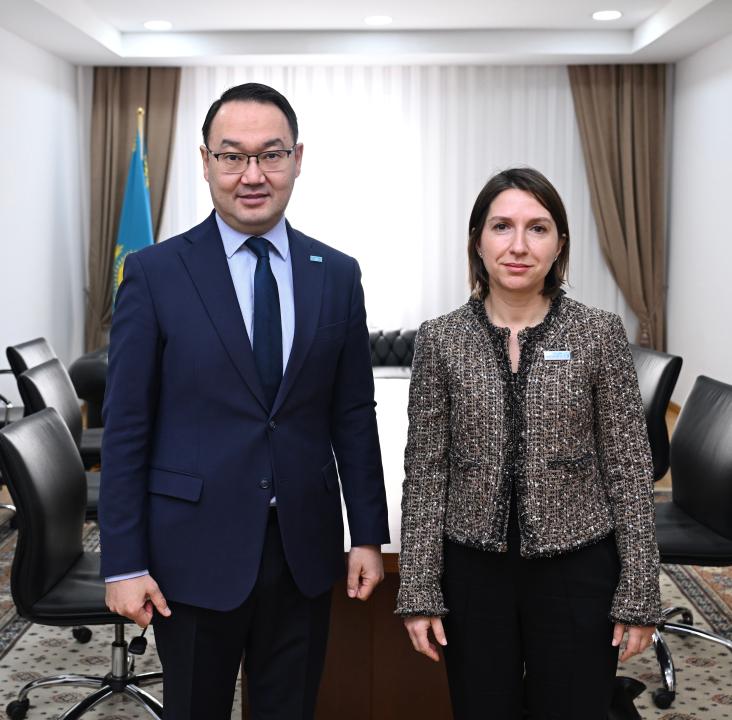
Kazakhstan is strengthening its cooperation with the United Nations on gender equality and women’s empowerment, reaffirming its long-term commitment to inclusive and balanced social development. These issues were at the center of a meeting between First Deputy Minister of Foreign Affairs of the Republic of Kazakhstan Yerzhan Ashikbayev and the new Head of the UN Women Country Office in Kazakhstan and Regional Coordinator for Central Asia, Geren Gures.
While the meeting followed a formal diplomatic format, the discussions focused on practical priorities and future cooperation, reflecting the growing importance of gender issues on both the national and international agendas.
Gender equality as a policy priority
During the talks, Yerzhan Ashikbayev emphasized that ensuring gender equality and expanding opportunities for women remains a key element of Kazakhstan’s state policy. He noted that this approach will be preserved in the context of the upcoming parliamentary reform.
In particular, Kazakhstan plans to maintain the 30 percent quota for women, youth, and persons with special life needs. According to the First Deputy Minister, this mechanism plays an important role in increasing the participation of underrepresented groups in political and public decision-making processes.
Almaty’s growing regional role
Ashikbayev also highlighted Kazakhstan’s potential to further promote the gender agenda at both the national and regional levels. Special attention was given to the UN Regional Centre for Sustainable Development Goals in Almaty.
The centre serves as a platform for coordinating efforts, sharing best practices, and implementing joint initiatives across Central Asia. Experts note that Almaty’s role as a regional hub strengthens Kazakhstan’s position in advancing sustainable development and inclusive policies in the region.
UN Women praises Kazakhstan’s efforts
Geren Gures, for her part, praised the active work of the Government of Kazakhstan in implementing key provisions of international agreements aimed at protecting the rights of women and girls. She noted the country’s systematic approach and its readiness to translate international commitments into practical action.
Looking ahead
At the conclusion of the meeting, both sides agreed to further strengthen their partnership and expand cooperation in priority areas within the framework of both international and national agendas.
Observers believe that deeper collaboration between Kazakhstan and UN Women could contribute not only to progress within the country but also to advancing gender equality across Central Asia as a whole.