

Kazakhstan’s government is tightening its grip on the tourism sector after years of complaints about poor infrastructure, safety issues and overpriced services at popular destinations, DKNews.kz reports.
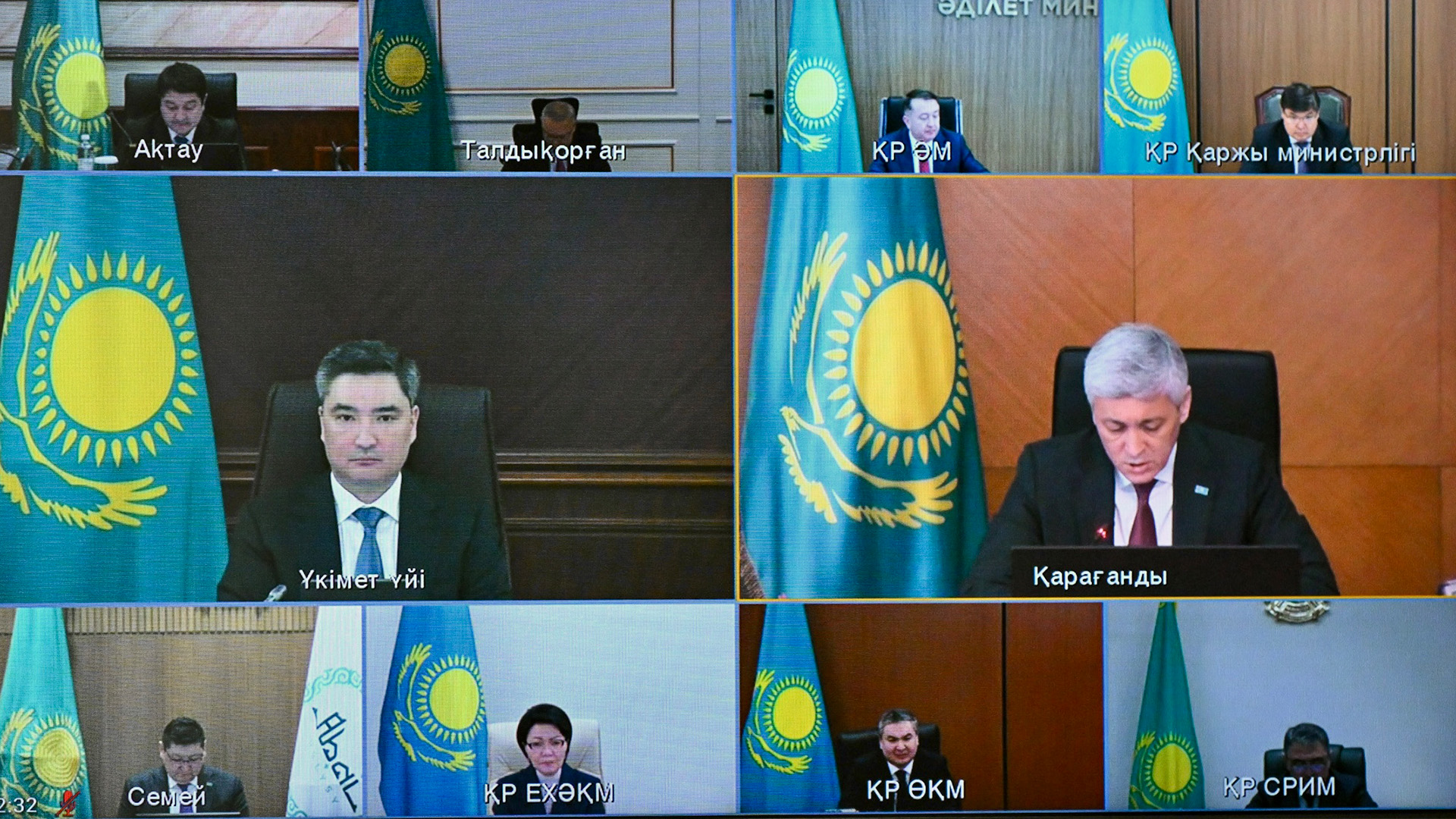
At a recent Government meeting chaired by Prime Minister Olzhas Bektenov, officials reviewed the state of the tourism industry in light of tasks set by President Kassym-Jomart Tokayev. The discussion focused on preparations for the upcoming summer season, transport accessibility, service quality and the overall image of Kazakhstan as a tourist destination.
“The criticism was harsh — and justified”
Bektenov reminded ministers and regional leaders that last year the President sharply criticized the condition of key tourist areas, particularly around Lake Alakol.
“Following numerous complaints from citizens, the Head of State delivered tough criticism regarding the poor state of infrastructure, service quality and safety around Lake Alakol and other tourist destinations across the country,” the Prime Minister said.
According to the government, some progress has been made over the past six months. Operational tourism headquarters have been set up in several regions, including Zhetisu. In the Alakol area, drainage and shoreline reinforcement works are underway, while in East Kazakhstan коммунal services have been strengthened in popular tourist zones.
Tourism numbers are growing — but problems remain
Despite the challenges, Kazakhstan’s tourism sector continues to grow. In the World Economic Forum’s global tourism index, the country climbed from 66th to 52nd place out of 119 countries. The government’s stated goal is to enter the top 50.
By the end of 2025, the number of tourists increased by 12 percent, exceeding 10 million people. Around 4,500 accommodation facilities — hotels, guesthouses and resorts — are currently operating nationwide. Investment in the sector also surged by 32 percent compared to 2024, reaching more than 1.2 trillion tenge.
However, inspections of tourist zones revealed that systemic problems remain widespread.
Internet, sanitation and safety still weak points
One of the key issues highlighted was poor internet connectivity at many tourist sites. In some locations, connectivity projects are either delayed or progressing extremely slowly.
Sanitary violations are another major concern. Media reports and social media posts regularly highlight breaches of hygiene standards. In Karaganda region, for example, only 80 out of 149 recreational facilities have obtained sanitary-epidemiological clearance. Of 28 beaches, just three have received official approval.
Transport accessibility also remains problematic, particularly for remote but popular destinations. In some areas, stable electricity supply is lacking, and round-the-clock medical posts, police presence and rescue services are not consistently available.
Tourists also continue to complain about inflated prices at hotels, cafés and shops near major attractions, as well as littering, poor access roads and the absence of proper parking.
Emergency coordination council to be created
To address these issues, Bektenov announced the creation of an Emergency Coordination Council involving all regional administrations, the Atameken National Chamber of Entrepreneurs, major tourism businesses and industry experts. The council will be chaired by Deputy Prime Minister and Minister of Culture and Information Aida Balayeva.
The Ministry of Tourism and Sports has been instructed to submit the draft government decree within three days. Within one month, the council must update the Action Plan for the Tourism Development Concept, taking into account all presidential remarks and instructions.
Clear performance indicators will be introduced for senior officials, and concrete support measures for tourism businesses will be developed. Operational headquarters in each region will oversee the tourist season on the ground.
“A formal approach is unacceptable. The Government Office will conduct regular inspections and closely monitor the situation. By the start of the summer tourist season, all necessary measures must be taken to ensure comfortable and safe conditions for visitors,” Bektenov stressed.
Focus on international promotion and national parks
The Prime Minister also pointed out that foreign tourists choose destinations based on information available online and on social media. Kazakhstan has not updated its international tourism promotion tools for the past four years, relying on outdated content that fails to reflect the country’s cultural and ethnographic diversity.
As a result, the Ministry of Tourism, together with the Ministry of Culture, Kazakh Tourism and regional authorities, has been tasked with developing a detailed promotion plan for 2026 within one month. The plan must include all major cultural, sporting and public events in Kazakhstan.
Another sensitive issue concerns business access to national parks and protected areas. The government plans to study international best practices to allow regulated access for entrepreneurs while preserving flora and fauna. The Ministry of Ecology and Atameken will prepare legislative proposals.
Restrictions on construction near water protection zones also hinder investment projects, such as water parks. Bektenov called for a “balanced solution” and tasked the Ministry of Water Resources with drafting legal amendments based on international experience.
A tougher approach ahead
Overall coordination of the reforms has been assigned to Deputy Prime Minister Aida Balayeva. The government’s message is clear: tourism in Kazakhstan will no longer be left to chance.
With stricter oversight, updated promotion strategies and clearer responsibility for officials and businesses, authorities hope to turn the country’s growing tourist interest into a sustainable and high-quality industry — one that meets both international standards and the expectations of travelers.