
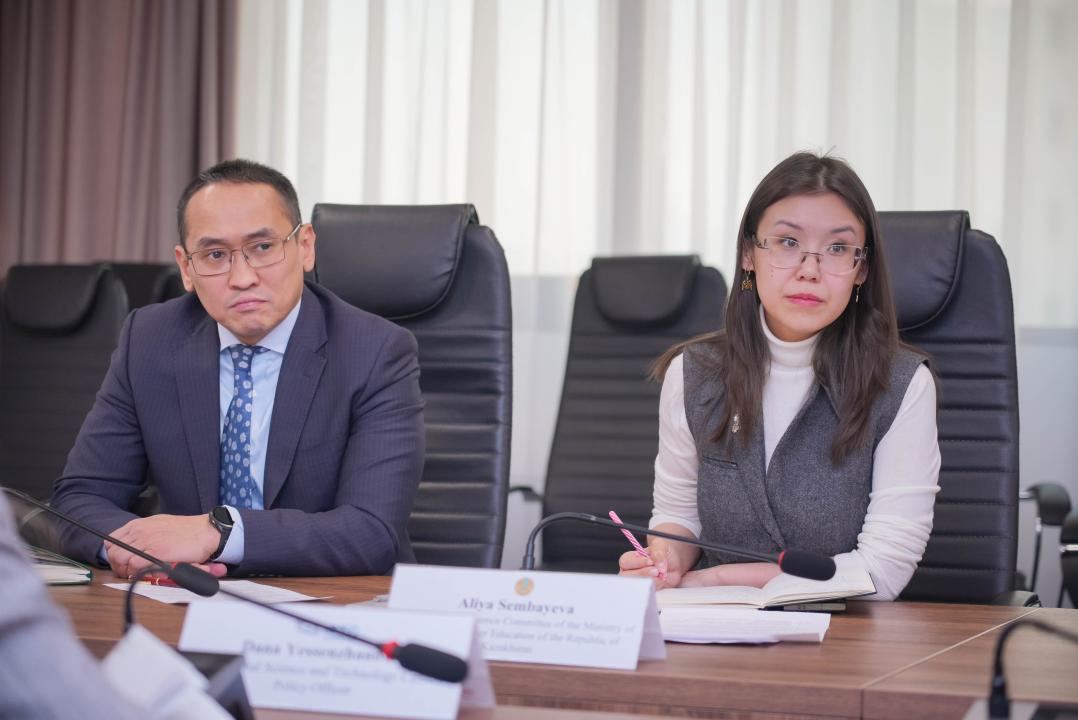
Kazakhstan is strengthening its role in international scientific cooperation. In Astana, the Minister of Science and Higher Education of Kazakhstan Sayasat Nurbek met with a delegation of the International Science and Technology Center (ISTC) led by its Executive Director Karina Angelieva, DKNews.kz reports.
The meeting focused not only on reviewing past results, but also on how Kazakhstan can further integrate into the global scientific and technological landscape in the coming years.
More than a decade of cooperation with real results
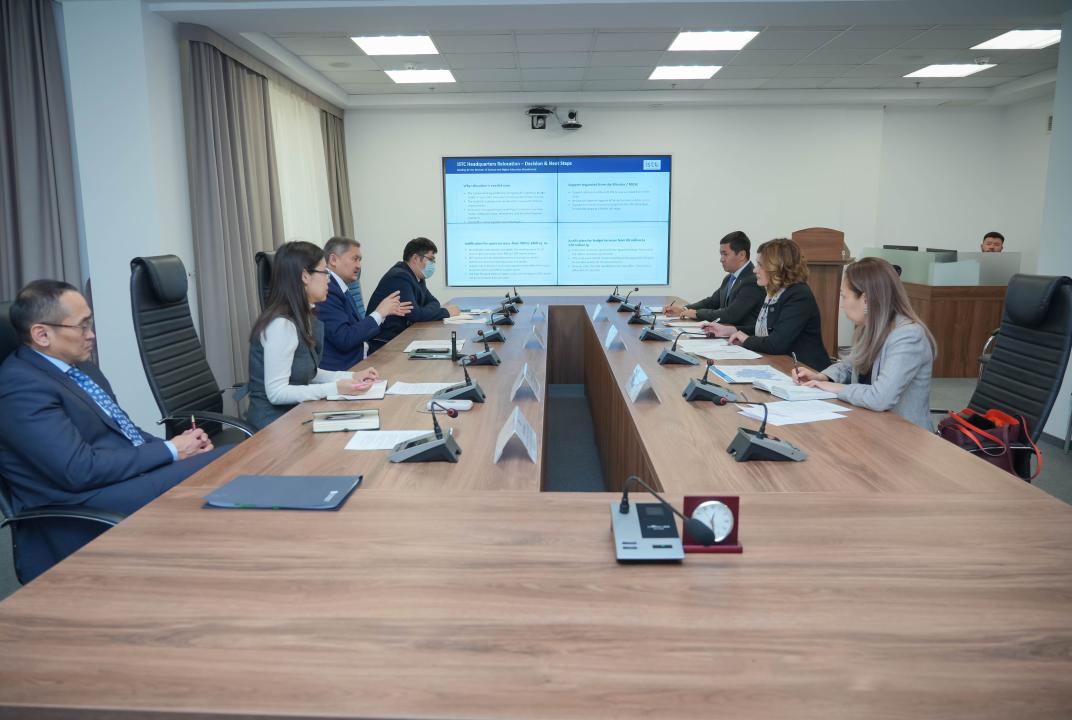
Kazakhstan has been an active participant in ISTC activities for more than ten years. During this period, over 50 scientific projects have been implemented in the country, involving more than 1,500 scientists. These figures highlight that the partnership goes beyond formal agreements and delivers tangible outcomes for the research community.
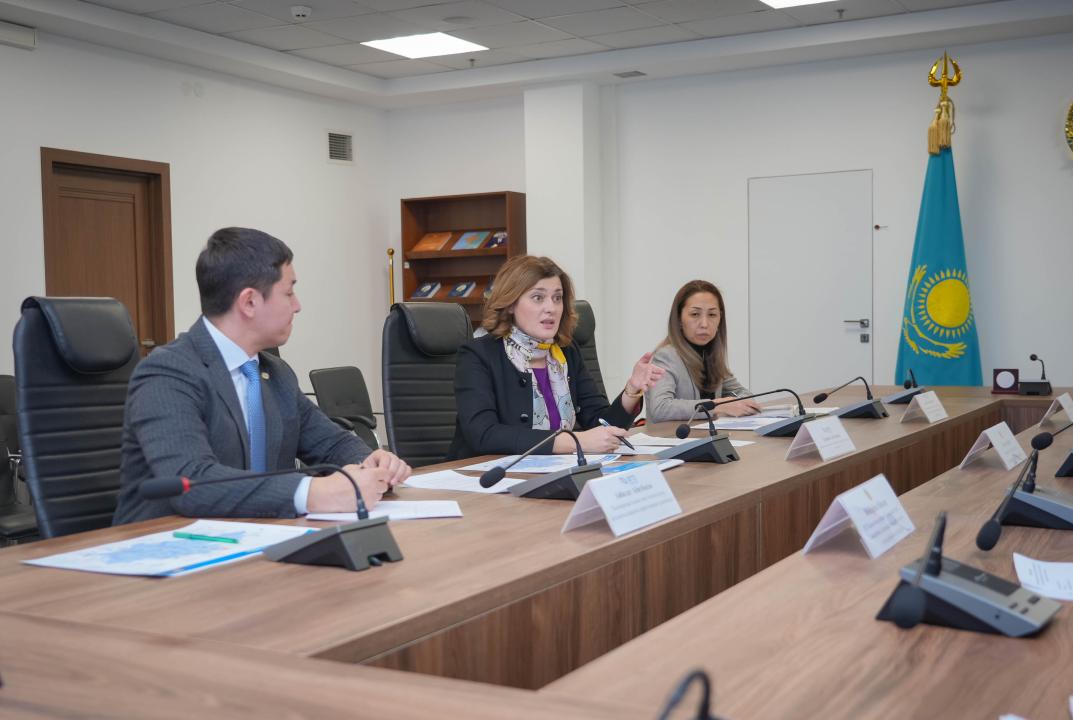
Since 2015, the ISTC headquarters has been located in Astana, underscoring Kazakhstan’s strategic role in the organization’s activities and its importance as a regional hub for international scientific cooperation.
Looking back — and planning ahead
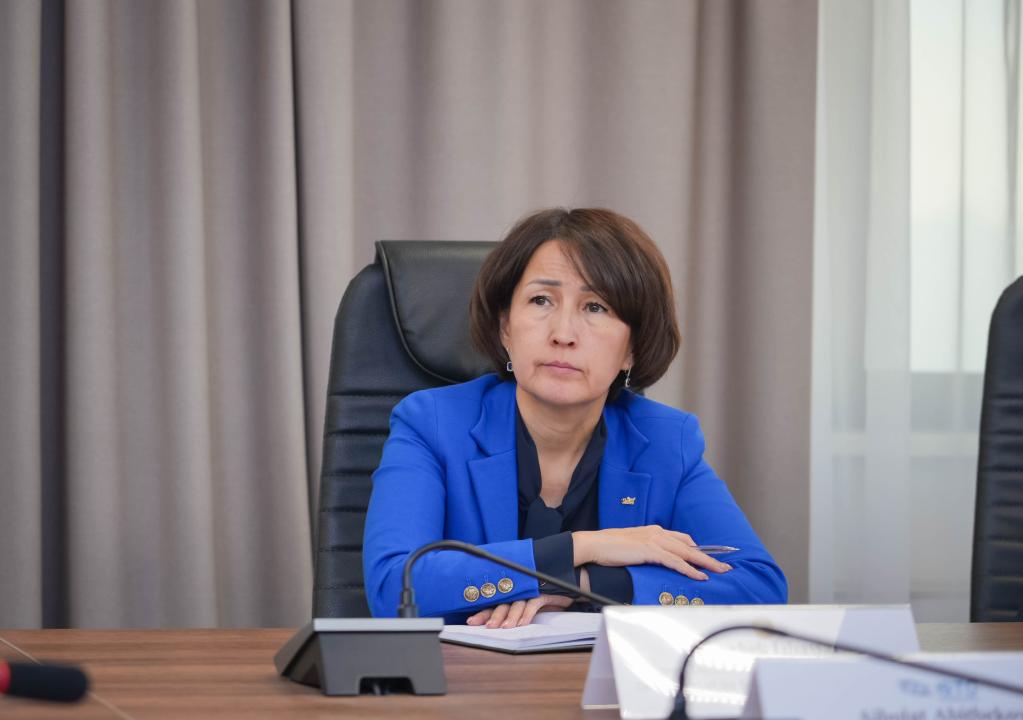
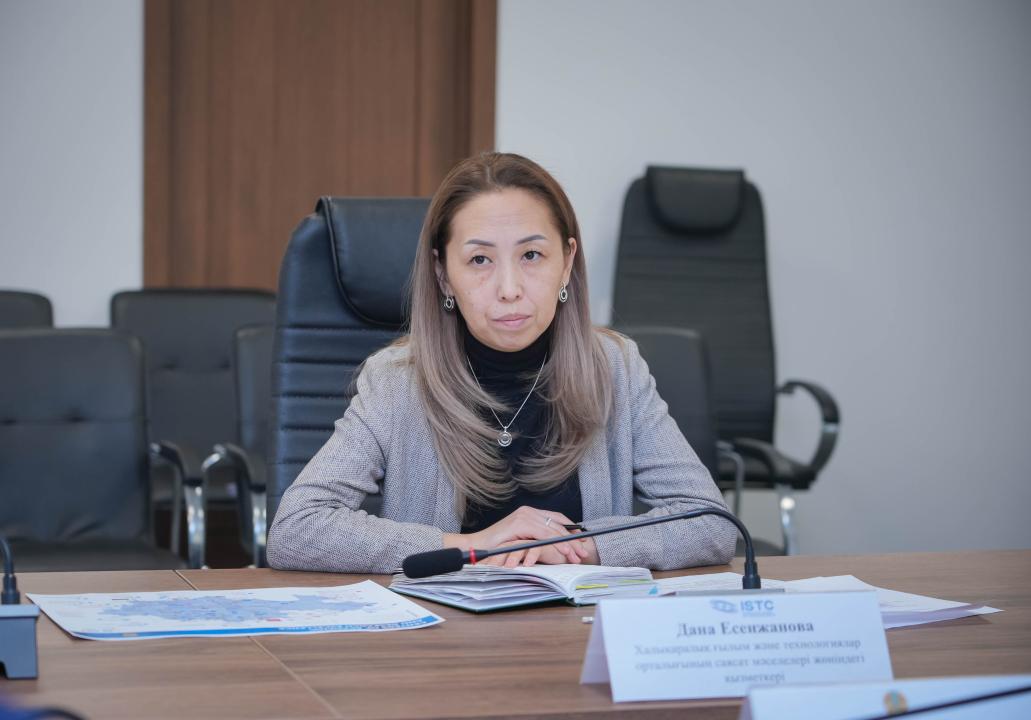
During the meeting, the sides reviewed the results of cooperation over the past year and discussed promising areas for expanding the partnership. The emphasis was placed not only on increasing the number of joint projects, but also on enhancing their quality and international relevance.
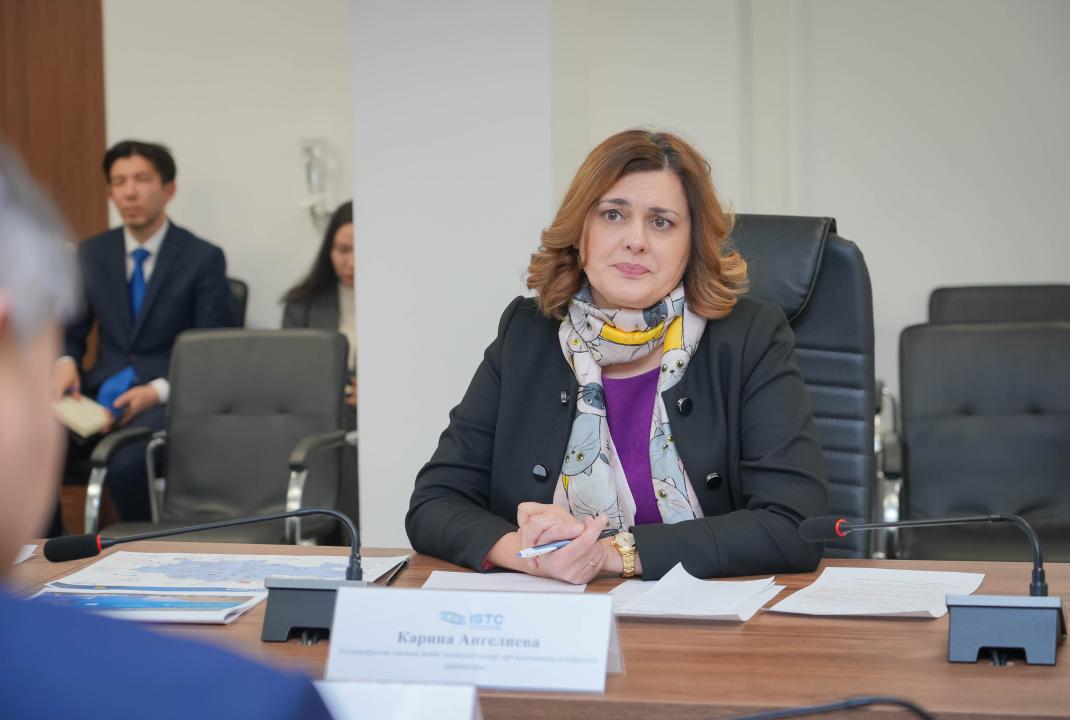
Karina Angelieva presented several initiatives aimed at deepening cooperation and expanding Kazakhstan’s participation in ISTC scientific and technical projects, as well as in major international research programs, including Horizon Europe.
A strategic investment in the future
Minister Sayasat Nurbek reaffirmed Kazakhstan’s strong interest in further developing a sustainable partnership with ISTC. According to him, joint research and innovation projects play a crucial role in strengthening national science, supporting young researchers and introducing advanced technologies into the economy.
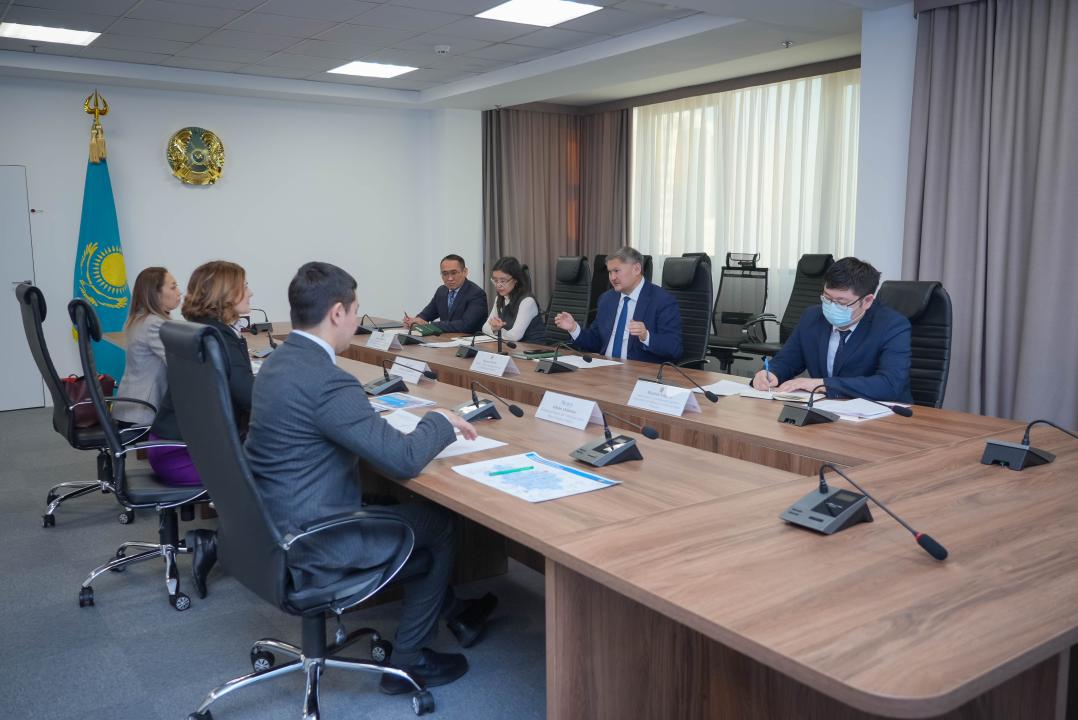
In today’s global environment, science and technology are becoming key drivers of competitiveness and long-term growth. Expanding international cooperation in this field is therefore seen as a strategic investment in Kazakhstan’s future.
Why this matters
For Kazakhstan, cooperation with ISTC provides more than access to international expertise. It offers an opportunity to:
- integrate local scientists into global research networks,
- improve the quality and visibility of national research,
- support innovation-driven development,
- and strengthen the country’s scientific ecosystem.
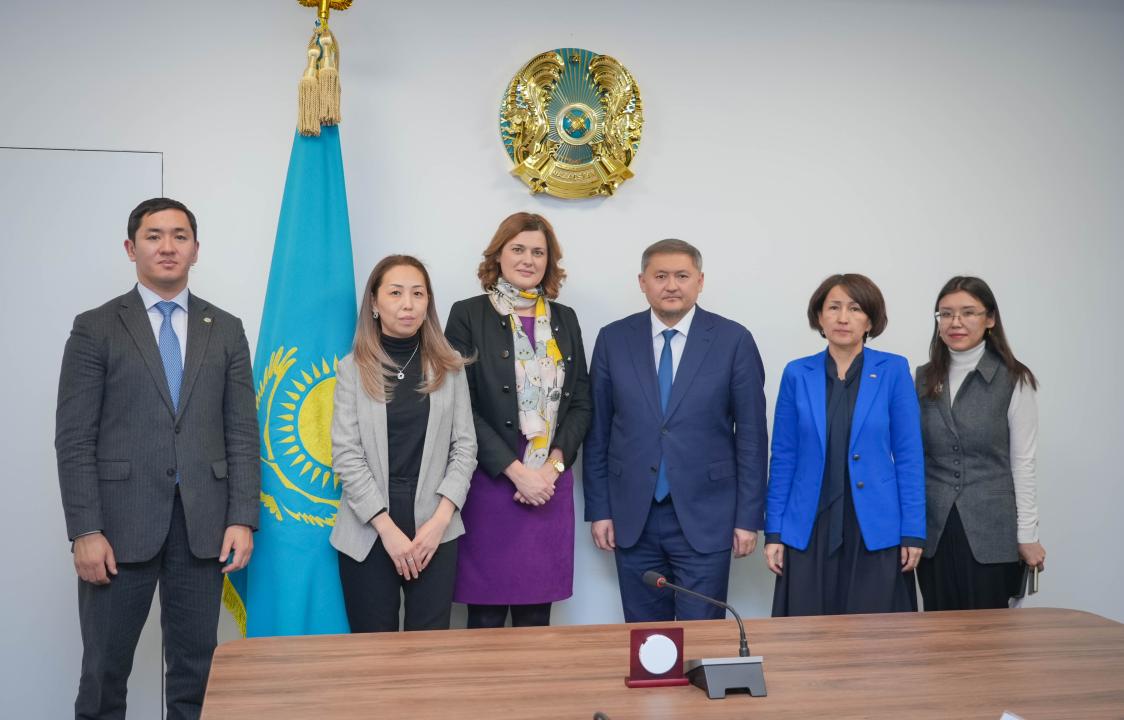
The meeting in Astana demonstrated Kazakhstan’s clear intention to position science as a priority and to build an open, internationally connected research environment. The message is clear: Kazakhstan aims not only to participate in global science, but to be an active and trusted partner in shaping it.