

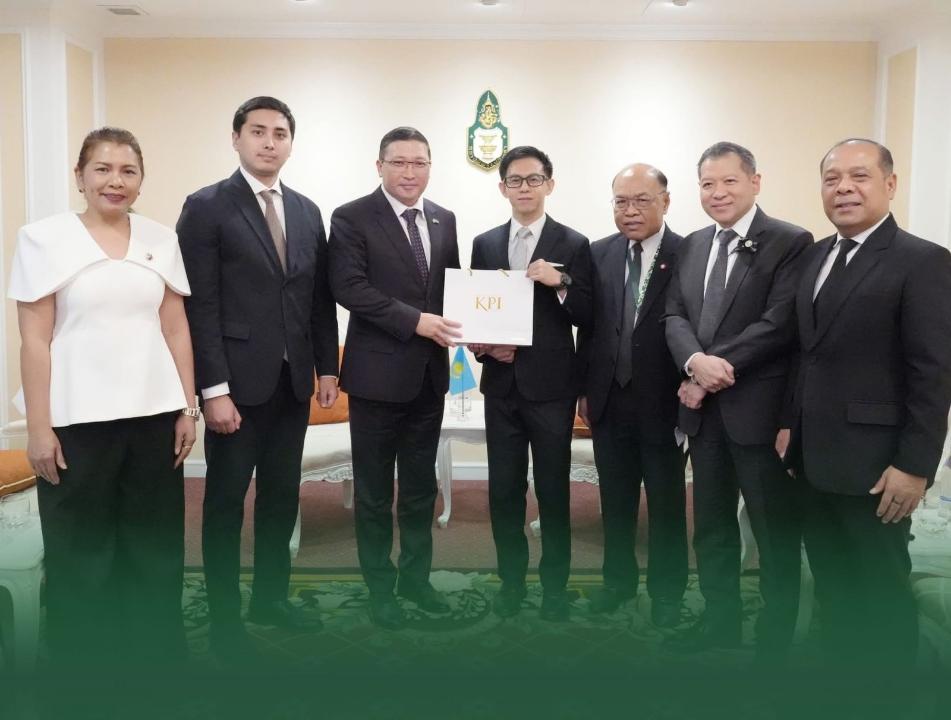
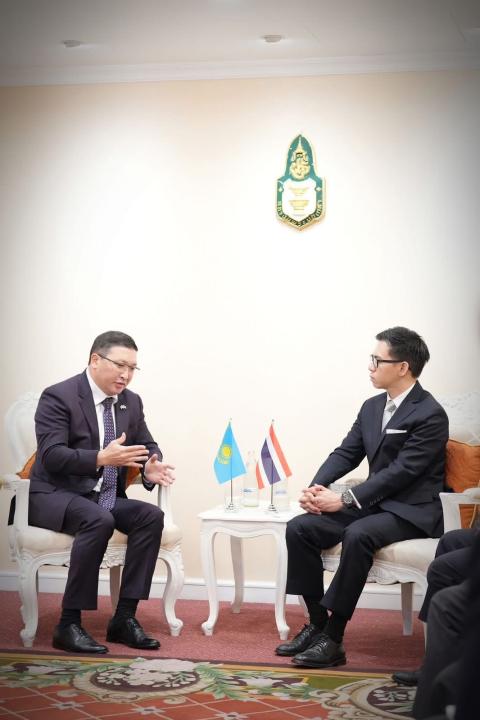
Kazakhstan is steadily expanding its international dialogue on political modernization and effective governance, and Southeast Asia is becoming an increasingly important part of this conversation. In Bangkok, Ambassador of Kazakhstan to the Kingdom of Thailand Margulan Baimukhan met with Issara Sereewatthanawut, Secretary-General of the King Prajadhipok’s Institute (KPI), one of Thailand’s most influential institutions in the field of democracy and public administration, DKNews.kz reports.
At first glance, the meeting looked academic in nature. In reality, it reflected a deeper convergence of interests: how states adapt their political systems to modern challenges while strengthening democratic institutions and public trust.
A key Thai institution for democracy and governance
The King Prajadhipok’s Institute is widely regarded as Thailand’s leading national hub for research and professional training in democracy, constitutionalism, political development, and effective governance. The Institute plays a strategic role in shaping governance culture in the country, delivering executive-level training programs for senior officials at both national and provincial levels.
Beyond education, KPI conducts applied research, provides policy advice, and works closely with state institutions, parliamentary bodies, and international organizations. This makes it a natural counterpart for Kazakhstan’s academic and analytical institutions involved in governance reform.
Shared interests in reform and capacity building
During the meeting, the two sides discussed prospects for cooperation in public administration, social development, parliamentarism, and training personnel for central government bodies and internal affairs institutions. Particular attention was paid to building partnerships between scientific, educational, and analytical organizations in Kazakhstan and Thailand.
Ambassador Baimukhan outlined Kazakhstan’s current political modernization agenda, emphasizing priorities set by President Kassym-Jomart Tokayev at the 5th session of the National Kurultai held in Kyzylorda in January 2026. According to him, the reforms are aimed at building a “Just Kazakhstan,” strengthening the principle of “Law and Order,” and improving the efficiency and transparency of public governance.
Constitutional reform as a systemic process
A separate focus of the discussion was the President’s decision to establish a Constitutional Commission. The Commission is tasked with consolidating proposals to further refine Kazakhstan’s system of governance and preparing a package of constitutional amendments to be submitted for consideration through a nationwide referendum.
The Ambassador подчеркнул that these reforms are irreversible and designed to create a more effective, citizen-oriented state while reinforcing resilient democratic institutions.
“Kazakhstan is ready for practical, content-driven cooperation with Thailand’s specialized institutions. Expert exchanges, joint research, and shared educational initiatives could significantly enhance human capital development in both countries,” Margulan Baimukhan said.
Interest from the Thai side
Issara Sereewatthanawut welcomed Kazakhstan’s openness to cooperation and expressed interest in developing institutional ties with Kazakhstan’s research and analytical community. He noted strong potential for collaboration in comparative political studies, the exchange of best practices in parliamentary work, democratic institution-building, and improving governance performance.
Both sides reviewed concrete formats for cooperation, including joint seminars and conferences, exchanges of experts and program participants, and the launch of collaborative research projects.
Next step: a visit to Kazakhstan
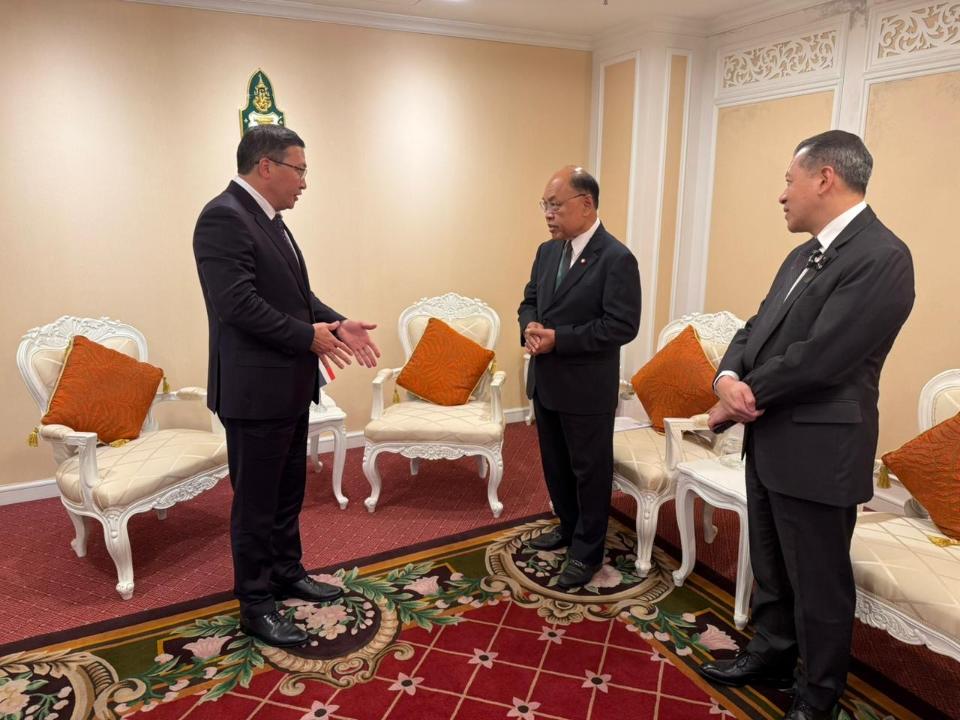
The meeting concluded with an agreement to plan a visit by the KPI Secretary-General to Kazakhstan. The visit is expected to include substantive meetings with government agencies, as well as scientific, educational, and analytical institutions, with the goal of identifying specific areas for long-term practical cooperation.
The dialogue in Bangkok shows that Kazakhstan’s reform agenda is drawing attention well beyond its immediate region. By engaging with institutions like the King Prajadhipok’s Institute, Kazakhstan is positioning itself not only as a country undergoing transformation, but also as an active participant in global conversations on democracy, governance, and public-sector effectiveness.