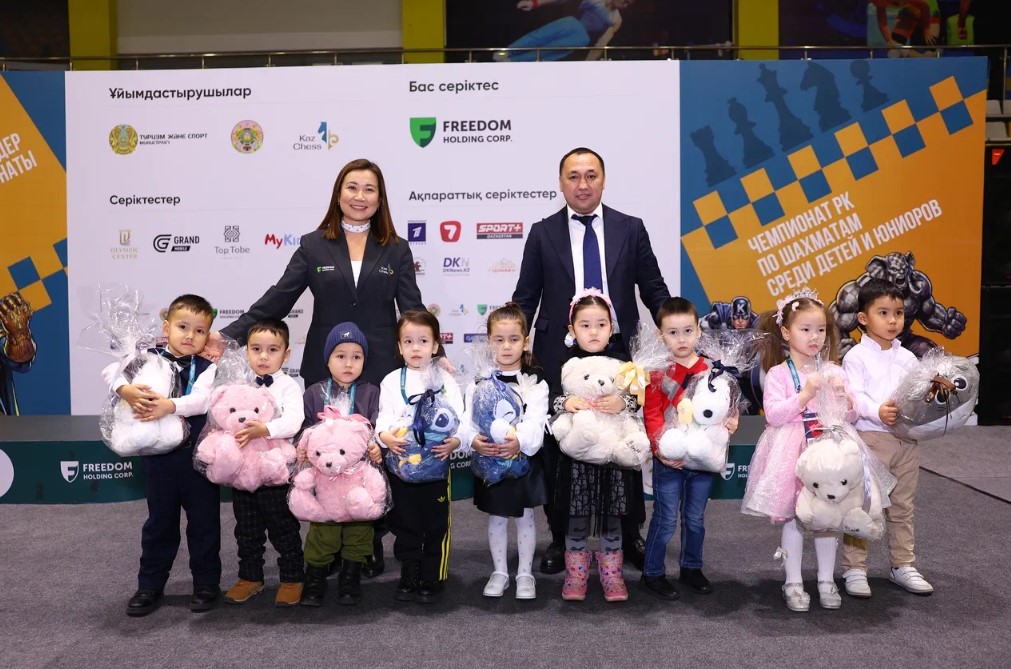

In January 2026, ancient Turkistan proved once again that history is not only something you preserve — it is something you create, DKNews.kz reports.
For ten intense days, from January 20 to 30, the city turned into the undisputed chess capital of Kazakhstan, hosting the national championship for players under 18 at the Olympic Reserve Training Center.
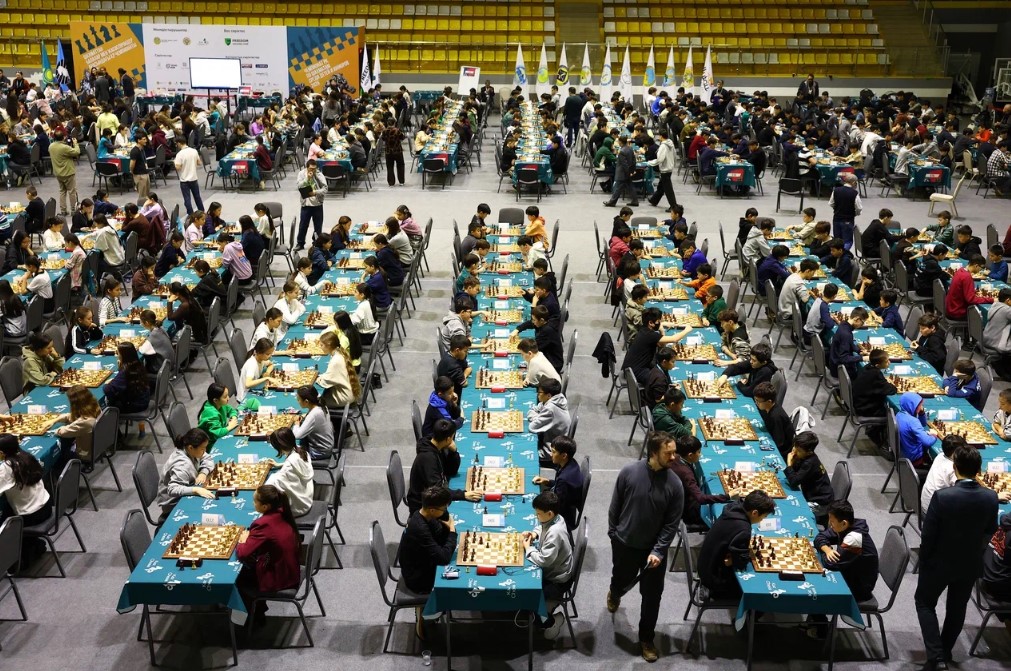
Nearly 1,000 children and teenagers, representing all 17 regions of the country and three cities of republican significance, competed for medals in three disciplines: classical chess, rapid and blitz. What unfolded in Turkistan was far more than a junior tournament — it was a glimpse into the future of Kazakh chess.

One Tournament, One Common Drive: Fight Until the Last Move
The level of competition was striking. Some participants arrived already wearing the invisible crowns of world and Asian champions, while others were just beginning their journey toward big titles. But titles mattered little once the clocks were started.
What united everyone was the same thing:
an uncompromising hunger for victory and the willingness to fight until the very last move.
By the end of the championship, the team from Astana confidently claimed the overall team Cup, collecting an impressive 16 gold medals across the three formats. Yet the medals themselves were spread all across the country — from the west to the south, from regional centers to smaller cities — and several results left even experienced coaches genuinely surprised.
Classical Chess: Where New Stars Were Born
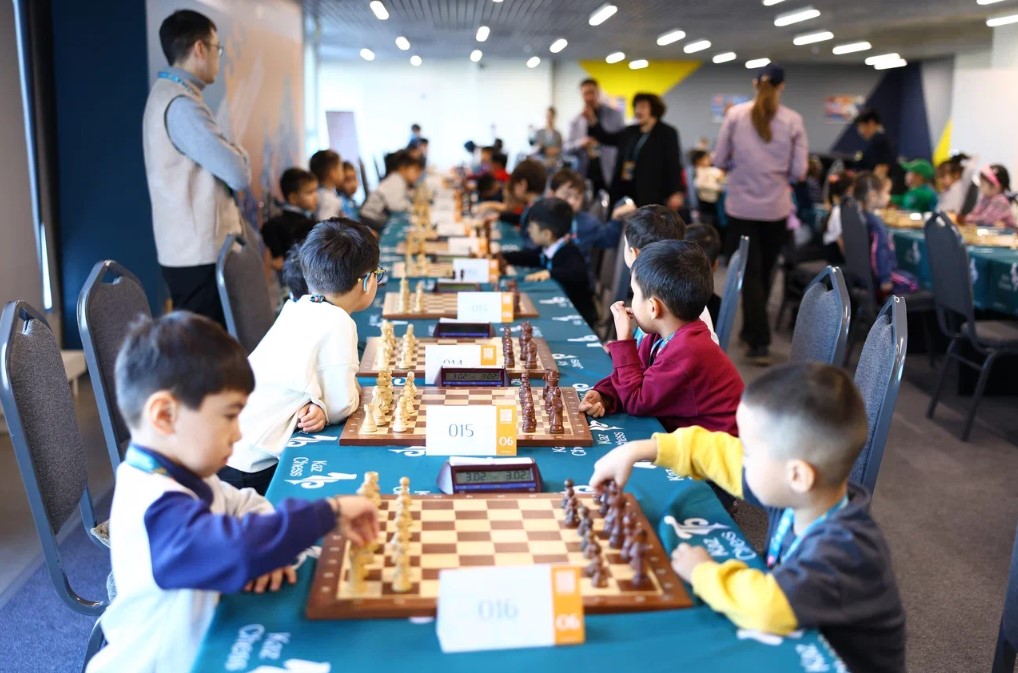
The championship opened on January 20 with the classical section. Players faced nine rounds under a classical time control of 90 minutes plus 30 seconds per move. On January 27, medals were awarded in 14 age categories — and that was when the tournament delivered its biggest sensation.
In chess age groups labeled “U” (Under X), players who will turn X+1 during the calendar year are allowed to compete. That rule set the stage for an extraordinary story.
Amina Saimasai, born on June 29, 2020, entered the U6 girls category at just five and a half years old. Not only did she win the national championship — she secured the title one round before the finish, leaving no doubts about her dominance.
At an age when most children are still learning the rules, Amina was already calculating variations, converting advantages and handling pressure like a seasoned competitor. It was a moment that perfectly captured the spirit of Turkistan-2026: the future had arrived early.
Across other age groups, especially U8, U10 and U12, new names emerged with solid ratings, confident opening preparation and mature decision-making. Astana’s consistent presence at the top once again highlighted the strength of its chess system — structured, long-term and clearly effective.
Rapid Chess: 15 Minutes, No Compromises
On January 28–29, the tournament shifted gears. Rapid chess took over: 15 minutes plus 10 seconds per move, nine rounds, boys and girls competing separately.
Several leaders from the classical section chose to skip rapid and blitz altogether, focusing instead on preparations for adult-level tournaments. But their absence created opportunities — and ambitious newcomers seized them instantly.
As expected, many young players who are already part of, or knocking loudly on the doors of, Kazakhstan’s adult national teams skipped classical chess entirely and committed fully to rapid and blitz. The pace was unforgiving, the fights sharp, and the standings often changed until the very last round.
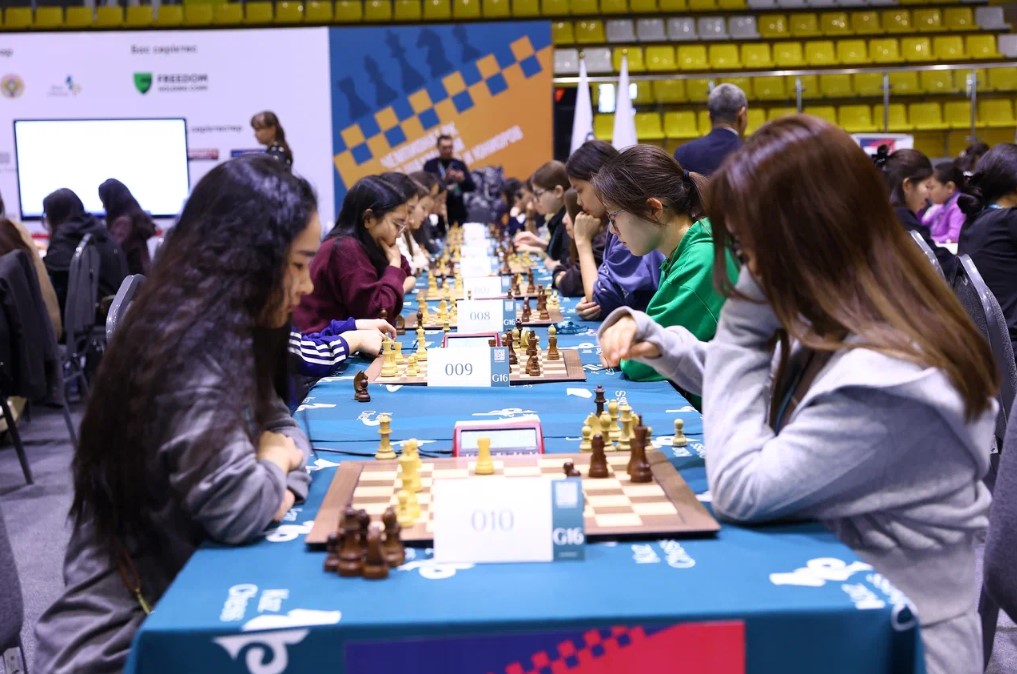
Blitz: Lightning Moves and Absolute Triumphs
January 30 delivered the final act: blitz chess.
3 minutes plus 2 seconds per move.
Nine rounds. No second chances.
Here, instinct, courage and psychological resilience mattered more than theory. Some categories produced clear, dominant winners; others remained wide open until the final move of the final game.
A number of players managed the rare feat of winning medals across all three formats — classical, rapid and blitz — proving not just talent, but versatility. In youth chess, that combination is often the clearest sign of future elite potential.

The Astana Effect — and the Bigger Picture
With 16 gold medals, Astana’s delegation claimed the overall team Cup, reinforcing its reputation as the country’s leading chess hub. But perhaps the most important takeaway from Turkistan-2026 goes far beyond team standings.
This championship made one thing unmistakably clear:
Kazakh chess is getting younger — and stronger — every year.
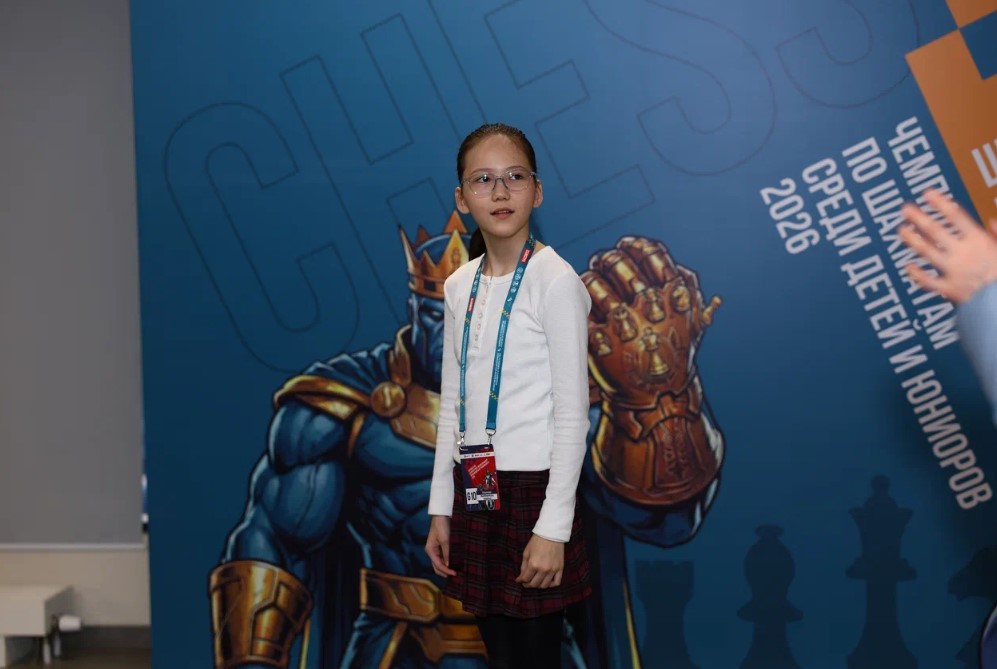
Children who are winning medals today in the U8 and U10 categories will, in just a few years, be ready to compete for adult national and international titles. The foundation is already there: discipline, ambition, and an impressive speed of thinking.

Turkistan-2026 will be remembered not only for its ancient mausoleums and historic atmosphere, but for the chess games that were written right before our eyes — games that quietly, confidently, began rewriting the history of Kazakhstan’s chess.