


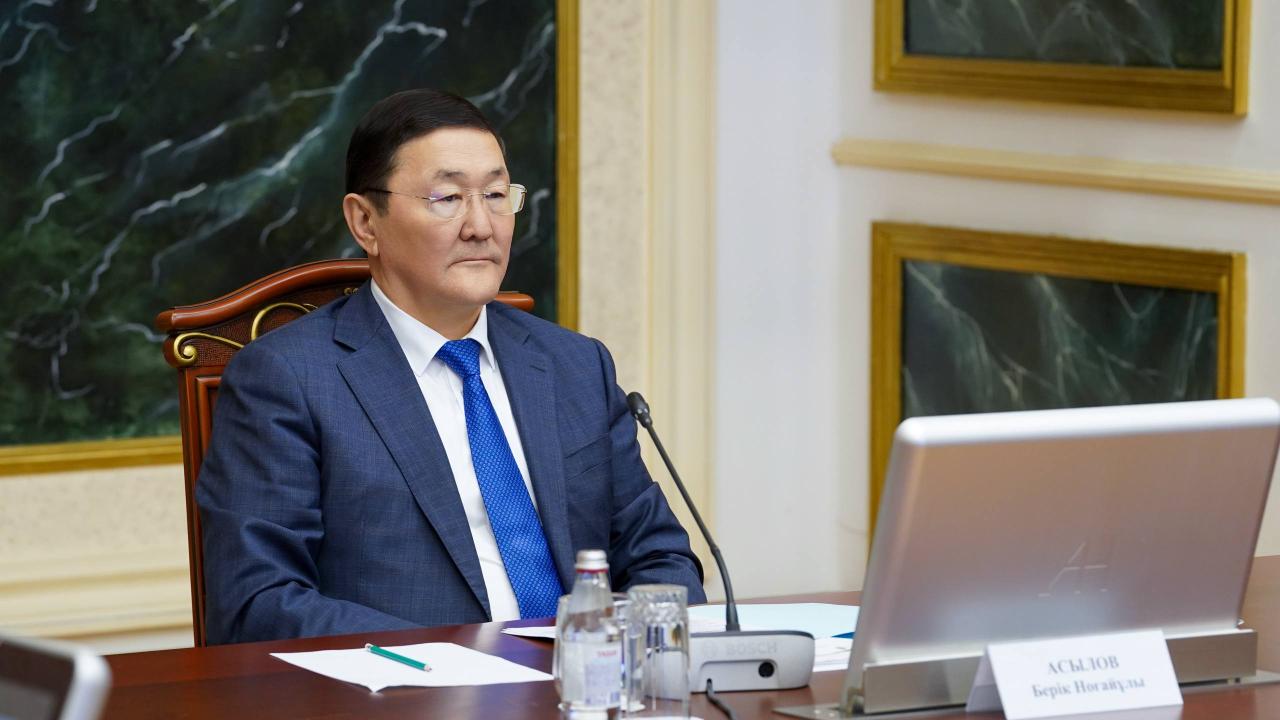
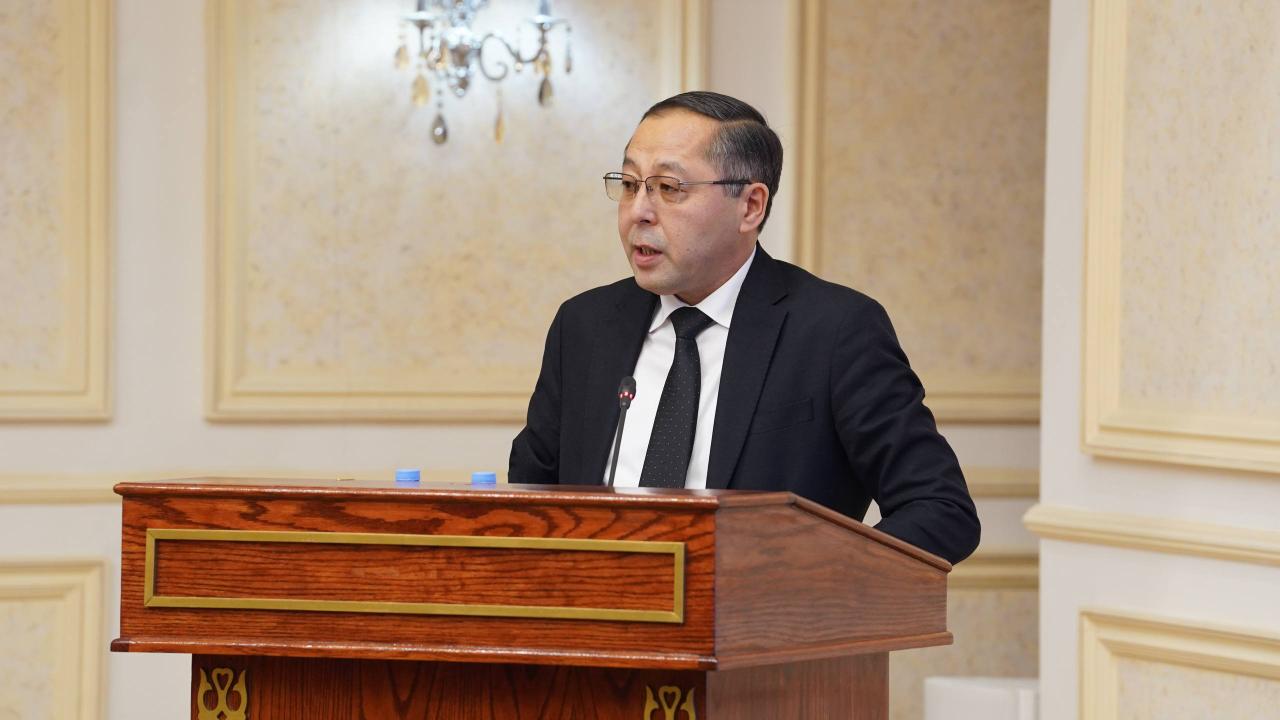
Water management in Kazakhstan is moving to the forefront of the national agenda. As water scarcity intensifies, the issue is no longer confined to environmental policy or agriculture alone - it has become a matter of food security and social stability. This was the key message of an interagency meeting on water resource use chaired by Prosecutor General Berik Asylov, DKNews.kz reports.
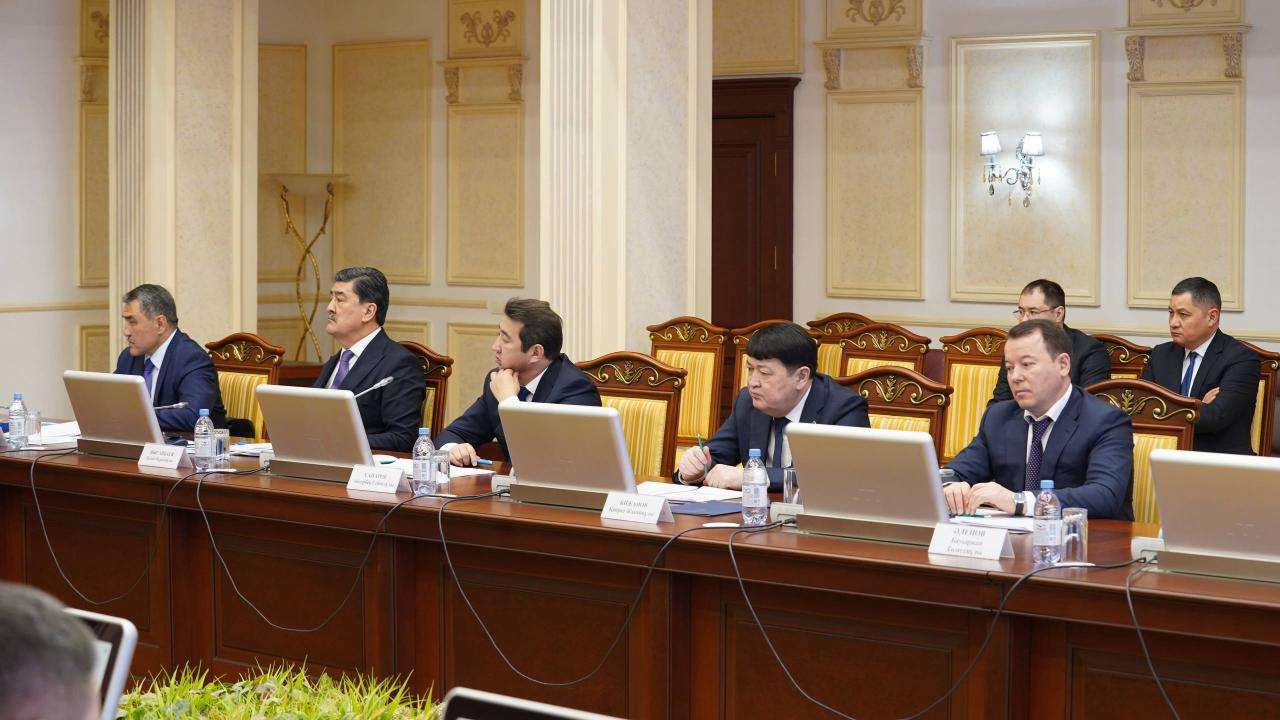
The meeting brought together ministers responsible for ecology and natural resources, water resources, agriculture, as well as heads of relevant government and law enforcement agencies. The discussion was direct, pragmatic, and focused on systemic solutions.
Why water is now a national priority
During the meeting, it was emphasized that water is a strategic resource and a critical factor for both food production and social stability. Against the backdrop of growing shortages, effective, transparent, and fair governance of the water sector is becoming increasingly important.
For Kazakhstan, where agriculture remains highly dependent on irrigation, inefficient or unjust water distribution directly affects farmers, regional economies, and rural livelihoods.
Illegal water use and shadow pricing
The discussion highlighted serious violations identified in recent periods. These include unauthorized water extraction, illegal installation of pumping equipment, and the sale of water at arbitrarily set prices during the vegetation season.
Such practices undermine the rights of law-abiding water users and damage the state system of resource allocation. When water becomes subject to informal rules, those who follow regulations are placed at a disadvantage, while the overall system loses transparency and credibility.
Participants agreed that these problems are systemic and require coordinated, comprehensive responses rather than isolated enforcement actions.
Roadmap: from audits to satellite monitoring
In line with the President’s instructions, a dedicated Roadmap has been developed to bring order to the sector. It includes a range of concrete measures:
- a nationwide audit of water resources
- the creation of water risk zone maps
- a review of funds allocated for water infrastructure development
- the introduction of water-saving irrigation technologies
- measures to eliminate corruption and shadow financial schemes
The goal is to establish full visibility and accountability for how water is allocated and used.
Farmers at the center of policy
Protecting the interests of agricultural producers has been identified as a key priority. The focus is on ensuring fair, rational, and water-efficient access to resources, without administrative pressure or informal practices.
Government agencies have been tasked with introducing digital water accounting systems and satellite-based monitoring of water consumption. In addition, crop planning and the selection of agricultural crops must be aligned with approved water limits.
The overarching objective is clear: to reduce waste and significantly improve the efficiency of water use.
Flood preparedness under scrutiny
The meeting also addressed preparations for the flood season. Regional prosecutors have been instructed to assess the legality and completeness of flood prevention measures, as well as the effectiveness and targeted use of budget funds allocated for these purposes.
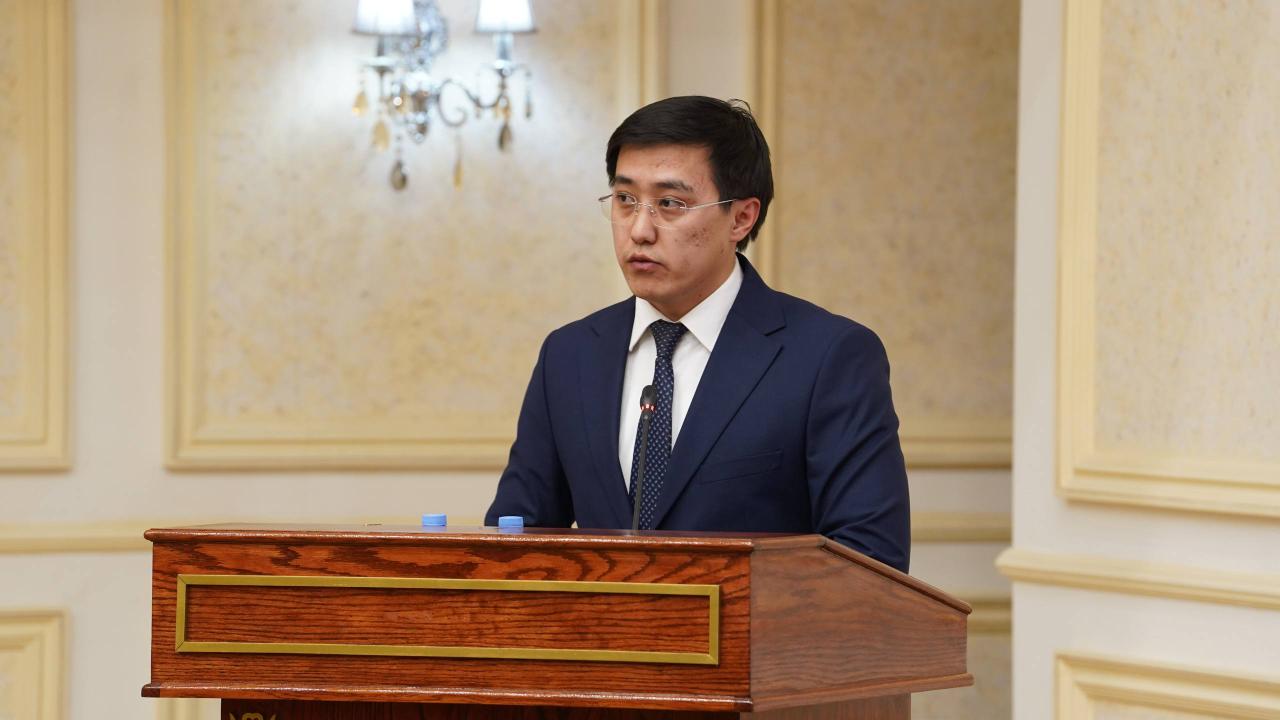
It was noted that in 2025, a total of 72 billion tenge was allocated and fully spent on flood prevention efforts. The priority now is to ensure that these funds translate into real protection for communities and infrastructure.
What this signals going forward
The meeting signals a shift in how Kazakhstan approaches water management. Water is no longer treated as an unlimited resource, but as a strategic asset requiring strict oversight, accurate accounting, and long-term planning.
As climate risks grow and demand continues to rise, the success of these measures could play a decisive role in safeguarding agriculture, regional stability, and the country’s broader economic resilience.