
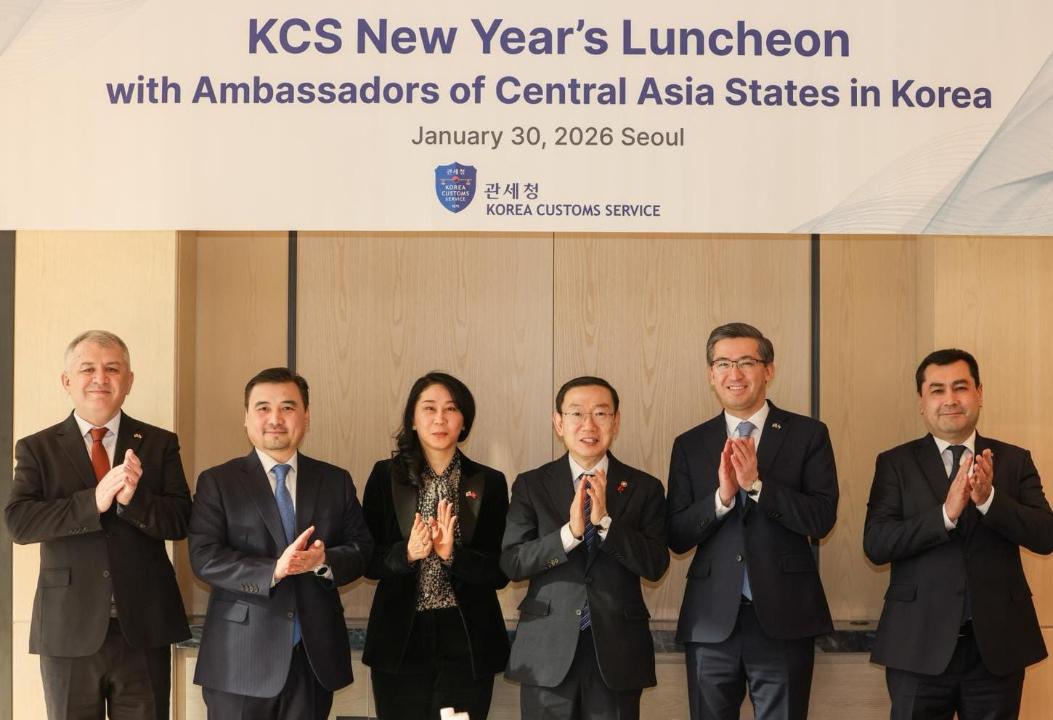
An international event dedicated to trade facilitation between Central Asia and the Republic of Korea was held in Seoul, bringing together government officials, customs authorities and experts to discuss how trade flows between the regions can be made faster, simpler and more transparent. The meeting was organized by the Korea Customs Service and focused on very practical issues that directly affect business, DKNews.kz reports.
At the center of the discussions were key areas of customs cooperation, including concrete measures to simplify procedures, reduce administrative barriers and create more predictable conditions for companies engaged in foreign trade. In a global environment where speed and reliability of logistics increasingly determine competitiveness, customs efficiency is no longer a technical detail but a strategic factor.
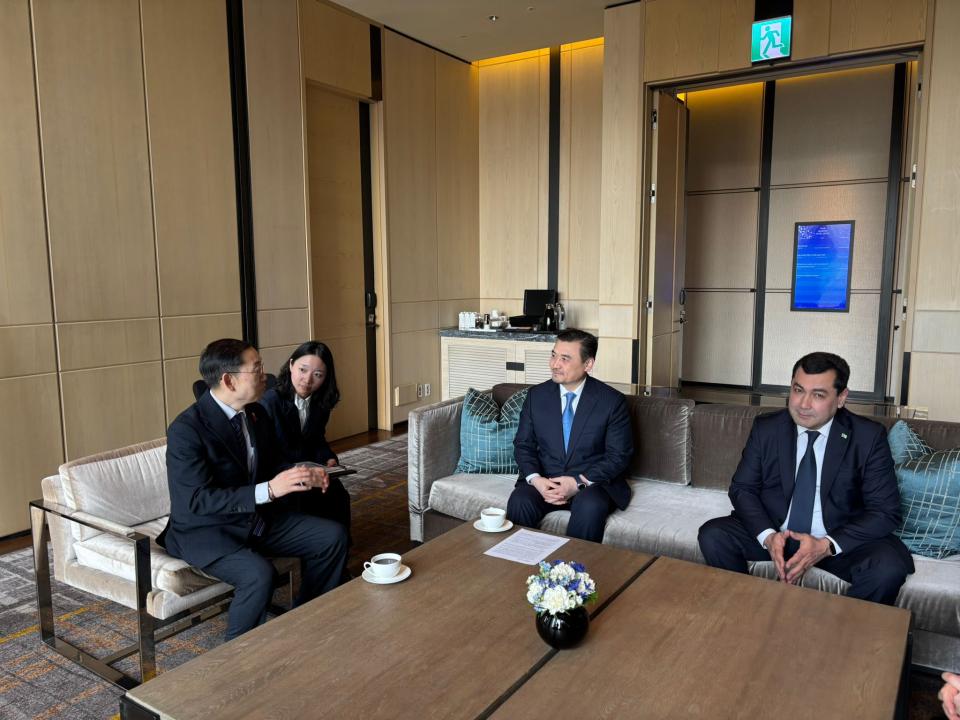
Speaking at the event, Kazakhstan’s Ambassador to the Republic of Korea, Nurgali Arystanov, stressed that further strengthening customs cooperation is essential for expanding bilateral trade and boosting business activity. According to him, creating favorable and transparent conditions for exporters and importers directly translates into higher trade volumes and stronger economic ties.
He also highlighted that President Kassym-Jomart Tokayev places special emphasis on developing Kazakhstan’s transport and transit potential. Positioned between Asia and Europe, the country aims to play a key role in transcontinental trade routes, and efficient customs procedures are a crucial part of that ambition. Without modern, streamlined customs systems, even the best transport corridors cannot fully deliver their potential.
Digital customs as a new standard
One of the most discussed topics was the digitalization of customs procedures. Participants emphasized the growing importance of introducing artificial intelligence technologies and big data analytics into customs administration. These tools allow authorities to better manage risks, reduce manual checks and significantly speed up cargo clearance, while maintaining security and compliance.
Both sides expressed readiness to exchange experience and best practices in this area, noting that digital customs solutions are becoming a global standard rather than an experimental innovation. The transition to paperless trade was also highlighted as a key goal, reducing costs for businesses and increasing transparency.
Central Asia as a bridge between continents
The head of the Korea Customs Service, Lee Myeong-gu, pointed to the strong transport and logistics potential of Central Asian countries. He described the region as an increasingly important bridge between Asia and Europe, capable of playing a much larger role in global supply chains.
In this context, he underlined the importance of promoting the Digital Silk Road concept, which aims to support seamless, paperless trade across borders through digital integration of customs and logistics systems.
Trade figures and future prospects
The event in Seoul confirmed the positive momentum in cooperation between Kazakhstan and the Republic of Korea. The two countries already operate a Joint Customs Cooperation Committee, which regularly addresses practical issues of customs administration and coordination.
Economic figures reflect this steady progress. By the end of 2025, bilateral trade reached 3.2 billion US dollars, marking a 1.4 percent increase. While modest in percentage terms, this growth is seen as a sign of resilience and sustained mutual interest amid global economic uncertainty.
The discussions in Seoul made one thing clear: Kazakhstan and South Korea are not just looking to increase trade volumes, but to improve the quality of cooperation itself. By investing in digital customs, smarter procedures and closer coordination, both sides are laying the groundwork for faster trade, lower costs and stronger economic ties in the years ahead.