
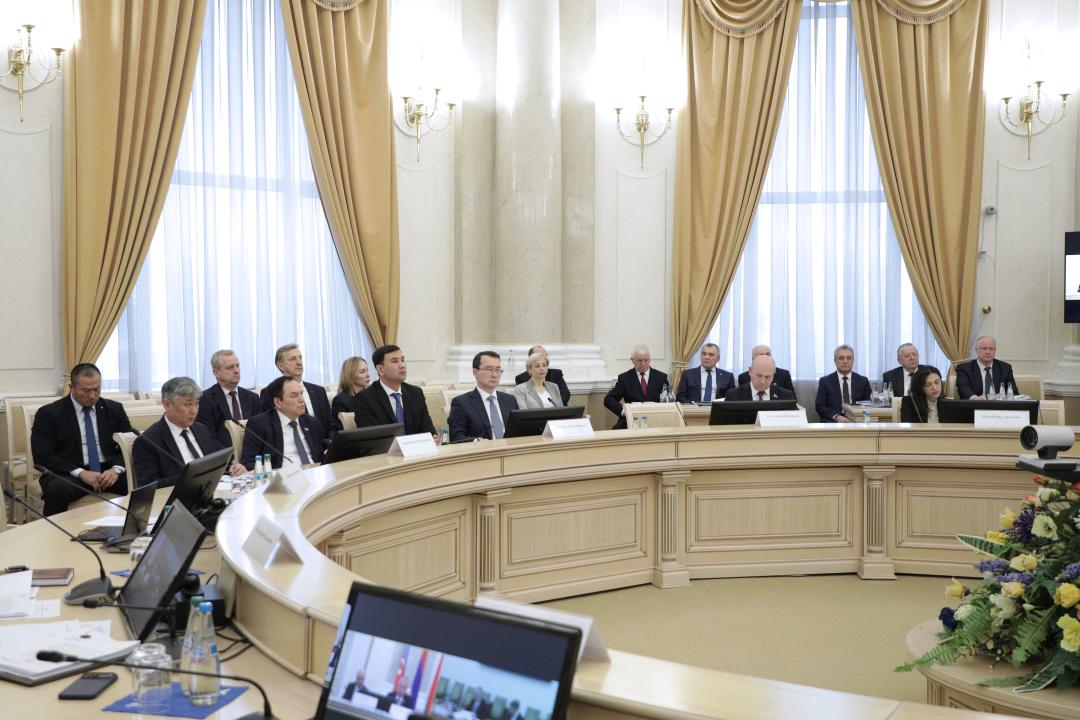
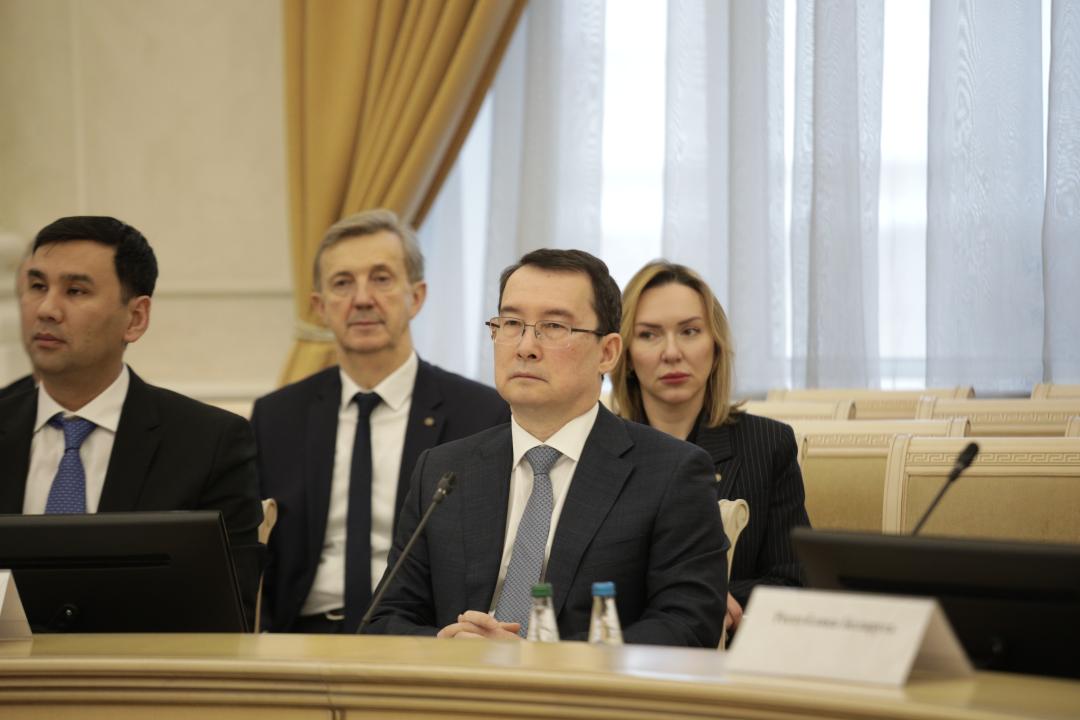
Kazakhstan has begun explaining its planned political reforms to international partners, using multilateral platforms to outline the country’s vision for future development. This agenda was presented in Minsk, where Ambassador of Kazakhstan to Belarus and Permanent Representative of Kazakhstan to the statutory bodies of the CIS, Timur Zhaksylykov, took part in the first meeting of the Council of Permanent Plenipotentiary Representatives of CIS member states, DKNews.kz reports.
The meeting became an important venue for informing partner countries about Kazakhstan’s forthcoming constitutional changes and the broader transformation of its political system.
Initiatives following the National Kurultai
During the session, the Kazakh diplomat briefed Council members on the key initiatives for Kazakhstan’s future development announced by President Kassym-Jomart Tokayev at the National Kurultai held on January 20 in Kyzylorda.
These initiatives are aimed at a comprehensive modernization of the country’s political and governance framework and are positioned as part of a long-term and structured reform agenda rather than isolated changes.
Parliament and new political institutions
Particular attention was given to the President’s vision regarding the future Parliament of Kazakhstan, including its name, structure and scope of authority. These changes are intended to strengthen the balance between branches of power and enhance the effectiveness of public administration.
The meeting also covered proposals to reform public and state institutions, including the creation of a People’s Assembly, the introduction of the vice-presidency and other mechanisms designed to broaden public participation and reinforce dialogue between society and the state.
The people will decide
A key point emphasized during the presentation was that the final decision on constitutional reforms will be made by the citizens of Kazakhstan. All proposed changes are to be submitted to a nationwide referendum.
This approach was highlighted as a fundamental principle of the reform process, ensuring public legitimacy and direct civic involvement in shaping the country’s constitutional future.
Why this matters for the CIS
Kazakhstan’s presentation attracted attention from CIS partners, as internal political stability and institutional resilience are increasingly seen as critical factors for regional predictability and cooperation.
By discussing its reform agenda openly at the CIS level, Kazakhstan signaled its commitment to transparency, gradual transformation and dialogue with neighboring states. The Minsk meeting demonstrated that Kazakhstan views its internal reforms as part of a broader regional context rather than a purely domestic matter.
What comes next
In the coming months, Kazakhstan’s constitutional initiatives are expected to be widely discussed within the country ahead of the nationwide referendum. At the same time, engagement on international platforms such as the CIS indicates that these reforms are already becoming part of a wider diplomatic and regional conversation.
Kazakhstan is thus positioning its political transformation as an open, inclusive and forward-looking process — both domestically and in dialogue with its international partners.