
Kazakhstan is increasingly focusing on regional partnerships in Europe, seeking cooperation not only at the national level but also with economically strong and strategically located provinces. In this context, Belgium’s Province of Liège has emerged as a promising partner with significant industrial, logistics and innovation potential, DKNews.kz reports.
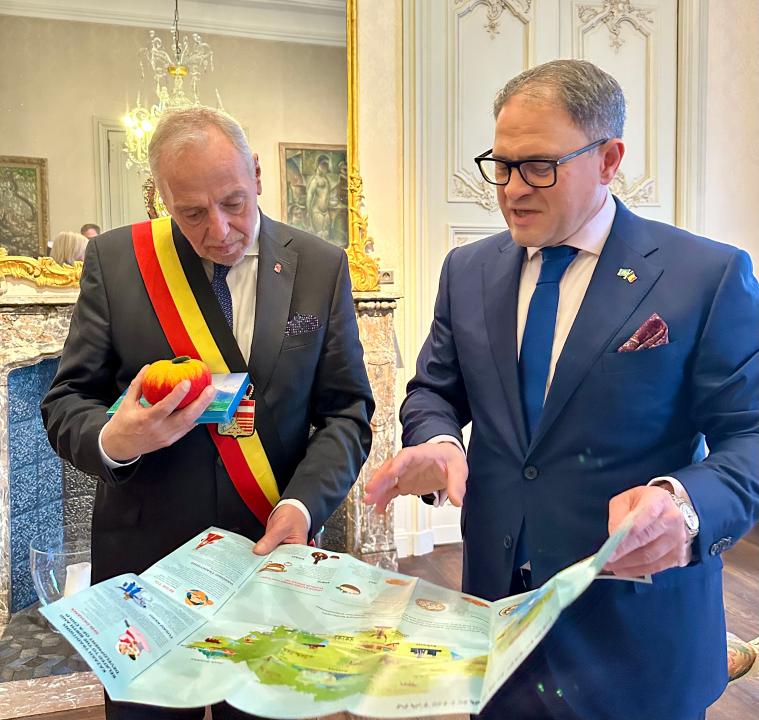
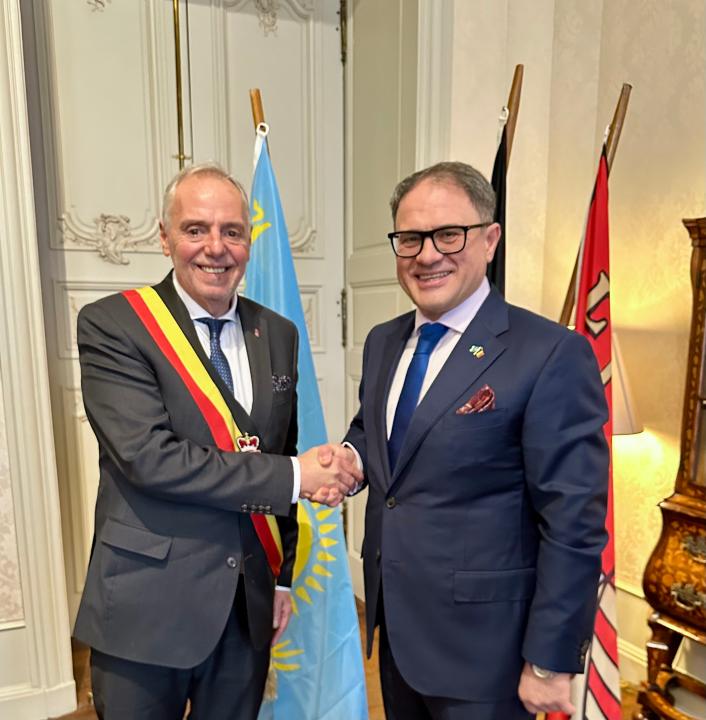
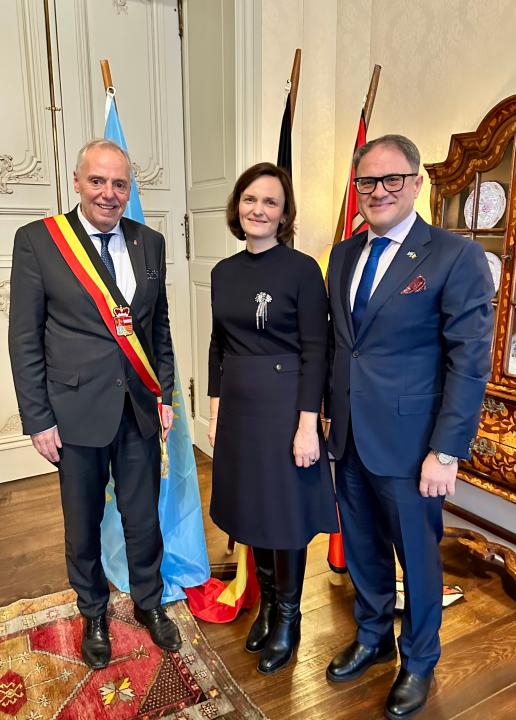
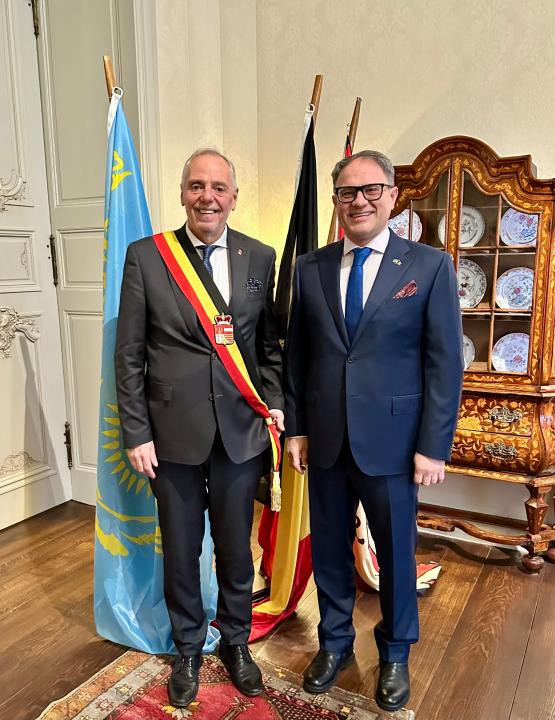
As part of a working visit to Liège, Ambassador of Kazakhstan to Belgium Roman Vassilenko held talks with the Governor of the Province of Liège, Hervé Jamar. The meeting highlighted a shared interest in moving toward practical, project-based cooperation across a wide range of sectors.
A regional partner with strategic weight
During the talks, the parties discussed the current state and future prospects of cooperation between Kazakhstan and the Province of Liège. Particular emphasis was placed on expanding interaction in trade and economic relations, industry, logistics, education, science and innovation.
The Ambassador noted that Kazakhstan views Liège as an important European partner with a strong industrial base, modern logistics infrastructure and a robust research and innovation ecosystem. In this context, Kazakhstan expressed clear interest in building long-term, project-oriented partnerships based on economic complementarity and direct interregional cooperation.
Logistics at the center of the agenda
Logistics and transport became one of the key topics of the meeting. The sides explored opportunities for cooperation in multimodal transport, air cargo services and the integration of Eurasian transport routes with major European logistics hubs.
For Kazakhstan, which continues to develop its role as a transit bridge between Europe and Asia, cooperation with a logistics center like Liège could open new routes, increase cargo flows and enhance supply chain resilience. Liège’s established position in international logistics makes it a natural partner in this process.
Industry, engineering and the green transition
The discussions also covered prospects for cooperation in industrial modernization, metallurgy and engineering solutions. In addition, both sides highlighted opportunities linked to the energy transition and the deployment of green technologies.
These areas reflect complementary strengths: Kazakhstan’s industrial and resource base combined with Liège’s engineering expertise and technological capabilities could form the foundation for joint industrial projects with long-term impact.
Education, science and innovation as long-term investments
Education, science and innovation were identified as a separate and strategically important area of cooperation. The parties expressed mutual interest in strengthening ties between universities and research centers in Kazakhstan and Liège.
Potential areas include engineering, applied sciences, agrotechnologies and aerospace research. Such cooperation is seen not only as an academic exchange, but also as an investment in human capital, technology transfer and future industrial development.
Dialogue on reforms in Kazakhstan
During the meeting, Roman Vassilenko briefed his counterpart on the progress of large-scale political and socio-economic reforms underway in Kazakhstan. Special attention was given to the outcomes of the most recent session of the National Kurultai, which outlined key priorities for modernizing public administration, strengthening democratic institutions and ensuring sustainable development.
The sides also exchanged views on the draft of a new Constitution currently under discussion in Kazakhstan, aimed at reinforcing the rule of law, expanding civic participation and improving the effectiveness of state institutions.
Governor Hervé Jamar positively assessed the reforms being implemented in Kazakhstan, emphasized the potential for expanding interregional cooperation, and expressed readiness to facilitate direct contacts between the business, academic and institutional communities of Liège and Kazakhstan.
Why Liège matters
Liège is one of the most developed industrial and logistics centers in Belgium’s Wallonia region. In 2024, the province’s GDP reached EUR 35 billion, accounting for 7.5 percent of Belgium’s national GDP. The core sectors of the economy include metallurgy, mechanical engineering, transport and logistics.
The province exports chemical products, pharmaceuticals, metals, machinery, equipment and automotive components, while imports mainly consist of raw materials, energy resources and industrial equipment. Thanks to its favorable geographical location and advanced infrastructure, Liège plays a key role in European industrial cooperation and international supply chains.
A practical regional approach
Following the meeting, both sides confirmed their mutual interest in further strengthening practical cooperation at the regional level and agreed to continue dialogue with a focus on implementing concrete joint initiatives and projects.
The talks in Liège reflect Kazakhstan’s broader approach to European engagement - shifting from general political dialogue to targeted, region-based partnerships built around logistics, industry, innovation and education. In a changing global environment, such cooperation offers tangible opportunities for sustainable and mutually beneficial growth.