
At a time when global supply chains are being reshaped and traditional trade routes are under pressure, Kazakhstan and Israel are quietly strengthening their economic ties — with ambitions that go well beyond current figures, DKNews.kz reports.
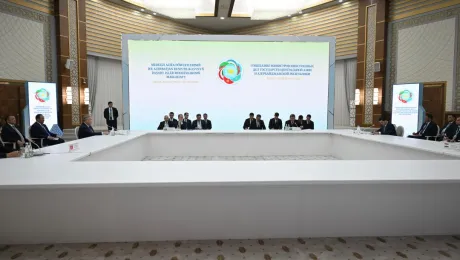
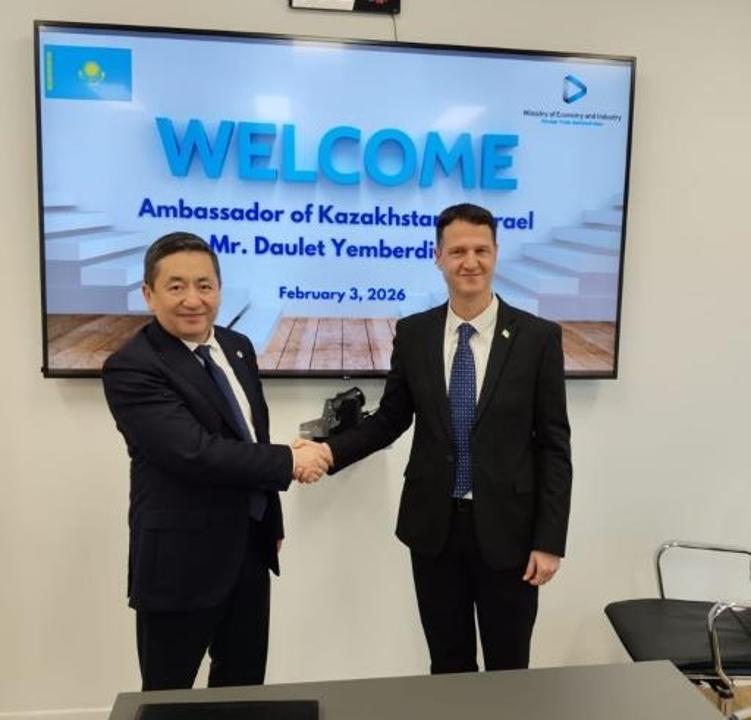
This week, Ambassador of Kazakhstan to Israel Daulet Emberdiyev met with Roy Fischer, Trade Commissioner and Director of Israel’s Foreign Trade Administration, at the Ministry of Economy and Industry in Jerusalem. The talks focused on expanding bilateral trade and adapting cooperation to today’s fast-changing geopolitical and geo-economic realities.
Trade That Has Room to Grow
Although trade relations between the two countries are already well-established, both sides agreed that the current level of cooperation does not reflect its full potential. In 2025, official bilateral trade turnover reached USD 193.5 million, but diplomats on both sides openly acknowledged that this number tells only part of the story.
A significant share of Kazakh–Israeli trade flows through third countries, meaning actual volumes are likely much higher. This also suggests untapped opportunities — especially if direct trade channels are strengthened.
From Metals to Machinery
During the meeting, the parties highlighted several sectors where cooperation could expand quickly:
- Metallurgy and petrochemicals, where Kazakhstan’s raw materials and Israel’s technologies can complement each other
- Food and chemical industries, driven by innovation and export demand
- Mechanical engineering and industrial production, an area of growing interest for both economies
The emphasis was clear: diversification is key. Rather than relying on a narrow range of goods, both countries want a broader, more resilient trade structure.
Business First: Building Direct Contacts
One of the most practical discussions centered on trade infrastructure. Israel currently operates 50 trade and economic missions worldwide, giving its companies strong global reach. Against this backdrop, the sides discussed expanding cooperation mechanisms and agreed to organize a joint business event on the platform of Israel’s Ministry of Economy.
The goal is simple but powerful — connect Kazakh and Israeli businesses directly, reduce intermediaries, and accelerate real deals instead of just diplomatic statements.
Israel’s Economy Shows Resilience
Roy Fischer also shared insights into Israel’s economic performance, pointing to positive macroeconomic indicators and the overall resilience of the Israeli economy despite regional and global challenges. This stability, he noted, creates favorable conditions for long-term partnerships and investment cooperation.
What Comes Next
Ambassador Emberdiyev reaffirmed Kazakhstan’s commitment to deepening economic cooperation, stressing that dialogue will continue through proven institutional formats. One of the key platforms will be the Kazakhstan–Israel Intergovernmental Commission on Trade and Economic Cooperation, with its next meeting scheduled for 2026.
In a world where economic alliances are being reconsidered and new partnerships are forming, Kazakhstan and Israel appear to be playing a long game — focusing on technology, diversification, and direct business ties. If plans discussed this week translate into action, trade figures may soon catch up with the real scale of cooperation already taking shape behind the scenes.