
In 2025, Kazakhstan reached a milestone in one of its most ambitious conservation efforts. Under the Tiger Reintroduction Program, record results were achieved in forest restoration across the Ili River Delta and the Southern Balkhash region. Over the spring and autumn seasons, more than 37,000 seedlings and cuttings were planted on an area of nearly 10 hectares - a scale unseen in previous years, DKNews.kz reports.
Behind these figures lies a much larger goal: rebuilding ecosystems capable of sustaining wildlife, restoring natural balance, and preparing the land for the eventual return of the tiger.
Why tugai forests matter
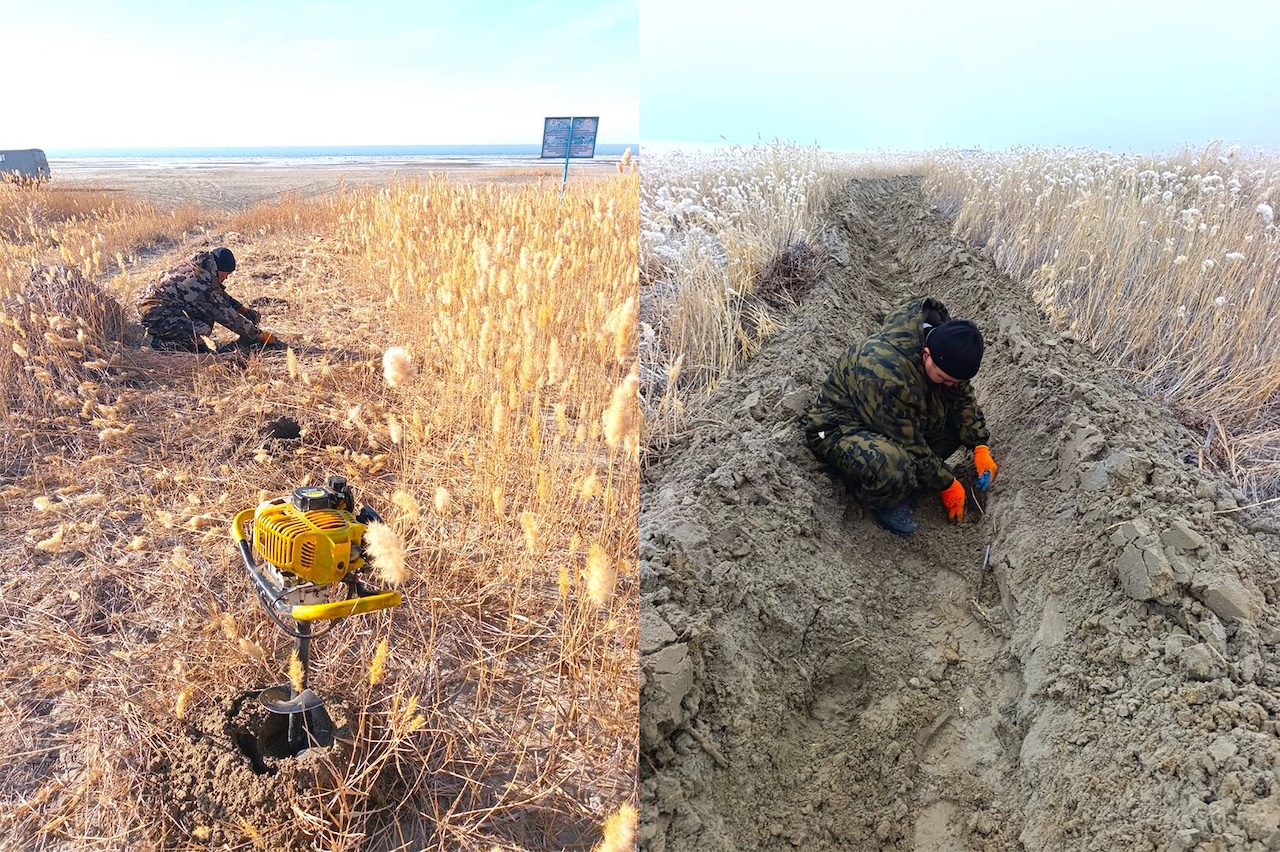
The restoration of tugai forests is a cornerstone of ecological recovery in Southern Balkhash. These riverine forests once formed natural corridors for wildlife, regulated water flows, protected shorelines, and supported rich biodiversity.
For several years, this work has been led by the Committee of Forestry and Wildlife of the Ministry of Ecology and Natural Resources of Kazakhstan, with the support of WWF and UNDP in Kazakhstan. By 2025, the accumulated experience, scientific planning, and partnerships produced unprecedented results.
A record year for restoration
During the spring and autumn planting seasons, specialists and partners of the tiger reintroduction program planted:
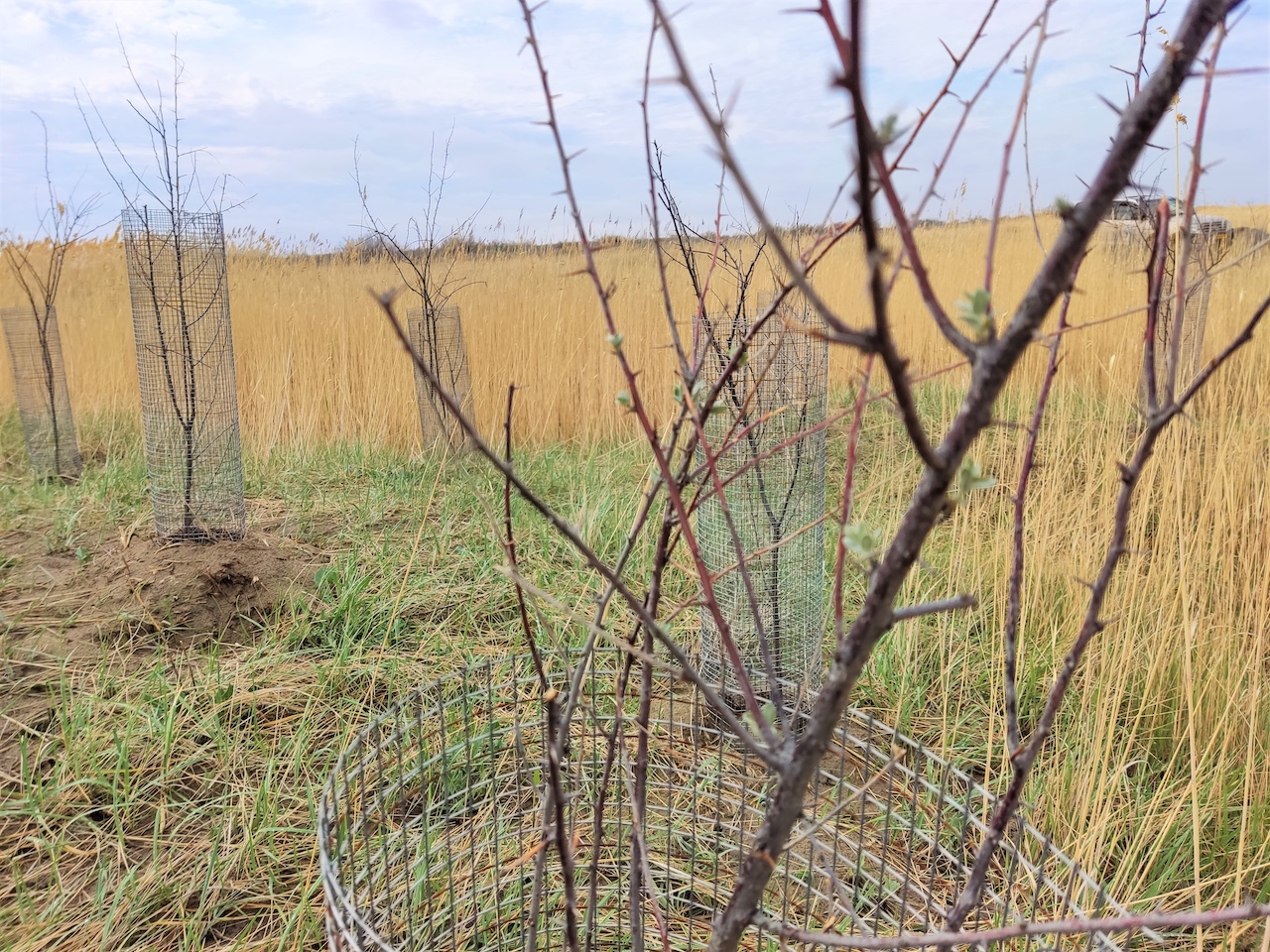
- around 30,000 narrow-leaf oleaster seedlings,
- 5,000 willow cuttings,
- and approximately 2,000 turanga seedlings.
The work covered nearly 10 hectares, including more than four kilometers of Lake Balkhash’s shoreline.
These new plantings are not isolated green spots. They form emerging “islands” of tugai forest, already functioning as part of a living ecosystem. Monitoring teams are recording wild ungulates feeding in these areas, an early but important sign that nature is responding.
Nature returning step by step
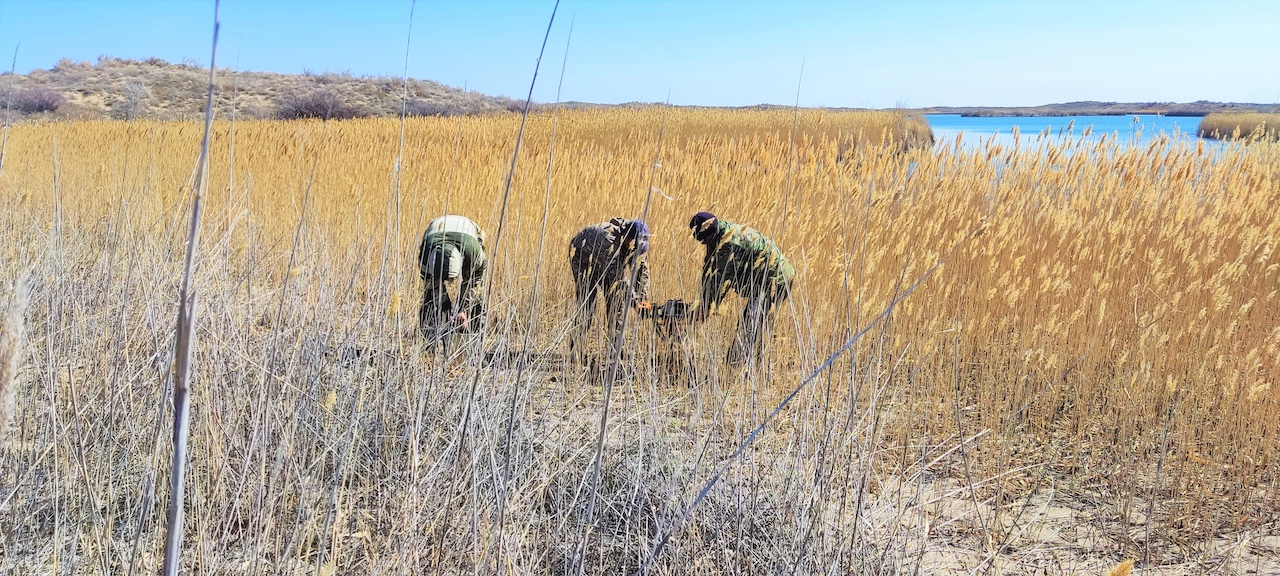
Earlier plantings are showing encouraging growth. Forest belts established in 2022–2023 along Lake Balkhash have reached heights of 1–1.5 meters, while in the Ili River Delta, individual turanga trees have grown to 2–2.5 meters.
Riparian forests play a crucial role in the region. They regulate water flow, stabilize floods and seasonal overflows, and act as natural environmental filters. Scientists expect these restored areas to become sources of natural regeneration, gradually helping tugai forests recover across the broader Balkhash region.
The heart of the project: Ile-Balkhash Reserve
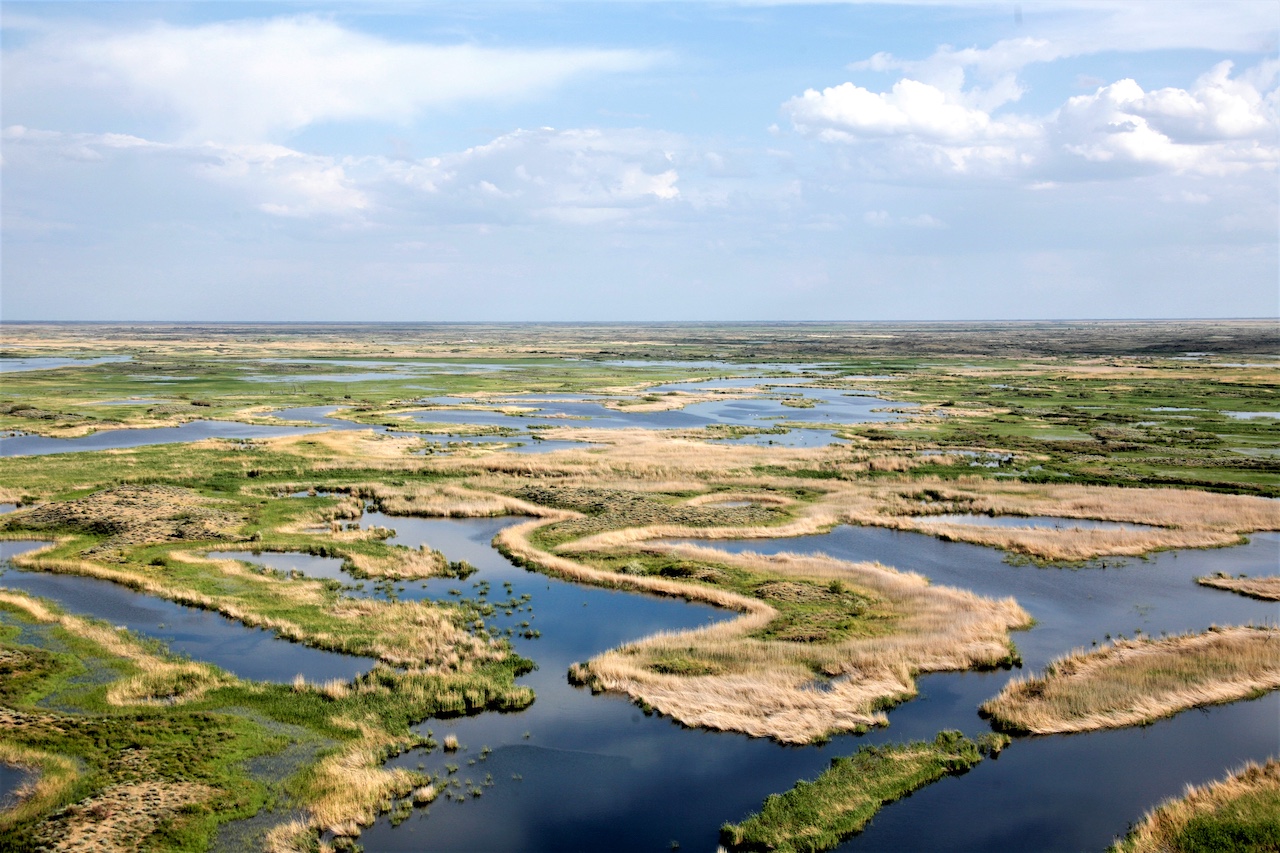
A special role in this effort belongs to the Ile-Balkhash State Nature Reserve. Covering more than 415,000 hectares, it has become the main platform for restoring river ecosystems, conserving biodiversity, and preparing suitable habitats for large wildlife.
Over the past decade, with the participation of government bodies, research institutions, and NGOs, the reserve has hosted experimental plots, refined sustainable planting and maintenance techniques, and established a comprehensive monitoring system. This long-term groundwork made the 2025 breakthrough possible.
From greenhouse to riverbank
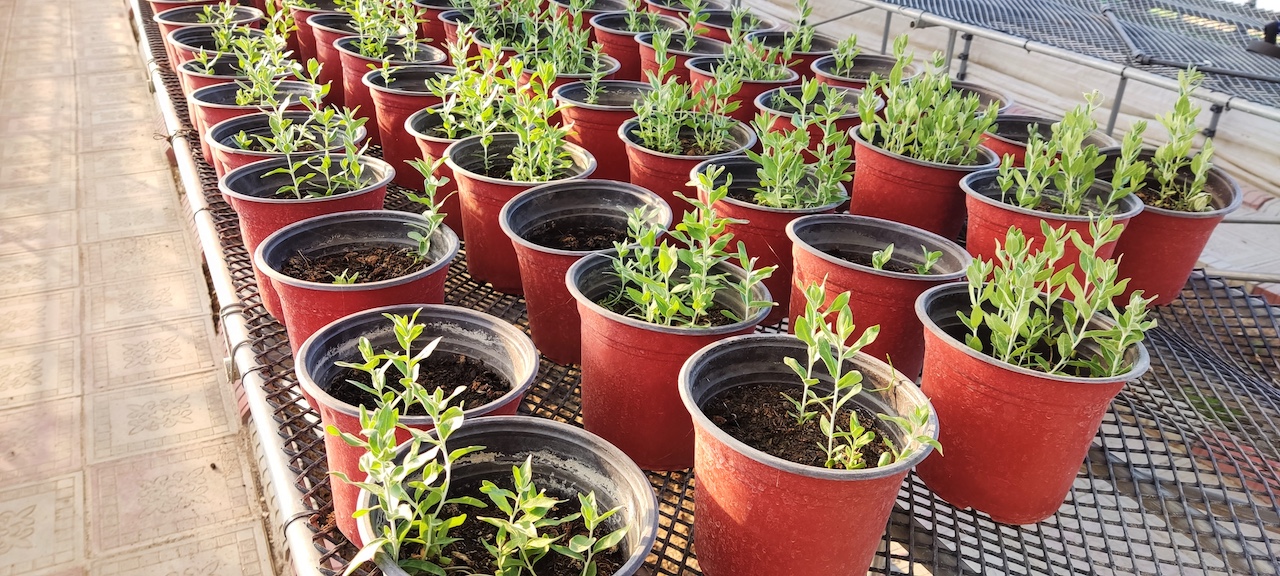
Most of the planting material begins its life in a specialized greenhouse. Over the past year alone, about 18 kilograms of narrow-leaf oleaster seeds were sown there. Several thousand seedlings were grown, hardened, and then transplanted into natural conditions.
At the same time, teams collected willow cuttings and continued propagation work on turanga and other native tree species adapted to the region’s harsh environment.
Technology, care, and constant monitoring
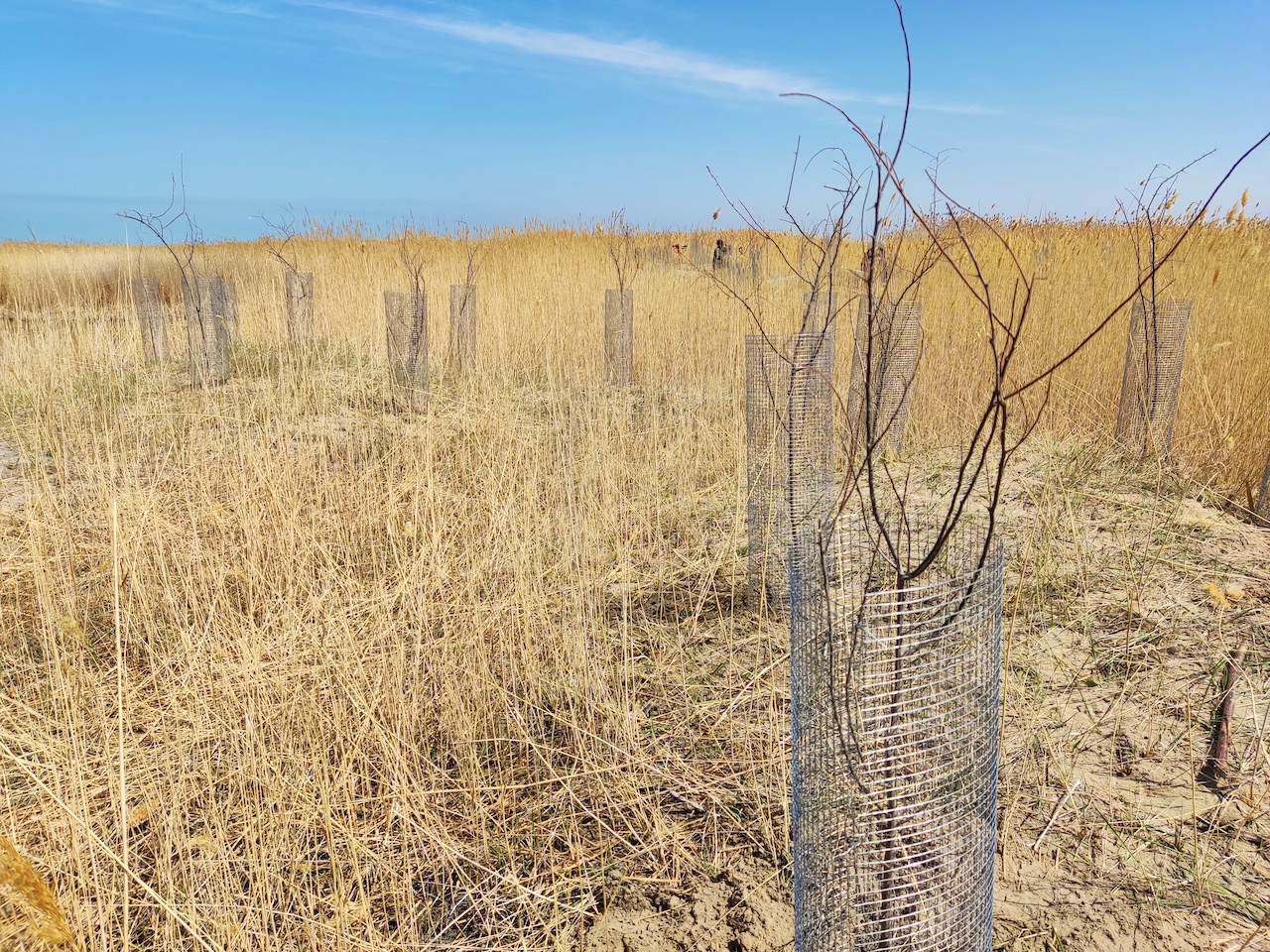
High survival rates are not accidental. Regular monitoring and maintenance remain essential parts of the program. WWF specialists use modern solutions such as hydrogel for moisture retention, pumping and irrigation systems, fire-prevention measures, and protective fencing.
Aibek Baibulov, WWF Central Asia Project Manager for Forest Restoration in Kazakhstan, explains the significance of the results:
“The results of 2025 are the outcome of many years of painstaking work. We are not simply planting trees—we are laying the foundation for resilient ecosystems capable of sustaining themselves. Today, we already see that plantings from previous years have reached heights of up to 2.5 meters, their root systems have reached groundwater, and they are forming full natural communities. Restoring tugai forests is the basis for the return of wildlife to the region. Without healthy ecosystems, it is impossible to speak of stable animal populations, including the return of the tiger. We are grateful to all our partners and local residents who are contributing to this work.”
When partnerships make the difference
Partner organizations played a major role in scaling up the work. Last spring, within the “Climate Adaptation of Mammals in Central Asia” project, ACBK and UNEP supplied 25,000 oleaster seedlings and 5,000 turanga seedlings.
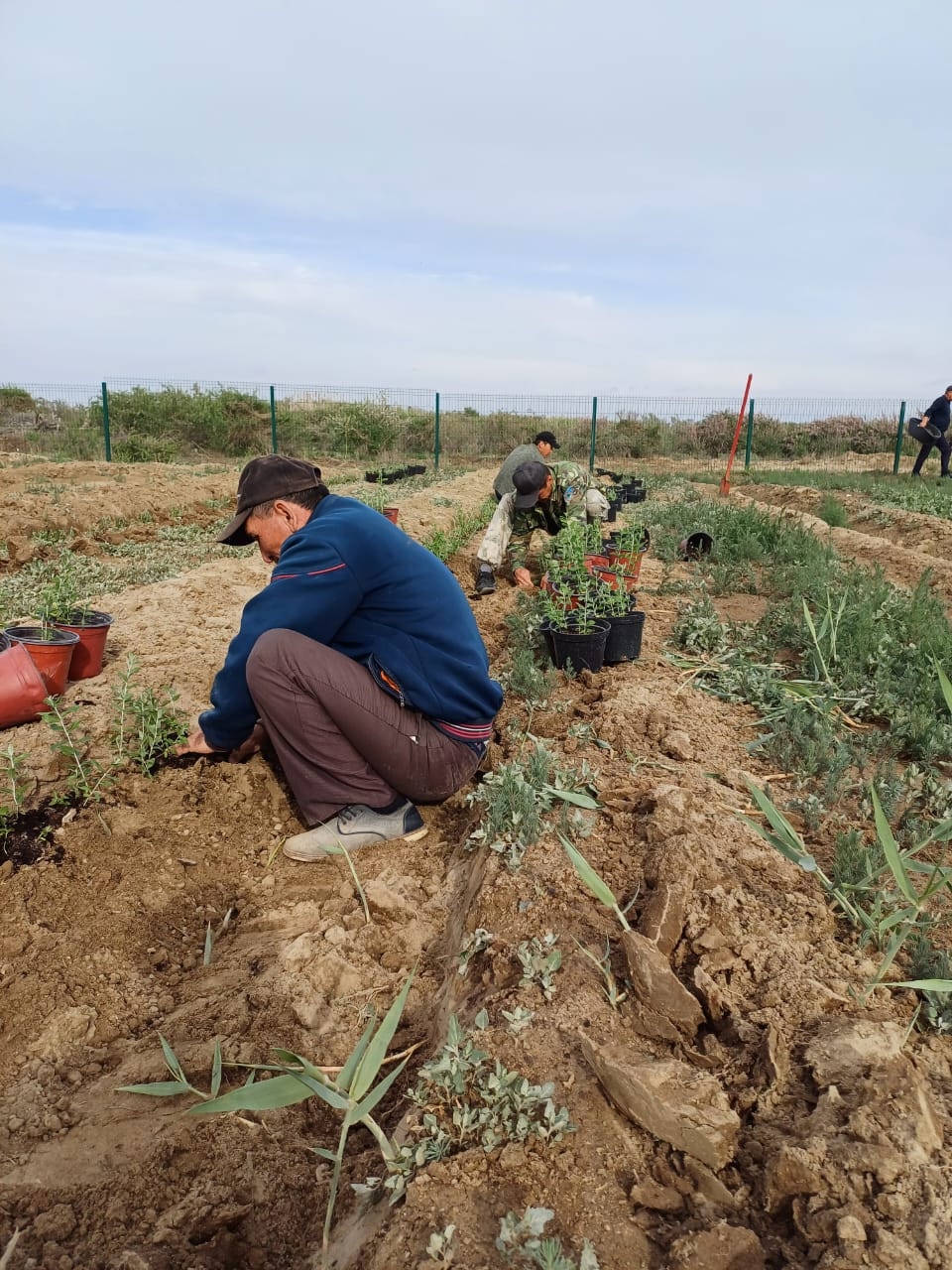
Equally important was the involvement of people on the ground. Staff of the Ile-Balkhash Reserve and residents of Karoy village actively participated in planting, watering, and caring for the trees. This cooperation has created a sustainable model linking science, government, civil society, and local communities.
What comes next
Looking ahead, WWF Central Asia plans to continue expanding restoration efforts. This includes enlarging nurseries, improving turanga cultivation techniques, and further restoring coastal and floodplain ecosystems.
The record achievements of 2025 show one thing clearly: a systematic approach and strong partnerships can deliver real results. And before the tiger returns to the Balkhash region, the forest is already finding its way back.