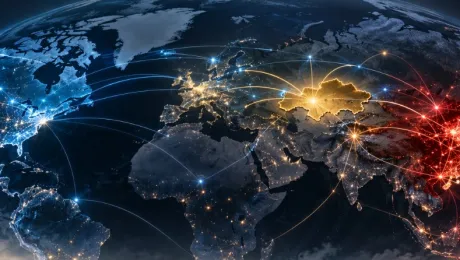


Kazakhstan’s meat industry is standing at a strategic crossroads. For decades, the livestock sector has focused largely on the domestic market, developing in a fragmented and uneven way. Now, however, global demand is rising, competition is intensifying, and international standards are evolving — forcing the country to confront a critical question: is Kazakhstan ready to enter the global export arena?
The answer will depend not on resources alone, but on structural reform, coordination, and long-term strategy, DKNews.kz reports.
A Growing Global Market — But Tough Competition
According to FAO and USDA estimates, the global cattle population ranges between 0.9 and 1.1 billion head. Global beef production in 2022–2024 stands at roughly 58–61 million tons annually. The market is dominated by a handful of major players — the United States, Brazil, India, and Australia — who set quality benchmarks, define product segmentation (chilled versus frozen), and shape global pricing dynamics.
Meanwhile, global meat consumption continues to grow, driven by population increases, rising incomes in developing economies, and changing dietary habits across Asia and Africa.
Yet Kazakhstan remains outside the group of systemic global exporters. The country does not account for a significant share of international beef trade — despite having some notable advantages.
Strong Cattle Numbers, Weak Export Conversion
Kazakhstan ranks 39th globally in cattle population, with 8.6 million head, according to the Kazakhstan Livestock Breeders Association Turan. That is a solid structural foundation.
Geography also works in Kazakhstan’s favor. Key markets can be reached within 2 to 10 days, giving the country a logistical edge over distant exporters.
However, these advantages have not yet translated into export scale or strong processing output.
Paradoxically, the domestic market simultaneously experiences beef shortages while meat-processing plants operate below capacity. This reflects a systemic inefficiency within the “farm — processing — market” value chain.
The Core Issue: Fragmentation
Industry experts argue that the bottleneck is not global demand — it is the internal organization of the sector.
A large share of Kazakhstan’s cattle is concentrated in personal subsidiary farms, which are weakly integrated into export supply chains, lack standardized production systems, and have limited access to financing and professional management.
In addition, the absence of sustainable off-take mechanisms increases price volatility and weakens farmers’ investment confidence. While investments are present, they remain fragmented and often fail to generate proportional economic returns.
In short, Kazakhstan has livestock and land — but lacks coordinated architecture.
Dala.Camp Forum 2026: From Debate to Roadmap
These structural questions will take center stage at Dala.Camp Forum 2026, scheduled for February 14–15, 2026, at Rixos Burabay under the theme “Cattle in Kazakhstan’s Meat Industry: A Roadmap for the Future.”
The event is expected to gather around 150 delegates from Kazakhstan, Central Asia, the United States, Brazil, the Netherlands, France, the UAE, and Türkiye.
The presence of Kazakhstan’s Minister of Agriculture, Aidarbek Saparov, underscores the forum’s national significance.
The agenda follows a “from strategy to practice” approach.
Day one will address Kazakhstan’s position in the global meat market, export potential, state support instruments, international veterinary standards, investment strategies, and the development of a value-added chain — from genetics and biosecurity to fair pricing and market coordination.
Day two will focus on applied management tools: farm financial modeling, profit management in volatile environments, digital transformation, AI applications, managerial competencies, and personal branding in agribusiness.
The forum will also explore Kazakhstan’s prospects in the premium beef segment and provide hands-on access to off-take contract mechanisms. A dedicated pitching session for livestock-related projects will offer direct engagement between entrepreneurs and investors.
The event will conclude with a professional gala dinner, reinforcing long-term networking and cooperation.
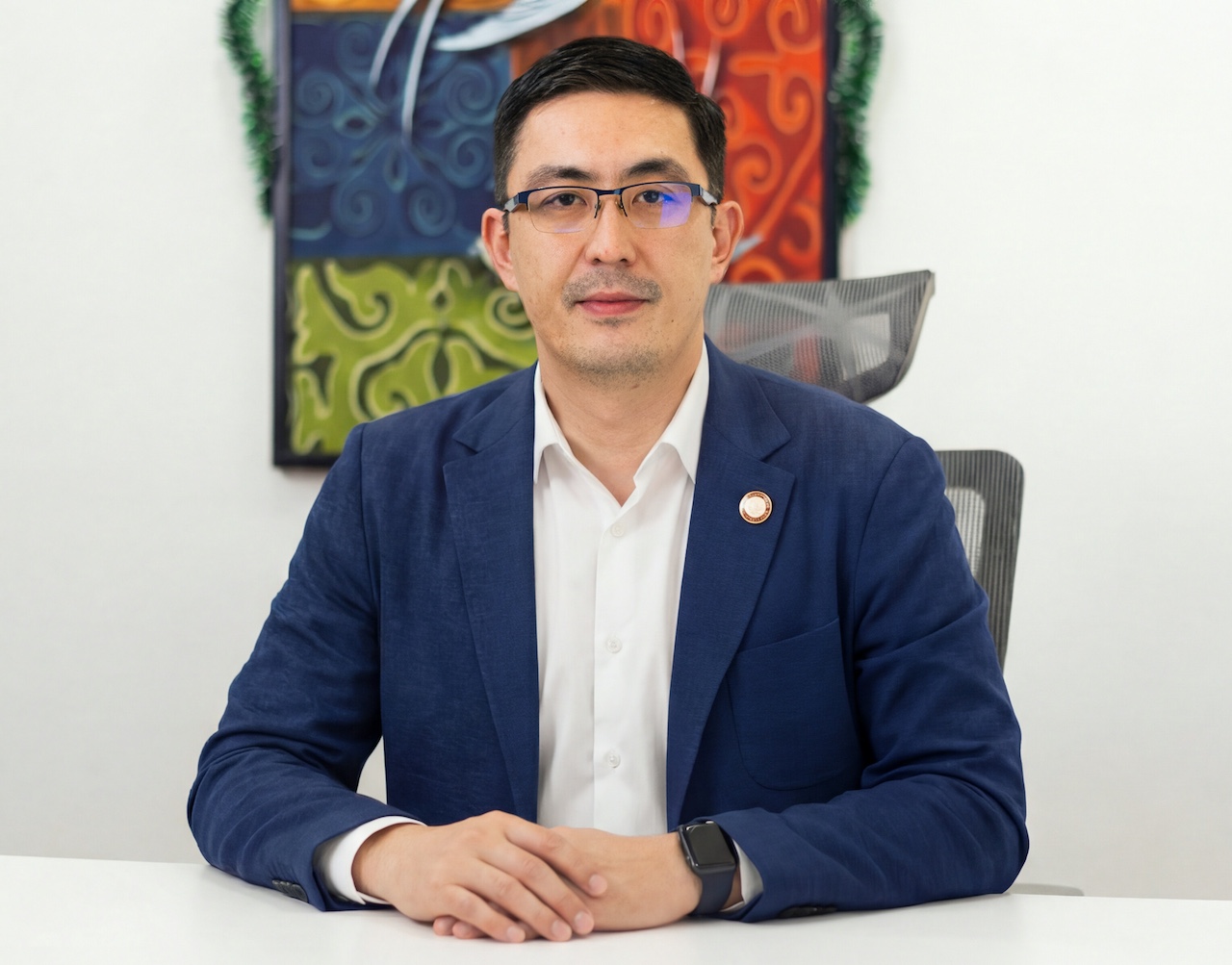
Zhanibek Kenzhebayev, Chairman of the Kazakhstan Livestock Breeders Association Turan, summarizes the moment clearly:
“Kazakhstan’s meat livestock sector is at a crossroads. The decisions being made today will determine whether the industry becomes a sustainable driver of economic growth and exports or remains fragmented and vulnerable. In this context, the Dala.Camp Forum is part of a broader industry effort aimed at shaping the market architecture and practical mechanisms for its development.”
A Strategic Window
Kazakhstan has cattle. It has land. It has geographic access to major markets. Global demand is rising.
What remains uncertain is whether the sector can transition from a resource-based structure to a coordinated, export-oriented industry capable of meeting global standards.
The coming years will determine whether Kazakhstan becomes a serious player in the global beef market — or continues watching from the sidelines.