

In an exclusive article for DKNews.kz, Ambassador Extraordinary and Plenipotentiary of the People’s Republic of China to the Republic of Kazakhstan, Han Chunlin, outlines the key principles of China’s governance model and highlights tangible achievements in improving public welfare. The piece examines progress in education, healthcare, housing, and poverty alleviation, while also discussing the prospects for deeper China–Kazakhstan cooperation on the path toward modernization and sustainable development.
The realization of the people’s aspiration for a better life serves as both the starting point and the ultimate goal of Chinese modernization. Since the launch of the 14th Five-Year Plan, the living standards of the Chinese people have continued to improve, while the systematization, stability, and sustainability of the social security system have been significantly strengthened. Development in the social sphere has achieved historic results.

The overall quality of the population continues to rise, and the system of educational guarantees is steadily improving. As of the end of 2024, China’s urbanization rate of the permanent population reached 67.00 percent, an increase of 3.11 percentage points compared to 2020. The average years of schooling among the working-age population reached 11.21 years, and the completion rate of nine-year compulsory education stood at 95.9 percent. Tuition fees at public universities in China remain relatively low by international standards, while student loan policies continue to be refined. Based on the principle that “education is accessible to everyone,” financial assistance was provided to 630 million people between 2021 and 2024, totaling more than 1.2 trillion yuan. Beginning in 2022, a national policy was introduced to exempt interest payments on student loans and to defer repayment of the principal, significantly easing the financial burden on students’ families.
The social security system continues to improve, and the effects of healthcare policies are becoming increasingly evident. By the end of 2024, 1.07 billion people were covered by basic pension insurance and 1.33 billion by basic medical insurance, with participation stabilized at around 95 percent, ensuring that “all who should be insured are insured.” Since 2018, the state has conducted 11 rounds of centralized bulk procurement of medicines and medical supplies, reducing average prices by 50–60 percent. For example, the average price of cardiac stents fell from 13,000 yuan to around 700 yuan. The cost of medical procedures, including CT scans, has also been significantly reduced, easing patients’ financial burdens. China’s high-quality medical resources are increasingly attracting foreign patients, and the “Cured in China” initiative has gained wide popularity on overseas online platforms.
 Xinhua
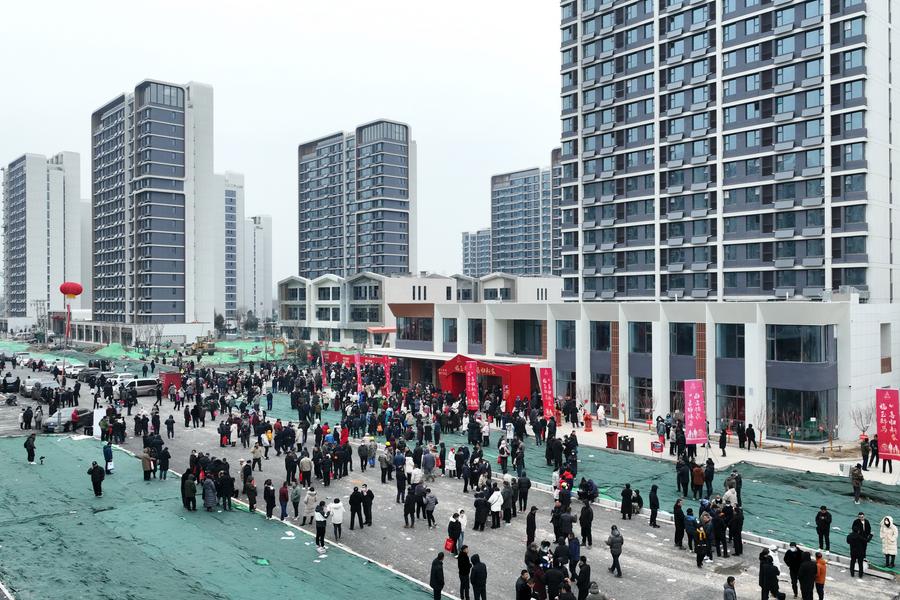
The housing security system continues to improve, and living conditions are steadily rising. China has established a multi-tier housing security system, including public rental housing, subsidized rental housing, and subsidized housing for purchase. This system makes effective use of the housing provident fund and continuously meets people’s housing needs. During the 14th Five-Year Plan period, more than 11 million units of subsidized and resettlement housing were built nationwide, benefiting over 30 million people. At the same time, more than 240,000 old urban residential communities were renovated, benefiting over 40 million households and approximately 110 million residents. An additional 129,000 elevators were installed, more than 3.4 million new parking spaces were created, and 64,000 community service facilities—such as elderly care and childcare institutions—were built. These measures have significantly improved people’s quality of life through “small steps,” enabling a gradual transition from providing “basic housing” to creating “comfortable and well-equipped living environments.”
Achievements in poverty eradication continue to be consolidated, while long-term mechanisms to prevent a return to poverty are being strengthened. By the end of 2020, China had fulfilled all its poverty alleviation targets on schedule. A total of 98.99 million rural residents were lifted out of poverty, and the “poverty label” was removed from 832 underdeveloped counties. As a result, China achieved the poverty reduction goal set out in the UN 2030 Agenda for Sustainable Development ten years ahead of schedule. Between 2021 and 2024, real per capita disposable income in formerly impoverished rural areas grew at an average annual rate of 7.8 percent. This enabled poor families to achieve a standard of living characterized by “adequate food and clothing, and access to compulsory education, basic medical care, and safe housing.” Since the beginning of the 14th Five-Year Plan, more than 7.1 million people nationwide have received comprehensive assistance to prevent falling back into poverty. The endogenous development capacity of regions that have emerged from poverty continues to strengthen, and poverty alleviation results are being steadily consolidated.
 Getty Images
China’s historic achievements in improving people’s well-being have been made possible primarily by the leadership of the Communist Party of China and by unwavering advancement along a path of modernization suited to China’s own national conditions. People’s well-being has always been placed first and stands as a key principle and a central manifestation of over a century of struggle and practical experience by the Communist Party of China. The Party adheres to the principle of “development for the people, relying on the people, and sharing the fruits of development with the people,” charting a people-centered path of Chinese modernization. Chinese modernization is the correct path independently chosen by the Chinese people through practice, one that aligns with China’s national realities. While observing the general laws of modernization, it is rooted in China’s conditions and reflects the characteristics of the modern era and national identity. It represents modernization with Chinese characteristics and provides fundamental political guarantees and institutional support for the continuous improvement of people’s well-being.
China’s successful practice in enhancing people’s well-being carries global significance. As the largest developing country, China offers the international community—particularly other developing nations—a new model for advancing public welfare. Many developing countries share similar historical experiences with China and face comparable tasks of development and national rejuvenation, along with similar challenges and difficulties. China’s experience in public welfare construction demonstrates the effectiveness of its governance strategy, including reform and opening-up, prioritizing economic development, targeted assistance to those in need, sustainable development, and strengthening Party building. This experience has proven successful and can serve as a reference and source of inspiration for developing countries. Overall, China’s experience in public welfare represents an important resource for other developing nations as they strive toward modernization.
 Gov
Gov
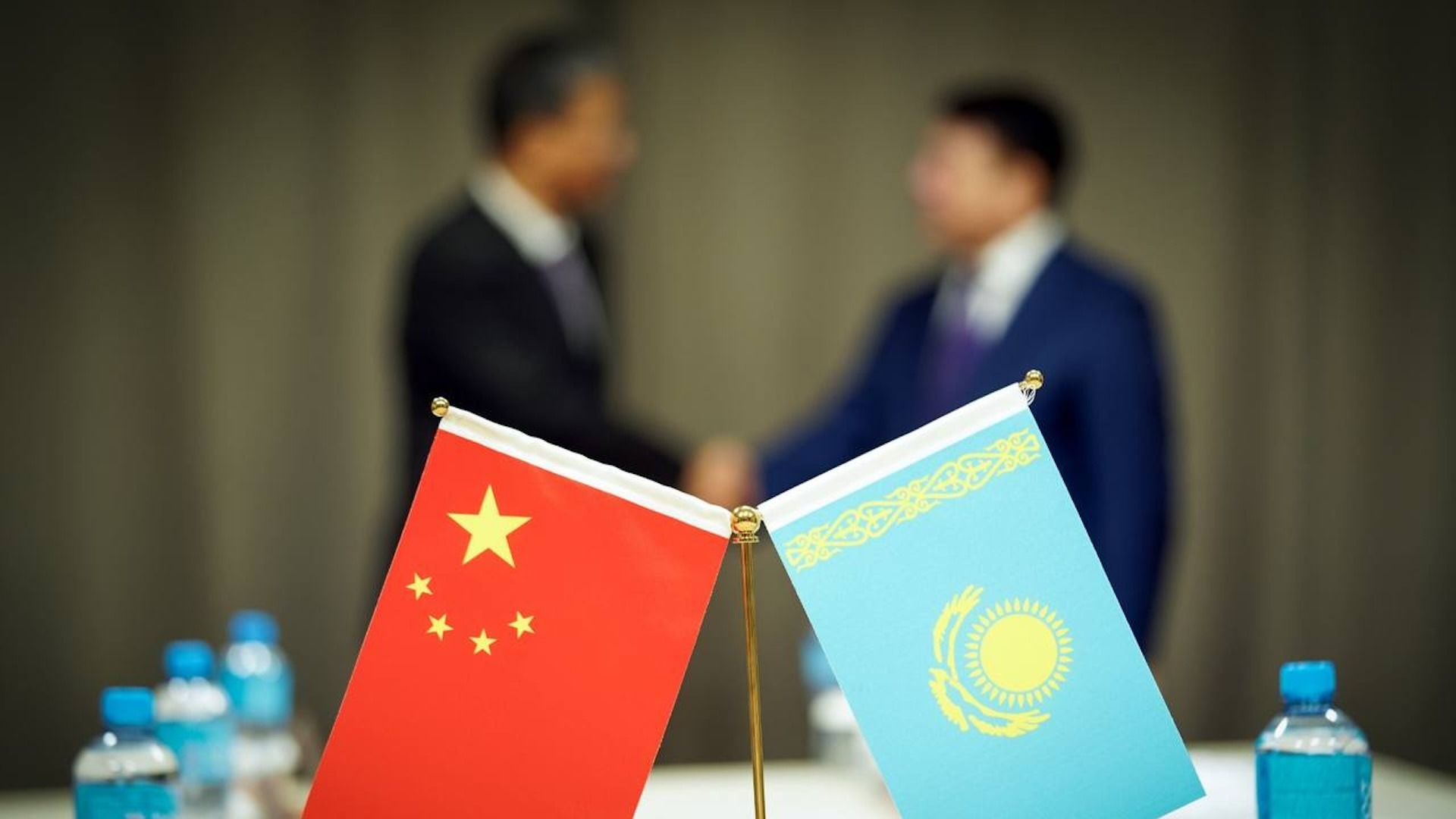
Today, China and Kazakhstan both stand at critical stages of economic development and national rejuvenation. China aims to complete socialist modernization by 2035, while Kazakhstan is actively advancing the construction of a “Fair Kazakhstan,” achieving steady progress. China and Kazakhstan are companions on the path toward modernization. The year 2026 marks the beginning of China’s 15th Five-Year Plan. Seizing this opportunity, the Chinese side intends to further deepen political mutual trust with Kazakhstan, strengthen the alignment of development strategies, advance high-quality joint construction of the Belt and Road Initiative, and make every effort to promote improvements in public welfare and the social sphere in both countries. In doing so, the two sides will build a closer China–Kazakhstan community with a shared future and contribute greater stability and positive energy to maintaining peace amid global turbulence and conflict.