
Kazakhstan outlined its key foreign policy and reform priorities during the high-level segments of the 61st session of the UN Human Rights Council and the Conference on Disarmament in Geneva, DKNews.kz reports.
First Deputy Minister of Foreign Affairs Yerzhan Ashikbayev represented the country at both platforms, joining more than 100 senior officials and international representatives, including UN Secretary-General António Guterres and UN High Commissioner for Human Rights Volker Türk.
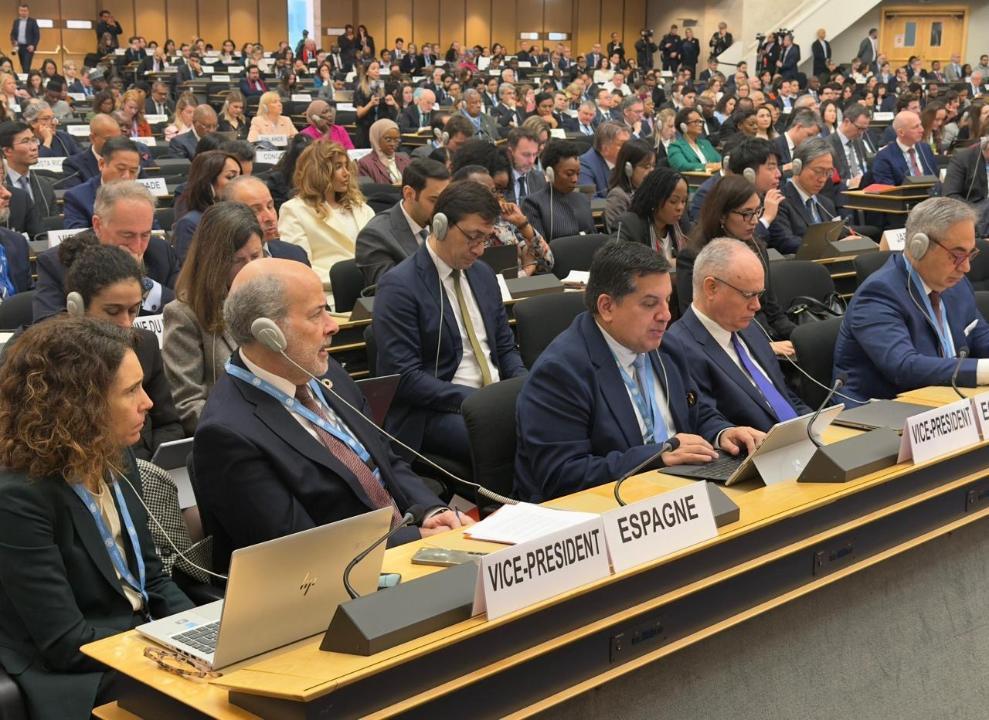
The discussions focused on human rights reform, multilateral cooperation, and global security.
Human rights reform under the “Fair Kazakhstan” agenda
Speaking at the opening of the 20th anniversary cycle of the Human Rights Council, Ashikbayev reaffirmed Kazakhstan’s commitment to protecting and promoting human rights as a foundation for freedom, justice, and sustainable peace.
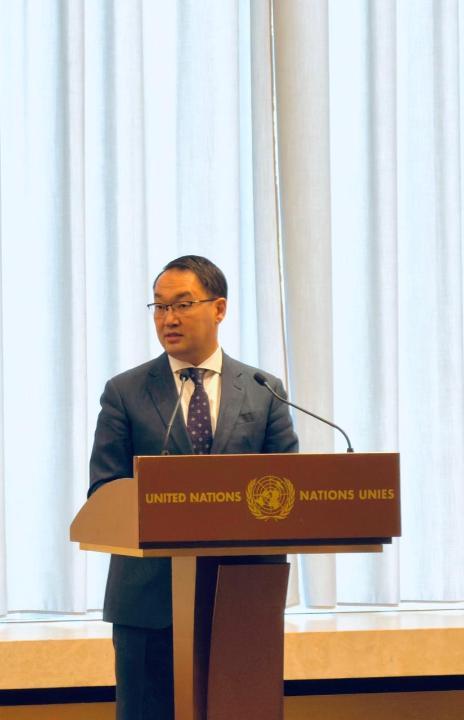
He briefed participants on systemic reforms aimed at strengthening the national human rights architecture.
A central theme of his remarks was constitutional reform. The draft Constitution, proposed for a national referendum, is designed to:
- build a people-centered model of governance
- expand guarantees of rights and freedoms, including in the digital sphere
- strengthen the rule of law
- modernize the political system
Officials emphasized that these reforms are part of a broader transformation process underway in the country.
Support for multilateralism and international initiatives
Kazakhstan reaffirmed its support for a multilateral system grounded in the UN Charter and international law.
During the session, the delegation presented several international initiatives promoted by the country, including:
- the Global Initiative to Galvanize Political Commitment to International Humanitarian Law
- the Congress of Leaders of World and Traditional Religions
- the creation of a UN Regional Center for the Sustainable Development Goals in Almaty
- the Regional Ecological Summit
- the proposal to establish an International Water Organization under UN auspices
These initiatives reflect Kazakhstan’s intention to play a proactive role in global dialogue on sustainability, humanitarian law, and interfaith cooperation.
Commitment to global disarmament
At the Conference on Disarmament, Kazakhstan reaffirmed the body’s role as the primary multilateral negotiating forum on arms control, non-proliferation, and disarmament.
Ashikbayev highlighted several significant anniversaries in 2026 that underscore Kazakhstan’s long-standing contribution to nuclear disarmament:
- the 35th anniversary of the closure of the Semipalatinsk nuclear test site
- the 30th anniversary of the opening for signature of the Comprehensive Nuclear-Test-Ban Treaty
- the 20th anniversary of the Treaty on a Nuclear-Weapon-Free Zone in Central Asia
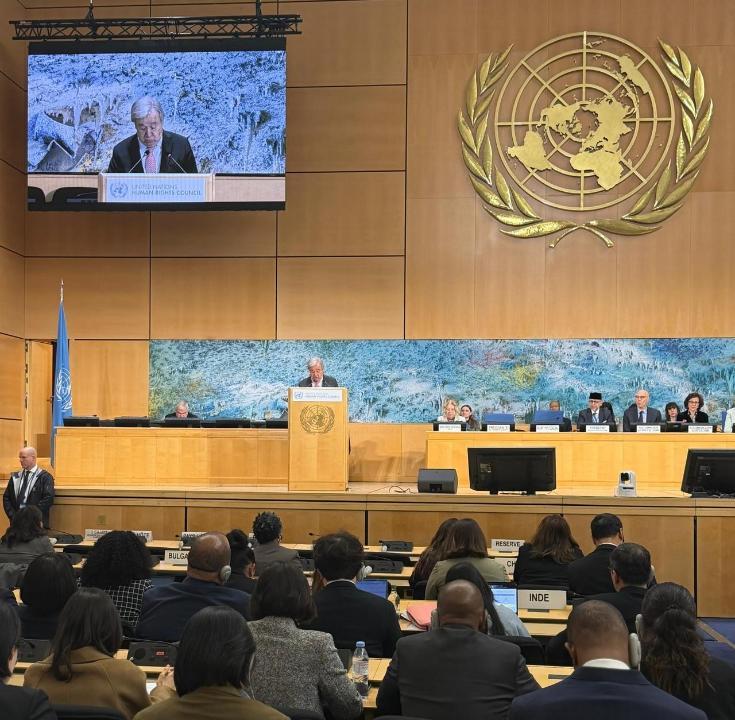
In the run-up to the 2026 review conferences of key nuclear treaties, Kazakhstan expressed readiness to facilitate constructive dialogue among stakeholders and reaffirmed its commitment to strengthening the global non-proliferation regime.
The statement also emphasized the importance of resuming strategic dialogue among nuclear-weapon states to prevent a renewed arms race and reduce the risk of nuclear confrontation.
Broader security agenda
Kazakhstan called for strengthening the Biological Weapons Convention through the development of verification mechanisms and proposed the establishment of an International Agency for Biological Safety.
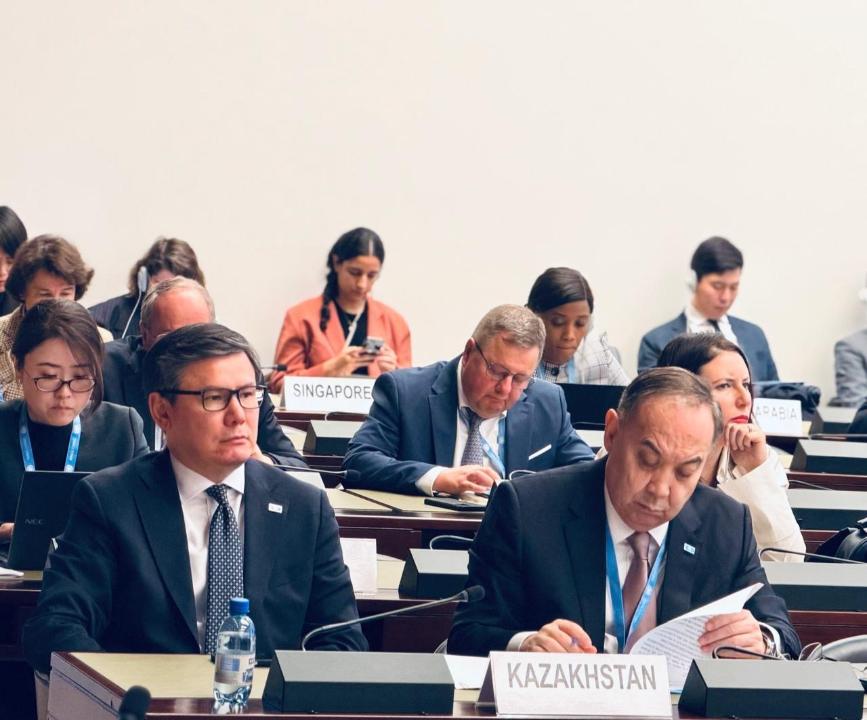
In conclusion, the delegation urged members of the Conference on Disarmament to demonstrate flexibility and compromise in order to launch substantive negotiations aimed at enhancing international security.
Why this matters
Analysts note that participation in high-level UN forums allows Kazakhstan to present its domestic reform agenda alongside its international security initiatives.
By linking constitutional modernization with global disarmament advocacy, the country seeks to position itself as both a reform-oriented state and an active supporter of multilateral diplomacy.
The message from Geneva was clear: Kazakhstan intends to remain engaged in shaping discussions on human rights, sustainable development, and global security.