

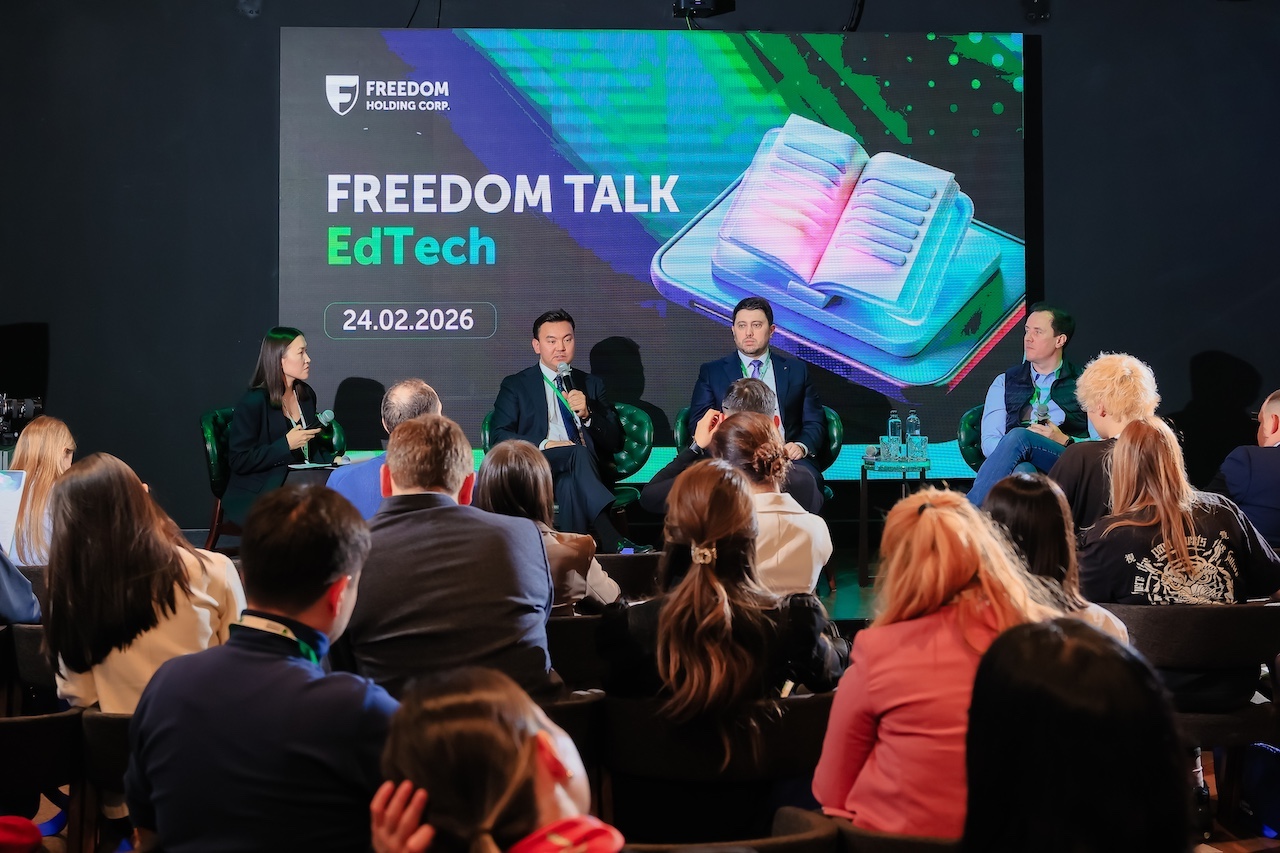
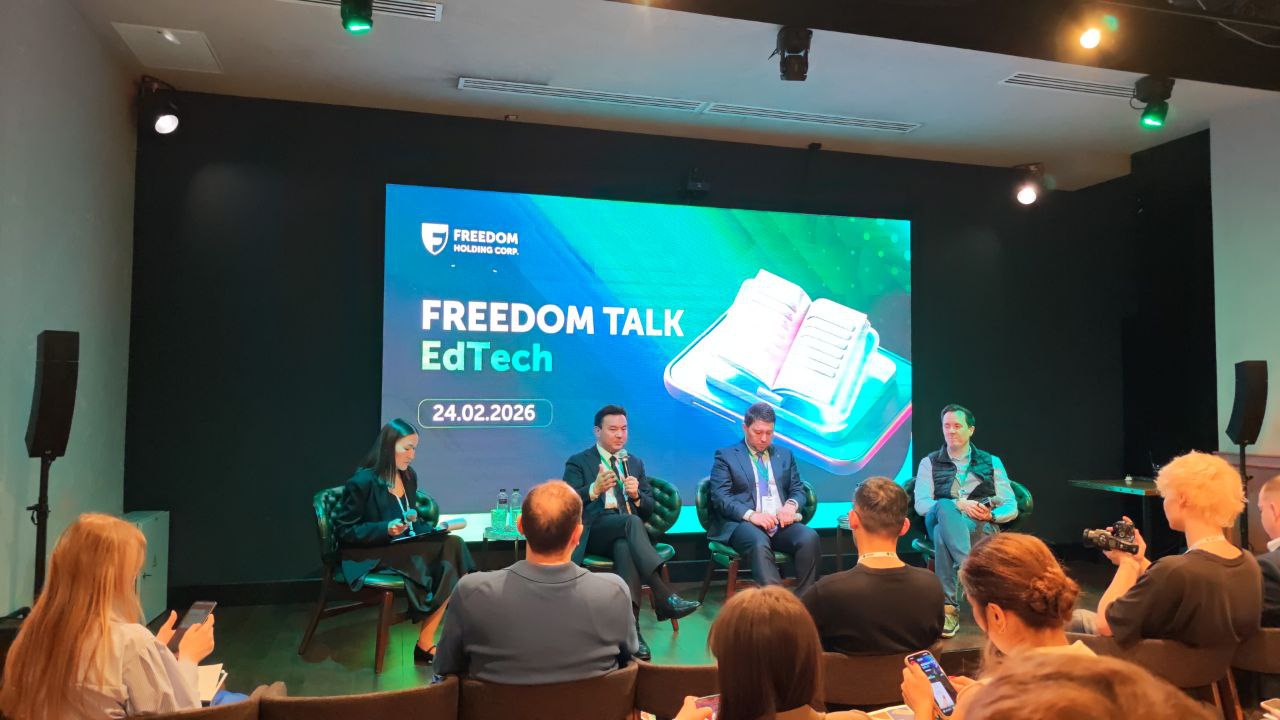
Kazakhstan’s EdTech sector has moved beyond experimentation and is becoming a systemic part of national education policy. At the Freedom Talk EdTech platform in Almaty, experts from the education and technology industries discussed how artificial intelligence is already transforming learning, what tasks it can realistically handle, and where the boundary lies between technology and the human role in schools, DKNews.kz reports.
The discussion featured Bilim Group founder and Chairman of the Supervisory Board Rauan Kenzhekhanuly, Chief Technology Officer of Freedom Holding Corp. Renat Tukanov, and Bilim Group CEO and co-founder Alexander Savchenko. The key conclusion was clear: neural networks will not replace teachers. However, they can fundamentally change how schools operate - if used correctly.
 Freedom Holding Corp.
Schools still work like they did 200 years ago. That’s the problem
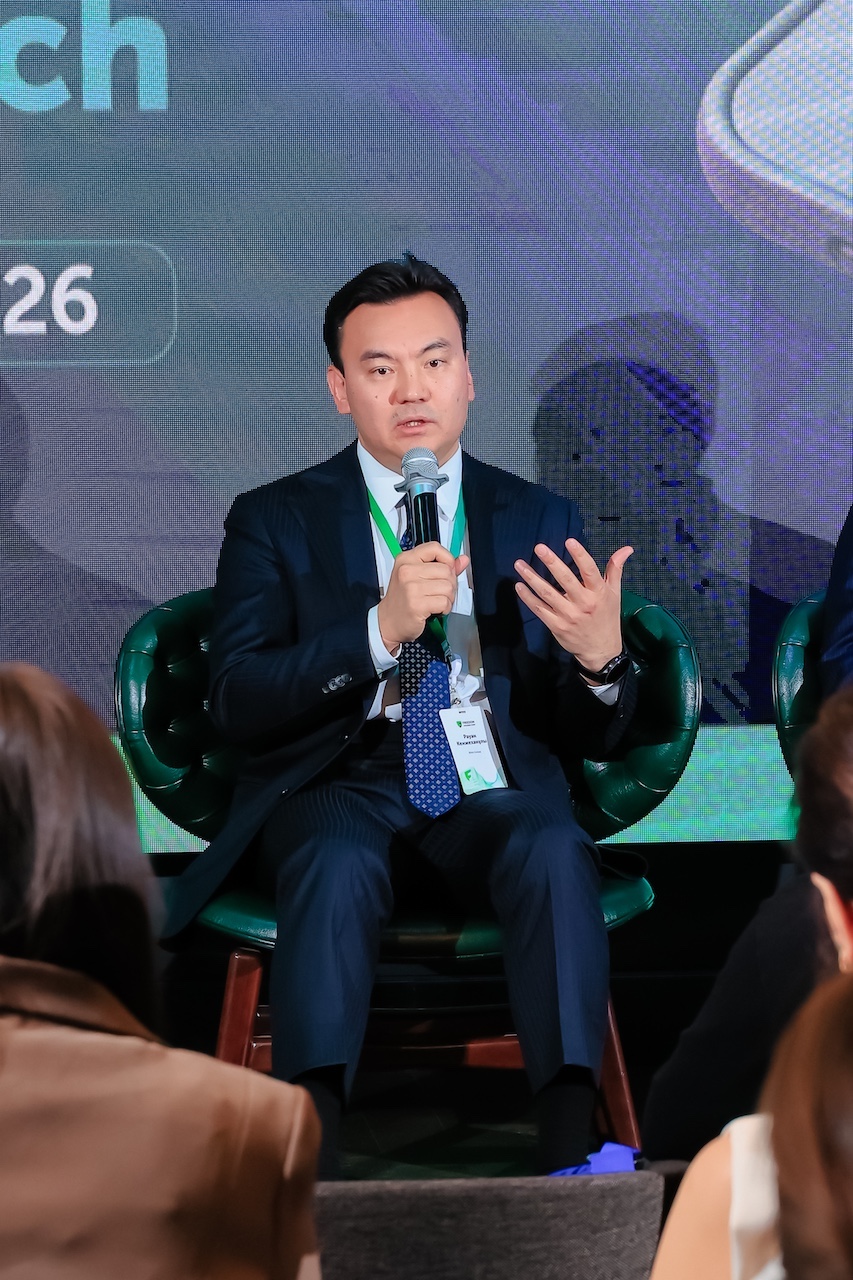
One of the central themes of the discussion was the contradiction between modern realities and the traditional model of education. According to Rauan Kenzhekhanuly, the classical school system remains largely unchanged for centuries - one teacher instructing around thirty students at the same pace.
 Freedom Holding Corp.
“The fundamental problem of traditional education is that it works the same way it did 200 years ago: a classroom, about thirty students and one teacher who physically does not have enough time to reach each child individually. There are always those who move ahead, a core group, and those who fall behind, and the teacher cannot build individual trajectories for everyone.”
This is where technology stops being a buzzword and becomes a survival tool for the system. Modern schools must not only deliver content but also hold attention, explain concepts differently, restore motivation and help students avoid disengagement.
 Freedom Holding Corp.
Personalization is the core mission of digital education
Another key topic was personalized learning - not as a promise, but as a practical goal: adapting education to each child’s pace, perception and knowledge level.
 Freedom Holding Corp.
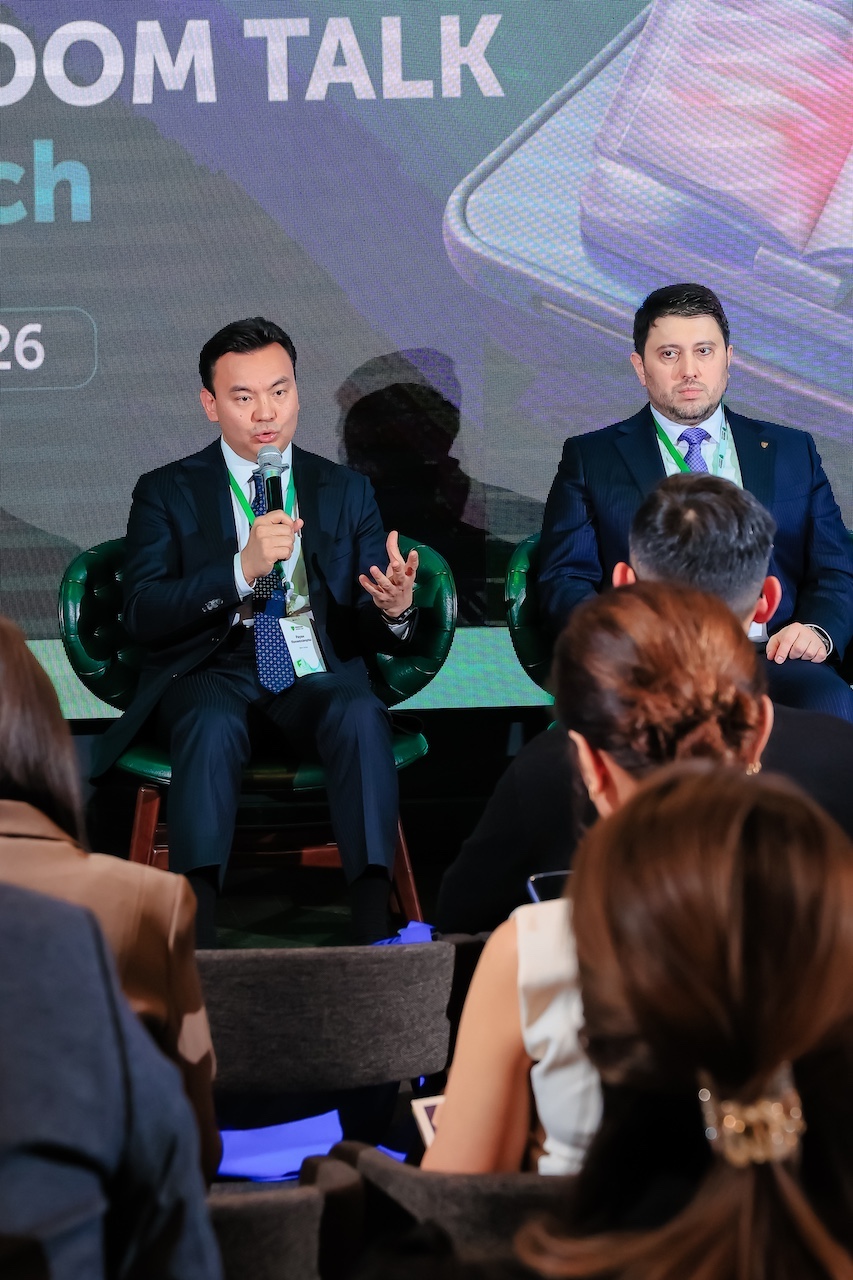
“We all learn differently - fast or slow, visually or through audio. The task of digital platforms is to tailor learning to each child’s individual characteristics. When we understand where they stand at a given moment, we can build a personal learning ladder and accelerate progress.”
In this approach, what matters is not the student’s grade level but their position on the “knowledge map” at a given time. From there, the system can guide them along a personalized trajectory. A practical challenge for platforms was also noted: once tasks become predictable, students share answers, and copying becomes routine.
Kenzhekhanuly explained that artificial intelligence helps break this cycle by generating unique tasks and constantly updating content, making mechanical copying meaningless.
“They predict, but they don’t think”: a realistic view of AI
Renat Tukanov offered a sober perspective on artificial intelligence, emphasizing that it is important to understand its nature rather than mystify it.
 Freedom Holding Corp.
“Modern artificial intelligence systems solve very specific tasks. Simplifying greatly, they are excellent at predicting the next word or action but do not think or feel like humans. They have no experience, no emotions, and no orientation in the physical world.”
He stressed that full automation narratives are often exaggerated.
“According to researchers, about a quarter of economic tasks can be automated, and only a small portion of them will be economically viable. It is important to look at AI realistically - it is a powerful tool, but not a universal replacement for humans.”
In Kazakhstan’s context, AI could become a driver of economic growth, but only through systemic projects and a long-term approach.
Teachers won’t disappear, but their role will change
Alexander Savchenko continued this argument by highlighting that AI’s primary impact is not replacement but redistribution of responsibilities. Teachers will remain central but will be freed from routine tasks.
 Freedom Holding Corp.
“We do not see a scenario in which artificial intelligence replaces teachers. But it can already take over a significant share of routine work - preparing materials, grading assignments, reporting. This frees teachers’ time for mentorship, support and communication.”
This reflects a shift toward restoring the teacher’s true role - not as a bureaucratic function but as a mentor who notices students, supports them through challenges and maintains confidence.
Personalization can reflect culture, geography and interests
Personalization today goes beyond difficulty levels. Savchenko described a model where learning content adapts to students’ interests, location and real-life context.
 Freedom Holding Corp.
“Material can be adapted to a child’s interests - sports, comics, local specifics. Knowledge then becomes more understandable and applicable, and motivation to learn increases.”
This means math explained through sports statistics, geometry through angles in games, or humanities through storylines from favorite films and series - making knowledge relevant and relatable.
Student data is becoming a new industry
Digital platforms already collect large datasets on how students learn, where they struggle and where they progress. Previously, turning this data into useful insights was difficult, but AI is changing that.
“Artificial intelligence opens a new industry - interpreting student data. We can not only collect information but turn it into clear insights for parents and teachers, helping them understand strengths and areas for growth.”
The emphasis here is not surveillance but meaningful support and understanding.
A national initiative: AI tools for educators at scale
The discussion also highlighted a rare “country-level” initiative - providing AI tools not just to pilot schools but to a broad teaching audience. The transcript noted that around 165,000 Kazakh educators, from preschool teachers to university faculty, are gaining access to AI-based assistants.
The goal is to provide teachers with support for lesson planning, assignment creation and content adaptation, while also training them to use prompts effectively.
Concerns raised: influence and data security
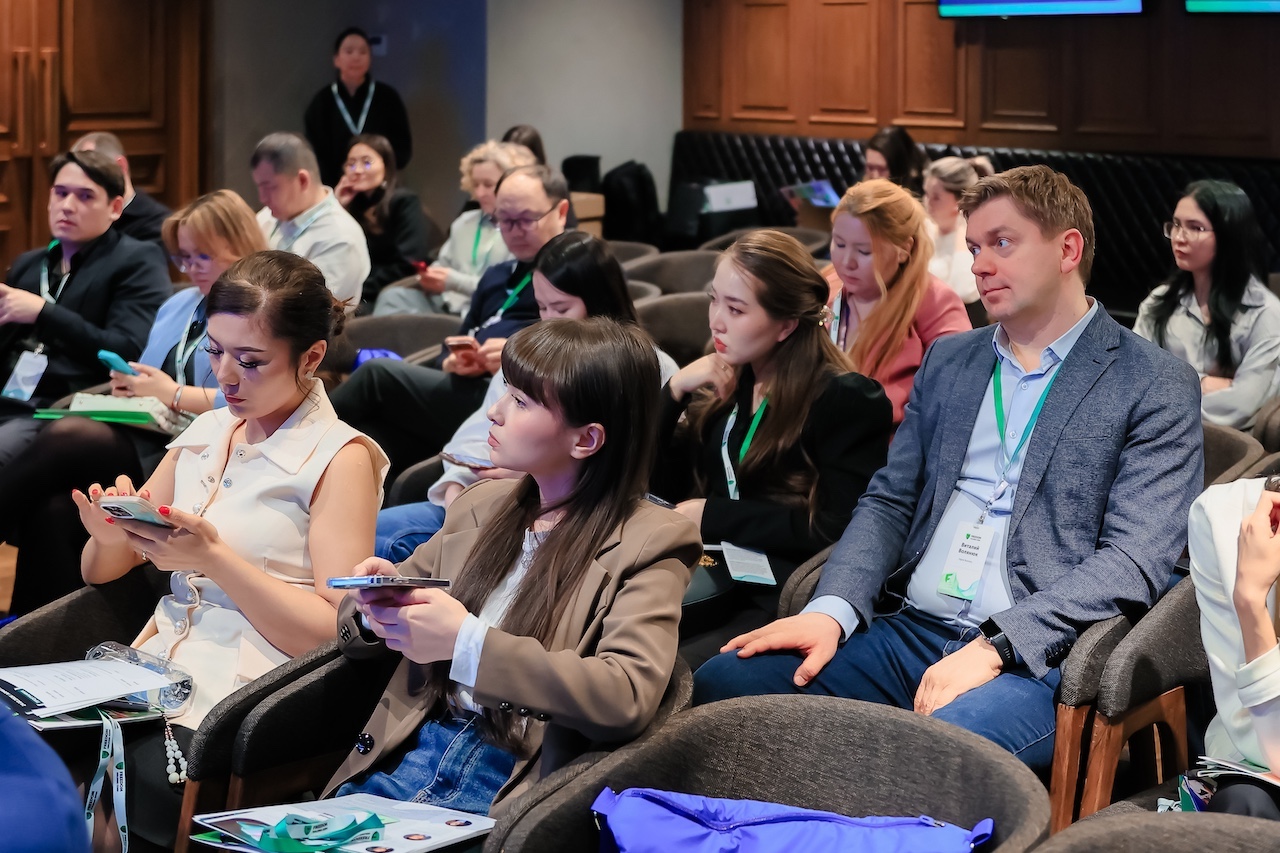
Audience members questioned potential risks, including foreign influence and data privacy. Speakers responded pragmatically: risks must be discussed, but fear should not dominate. Transparency and public scrutiny were seen as key safeguards.
The broader message was clear - fearing technology wastes time; building rules, testing solutions and improving digital literacy is more productive.
 Freedom Holding Corp.
Screen time: regulation, not prohibition
Another topic was children’s screen time and cognitive development. Experts suggested:
- balance and clear guidelines are needed
- bans often create conflicts
- smartphones serve as essential communication tools with parents
- the focus should be on content, not screens themselves
Social media and endless scrolling were identified as the primary risks rather than educational digital tools.
 Freedom Holding Corp.
The graduate of 2035: lifelong learning as the norm
Looking ahead, speakers reflected on what a 2035 graduate might look like. Instability and rapid change will become normal, requiring constant adaptation and learning.
The most important skill will be learning how to learn. As access to knowledge accelerates, flexibility, curiosity and the ability to reskill will become central.
EdTech in Kazakhstan is now a system
The discussion also provided context on scale:
- about 8,000 schools and 4 million students nationwide
- around 11,000 kindergartens serving 1 million children
- approximately 800 colleges with 1 million students
- about 120 universities with 700,000 students, projected to reach 1 million by 2030
Around 12,300 curriculum topics have been digitized in multiple formats and languages, enabling classroom use and home learning. EdTech is increasingly evolving into an ecosystem offering a seamless learning experience from preschool to university.
 Freedom Holding Corp.
The market exists, but payment culture is limited
Economic aspects were also discussed. A perception that formal education should be free reduces willingness to pay for digital services. Still, with stronger paid adoption, the school online learning market could reach roughly $20 million annually.
 DKNews.kz
Technology strengthens teachers
Freedom Talk EdTech made one point clear: the question is no longer whether technology will enter schools - it already has. The challenge is designing a model where AI reduces routine, enables personalization and enhances effectiveness while teachers remain central figures shaping thinking, behavior and social experience.
“A teacher is not only a source of knowledge but a role model who shapes behavior and thinking. Technology should free their time to focus on each student, but it cannot replace them.”
If Kazakhstan prioritizes balance - clear rules, digital literacy, infrastructure and local content - its education system may transform faster than expected. In that scenario, neural networks will not compete with teachers but become their most powerful tool.