

Astana and Nairobi are moving closer on the diplomatic map.
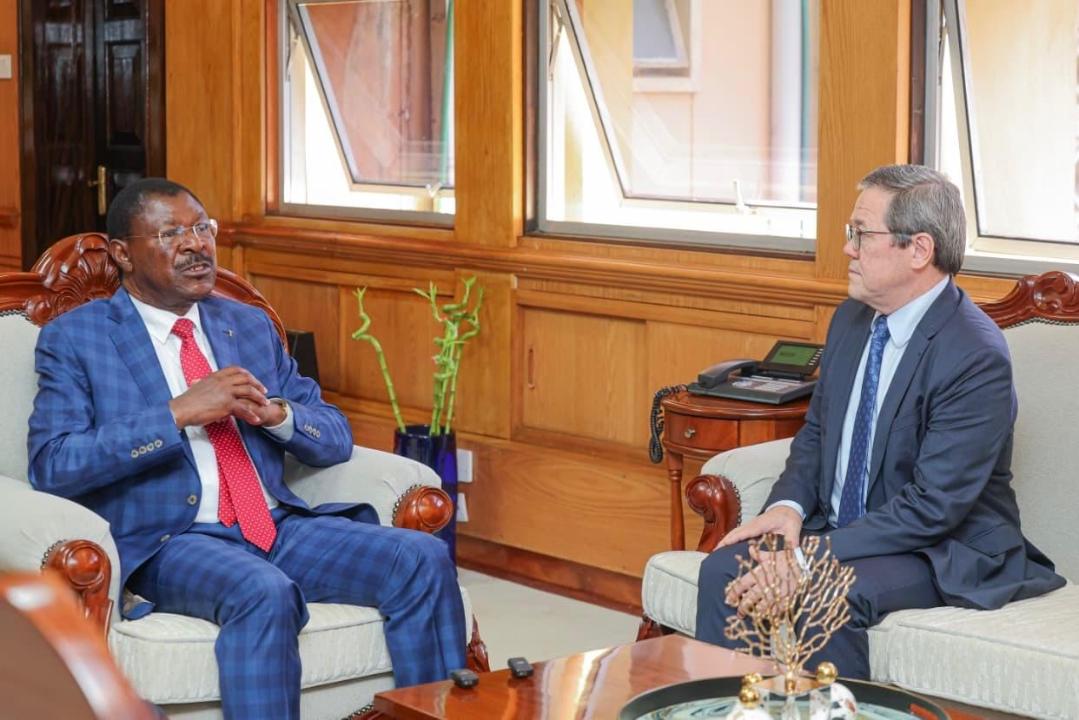
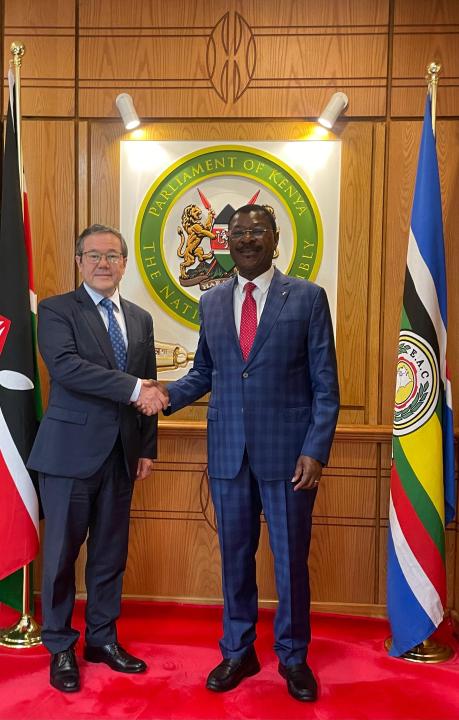
The Ambassador of Kazakhstan to Kenya, Barlybay Sadykov, held a significant meeting with Moses Wetang’ula, Speaker of Kenya’s National Assembly, opening a new chapter in interparliamentary cooperation between the two countries, DKNews.kz reports.
The talks focused not only on strengthening political dialogue but also on Kazakhstan’s ambitious constitutional transformation — a reform process that could redefine the country’s political landscape.
A New Political Era in Kazakhstan
During the meeting, Ambassador Sadykov briefed the Kenyan side on the sweeping political reforms initiated by President Kassym-Jomart Tokayev. These reforms are part of Kazakhstan’s broader strategy to modernize governance, enhance democratic mechanisms, and rebalance the distribution of powers within the state system.
At the heart of this transformation is the work of the Commission on Constitutional Reform and the drafting of a new Constitution. The process is expected to culminate in a nationwide referendum scheduled for March 15, 2026.
The proposed constitutional changes aim to strengthen parliamentary influence, improve checks and balances, and expand civic participation — steps that observers describe as a decisive move toward a more inclusive political system.
Parliament-to-Parliament: A Growing Dialogue
Beyond constitutional reforms, the meeting underscored Kazakhstan’s interest in building structured parliamentary cooperation with Kenya.
Ambassador Sadykov emphasized the importance of establishing a Friendship Group between the two parliaments — a mechanism widely used in international diplomacy to foster regular dialogue, legislative exchanges, and political coordination.
Such groups often serve as practical platforms for discussing trade, education, investment, and cultural ties — areas that both countries are increasingly interested in exploring.
Kenya’s Perspective: Growth and Youth at the Center
Speaker Moses Wetang’ula welcomed Kazakhstan’s reform agenda and spoke about Kenya’s own development priorities. He highlighted Nairobi’s focus on stimulating economic growth and strengthening social protection policies, particularly given the country’s young and rapidly growing population.
With youth making up a significant share of Kenya’s demographic structure, parliamentary policy increasingly centers on job creation, innovation, and social mobility.
Wetang’ula expressed strong interest in expanding bilateral cooperation with Kazakhstan, confirming Kenya’s readiness to deepen engagement across multiple sectors — from political dialogue to delegation exchanges.
Why This Matters
Kazakhstan and Kenya may be geographically distant, but both countries play pivotal roles in their respective regions — Central Asia and East Africa.
Stronger interparliamentary cooperation could open doors to new economic partnerships, diplomatic coordination in international organizations, and expanded people-to-people connections.
The meeting concluded with both sides reaffirming their intention to maintain regular political dialogue and intensify parliamentary contacts — a signal that this was not just a courtesy call, but the beginning of more structured collaboration.
As Kazakhstan prepares for its 2026 constitutional referendum and Kenya continues its economic development drive, the two nations appear ready to explore shared interests on a deeper level.
Diplomacy, it seems, is gaining new momentum between Astana and Nairobi.