
At MWC Barcelona 2026, the spotlight shifted dramatically. This year, it was not about the next flagship smartphone. It was about something much bigger — a new digital economy powered by artificial intelligence, DKNews.kz reports.
What unfolded in Barcelona was less a product showcase and more a manifesto for the next decade.
Not Just a Booth — A Vision of the Future
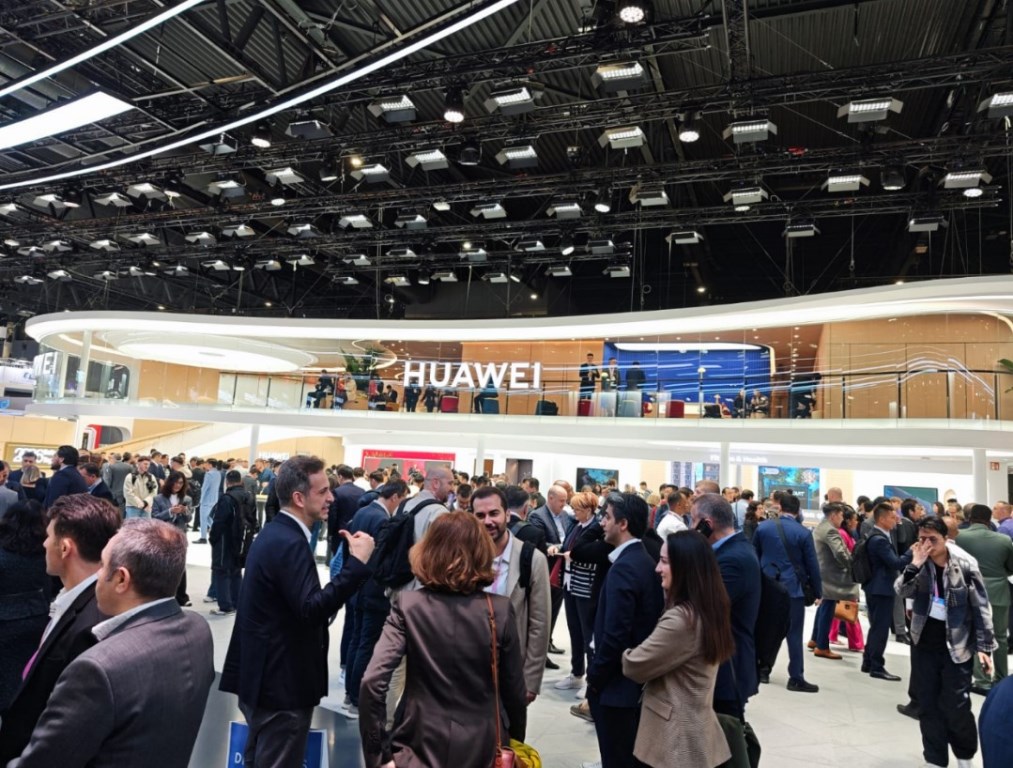
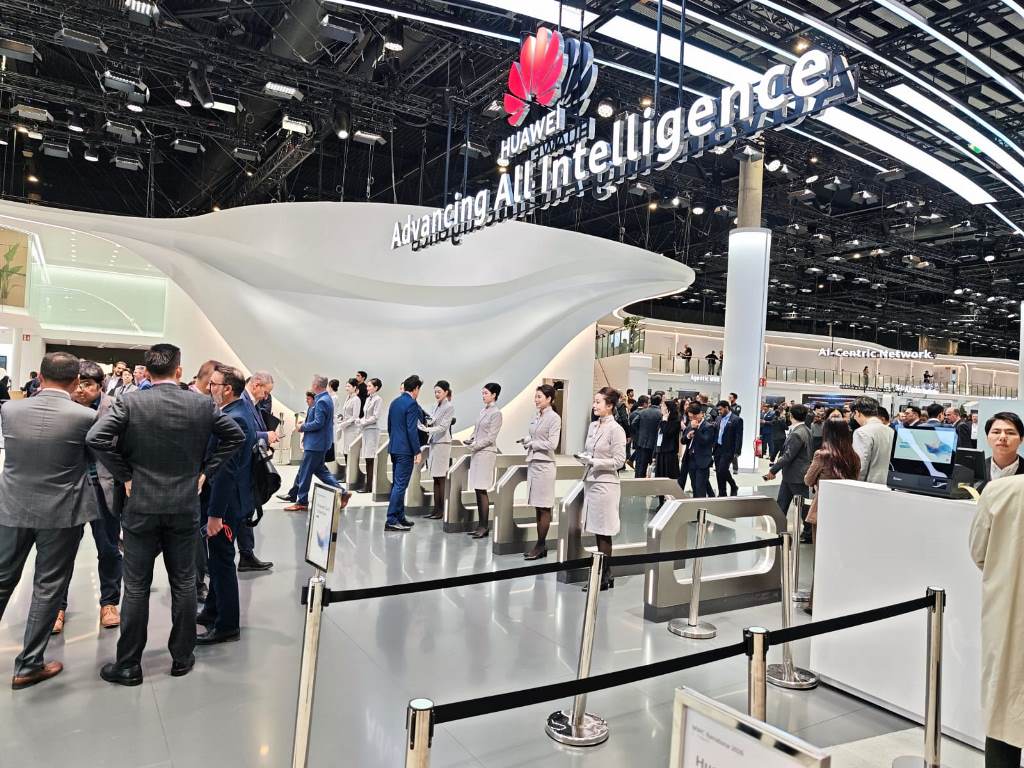
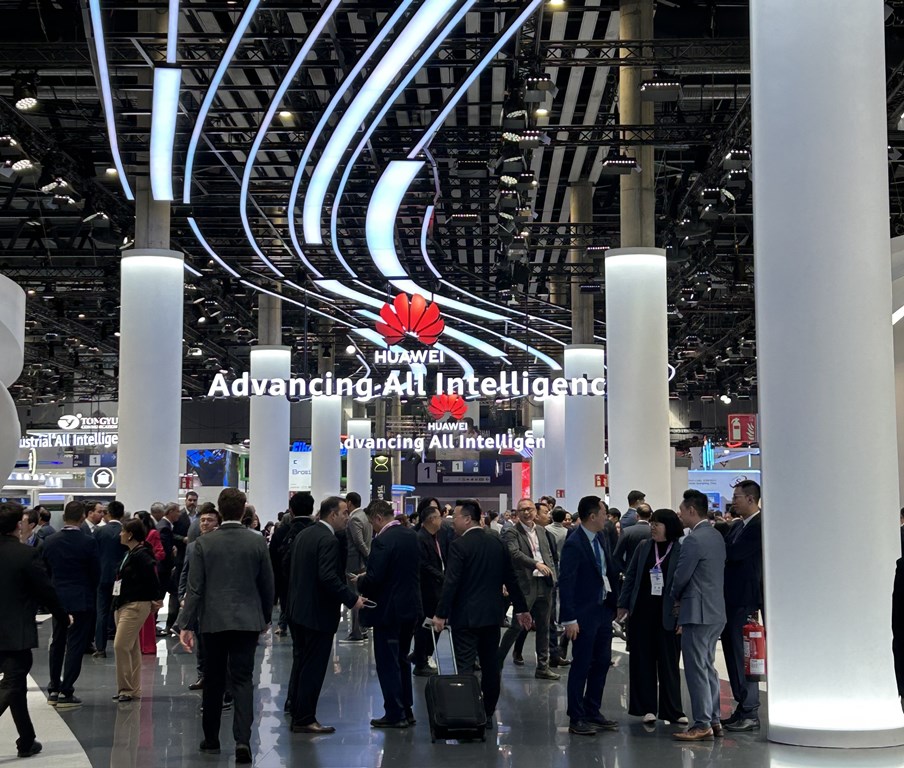
One of the central players at the exhibition was Huawei, presenting its concept “Advancing All Intelligence.” The company is betting on AI-centric networks — telecom infrastructure built around artificial intelligence from the ground up.
In practical terms, this means networks that do more than transmit data. They analyze traffic in real time, optimize performance automatically, predict failures before they happen, and adapt to business needs instantly.
Huawei demonstrated real solutions for operators:
- intelligent traffic management
- automated diagnostics
- predictive equipment maintenance
- deep integration between cloud, AI and 5.5G networks
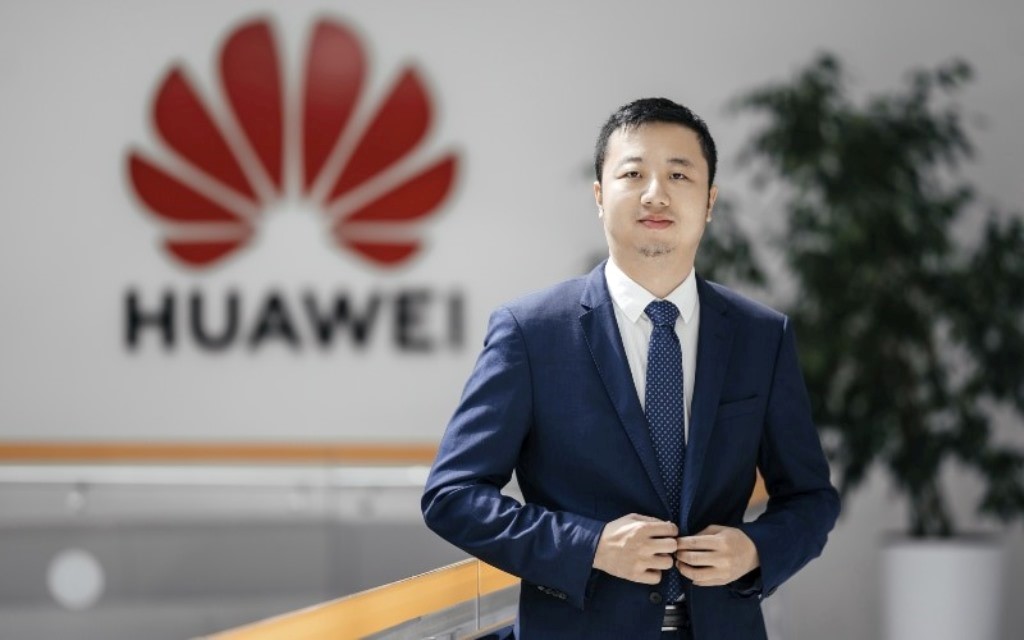 Photo: Huawei
“Today we see that the boundaries between cloud computing, 5.5G networks and artificial intelligence are disappearing. Our ‘Advancing All Intelligence’ strategy responds to the global demand for efficiency. Huawei aims to make access to AI technologies as fundamental as electricity or water. We are building a foundation on which businesses — from large corporations to small startups — can create innovations using our cloud platforms and neural network algorithms,” said Sun Yaxu, CEO of Huawei Technologies Kazakhstan.
This is not evolution. It is structural change.
From 5G to 5.5G — And the First Steps Toward 6G
For years, 5G dominated industry discussions. Now the conversation has moved to 5.5G and early 6G concepts.
At MWC, technologies with ultra-high bandwidth, minimal latency and full industrial digitalization were presented not as distant prototypes — but as deployable solutions.
Smart factories. Automated ports. Fully digital energy grids.
These are not futuristic ideas. They are already being implemented across different regions of the world.
And that is where Kazakhstan enters the conversation.
Why This Matters for Kazakhstan
Kazakhstan has already made significant progress in digital transformation — from e-government services to fintech ecosystems and telecom expansion.
But MWC 2026 makes one thing clear: the next phase is not about digital services alone. It is about AI-built infrastructure.
For Kazakhstan, this opens several strategic directions:
- modernization of telecom networks with autonomous management elements
- integration of intelligent systems in energy and heavy industry
- expansion of data centers and cloud infrastructure
- training a new generation of AI and network engineers
Huawei has long been active in Kazakhstan — from telecom equipment to educational initiatives. The technologies presented in Barcelona could shape the country’s next digital leap.
Intelligence as the New Oil
If oil once defined geopolitics, data and intelligence are becoming the new strategic resources.
At MWC 2026, the discussion was no longer about internet speed. It was about the intellectualization of entire economies.
Imagine:
- smart energy grids in Kazakhstan automatically balancing loads
- agriculture powered by real-time predictive analytics
- urban transport systems guided by AI-based forecasting
- industrial facilities operating with self-learning automation
These are not abstract scenarios. They are technologies being demonstrated today.
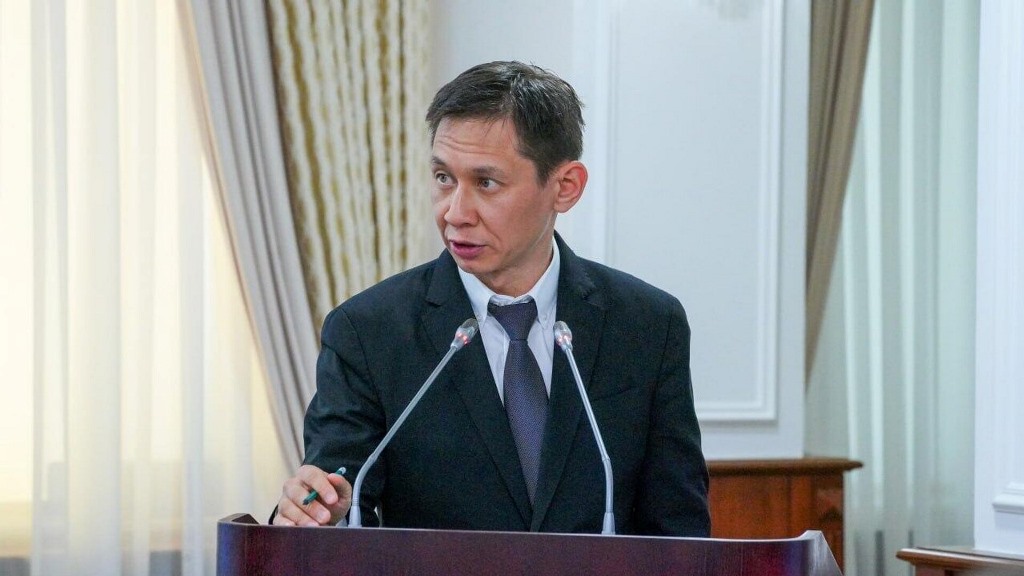 Photo: Photo: Huawei
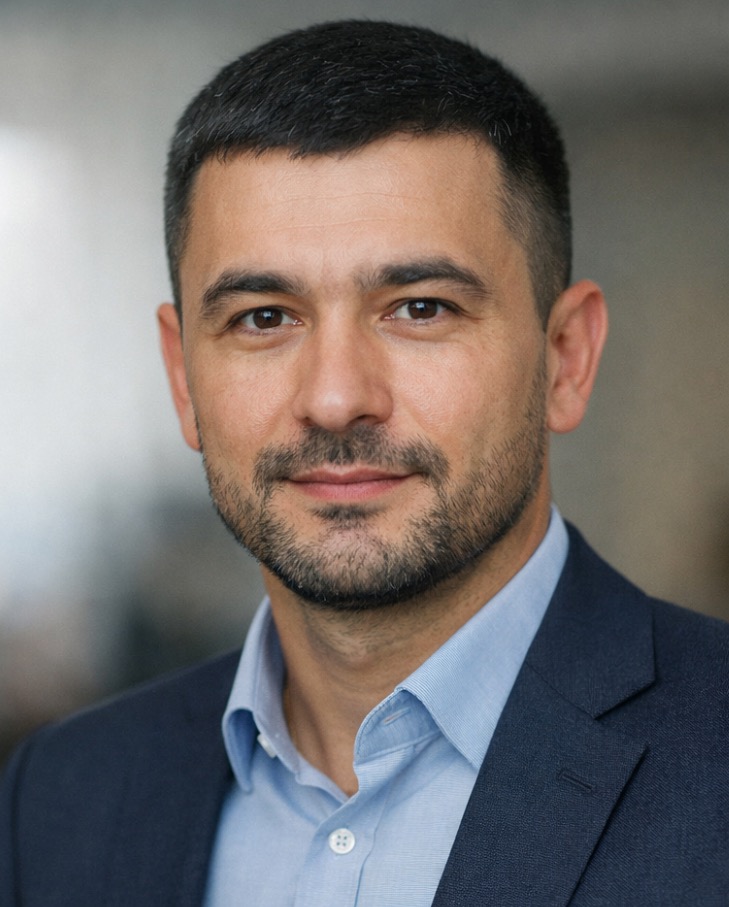
“Technological solutions presented at MWC 2026 reflect the overall industry shift toward more intelligent and flexible infrastructure. At Freedom Telecom, we are consistently modernizing our network and carefully evaluating such approaches in terms of practical applicability and sustainability,” noted Kairat Akhmetov, CEO of Freedom Telecom.
The Era of Autonomous Systems
The key message of MWC Barcelona 2026 is simple but profound: we are entering the era of autonomous systems.
The smartphone is no longer the center of the digital universe.
The center is intelligence — distributed across networks, cloud platforms, industries and cities.
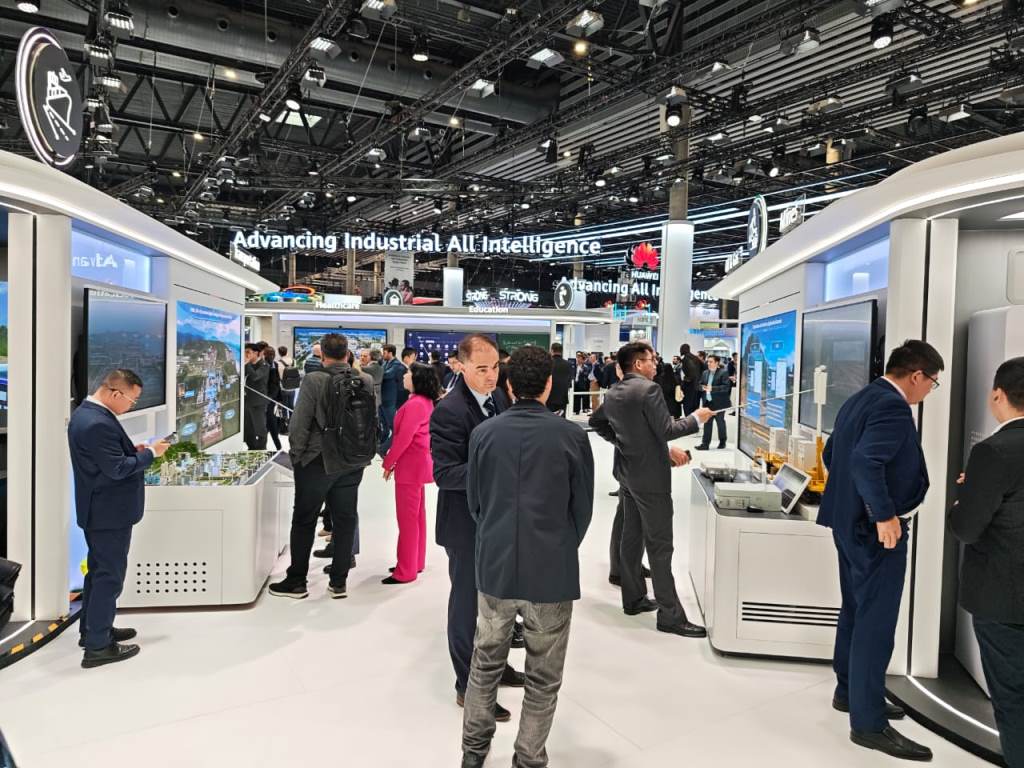
Huawei’s approach focuses on embedding AI deeply into infrastructure — from base stations to cloud ecosystems. This changes the philosophy of connectivity itself. Networks begin to understand users and business objectives.
A Strategic Opportunity for Kazakhstan
For Kazakhstan, participation in global technological transformation is not about image. It is about long-term economic growth.
If the country invests in intelligent infrastructure, builds partnerships with technological leaders, and prioritizes talent development, it can move from being a technology adopter to a regional innovation driver in Central Asia.
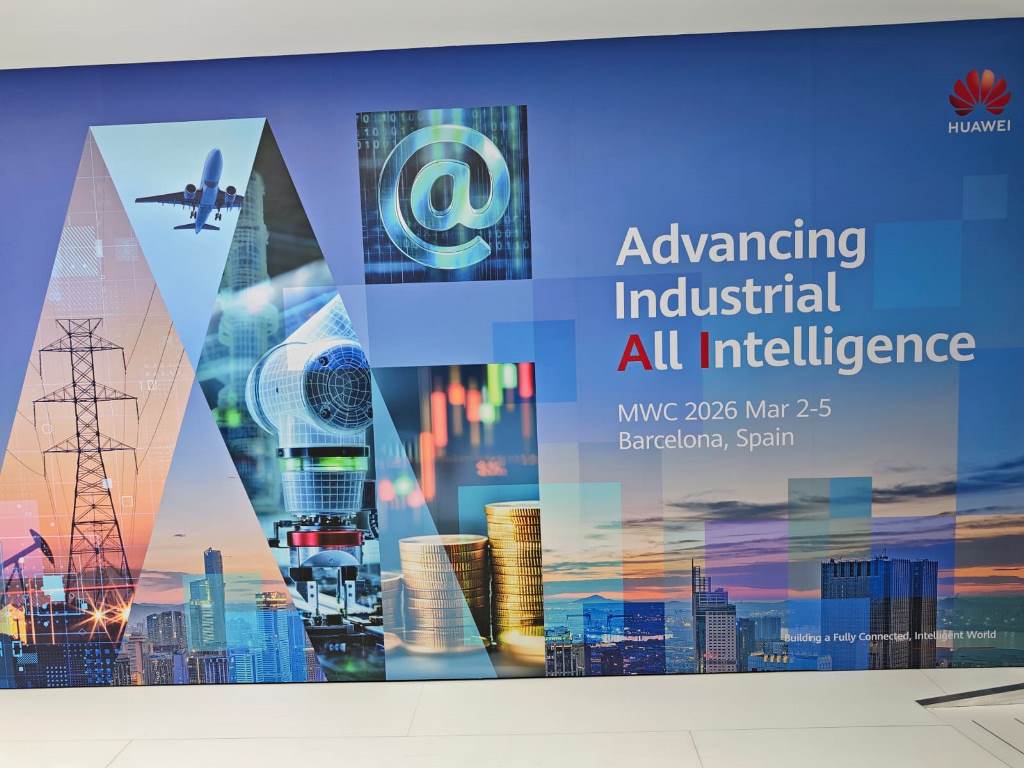
Barcelona is speaking the language of intelligence.
The question is whether Kazakhstan is ready to respond.