

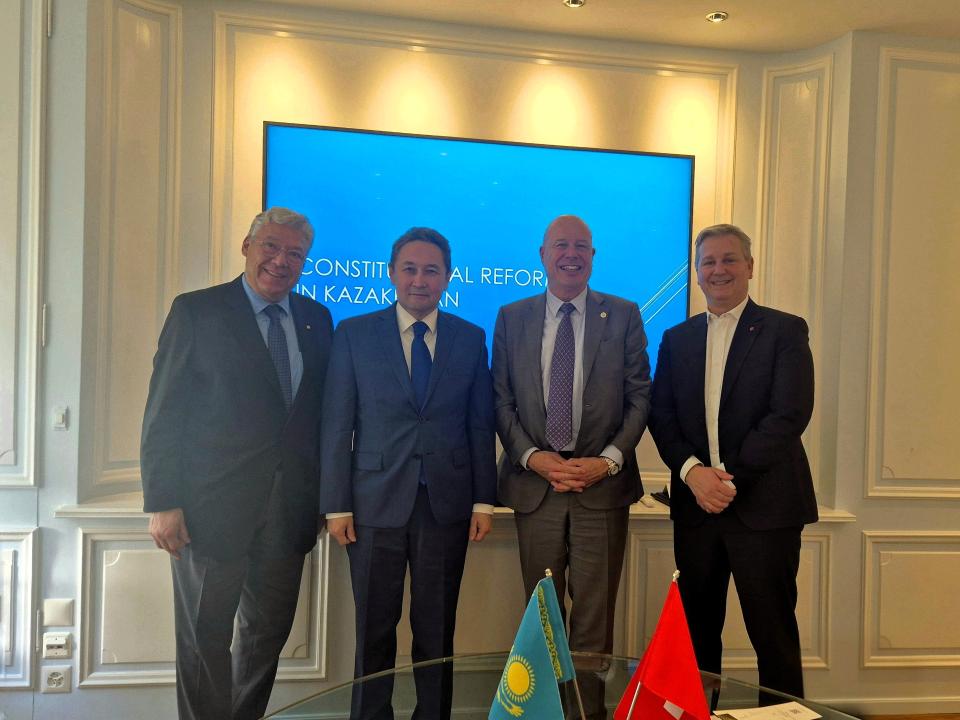
The Embassy of Kazakhstan in Switzerland recently hosted a briefing dedicated to the country’s ongoing constitutional reform, bringing together prominent Swiss political figures and members of the Federal Assembly of the Swiss Confederation, DKNews.kz reports.
The event became a platform for discussing how Kazakhstan plans to reshape its political system and strengthen democratic institutions.
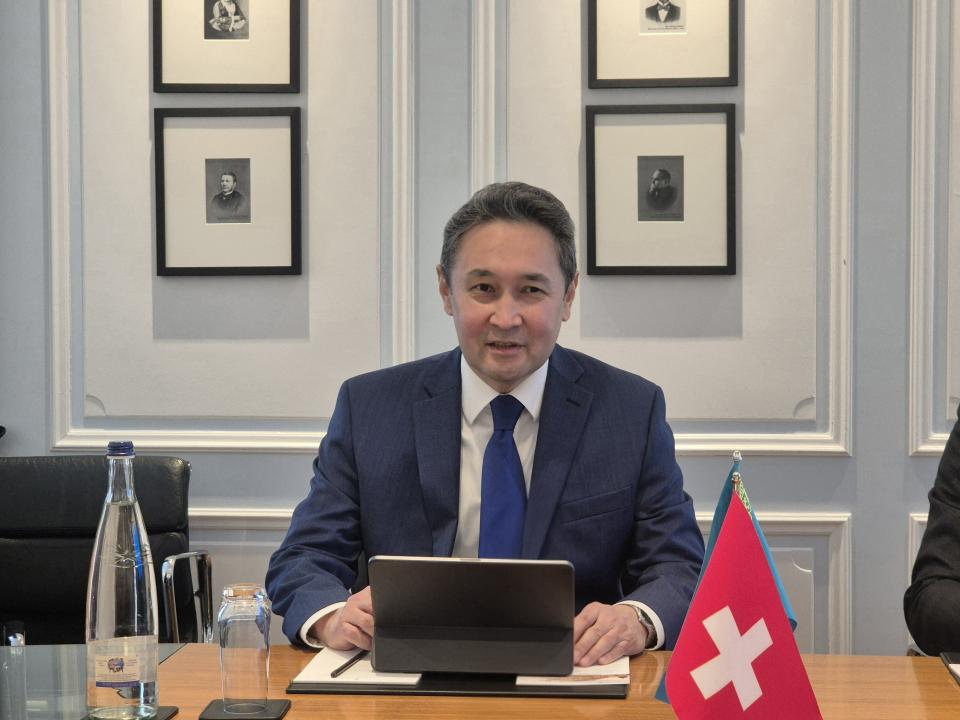
Speaking at the briefing, Kazakhstan’s Ambassador to Switzerland, Kairat Sarzhanov, described the reform as a logical continuation of the large-scale political transformations initiated by President Kassym-Jomart Tokayev. According to the ambassador, the changes are designed to make government institutions more accountable, modernize the political system, and expand citizens’ participation in public life.
“Constitutional reform is not simply a technical process of updating laws,” Sarzhanov emphasized. “It is about creating a system where state institutions are more responsive to society and where citizens have more opportunities to influence political decision-making.”
Key changes to the Basic Law
Participants of the briefing were presented with several major proposals that could significantly reshape Kazakhstan’s political architecture.
Among the most notable ideas discussed was the transition to a unicameral Parliament, a move that supporters say could simplify legislative processes and make lawmaking more transparent and efficient.
Another proposal involves the creation of “Kazakhstan Halyk Kenesi,” envisioned as the country’s highest consultative body. The institution would serve as a platform for dialogue between the government, civil society, and different political stakeholders. The goal is to broaden participation in national decision-making and ensure that public concerns are reflected more directly in policy discussions.
The reform package also includes the introduction of the office of Vice President, which is intended to strengthen the executive branch and ensure continuity in governance.
Equally important, the draft constitutional changes emphasize the protection of Kazakhstan’s independence, sovereignty, and territorial integrity, while reinforcing guarantees of human rights and fundamental freedoms.
Swiss politicians highlight parallels
Members of the Switzerland–Kazakhstan Interparliamentary Friendship Group expressed a generally positive view of the proposed reforms, noting their systematic and long-term approach.
Filippo Lombardi, former President of the Council of States of the Federal Assembly, said updating constitutional norms could improve transparency in public administration and strengthen legal protections.
According to Lombardi, constitutional modernization is often a crucial step for countries seeking to reinforce democratic governance and build stronger institutions.
Another participant, Eric Nussbaumer, former Chairman of the National Council, expressed particular interest in the idea of establishing the Kazakhstan Halyk Kenesi. He noted that consultative institutions that encourage dialogue between authorities and society are consistent with the broader principles of Swiss federalism.
Swiss delegation recalls visit to Astana
Members of the Swiss parliament Christine Badertscher and Roland Büchel also shared their impressions from a recent visit to Kazakhstan.
The lawmakers recalled their trip to Astana in October 2025 as part of a Swiss parliamentary delegation. During the visit, they met with President Tokayev and received firsthand insights into the political and institutional reforms being carried out in the country.
According to them, the visit allowed Swiss legislators to better understand the context behind Kazakhstan’s modernization efforts and the challenges associated with reforming political institutions.
A reform process under international attention
Kazakhstan’s constitutional reform has attracted increasing international interest as the country continues to redefine its political model.
Officials in Astana argue that the proposed changes are intended to strengthen democratic governance, modernize the state system, and create new mechanisms for dialogue between the government and society.
Events like the briefing in Switzerland demonstrate that the reform process is not only a domestic issue but also part of Kazakhstan’s broader effort to engage with international partners and share its vision for political development.
As discussions continue, observers say the real impact of the reforms will depend on how effectively the new constitutional principles translate into practice — and whether they succeed in strengthening public trust in state institutions.