

The foreign ministers of the Turkic world gathered in Istanbul for an informal meeting that highlighted growing political coordination and deeper integration among Turkic nations.
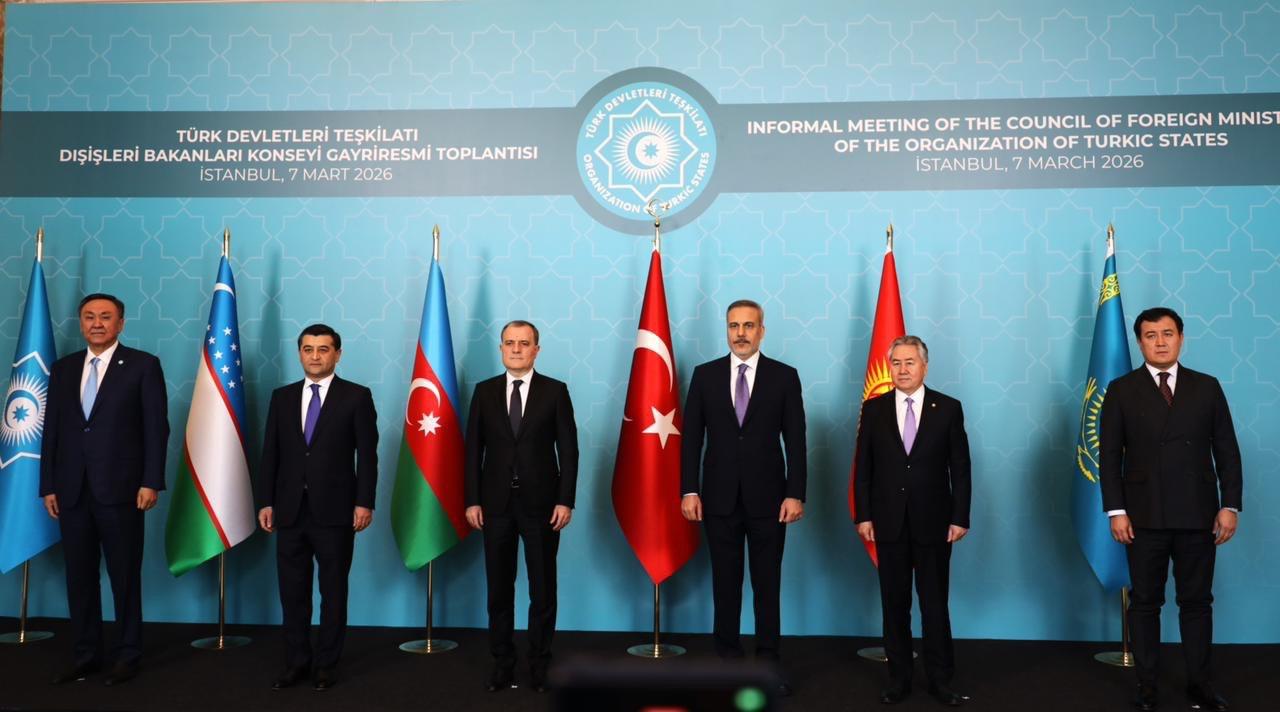
The meeting of the Council of Foreign Ministers of the Organization of Turkic States (OTS) was chaired by Hakan Fidan, Minister of Foreign Affairs of Türkiye, DKNews.kz reports.
It brought together representatives from OTS member states — Azerbaijan, Kazakhstan, Kyrgyzstan, and Uzbekistan — as well as the Secretary General of the organization.
Kazakhstan’s delegation was led by Deputy Minister of Foreign Affairs Alibek Bakayev.
A Platform for the Turkic World
Although informal in format, the meeting served as an important platform for discussing key regional and global issues affecting the Turkic region. Ministers exchanged views on current geopolitical developments and explored ways to strengthen political dialogue among member states.
Particular attention was given to expanding institutional cooperation within the OTS and advancing joint initiatives aimed at deepening integration across the Turkic world. Diplomats also discussed preparations for upcoming events organized under the framework of the organization, which continues to grow as a platform for coordination among Turkic-speaking countries.
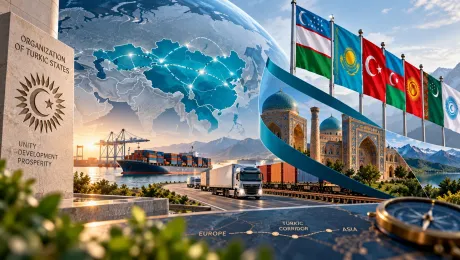
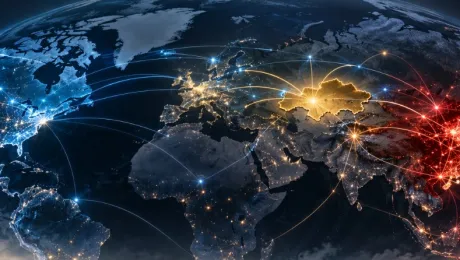
Experts increasingly view the OTS as an emerging geopolitical bloc that links Central Asia and the South Caucasus with Türkiye, creating a growing corridor of economic, cultural, and political cooperation.
Erdoğan Receives Delegations
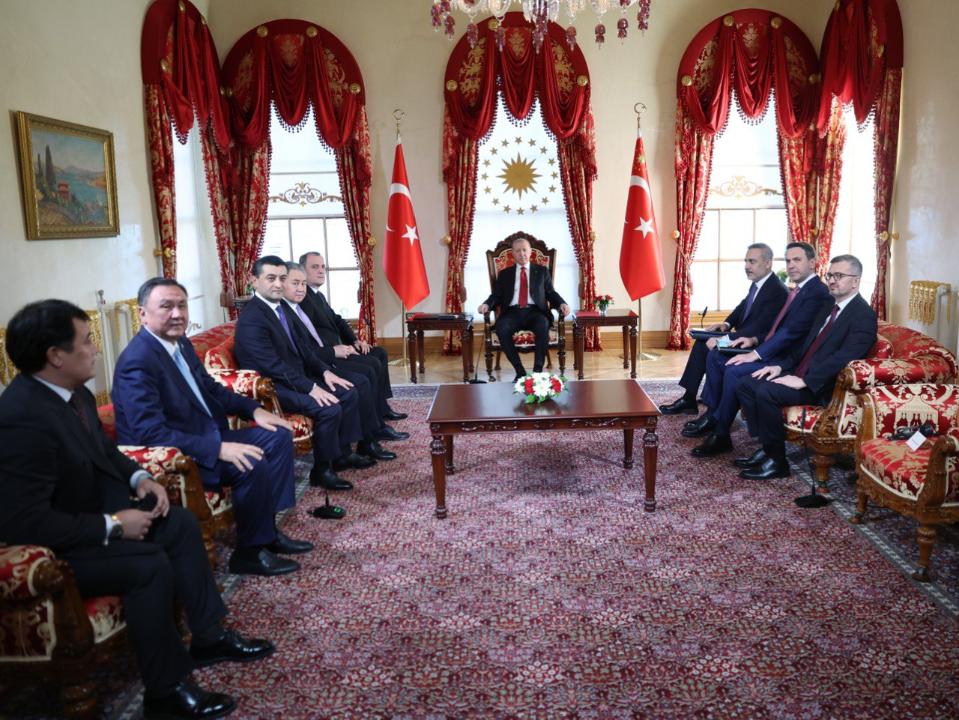
On the sidelines of the meeting, the heads of the participating delegations were received by Recep Tayyip Erdoğan, President of Türkiye.
During the meeting, participants discussed strengthening strategic partnerships between Kazakhstan and Türkiye, as well as expanding broader cooperation among Turkic states.
The talks underscored the importance of coordination among Turkic countries in addressing regional challenges and increasing their collective influence in international affairs.
Joint Statement on the Middle East
Following the meeting, the foreign ministers adopted a Joint Statement addressing recent developments in the Middle East, signaling the organization’s growing engagement with global geopolitical issues.
In addition, the ministers approved new regulations governing cooperation with third parties under the OTS+ format, a mechanism designed to expand partnerships with countries and organizations outside the Turkic bloc.
Growing Role of the Turkic Alliance
Participants reaffirmed their commitment to strengthening ties among what they described as “brotherly Turkic states.” The meeting reflected a broader trend: the steady transformation of the Organization of Turkic States from a cultural platform into an increasingly influential regional partnership.
As geopolitical dynamics shift across Eurasia, cooperation within the Turkic world is gaining new strategic importance — and meetings like the one in Istanbul suggest that member states are determined to deepen that integration in the years ahead.