
Spring didn’t just arrive in Bulgaria this year — it was celebrated with soul, meaning, and a touch of Kazakh tradition.
At Sofia University St. Kliment Ohridski, one of Eastern Europe’s most historic academic institutions, Nauryz — the ancient holiday of renewal — unfolded far from the Kazakh steppe, yet felt remarkably at home, DKNews.kz reports.
A Holiday That Transcends Borders
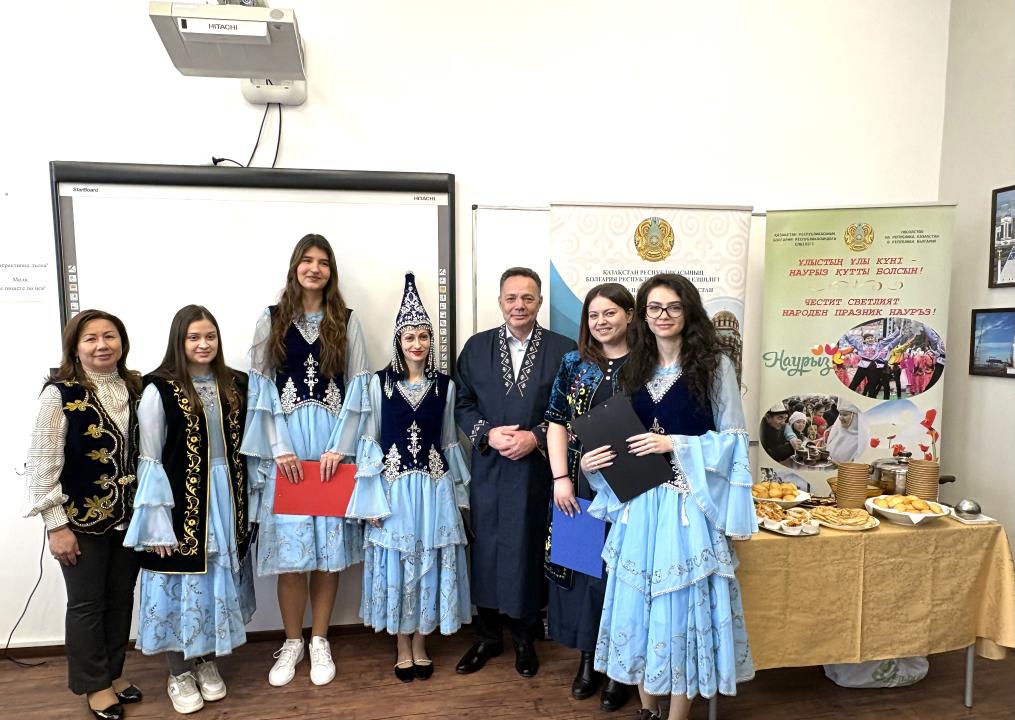
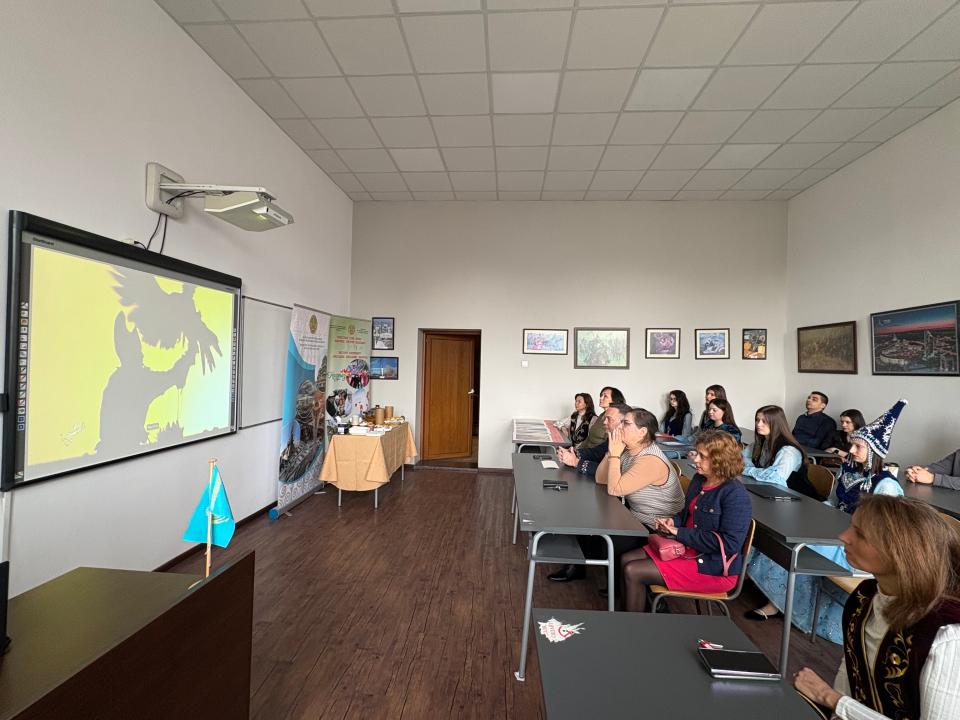
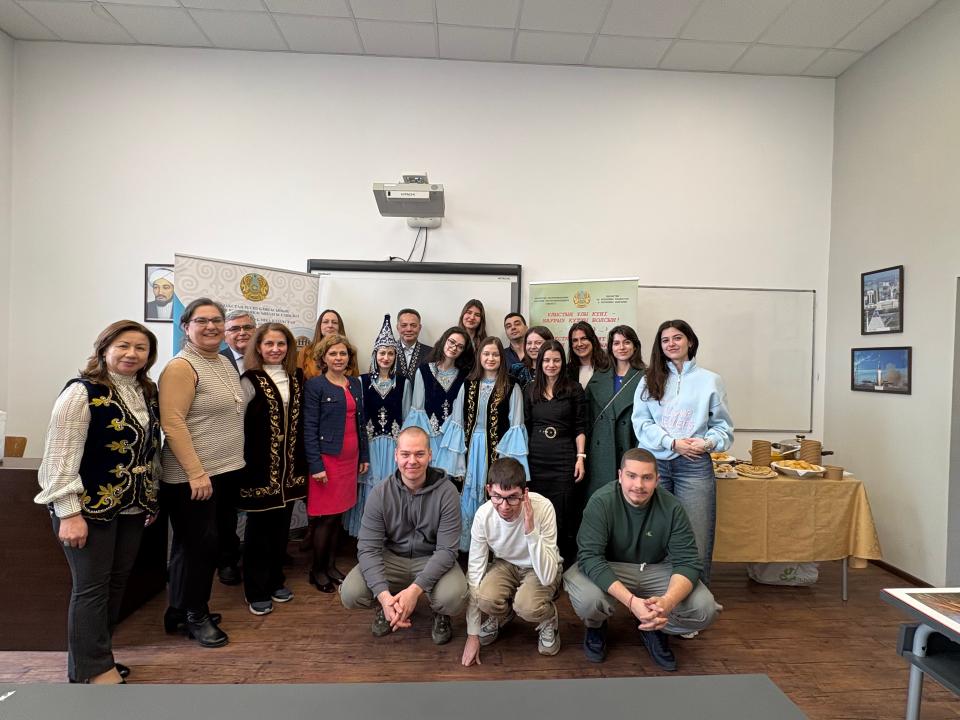
With the support of the Embassy of Kazakhstan, the Center for Kazakh Language, History and Culture hosted a ceremonial event that brought together professors, students, and cultural enthusiasts. But this wasn’t just a formal gathering — it was a vivid reminder that traditions don’t belong to geography alone.
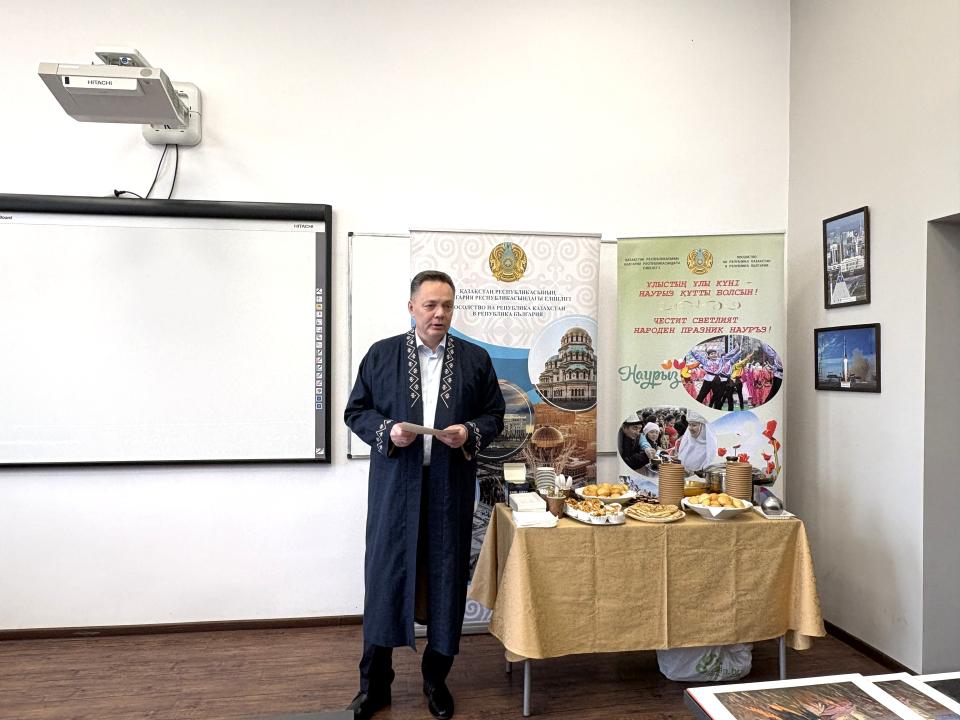
Kazakhstan’s Ambassador to Bulgaria, Viktor Temirbayev, opened the event with a message that resonated beyond diplomacy:
Nauryz is not just a date — it is a symbol of nature’s rebirth, a new life cycle, and harmony between people and the world around them.
And indeed, that harmony was felt throughout the event.

Nauryz, Reinvented: The Rise of “Nauryznama”
The ambassador also highlighted how Nauryz itself is evolving. Under the initiative of Kassym-Jomart Tokayev, Kazakhstan introduced a new concept in 2024 — “Nauryznama”, a ten-day celebration from March 14 to 23.
Each day now carries its own meaning, reflecting values such as:
- unity
- cultural heritage
- generosity
- environmental awareness
It’s a modern reimagining of an ancient holiday — proof that tradition can grow without losing its roots.
A Cultural Bridge Between Kazakhstan and Bulgaria
Interestingly, the timing couldn’t be more symbolic. Bulgaria celebrates “Parva Prolet” (First Day of Spring) on March 20 — a holiday that mirrors Nauryz in spirit. Different names, same human feeling: hope, renewal, and new beginnings.
And that shared meaning became tangible during the event.
Bulgarian students didn’t just attend — they participated. They recited poetry in Kazakh, demonstrating not only impressive language skills but genuine curiosity and respect for another culture.
Moments like these show something deeper than academic exchange — they reveal connection.

More Than Words: Taste of Tradition
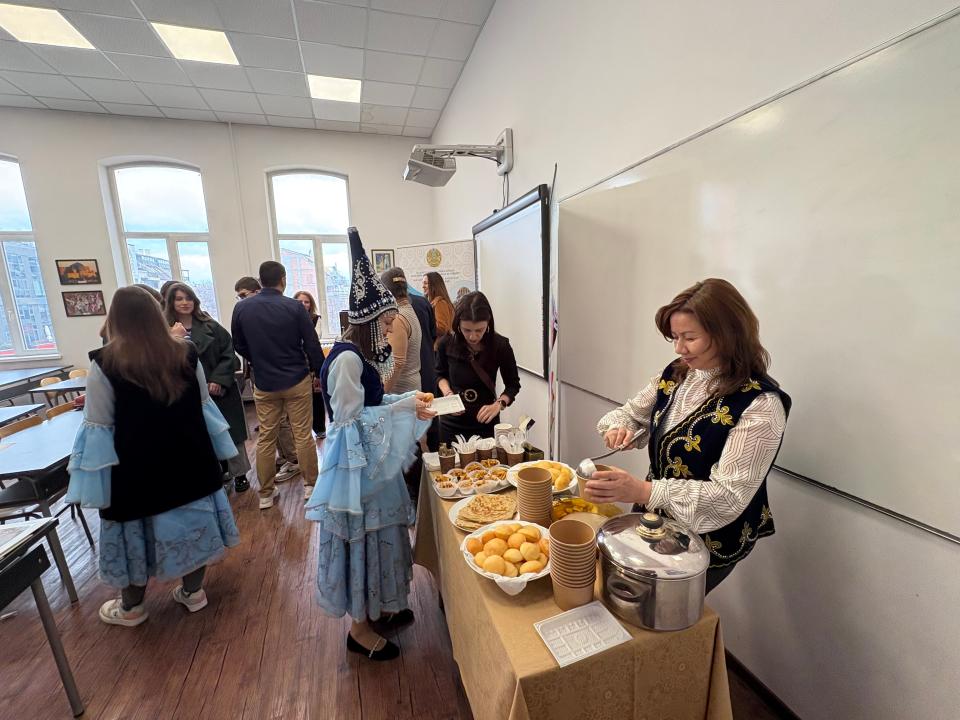
No Nauryz celebration is complete without food — and Sofia was no exception.
Guests were treated to traditional Kazakh dishes, including Nauryz kozhe, a symbolic meal representing:
- abundance
- prosperity
- continuity of life
It’s more than a dish — it’s a story served in a bowl.

Why This Matters
The presence of Kazakh language and culture at Sofia University isn’t случайность — it’s the result of years of cooperation.
Since 2015, the Center for Kazakh Language, History and Culture has been actively promoting Kazakhstan’s heritage. And in 2018, another important step was taken with the creation of the Al-Farabi Center, in partnership with Al-Farabi Kazakh National University.
Together, these initiatives are building something long-term:
- academic collaboration
- cultural dialogue
- mutual understanding between nations

A Small Event With a Bigger Meaning
At first glance, this might seem like a niche cultural event. But in reality, it reflects a broader trend: the globalization of identity without losing authenticity.
Nauryz in Sofia shows that traditions can travel, adapt, and still remain meaningful. It proves that culture isn’t static — it lives through people who are willing to learn, share, and celebrate together.
And maybe that’s the real essence of Nauryz:
Not just renewal of nature — but renewal of connection.