

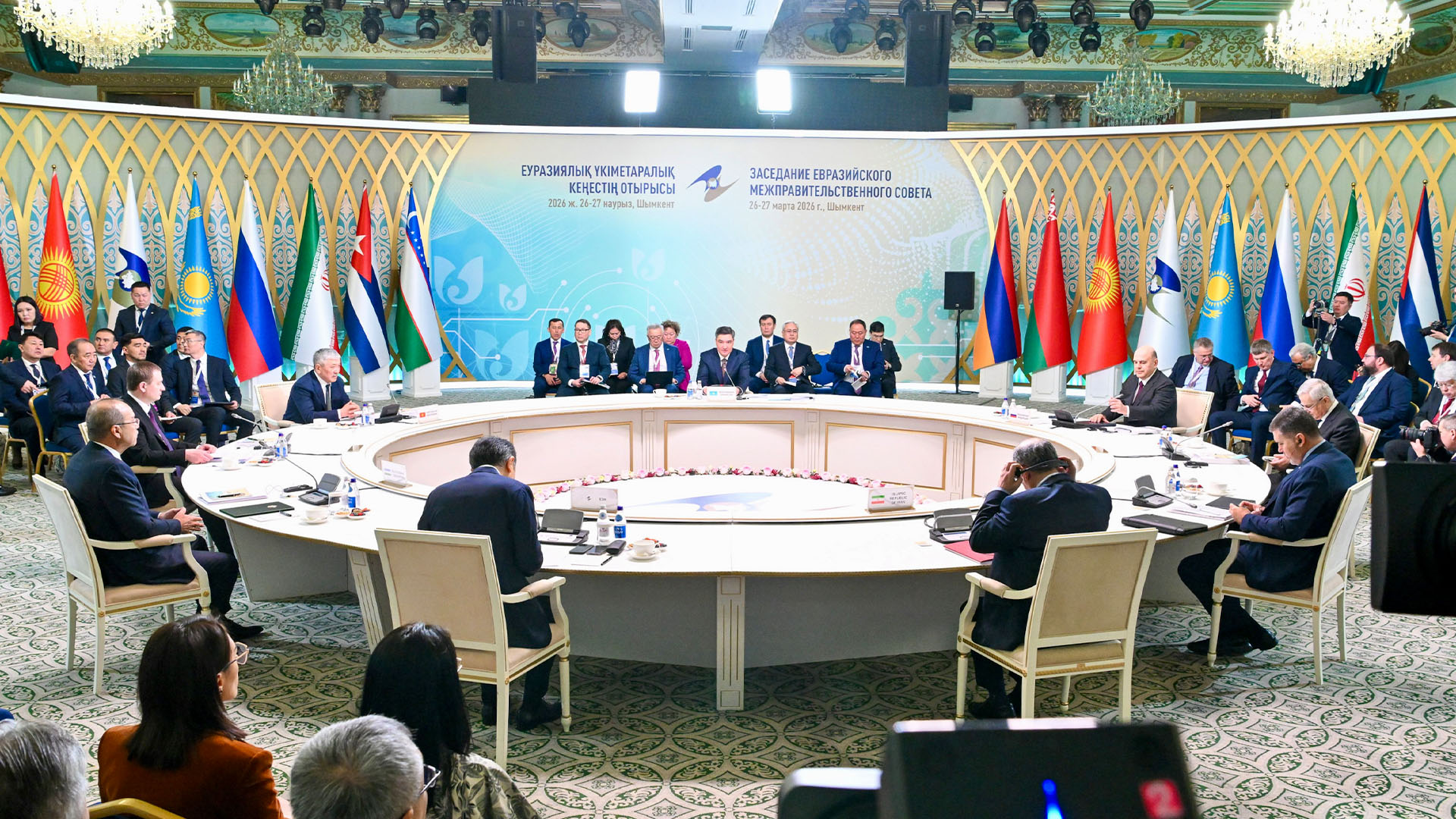
As part of Kazakhstan’s chairmanship in the bodies of the Eurasian Economic Union (EAEU), an expanded meeting of the Eurasian Intergovernmental Council (EIC) took place in Shymkent. The meeting covered a broad range of topics, focusing on key aspects of Eurasian integration such as industrial cooperation, technological development, customs regulation, economic resilience, digital transformation, and consumer protection, DKNews.kz reports.
Key Attendees and Opening Remarks
The meeting, chaired by the Prime Minister of the Republic of Kazakhstan Olzhas Bektenov, was attended by high-ranking officials from EAEU member states and observer countries. These included:
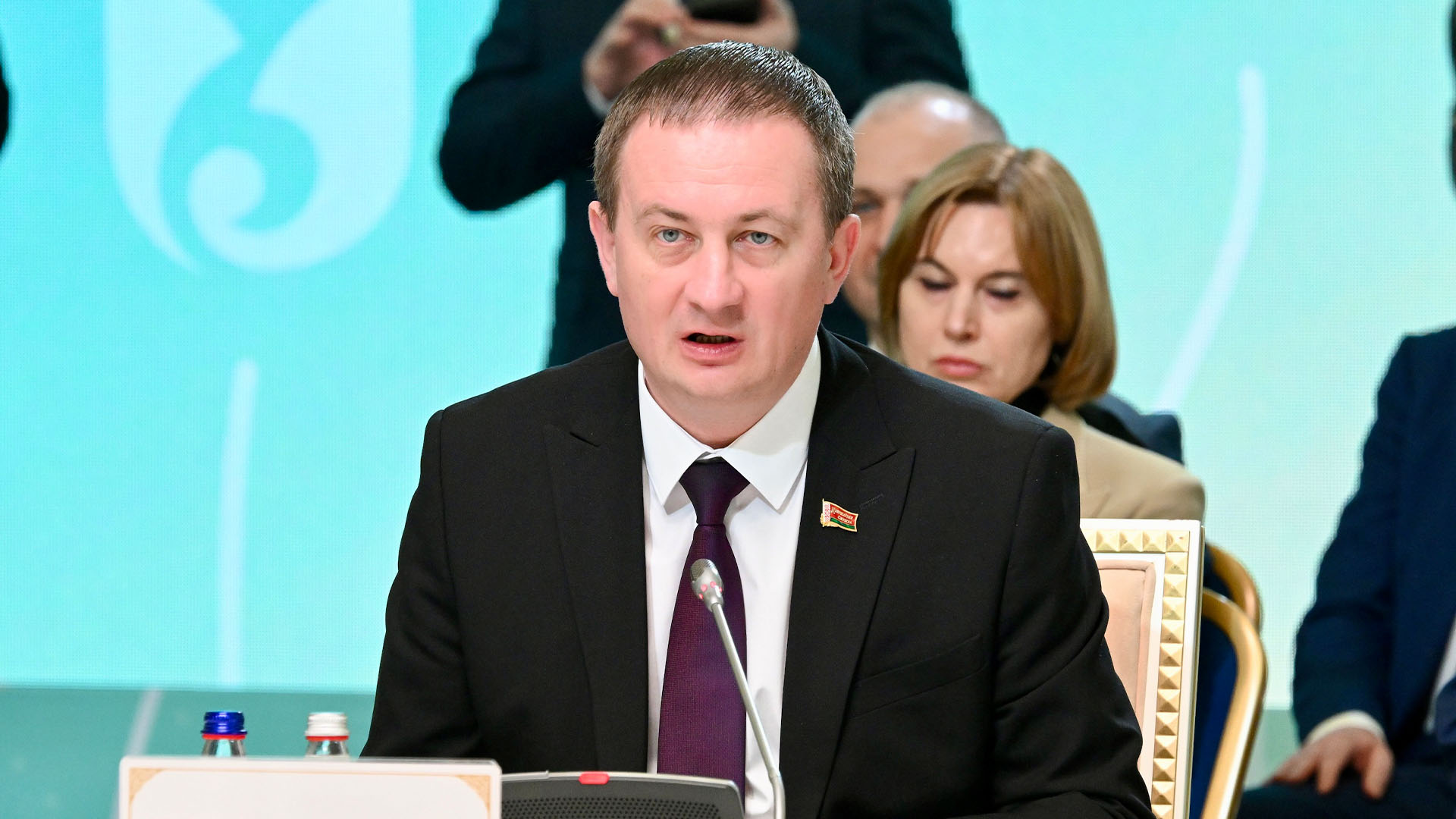
- Prime Minister of the Republic of Belarus, Alexander Turchin
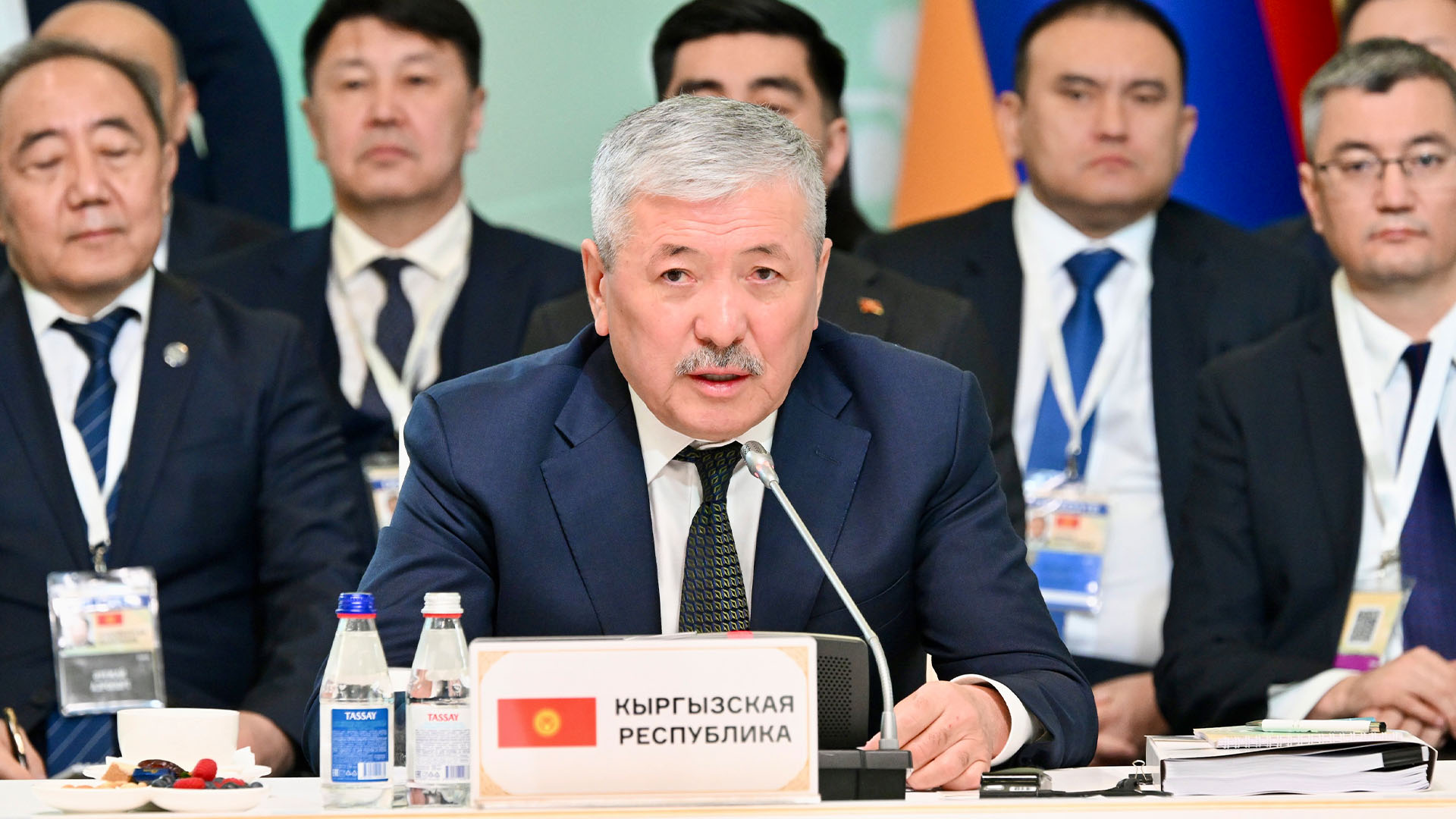
- Chairman of the Cabinet of Ministers and Head of the Presidential Administration of the Kyrgyz Republic, Adylbek Kasymaliev
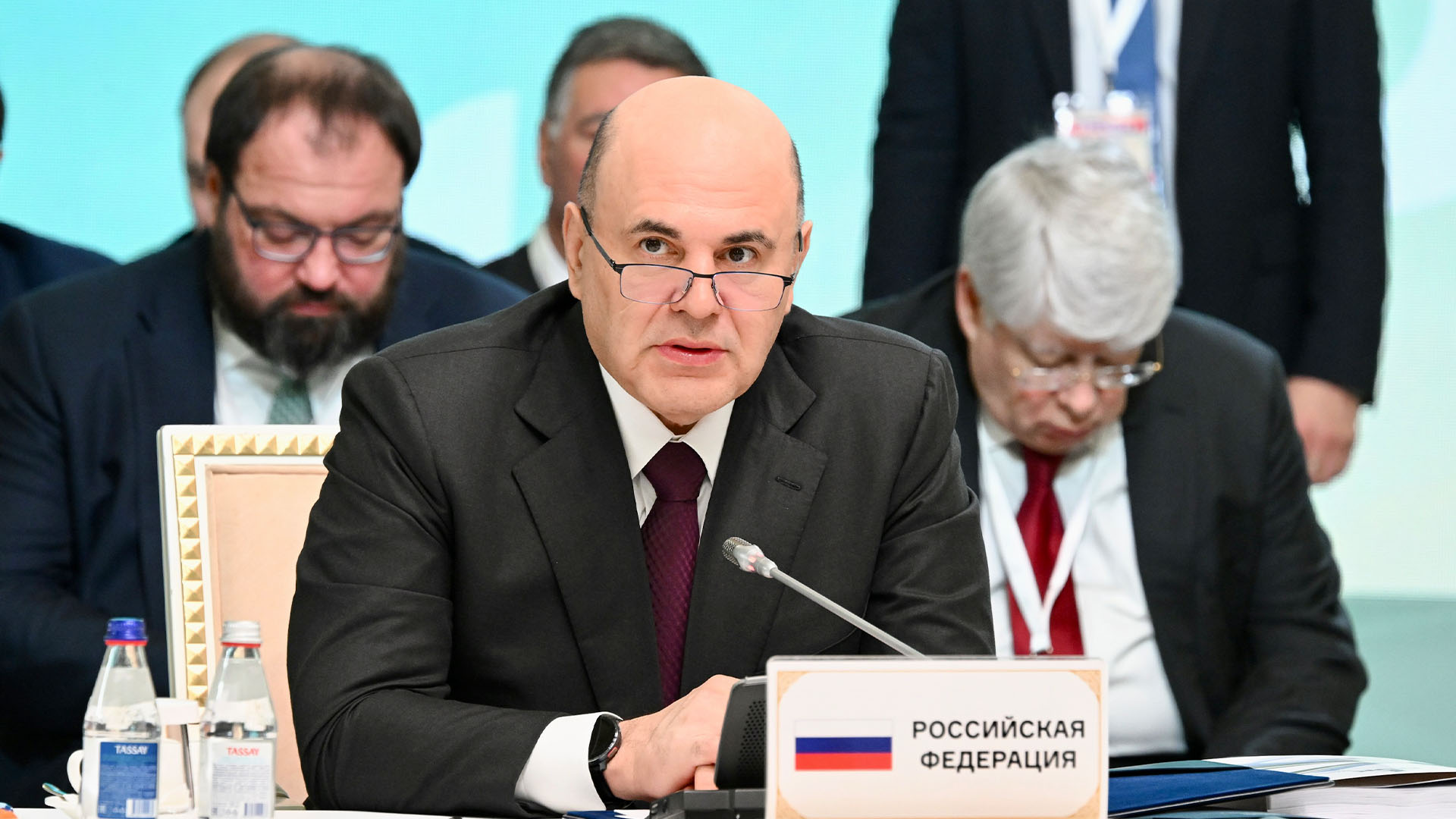
- Chairman of the Government of the Russian Federation, Mikhail Mishustin
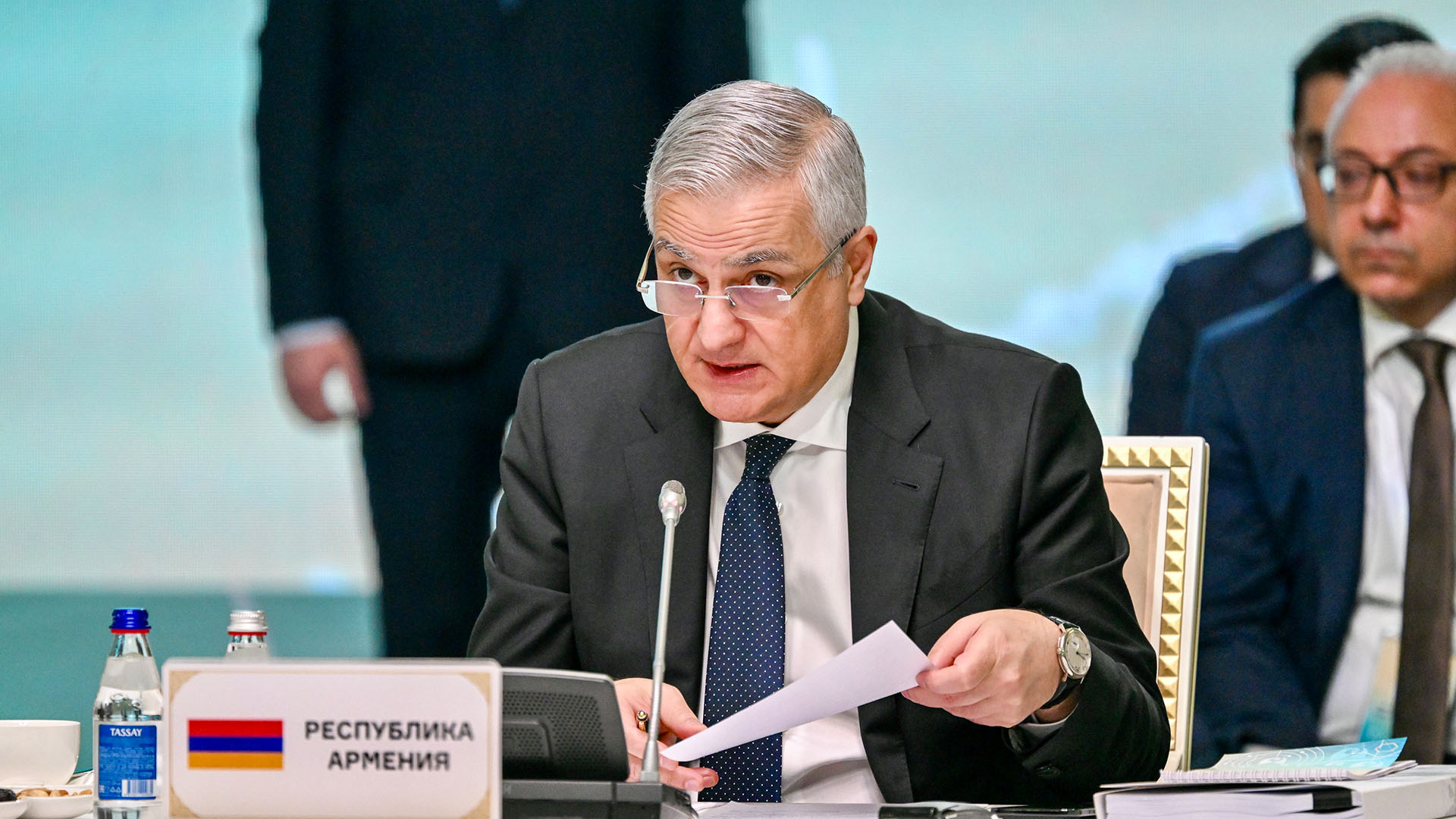
- Deputy Prime Minister of the Republic of Armenia, Mher Grigoryan
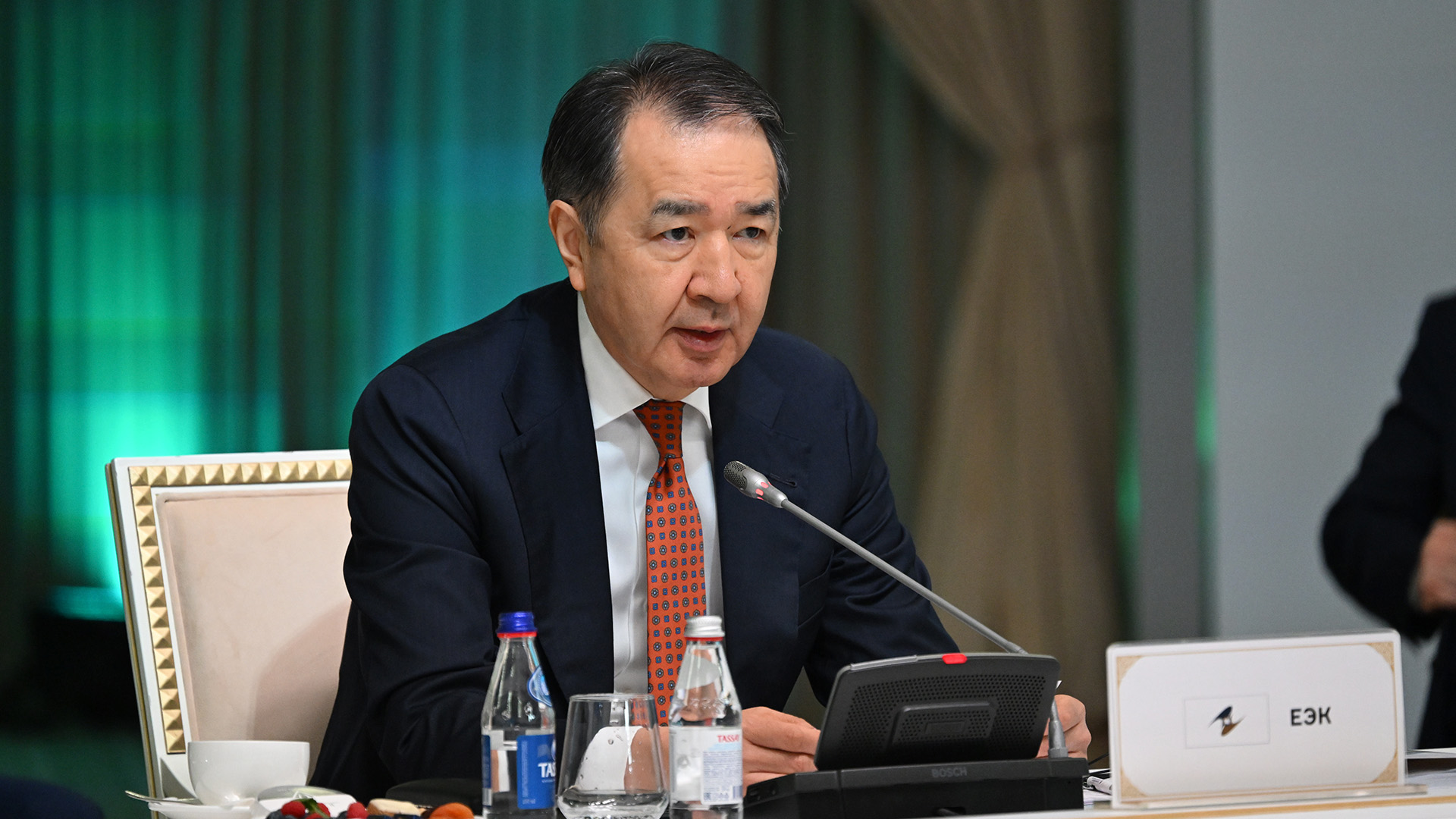
- Chairman of the Board of the Eurasian Economic Commission, Bakytzhan Sagintayev
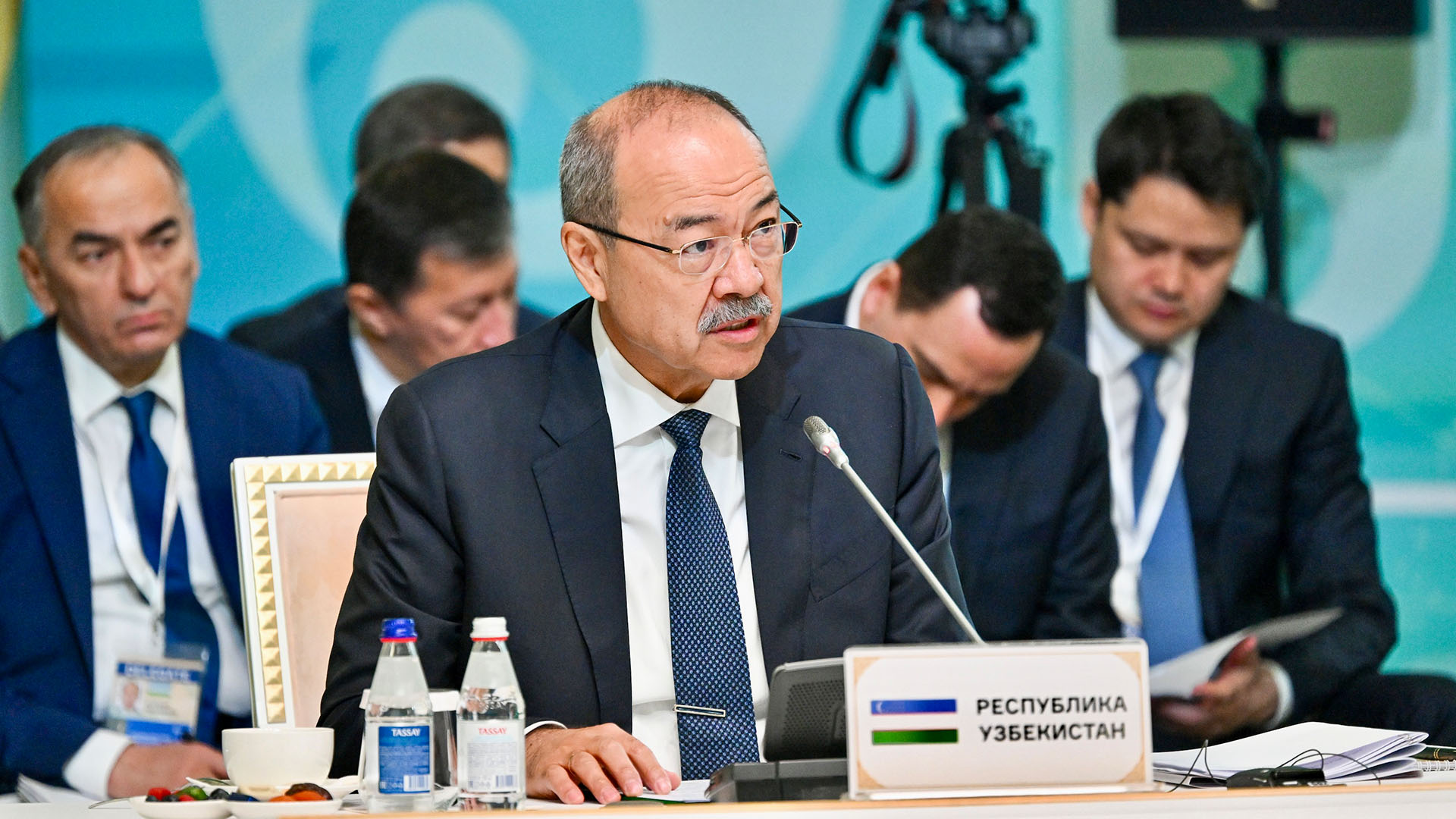
- Prime Minister of the Republic of Uzbekistan, Abdulla Aripov (observer state)
- Deputy Prime Minister of Cuba, Oscar Pérez-Oliva Fraga (observer state)
- Ambassador Extraordinary and Plenipotentiary of the Islamic Republic of Iran to Kazakhstan, Ali Akbar Joukar (observer state)
Prime Minister Olzhas Bektenov emphasized the importance of the EAEU as an organization that aims to deepen economic cooperation and ensure sustainable economic growth for its member states. He highlighted the EAEU’s mission to create a common market that facilitates the free movement of goods, services, capital, and labor, while contributing to technological modernization and industrial cooperation within its member countries.
Kazakhstan’s Focus During Chairmanship
As part of its chairmanship, Kazakhstan has outlined several priorities for the year, particularly in the areas of artificial intelligence (AI), transit potential, industrial cooperation, the removal of internal market barriers, and expanding foreign trade ties.
Prime Minister Bektenov specifically noted the following strategic goals for Kazakhstan’s chairmanship:
- Introduction of AI: Kazakhstan plans to introduce artificial intelligence across various sectors of the Union, particularly in customs administration, logistics, industry, and agriculture.
- Unlocking Transit Potential: A proposal to create an integrated AI-based platform to coordinate cargo flows and improve the competitiveness of Eurasian transport corridors.
- Deepening Industrial Cooperation: Emphasis on innovative initiatives and creating high value-added production within the EAEU.
- Digital Transformation: Kazakhstan aims to become a fully digital country, with a focus on supporting tech startups, AI research, and digital regulation.
Prime Minister Bektenov also referenced Kazakhstan’s recent advancements, such as the establishment of the Astana Hub—Central Asia’s largest international IT startup technopark—and the opening of the International Artificial Intelligence Center Alem.ai, which brings together education, research, and innovation support.
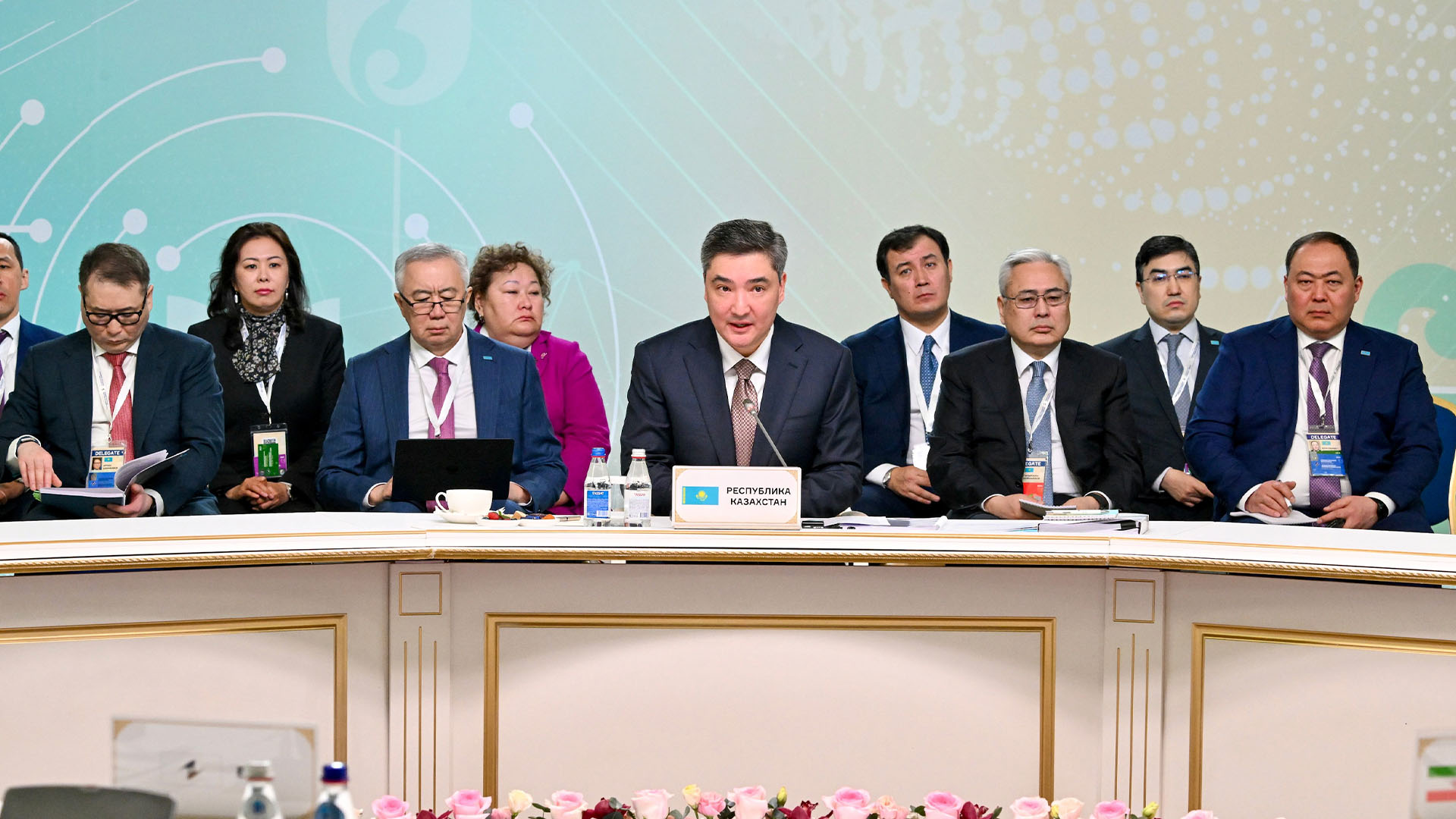
“From January 1, 2026, the Republic of Kazakhstan has assumed the chairmanship in the bodies of the Eurasian Economic Union. In this regard, an address by our Head of State Kassym-Jomart Tokayev has been sent to the member states, outlining the key priorities of Kazakhstan’s chairmanship. Kazakhstan has set a strategic task to become a fully-fledged digital country. A modern ecosystem has been formed, the key element of which is Astana Hub- the largest international technopark of IT startups in Central Asia. The International Artificial Intelligence Center Alem.ai has been opened, bringing together education, scientific research and support for innovative projects. We are ready to exchange knowledge and experience with EAEU partners in the field of digital regulation and economic transformation,” Olzhas Bektenov emphasized.
Proposals for the Future of the EAEU
During the meeting, several proposals were put forward to enhance the functionality and economic resilience of the Union. These include:
- Digitalization of Customs and Trade: The transition of processes for confirming veterinary and phytosanitary control into a fully electronic format, ensuring greater transparency in mutual trade.
- Development of Information Sharing Mechanisms: Abolishing the mandatory stamping of paper documents and developing systems for information interaction with third countries.
- Promotion of AI in Industry and Agriculture: The creation of demonstration centers, startups, and sectoral competence centers to encourage the use of AI and digital solutions.
Strengthening External Economic Relations
The EAEU also discussed expanding trade and economic cooperation with external regions, focusing on:
- The Arab world
- Southeast Asia
- Africa
These regions were identified as having significant potential for future trade growth, as the EAEU seeks to strengthen its global economic presence and develop international production chains.
Signed Agreements and Future Meetings
At the conclusion of the meeting, 12 documents were signed. These agreements are aimed at furthering the integration processes and enhancing the resilience of the EAEU’s economies. The next meeting of the Eurasian Intergovernmental Council will take place on August 6–7, 2026, in Cholpon-Ata, Kyrgyzstan.