
What will the city of the future look like in Kazakhstan? At the Freedom Inside’26 forum, experts offered a clear answer: a smart city is not really about technology - it is about quality of life, DKNews.kz reports.
Today, major cities are changing fast. What once felt chaotic is gradually turning into a connected, coordinated urban system. Behind that shift are Big Data and artificial intelligence, which are helping cities work more smoothly, predict problems earlier and respond more effectively.
The era of invisible technology
When people hear the phrase Smart City, they usually think of cameras, sensors and complex digital systems. But according to the speakers, the real goal is much simpler: technology should work so seamlessly that people barely notice it.
Sergek Group CEO Yevgeniy Kim said the true value of urban technology lies not in visibility, but in results people can feel every day.
“Usually, Smart City is associated with an abundance of technology and complex data. But for residents, that is not what matters. What matters is feeling safe and comfortable. Our mission is to make technology work invisibly. Seamless traffic is when you get home 15 minutes faster, simply knowing that your family is safe,” he said.
 photo by Ruslan Mazunin
In other words, a smart city is one where technology stays in the background while daily life becomes easier, calmer and more predictable.
Not about fines, but about safety
For years, many urban technologies - especially road monitoring systems - were seen mainly as tools for issuing fines.
That perception is beginning to change.
The new goal is not punishment, but prevention.
Kim pointed to one figure that challenges a common stereotype: in 2024, 30 percent of Astana’s 300,000 registered vehicles did not commit a single traffic violation.
That suggests the conversation is shifting. The focus is no longer only on catching violations after they happen, but on creating conditions that help prevent them in the first place.
Predicting danger before it happens
A smart city is not only about monitoring streets. It is also about understanding patterns and using data to reduce risk.
Freedom Insurance CEO Azamat Kerimbayev said transport analytics can help identify the most dangerous parts of a city and improve decision-making.
“For example, the intersection of Abai Avenue and Nazarbayev Avenue is one of the most dangerous locations in Almaty in terms of fatal accidents. The rational use of this data allows insurers to introduce fairer pricing and, more importantly, influence the road situation by reducing the likelihood of accidents. This is a real example of how the smart city concept works in practice,” he said.
 photo by Ruslan Mazunin
This is where the idea becomes tangible: the city does not simply react to danger - it learns how to anticipate it.
What may change by 2031
Experts at the forum outlined several major changes they believe could reshape urban life over the next few years.
Zero road deaths
One of the most ambitious ideas is Vision Zero - a model aimed at eliminating fatalities in road accidents.
It may sound idealistic today, but many cities around the world are already moving in this direction. For Kazakhstan, it would mean redesigning traffic systems around one central principle: no loss of life is acceptable.
Cleaner transport and lower emissions
Another major shift will likely come from transport.
Experts expect cities to move toward:
- full electrification of taxis and commercial fleets
- lower emissions and cleaner air
- new transit systems, including monorails, to ease pressure on major roads
This is not just about convenience. It is about making cities healthier and more sustainable.
A future with fewer privately owned cars
Today, a private car is used only about 5 percent of the time. For the remaining 95 percent, it sits parked.
That is why experts believe the future of mobility may include:
- car-sharing services
- shared transport models
- autonomous robotaxis
If that happens, it will change far more than transport. It will reshape streets, parking, public space and the overall rhythm of city life.
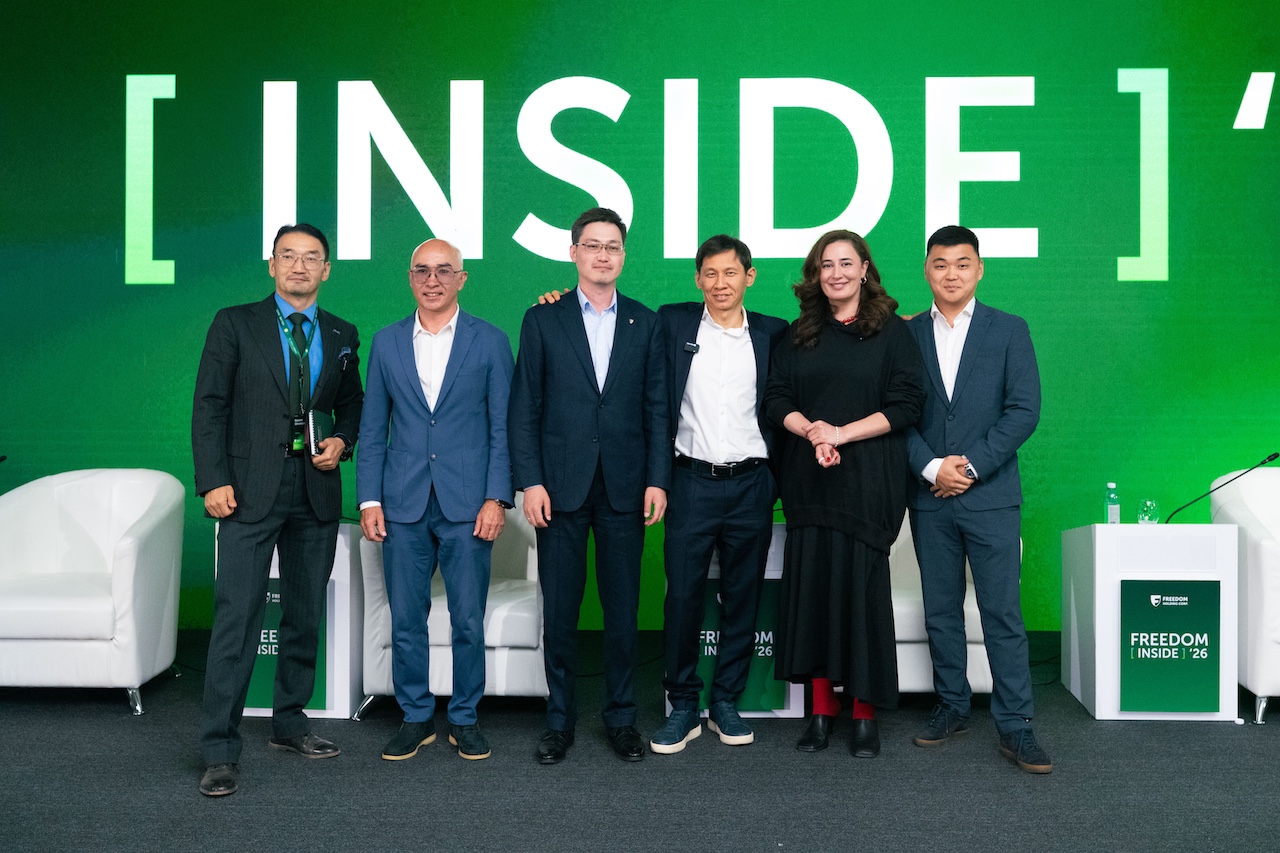 photo by Ruslan Mazunin
The main idea: the city should work for people
The strongest message from the discussion was simple: technology is only a tool.
A smart city is ultimately about people. It is a city with:
- safer streets
- cleaner air
- faster journeys
- less stress in everyday life
And perhaps the most interesting part is that many of these improvements will feel almost invisible.
But those quiet, almost unnoticed changes are exactly what can make urban life dramatically better.
In Kazakhstan, that future is no longer just an idea. It is already beginning to take shape.