
On the eve of Victory Day, a history lecture in Astana unexpectedly turned into something far more emotional than anyone anticipated.
Students came to hear about the Great Patriotic War. Instead, they heard stories about human remains still being found in forests, unexploded shells hidden beneath the ground, and soldiers whose names are only now returning home — nearly 80 years later, DKNews.kz reports.
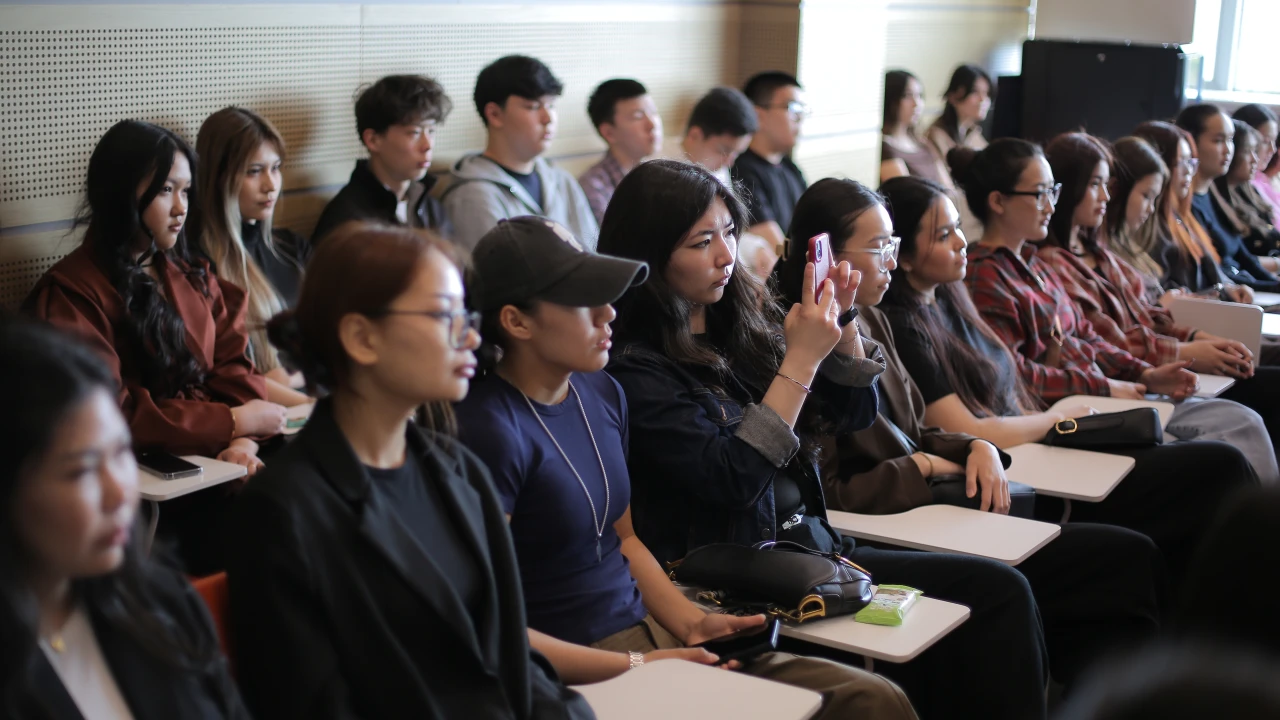
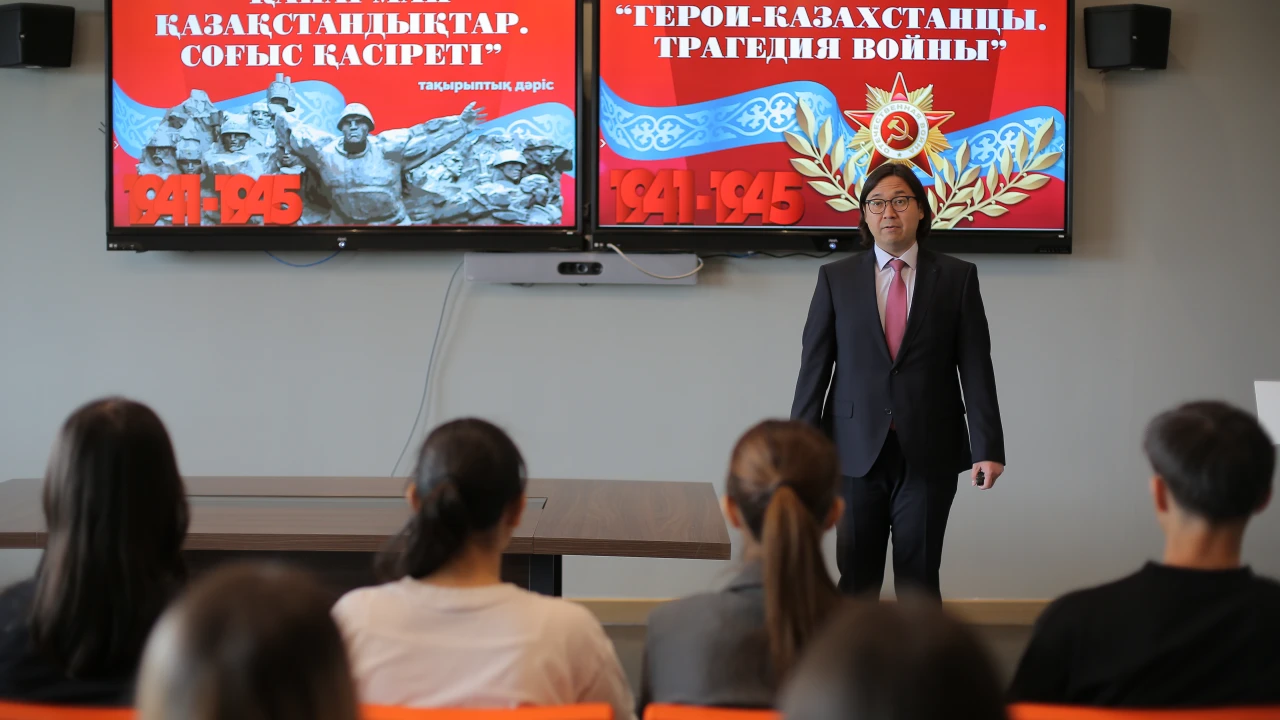
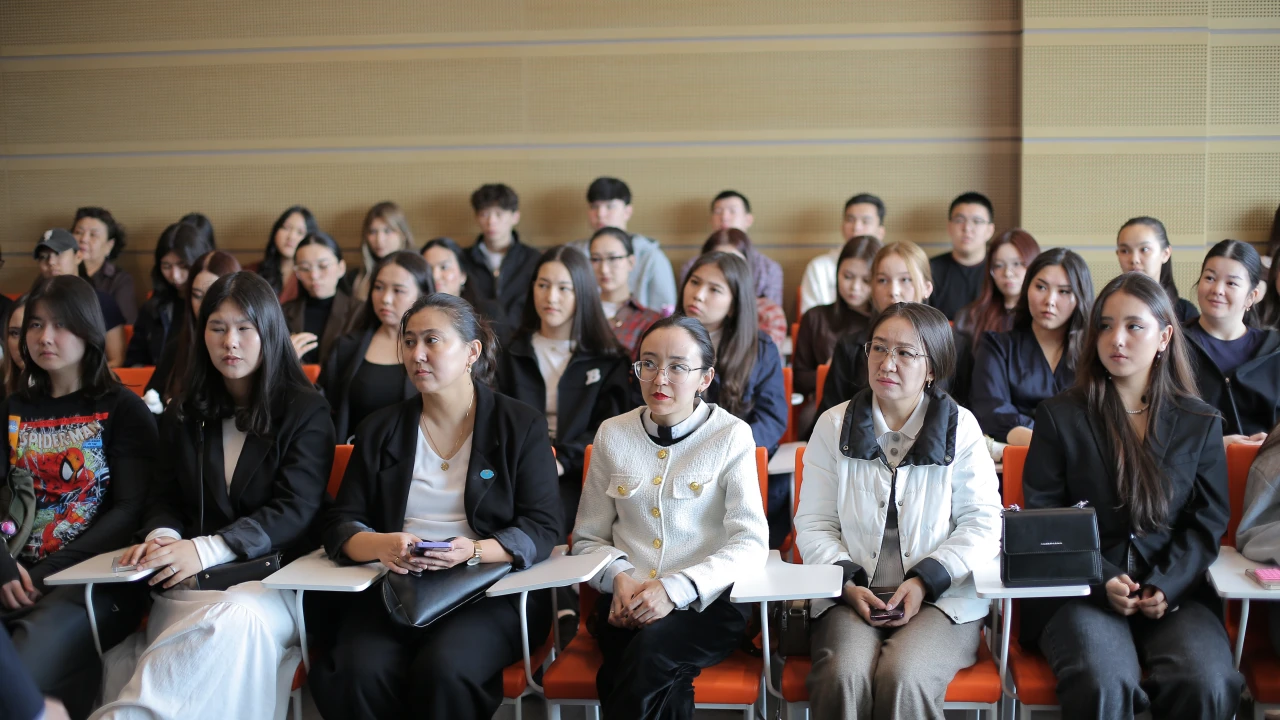
The event, titled “Heroic Kazakhstanis. The Hardships of War,” took place at the Presidential Center of Kazakhstan and gathered around 90 students and schoolchildren from the capital.
But this was not the kind of lecture people usually forget the next morning.
“The war suddenly felt very close”
The speaker, historian and associate professor Aslan Azerbayev from Toraighyrov University, shared not only historical facts, but also personal memories from real search expeditions.
One story especially caught the audience’s attention.
Back in 2010, Azerbayev participated in an expedition to the Sinyavinsky Heights in Russia’s Leningrad Region — one of the deadliest battle zones of World War II.
According to him, the experience completely changed his understanding of war.
“When you see soldiers’ remains and unexploded ordnance still lying on the ground, you realize the war is not distant history,” he said. “It feels frighteningly recent.”
For many students in the audience, that moment became the emotional center of the lecture.
The volunteers searching for forgotten soldiers
A major part of the meeting focused on the work of the “Maidan Zholy” search movement.
Since 2009, volunteers from Kazakhstan have traveled to former battlefields to search for soldiers who were never properly buried after the war.
Sometimes they find fragments of uniforms.
Sometimes rusted spoons or field dishes.
And sometimes — the hardest discoveries of all — personalized medallions that help identify the dead decades later.
The lecture paid special tribute to Maidan Kusainov, founder of Kazakhstan’s search movement and leader of the “Memorial Zone” detachment.
According to Azerbayev, Kusainov helped build an entire culture of remembrance in Kazakhstan — one based not on formal ceremonies, but on real human stories.
Manshuk Mametova and the heroes history cannot erase
Another important part of the lecture was dedicated to the upcoming 95th anniversary of Manshuk Mametova — the legendary Kazakh heroine and Hero of the Soviet Union.
Azerbayev spoke about the Nevel Offensive Operation and the liberation of Nevel by the 100th Separate Rifle Brigade.
The audience also learned about legendary sniper Ibraim Suleimenov and commander Abylkhair Baimuldin, whose names remain deeply connected to the liberation of the Pskov region.
For younger listeners, these names suddenly sounded less like distant historical figures — and more like real people with unfinished stories.
Why this matters in 2026
Today’s students live in a world of short videos, endless scrolling, and rapidly changing news cycles.
History can easily begin to feel abstract.
That is exactly why lectures like this matter.
Not because they repeat familiar dates from textbooks — but because they remind people that war was lived by ordinary families whose memories still survive in old photographs, letters, and stories told at home.
At the end of the meeting, Azerbayev encouraged young people to speak with older relatives, preserve family archives, and document the memories of veterans and home front workers.
Because historical memory, he said, does not begin in museums.
It begins inside the family.
And sometimes, beneath the soil, history is still waiting to be found.
DKNews International News Agency is registered with the Ministry of Culture and Information of the Republic of Kazakhstan. Registration certificate No. 10484-AA issued on January 20, 2010.