
Kazakhstan is attracting growing attention from the Gulf region as Kuwait’s largest bank signals interest in investing in major infrastructure and urban development projects across the country, DKNews.kz reports.
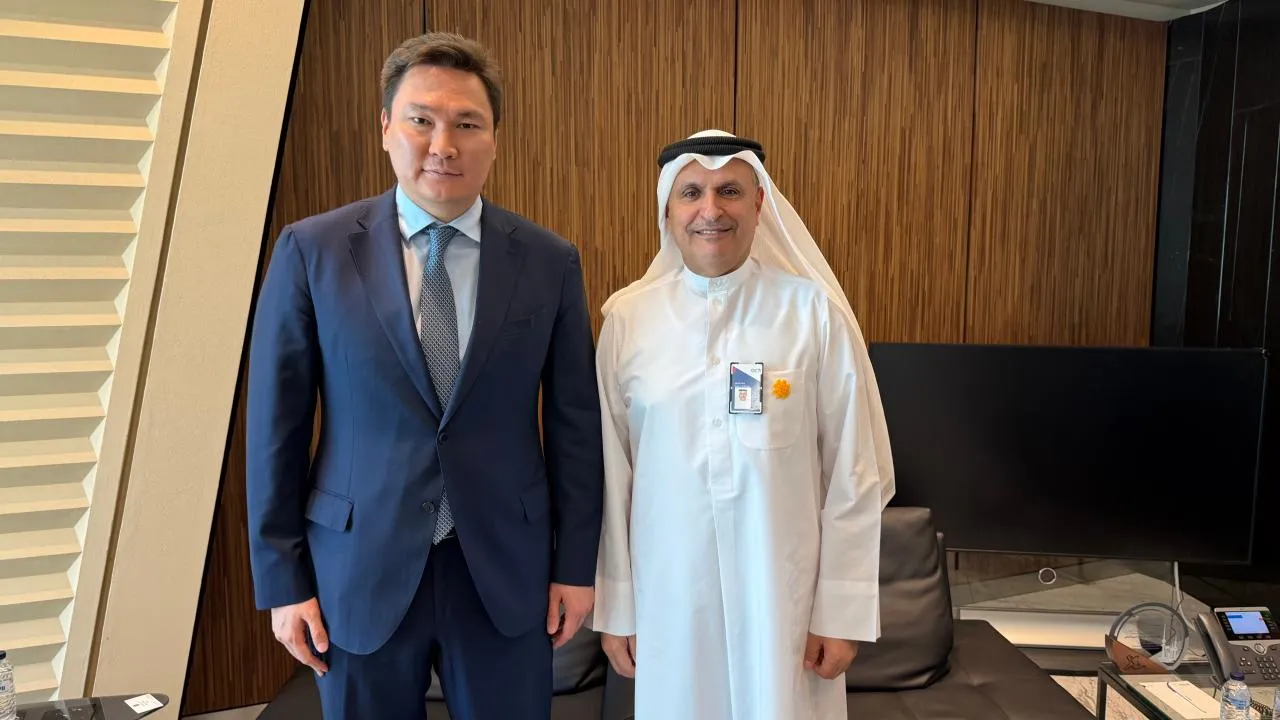
The topic was discussed during a meeting between Kazakhstan’s Ambassador to Kuwait Yerzhan Yelekeyev and Isam Al-Sager, Vice Chairman and Group CEO of the National Bank of Kuwait (NBK), one of the Middle East’s biggest financial institutions.
The переговоры focused not only on finance, but on something much larger — Kazakhstan’s ambition to transform itself into a regional hub for technology, logistics and modern urban infrastructure.
Why Kuwait Is Looking at Kazakhstan
In recent years, Gulf investors have increasingly turned toward Central Asia. Kazakhstan, with its stable economic growth, strategic location between China and Europe, and large-scale state-backed projects, is becoming one of the region’s main points of interest.
During the meeting, the Kazakh side emphasized that the country’s economy continues to grow steadily by around 5–6 percent annually. Kazakhstan’s GDP has now exceeded 300 billion dollars, strengthening its position as the largest economy in Central Asia.
But beyond the numbers, investors are paying attention to something else: scale.
Kazakhstan is currently promoting several ambitious infrastructure and development initiatives, and among them one project stands out above the rest — Alatau City.
The City Kazakhstan Wants to Build From the Future
Alatau City is being positioned as one of the most ambitious urban projects in Kazakhstan’s modern history.
Authorities describe it as a next-generation digital city designed around advanced infrastructure, smart technologies and accelerated economic development. The project is expected to include modern residential districts, business hubs, digital services, transport infrastructure and innovation ecosystems.
According to the Kazakh side, the project has already generated interest from investors in Asia and the United States. Now Astana hopes Gulf capital could become another major source of financing.
That interest is not surprising.
For Gulf investors, especially large financial groups from Kuwait, Saudi Arabia and the UAE, projects connected to real estate, infrastructure and urban development remain among the most attractive long-term investments. Kazakhstan’s rapidly expanding cities and growing middle class make the market particularly appealing.
What Makes NBK Important
The National Bank of Kuwait is not just another regional lender.
Founded in 1952, NBK is the largest bank in Kuwait and one of the most influential financial groups in the Middle East and North Africa. Its total assets exceed 140 billion dollars, and the bank operates in more than 13 countries.
The institution has extensive experience financing large-scale national projects, including infrastructure, energy, oil and gas, and real estate developments across the Gulf and beyond.
That is why the bank’s interest matters.
During the talks, NBK representatives confirmed they are ready to explore opportunities for participating in investment projects in Kazakhstan. While no concrete agreements have been announced yet, the discussions show that Kazakhstan is increasingly appearing on the radar of major Gulf financial institutions.
What Happens Next
The conversation is expected to continue later this year.
Kazakhstan’s Deputy Prime Minister Kanat Bozumbayev is scheduled to visit Kuwait this autumn, where officials plan to present investors with more detailed information about Alatau City and other strategic projects.
For Kazakhstan, attracting Gulf investment is becoming increasingly important as the country pushes to diversify its economy beyond oil and raw materials.
For Kuwait and the broader Gulf region, Kazakhstan offers something equally valuable — access to one of Eurasia’s fastest-growing markets at a time when investors are actively searching for new long-term opportunities outside traditional destinations.
And if interest around Alatau City continues to grow, the project could become not only Kazakhstan’s next mega-development, but also one of Central Asia’s biggest international investment stories in the coming years.