

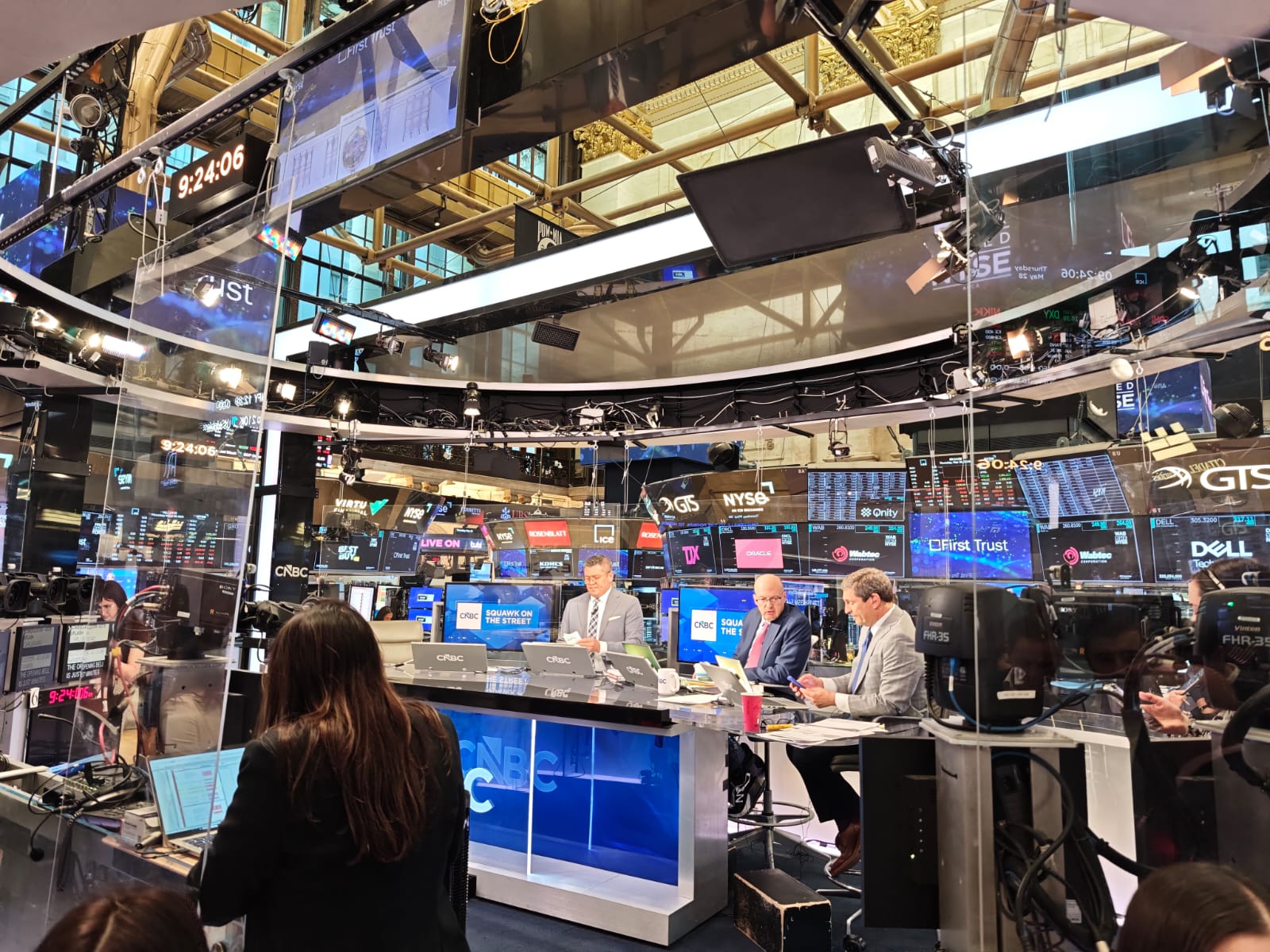
The trip of Kazakhstani journalists to New York was not just a visit to the New York Stock Exchange. The meeting at Freedom Capital Markets showed how the American market really works: why investors need to look beyond news and quotes, how the market reacts to Federal Reserve decisions, why professionals are debating near-round-the-clock trading, and what risks may be hidden behind high-profile IPOs.
New York’s financial district is often seen as a symbol of big money, fast deals and bright market debuts. But behind Wall Street’s visible pace lies a much more complex system, where trust, liquidity, discipline, regulatory stability and the ability to view the market not through emotions but through a long-term strategy all matter.

This was the focus of the meeting with representatives of Freedom Capital Markets, a Freedom Holding Corp. structure operating in the US capital market. The discussion brought together professionals with many years of Wall Street experience, including Chief Market Strategist Jay Woods and Head of Research Edward Maguire.
The conversation was not a formal presentation, but a lively discussion about what concerns investors today: the Fed rate, expanded trading hours, small companies, artificial intelligence, IPOs and the prospects of new technological cycles.
The market is waiting for the Fed - but not only for its rate decision
One of the main issues for the American market today is the policy of the Federal Reserve. Investors are watching not only whether the rate will be cut, raised or kept unchanged. The market also cares about the regulator’s signals: how the Fed assesses inflation, the labor market and future risks to the economy.
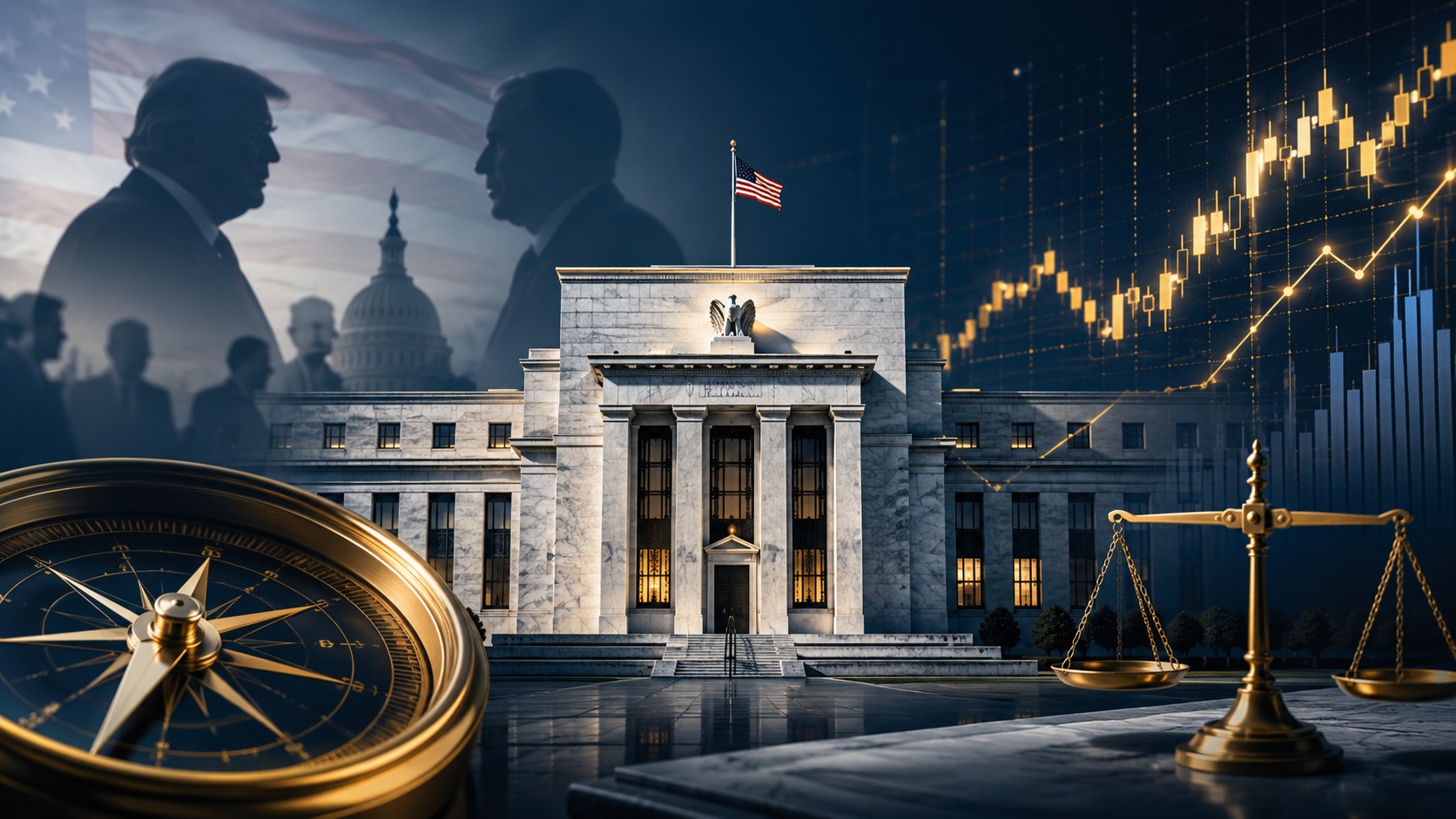
According to the participants of the meeting, the market has passed through the earnings season quite confidently, but attention is now shifting back to monetary policy. For investors, not only the numbers matter, but also the tone in which the Fed leadership explains its decisions.

“The decision will come in two weeks and, most likely, the rate will be left unchanged. But the more interesting question is how the Fed will explain the future path of its policy,” Jay Woods noted.
According to him, cutting rates is not easy in the current environment. Inflation remains a sensitive issue, the labor market still looks relatively stable, and investors are waiting for signals from the regulator.
“We have gone through the earnings season, and overall everything was good. But now the market once again needs to listen to the Fed’s new policy,” he said.
If inflation remains high and the labor market still looks resilient, a rate cut becomes less obvious. In such a situation, any signal from the regulator may affect stocks, bonds, the dollar and investor expectations.
Why 23-hour trading raises concerns
Another separate topic is the idea of extending stock trading to almost the entire day. Formally, this looks like a step toward retail investors: more time for transactions, more flexibility and greater access to the market.
But professional market participants have serious doubts.
“I am not happy about this idea. I don’t like it. Markets sometimes need to rest. We need time to digest the news, take a pause, and then start trading again at the same time,” Jay Woods said.
The main risk is liquidity. When there are fewer participants in the market, any negative or positive news may cause an excessively sharp price movement. The fewer buyers and sellers there are, the higher the volatility becomes, and the easier it is for individual players to influence the market.
“When trading takes place late at night, the question is whether there will be enough participants. If negative news comes out, a stock may fall too much. If the news is positive, it may rise excessively. A smaller number of participants has more influence, which means volatility increases,” he explained.
There is another important point. Public companies are used to disclosing important information after the market closes, so that investors have time to read the report, listen to the management call and calmly assess the situation. If trading takes place almost around the clock, the market may react too quickly, even before the real meaning of the news becomes clear.
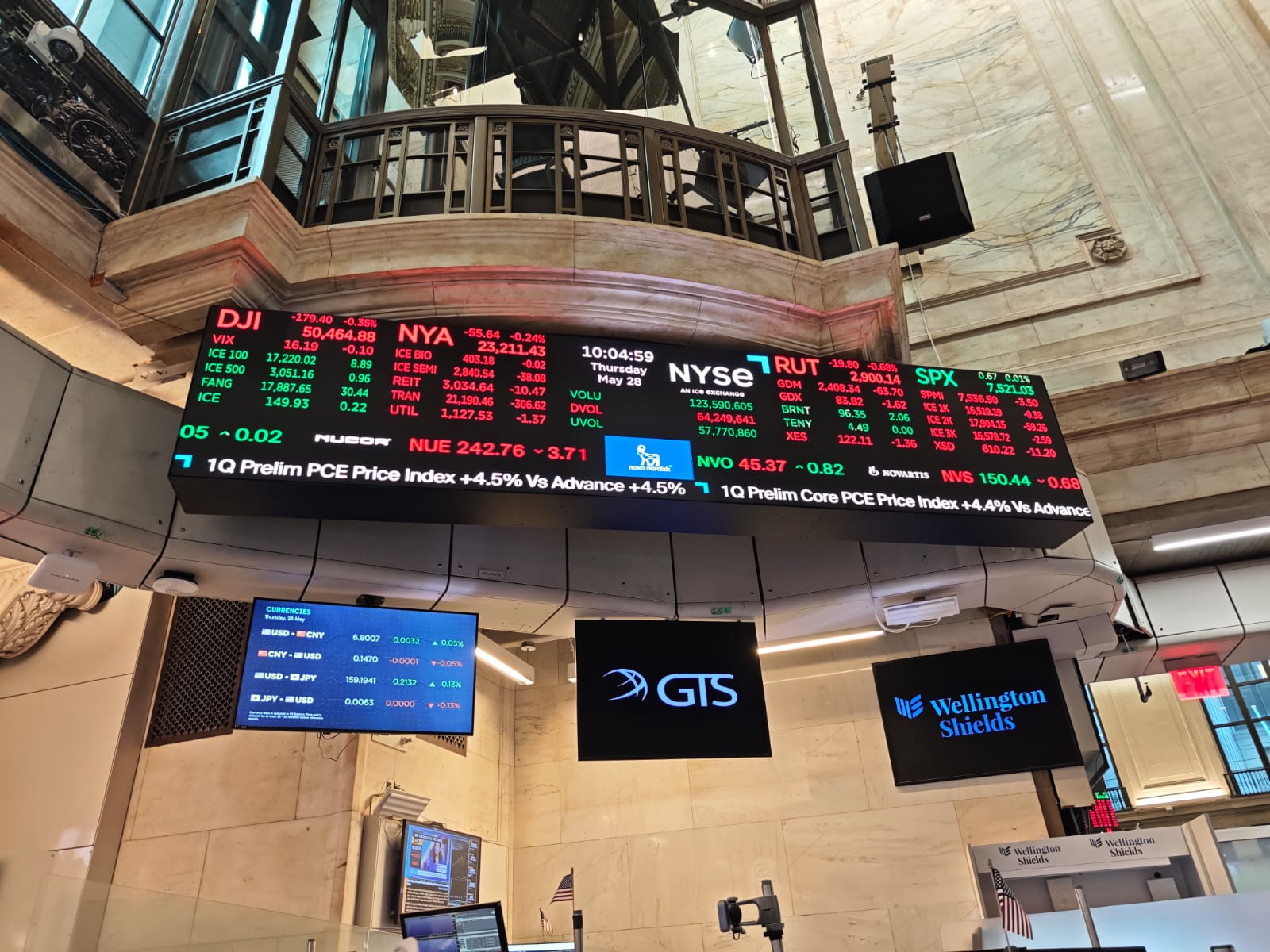
“If I were a company listed on an exchange, I would have a question: why should my stock trade at any time of the night? You are having dinner with your family on a Saturday evening, and someone calls you and says the stock is moving sharply. That is a problem,” Woods noted.
For investors, this means one thing: access to the market 23 hours a day is not always an advantage. Sometimes the market needs a pause just as much as it needs movement.
Small companies are attracting attention again
During the meeting, small caps - companies with small market capitalization - were discussed separately. For Kazakhstan, the term may sound unfamiliar: in the United States, even “small” public companies can be valued at hundreds of millions of dollars.
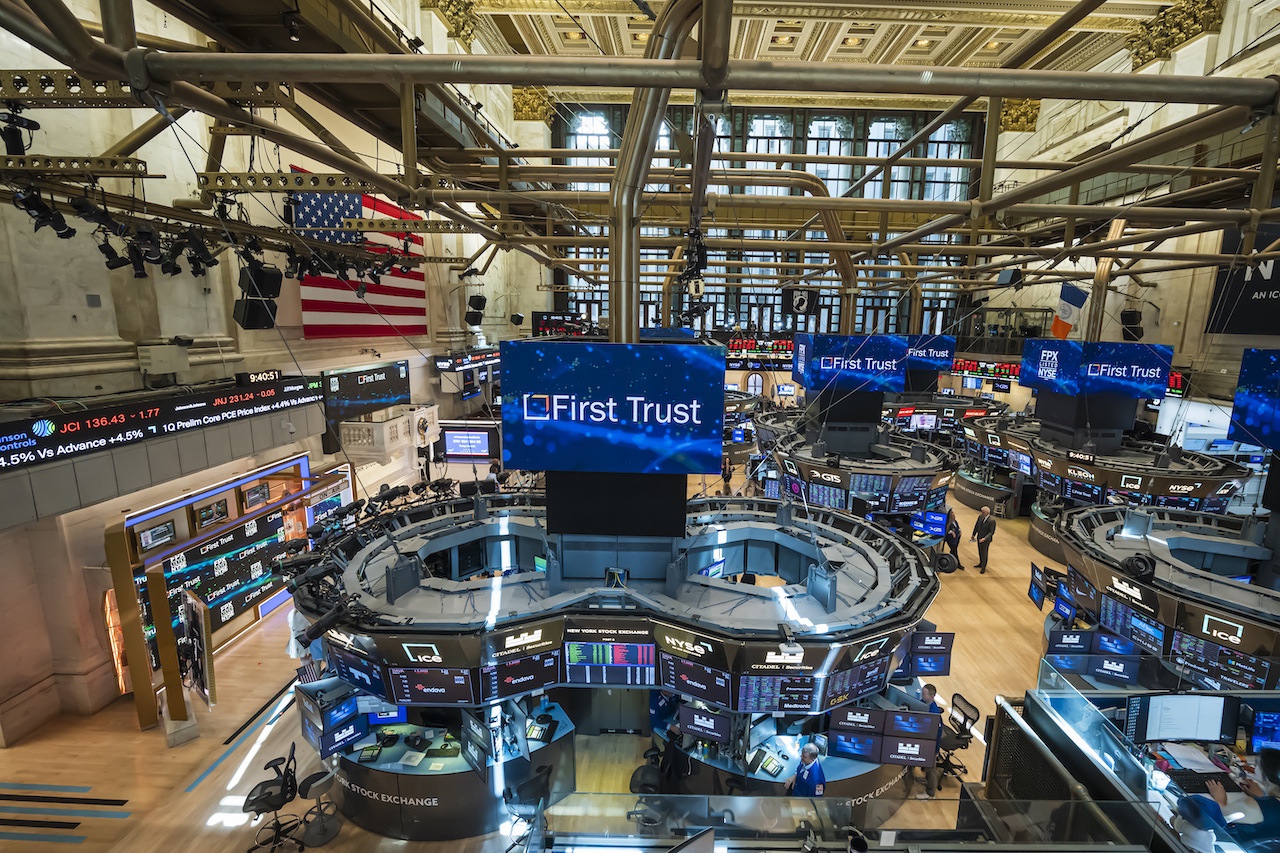
According to the experts, such companies are particularly sensitive to interest rates. When rates are high, it is more difficult for them to raise capital and service debt. When expectations around rates stabilize, interest in small companies usually increases.
“Small companies are very sensitive to rates. When rates are stable or low, they usually feel much better. Now, even though rates are still somewhat elevated, small caps have finally joined the broader market rally,” Woods said.
In the United States, attention is now shifting again to certain small-cap sectors. These include regional banks, selected segments of healthcare, biotechnology and microcaps.
“Regional banks are doing better, M&A activity has picked up, and optimism has appeared there. In healthcare, especially in biotech, there are also strong areas of growth,” he noted.
But such indices have one special feature: the most successful companies quickly “grow out” of the small-cap category and move into larger indices.
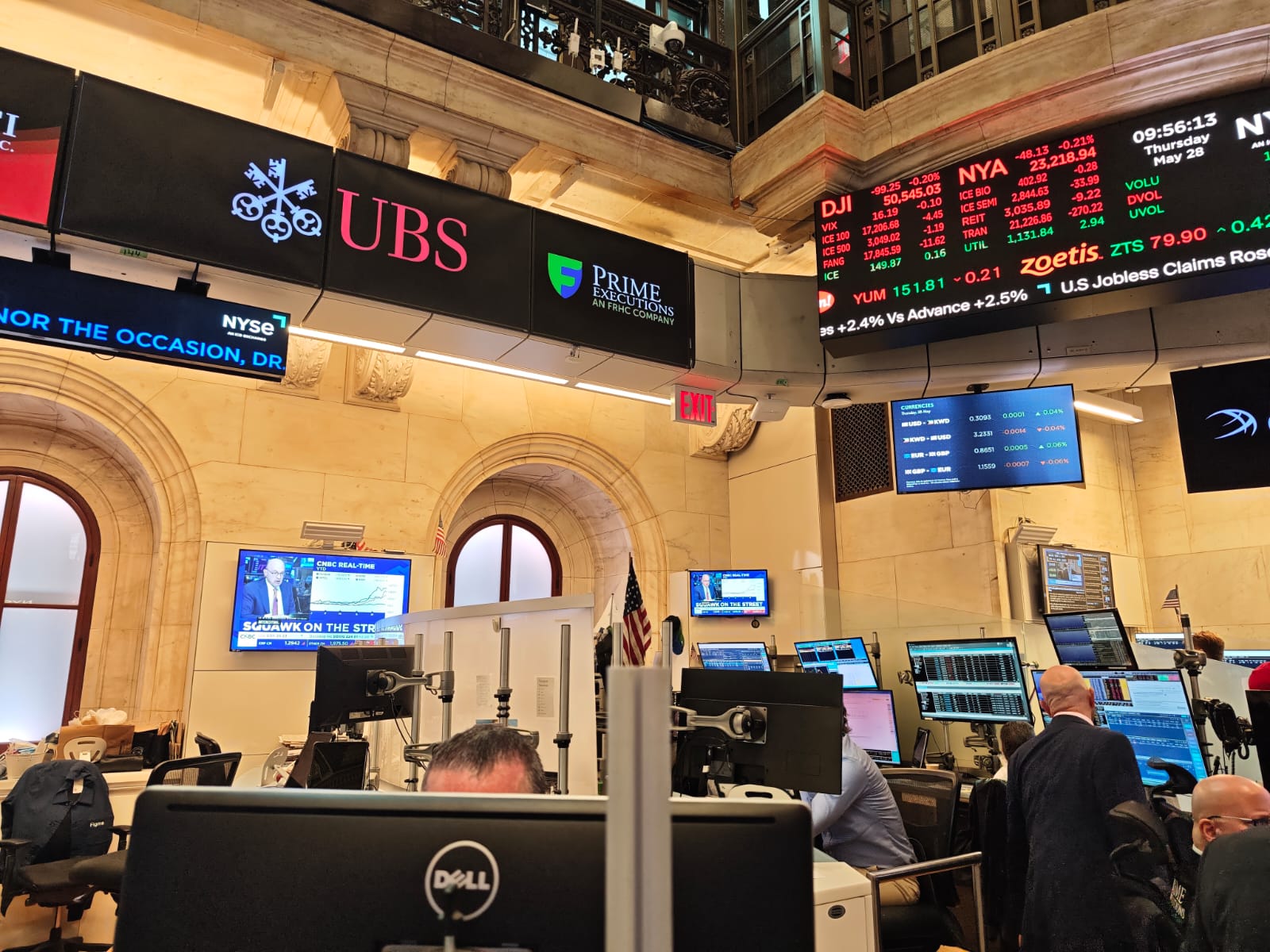
“The problem with small caps and microcaps is that the best stocks do not remain in these indices for long. If a company grows well, it is removed from the index, and this is one of the reasons why large companies often look stronger over the long term,” Woods explained.
For a private investor, this is an important lesson. Small companies can deliver strong growth, but they require deeper analysis and readiness to take risk. This is not a market one should enter simply because “the stock is cheap.”
Defense companies and new technological cycles
The meeting also touched on defense stocks and the market for new technologies. Interestingly, even against the backdrop of military conflicts, defense companies do not always grow the way the public might expect.
“Surprisingly, defense stocks have not shown the kind of growth one might have expected. This is a sector that makes headlines, but stocks do not always follow the news,” Woods noted.
New defense technologies are attracting particular attention. These include drones, software solutions, low-cost components and companies that may be able to compete with traditional contractors.

Maguire noted that structural changes are taking place in the defense industry. For a long time, large contractors dominated military spending, but now companies of a new type are emerging.
“We are seeing innovations that open up spending to companies like Anduril. Their approach is to use low-cost components and software to create solutions that are orders of magnitude cheaper than those of traditional defense contractors,” he said.
Why investors should not chase high-profile IPOs
The IPO market is gradually reviving. For the market, this is an important signal: companies are ready to go public again, and investors are willing to consider new growth stories. But experts warn that retail investors should not chase high-profile offerings simply because of the hype.

“When many companies start going public, it reminds me of 1999-2000, and I begin to worry a little. As a retail investor, I do not want to chase such IPOs,” Woods said.
Often, early investors use an IPO as an opportunity to exit their position, while private investors buy at the peak of expectations. That is why not only the company’s name and an attractive investment story matter, but also the offering price, business model, financial indicators and long-term sustainability.
Wall Street’s lesson for Kazakhstan
The main conclusion from the meeting at Freedom Capital Markets is simple: a developed market is built not only on technology and exchange infrastructure. It is built on trust, knowledge, transparency and discipline.
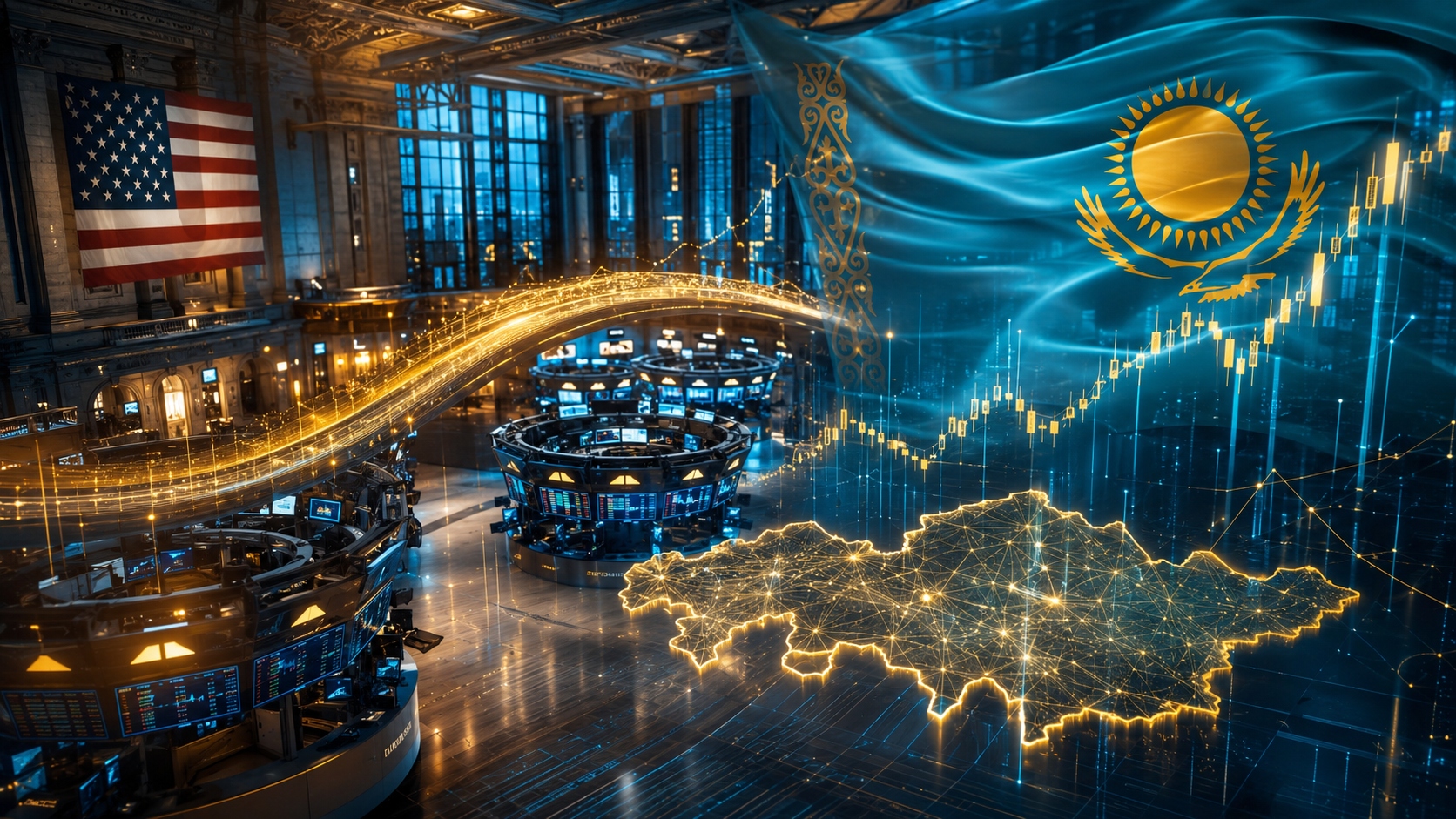
For Kazakhstan, this is especially important. If the country wants to develop its stock market and attract investors, it needs to work in several directions at once: improving financial literacy, explaining risks to people, developing regulation and building a culture of long-term investing.
Wall Street shows that behind every chart there is not just a price, but trust. And the higher the level of trust in the market, the greater its chances of becoming not a platform for short-term speculation, but an instrument of long-term growth.