


This year marks the 20th anniversary of cooperation between Airbus and Kazakhstan. Over the past two decades, the partnership has expanded far beyond passenger aircraft deliveries to include civil aviation, defense, the helicopter industry, and space technologies. In this interview, Johan Pelissier, President of Airbus in Europe, discusses why Kazakhstan is important to Airbus, the trends shaping global aviation, and the role artificial intelligence will play in the industry's future.
- How important are Central Asia and Kazakhstan to Airbus’ long-term strategy?
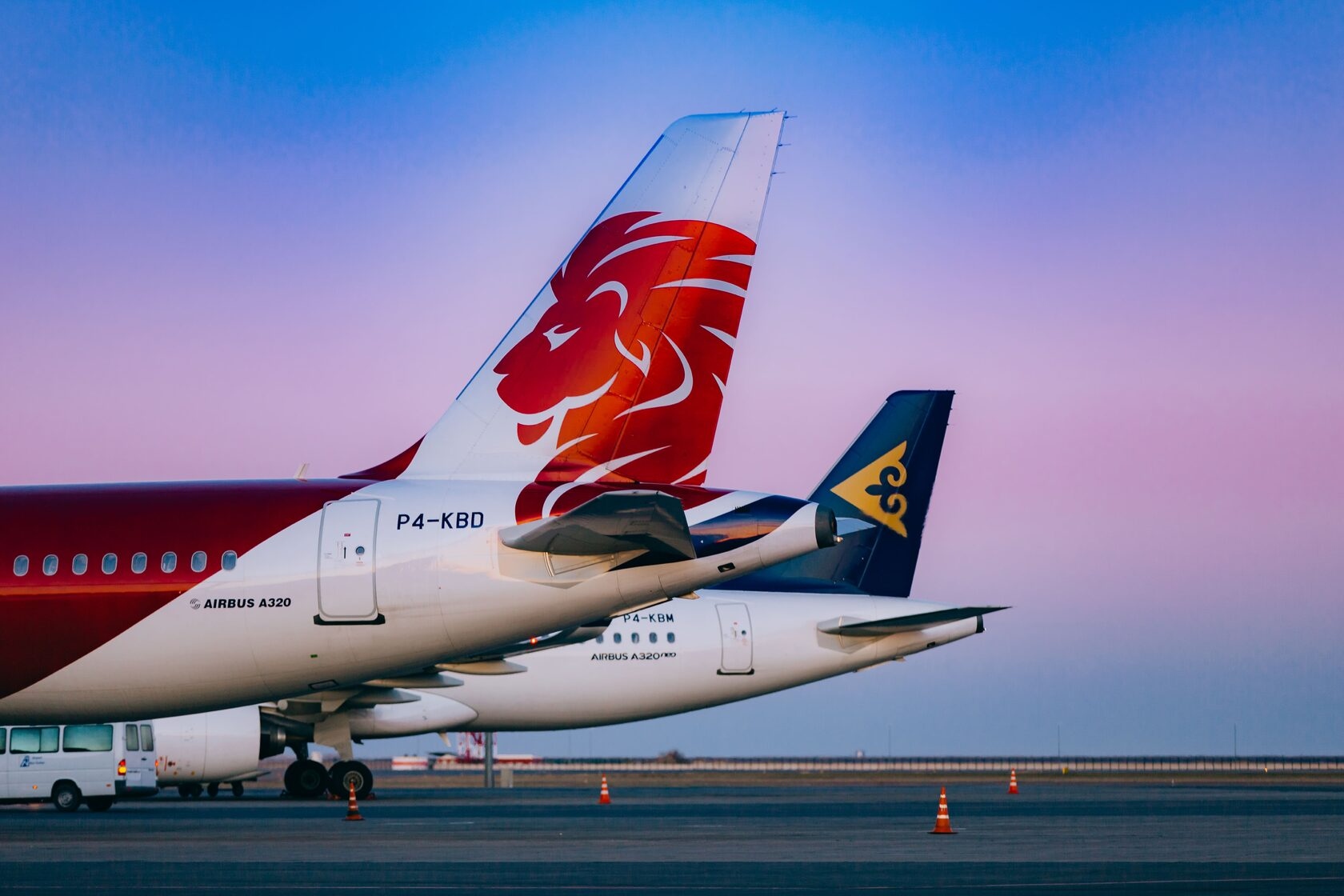
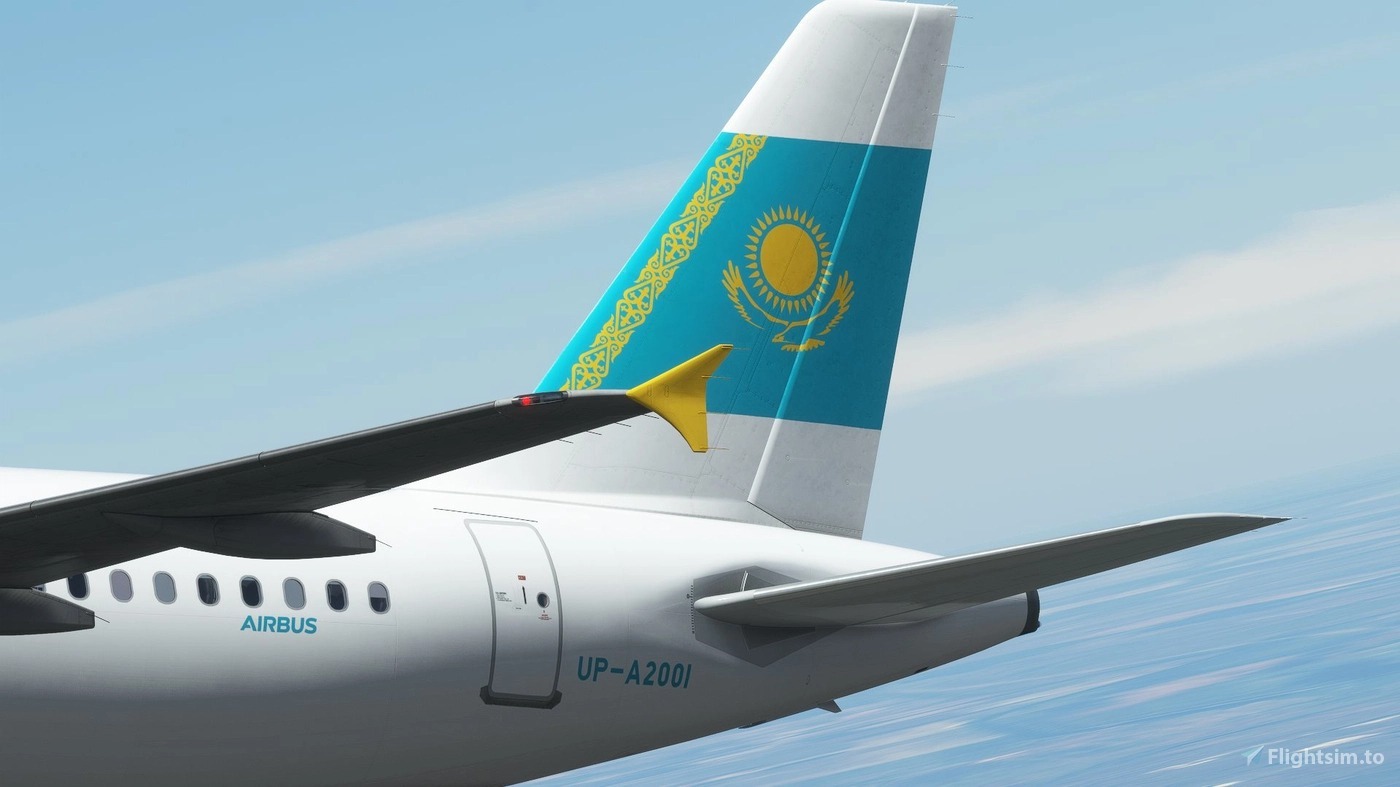
Thank you for the question. The year 2026 is a special one for us. It marks 20 years since Airbus and Kazakhstan began working together. It was exactly twenty years ago that Air Astana placed its first order for an A320 aircraft.
 Air Astana/FlyArystan
Since then, our cooperation has expanded significantly and now covers all key areas of Airbus’ activities. Today, Airbus’ local enterprises in Kazakhstan employ more than 100 people. We are present here in civil aviation, as well as in the defense and space sectors.
In the defense sector, Kazakhstan successfully operates C295 military transport aircraft. In addition, one A400M has already been delivered, while the second aircraft is expected to be handed over later this year.
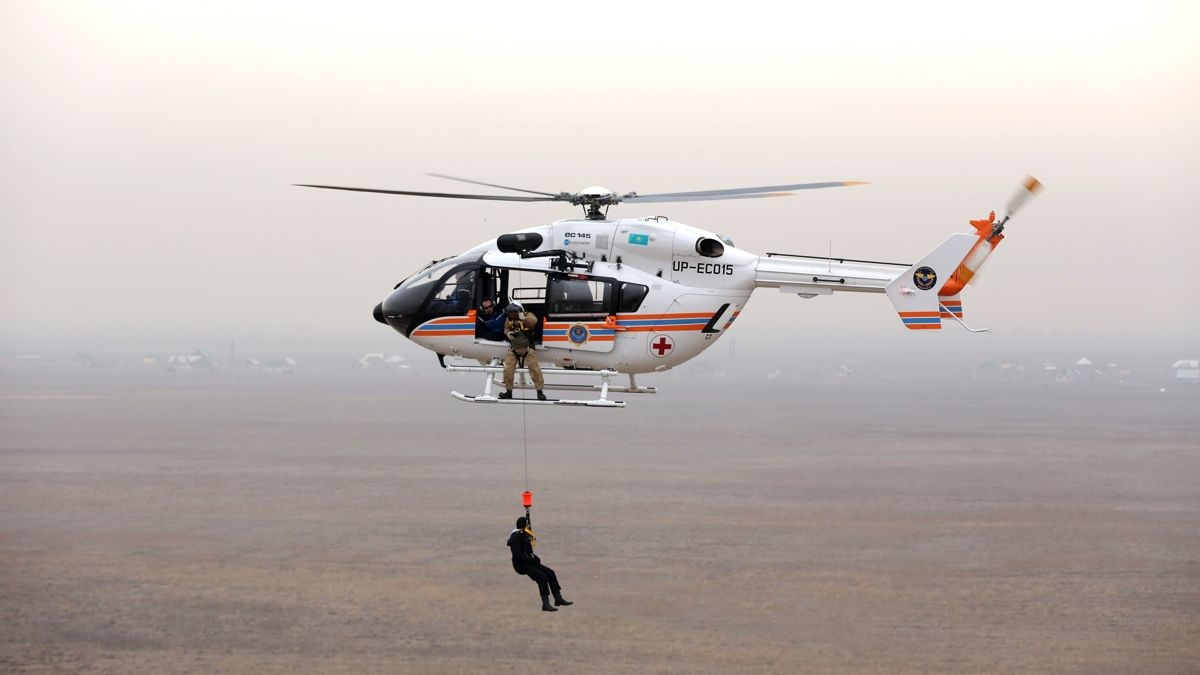
Another important area of cooperation is the helicopter industry. Airbus Helicopters’ joint venture has been operating in Kazakhstan for approximately 15 years. During this time, we have transferred substantial expertise and technology to Kazakh engineers and pilots. Today, H145 helicopters are serviced in the country, and training programs are conducted for specialists working with other helicopter types as well.
 Airbus Helicopters
What is particularly impressive, however, is the development of civil aviation. Since the pandemic, the Central Asian market - and Kazakhstan in particular - has been growing much faster than many other regions around the world.
Today, Air Astana operates around 60 Airbus aircraft. We are also very proud that this year the airline placed a firm order for 25 A320 and A321 family aircraft. This is the first direct order of such magnitude in the history of our partnership.
For all these reasons, Kazakhstan remains a strategically important partner for Airbus, and we intend to continue developing this relationship.
- What major trends are shaping the future of global aviation today?
Despite geopolitical challenges and economic uncertainty, demand for air travel remains very strong.
We recently published Airbus’ results for the first months of the year. Between January and the end of May alone, the company received more than 800 new aircraft orders. This is clear evidence that the aviation market continues to grow.
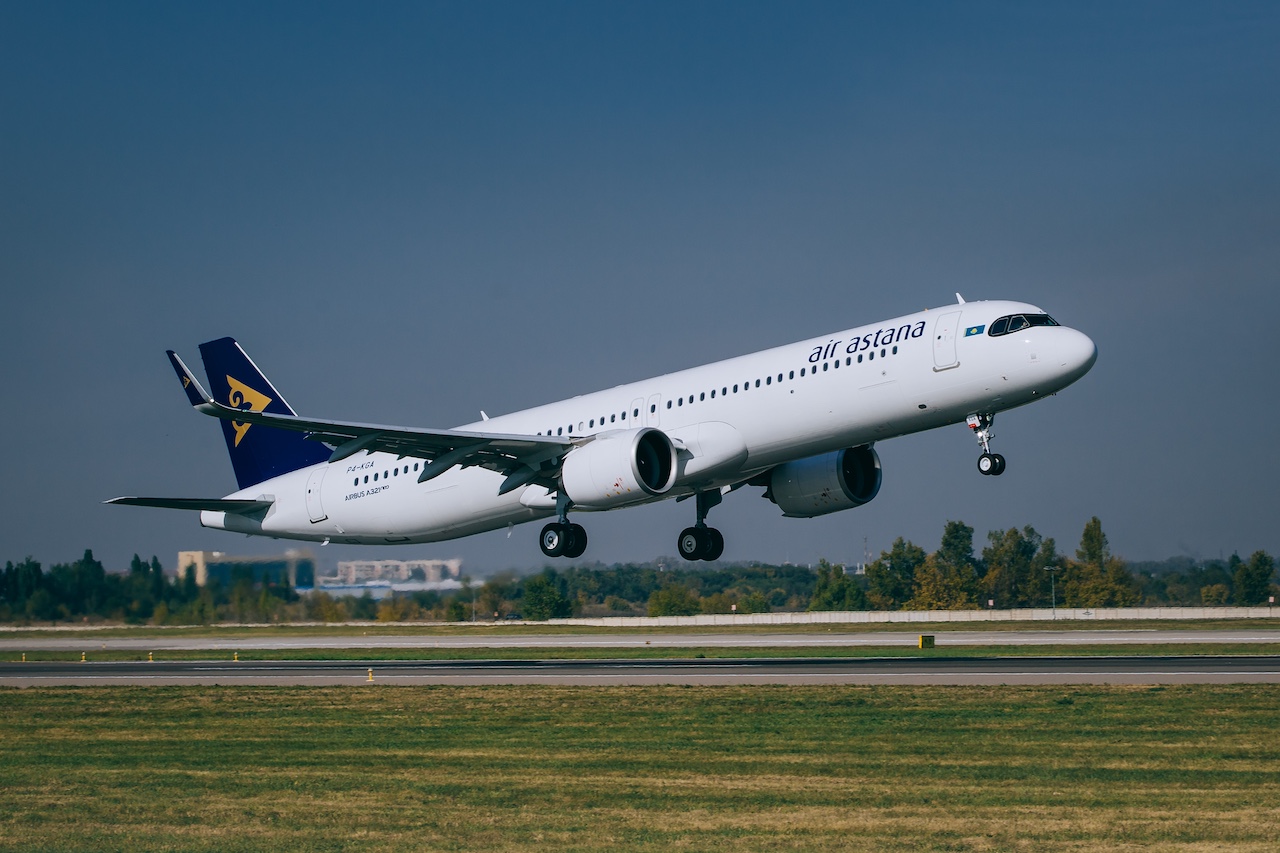
Another important trend is the transformation of long-haul travel. We are seeing increasing interest in the A321LR and A321XLR families.
 @Yelena Sergiyenko
These aircraft enable airlines to operate long-range routes with single-aisle aircraft while maintaining excellent efficiency.
This is particularly relevant for Central Asia. For example, the A321LR is ideally suited for routes connecting the region with destinations such as London and Southeast Asia.
We have also received very positive feedback regarding the new A321XLR. The aircraft is already being successfully operated by several airlines, and interest continues to grow.
Overall, we see a clear trend toward expanding the capabilities of single-aisle aircraft and opening routes that were previously economically challenging or even impossible to operate.
- How does Airbus help airlines improve efficiency and reduce operating costs?
Today, approximately 70 percent of aircraft in service worldwide belong to previous generations of aviation technology.
This is one of the main reasons why demand for new aircraft remains so strong.
New-generation Airbus aircraft - including the A220, the A320neo Family, the A330neo and the A350 - allow airlines to significantly improve operational efficiency.
Depending on the model, these aircraft can reduce fuel consumption and carbon dioxide emissions by approximately 20 to 30 percent compared to previous-generation aircraft.
For airlines, this means not only a lower environmental impact but also substantial savings in operating costs, as fuel remains one of the largest expense categories in aviation.
Fleet renewal has therefore become one of the most important tools for improving competitiveness in the airline industry.
- What role will artificial intelligence and new technologies play in the future of aviation?
In fact, Airbus began using artificial intelligence technologies quite some time ago.
One of the earliest areas of application was space projects and Earth observation data processing. Artificial intelligence helps us analyze massive amounts of satellite information and obtain more accurate results.
Speaking about Kazakhstan, I should also mention our cooperation in the space sector. Airbus participated in the delivery of two Earth observation satellites for Kazakhstan.
In civil aviation, one of the most visible examples of artificial intelligence in action is the Skywise platform.
Recently, our digital services were integrated into a unified structure dedicated to developing such solutions.
Air Astana is among the airlines already using Skywise.
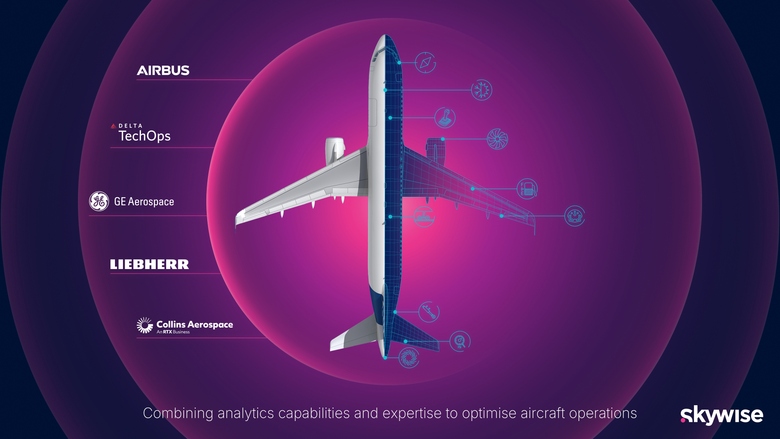
It is a predictive analytics platform that helps airlines identify potential issues in advance and optimize maintenance processes.
Simply put, the system allows airlines to detect a problem before it causes a flight delay or leads to additional maintenance costs.
As a result, artificial intelligence is already playing a significant role in improving the reliability and efficiency of aviation operations.
- What are the biggest challenges facing the global aviation industry today, and how can they be addressed?
On the one hand, strong demand is excellent news for the entire industry.
On the other hand, that same demand creates new challenges.
Today, Airbus’ order backlog exceeds 9,000 aircraft. This represents a tremendous responsibility for the company.
We must not only increase production rates but also ensure that aircraft are delivered to customers on schedule around the world.
This is one of our key priorities for the coming years.
When it comes to Kazakhstan, another important factor is the need for close cooperation among all industry stakeholders.
Over the past twenty years, our partnership has been built on collaboration and mutual support.
However, future growth requires the active involvement of airlines, government institutions, industrial partners and suppliers.
This is especially important in areas such as localization, technology transfer and the development of local expertise.
For example, in the helicopter sector we have already established a strong knowledge base and trained a significant number of specialists. Maintaining these capabilities requires sustainable demand and long-term support.
This challenge is not unique to Kazakhstan; it applies to many countries around the world.
- Is there anything you would like to add before we conclude?
First of all, I would like to emphasize that Airbus highly values its partnership with Kazakhstan.
We see tremendous potential for further cooperation across all our major business areas, including civil aviation, defense, space and helicopters.
We intend to continue expanding our presence in the country and launching new joint projects.
Over the past twenty years, we have built a strong foundation, and we are confident that this partnership will continue to grow even stronger in the years ahead.