


Global aviation seems to be gaining altitude again: people are flying, airports are full, and demand remains strong. But behind this picture lies a new concern - fuel prices are rising sharply, aircraft are in short supply, deliveries are delayed, and airline profits may almost halve. At IATA’s 82nd Annual General Meeting, Willie Walsh explained why the industry is entering one of its most difficult years since the pandemic - and what this means for passengers, including those in Kazakhstan, DKNews.kz reports.
Global aviation had barely had time to breathe after COVID before it once again entered a zone of turbulence. This time, the problem is not closed borders or empty airports. People are still flying. The problem is different: flying is becoming increasingly expensive.
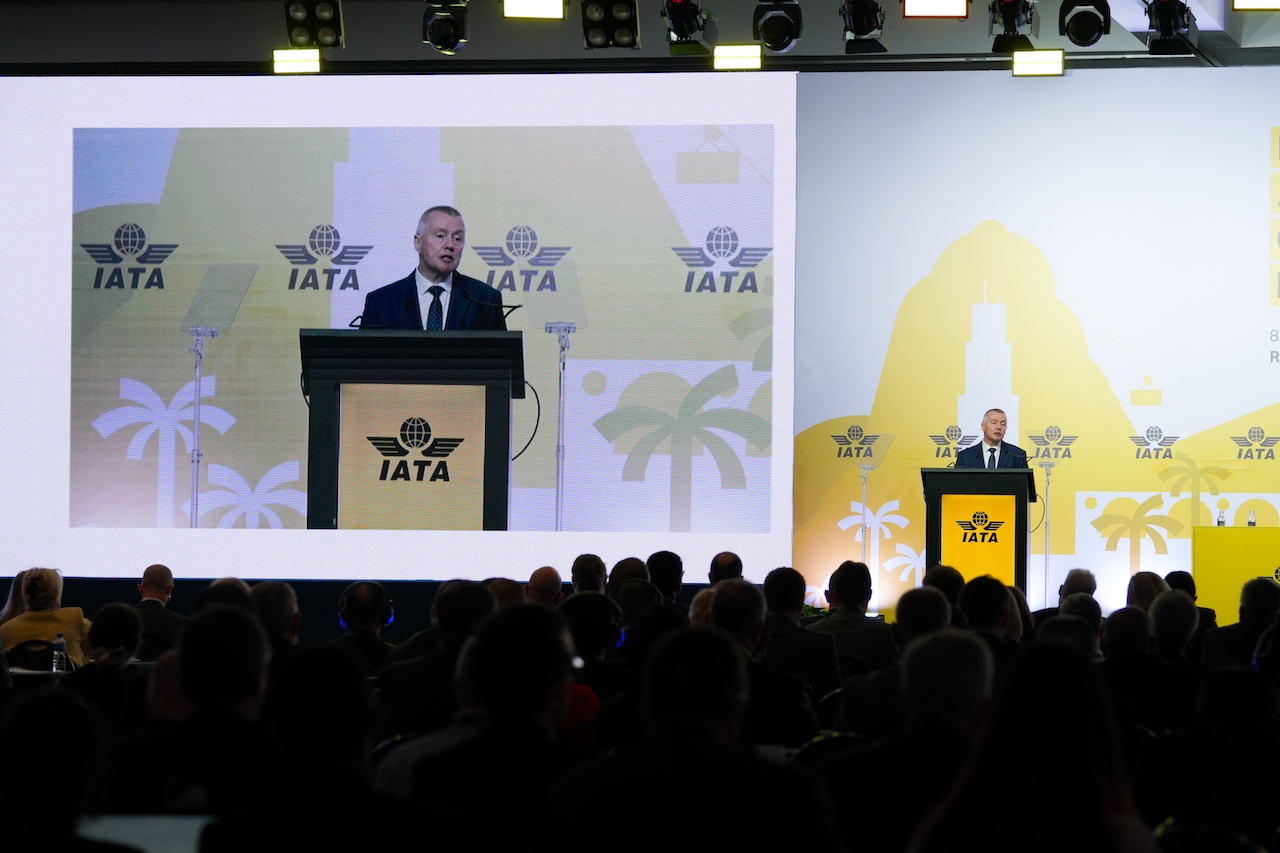
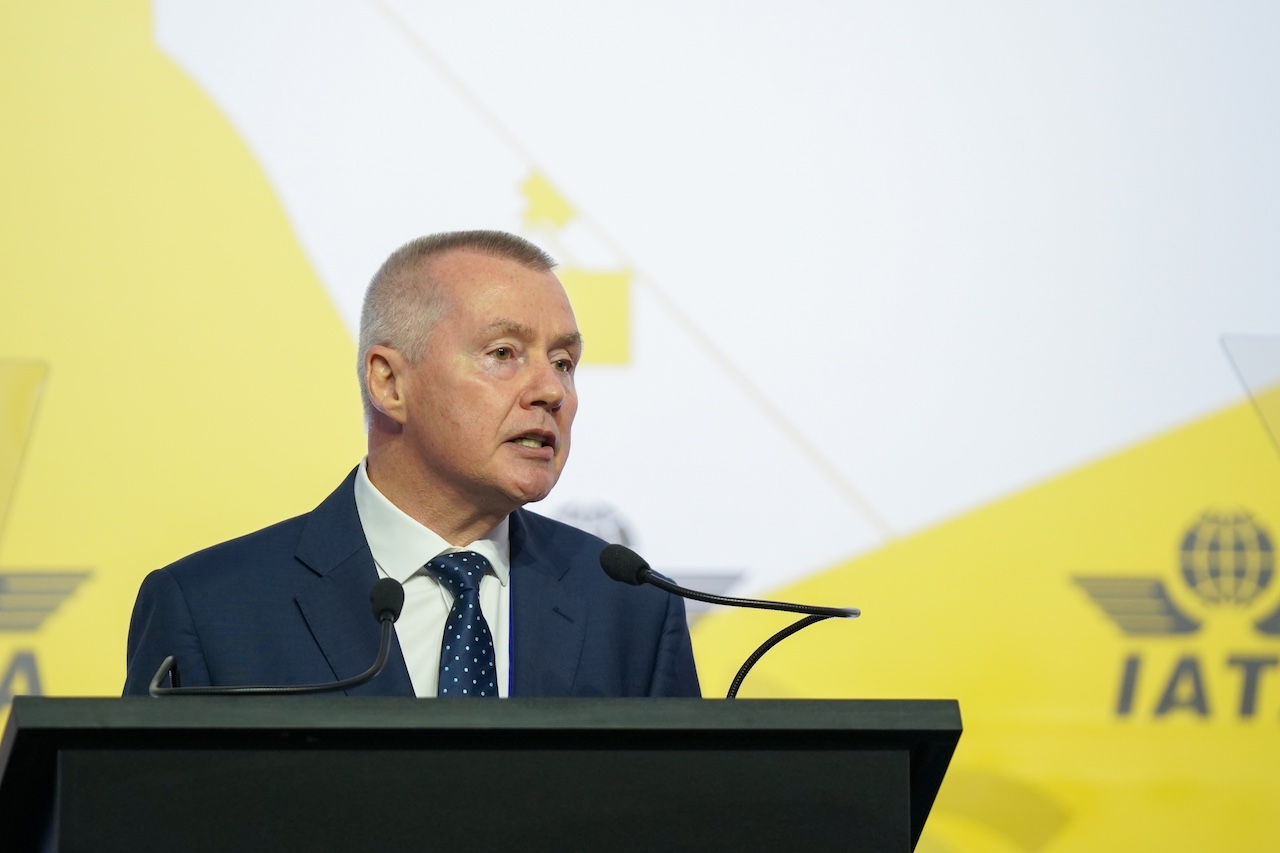
At IATA’s 82nd Annual General Meeting, the association’s Director General, Willie Walsh, delivered a report on the state of the global air transport industry. His speech sounded less like a routine update and more like a tough diagnosis of the sector: demand is there, but the economics of flying are becoming increasingly difficult.
According to Walsh, as soon as the industry put the pandemic behind it, it faced new shocks - supply chain disruptions, the war in Ukraine, geopolitical tensions and sharp shifts in trade policy. Then, when war broke out in the Middle East in March, oil prices jumped, followed by a sharp rise in jet fuel prices.
“We expect average jet fuel prices to be 70 percent higher year-on-year. That will add 100 billion dollars to the industry’s collective fuel bill this year,” Willie Walsh said.
For passengers, this means one simple thing: tickets may become more expensive. Fuel remains one of the biggest cost items for airlines. When it becomes more expensive, carriers cannot absorb the additional burden forever.
 IATA
IATA
People are still flying, but growth is slowing
The most interesting part is that demand is still holding up. Despite rising fares, passengers are not rushing to give up travel. According to IATA polling, 86 percent of travelers understand that airfares are linked to oil prices. At the same time, 49 percent expect to spend more on travel this year than last year, while another 43 percent plan to keep their spending at the same level.
This is a positive signal for the summer season, especially in the Northern Hemisphere. But the main question remains open: how long will passengers and shippers be able to tolerate the rising cost of air connectivity?
IATA expects passenger business growth to reach 2.1 percent in 2026, while cargo growth is expected to be just 0.7 percent. At the same time, industry profits may almost halve: from 45 billion dollars in 2025 to 23 billion dollars in 2026.
“It’s a tough year for all airlines, especially those whose balance sheets had not yet recovered from COVID,” Walsh said.
There are not enough aircraft, and older planes are flying longer
Another painful issue is the delivery of aircraft and engines. Airlines expected to renew their fleets faster, receive more fuel-efficient aircraft and reduce fuel costs. But manufacturers are struggling to deliver on their promises.
The aircraft order backlog has already exceeded 18,000. The average age of the global fleet has reached a record 15.2 years. According to Walsh, the industry is short of more than 5,000 new and more fuel-efficient aircraft that airlines had counted on.
This does not only mean fewer new flights. It also means higher leasing, maintenance and fuel costs.
“Supply chain failures cost airlines at least 11 billion dollars in 2025. Today’s higher fuel prices will only make that worse,” the IATA chief said.
For Kazakhstan, this is also an important signal. The country is developing its aviation market, passenger traffic is growing, and new international routes are emerging. But if aircraft deliveries are delayed globally, this also affects the plans of carriers in Central Asia. New routes need aircraft, and aircraft have now become a scarce resource.
 IATA
IATA
Why airports have become a problem again
Walsh also spoke separately about infrastructure. Nearly 400 airports around the world already require slot coordination because they cannot meet demand at peak hours. In other words, there are more aircraft and passengers than airports can handle.
The issue is not only about terminals. Old air traffic management systems also cannot handle traffic as efficiently as they should. As a result, delays increase, airlines lose money, and passengers lose time.
According to IATA estimates, even a modest 5 percent improvement in air traffic management efficiency could save airlines 12.5 billion dollars a year and cut carbon emissions by millions of tonnes.
For Kazakhstan, especially if the country wants to strengthen its role as a regional aviation hub, this is highly relevant. Airport development should not be limited to beautiful buildings and new terminals. What matters is speed of service, convenient transfers, digital processes, baggage logistics, border control and the ability to handle growing passenger flows.
Passengers need more than compensation
Another sharp part of Walsh’s speech focused on passenger rights. He criticized the European EU261 regulation, which provides compensation for delays and cancellations. According to him, the rules sometimes punish airlines even for circumstances beyond their control.
“Passengers value alternative routings more than penalties,” Walsh said, referring to IATA polling.
This is an important issue for Kazakhstan as well. Passenger rights must be protected, but regulation should be reasonable. If rules are too weak, people lose trust. If they are too heavy, airline costs rise, and this can affect ticket prices and route development.
The main challenge is sustainable aviation fuel
IATA also returned to the issue of sustainable aviation fuel. SAF is considered one of the key tools for reducing emissions. But production is growing too slowly.
This year, SAF production is expected to reach 2.4 million tonnes. That will cover only 0.8 percent of airline fuel needs. By 2050, the industry needs to reach about 500 million tonnes.
“Where’s the actual SAF?” Walsh asked.
For Kazakhstan, this topic could become promising in the future. The country has an energy base, industrial potential and the opportunity to eventually enter a new aviation fuel supply chain. For now, this looks like a long-term task, but in aviation, those who prepare in advance are the ones who win.
 IATA
IATA
What all this means for passengers
The main conclusion from the IATA report is simple: aviation is growing, but this growth is becoming more expensive. Passengers want to fly, while airlines are facing expensive fuel, aircraft shortages, overloaded airports and new environmental requirements.
For Kazakhstan, this is not a distant agenda. The more actively the country develops aviation, the more closely it becomes connected to global processes. Expensive jet fuel, delays in aircraft deliveries, competition for routes and infrastructure requirements will also affect the local market.
But this situation also brings opportunity. When the global aviation map changes, new players can strengthen their positions. For Kazakhstan, it is important not merely to increase passenger traffic, but to build a sustainable aviation system - with modern airports, clear rules, competitive carriers and services that are truly convenient for passengers.
As Walsh reminded the industry, aviation changes the lives of more than 5 billion travelers every year and makes 4.1 trillion dollars in trade possible. It is an industry that connects people, markets and countries.
And now the main question for Kazakhstan is this: will the country simply watch the new turbulence in global aviation from the sidelines, or will it turn it into an opportunity for growth?