
The Consul General of the People’s Republic of China in Almaty Introduces Regional Cooperation Between China and Kazakhstan (III)
Xinjiang Uygur Autonomous Region: A Key Hub of the Belt and Road Initiative
In recent years, China’s Xinjiang Uygur Autonomous Region (XUAR) has steadily advanced under five strategic priorities: serving as a strategic shield for safeguarding national geopolitical security, a strategic pillar of China’s new development paradigm, a national strategic base for energy and natural resources, a major production base for high-quality agricultural and livestock products, as well as the Golden Corridor linking Asia and Europe and China’s gateway for opening up to the west. Xinjiang continues to accelerate its development and occupies an increasingly important position within China’s overall national development strategy.
The figures speak for themselves. In 2025, Xinjiang commissioned more than 64 million kilowatts of new renewable energy capacity. The growth rate of raw coal production ranked first among China’s major coal-producing provinces and regions. Oil and gas production, measured in oil equivalent, ranked first nationwide for the fifth consecutive year. Grain yield per unit area once again topped the country, while Xinjiang accounted for 92.8 percent of China’s total cotton production.
During the same year, 18,000 China–Europe (Central Asia) freight trains passed through the region. A total of 488,100 new urban jobs were created, while the growth rate of per capita disposable income in both urban and rural areas ranked second nationwide.
Behind these impressive statistics lies the steadily improving quality of life enjoyed by people of all ethnic groups in Xinjiang, as well as the region’s remarkable transformation from a resource-rich area into a strong industrial powerhouse.
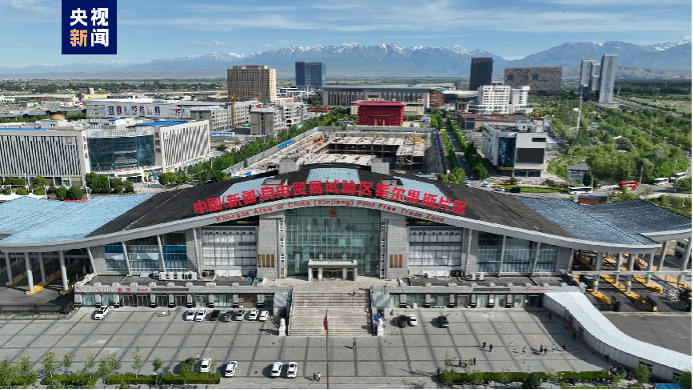
Xinjiang’s opening-up has continued to expand at an unprecedented pace. During the 14th Five-Year Plan period, the number of border ports open to international trade increased to 19. The cumulative number of China–Europe (Central Asia) freight trains departing from or transiting through Xinjiang exceeded 74,000. The successful establishment of the Xinjiang Pilot Free Trade Zone has become a powerful new engine driving the region’s opening-up.
For four consecutive years, Xinjiang’s foreign trade has exceeded 100 billion yuan, while the region has successfully hosted two China–Eurasia Expos and three Eurasia Commodity and Trade Expos. Trade relations have now been established with 228 countries and regions around the world.
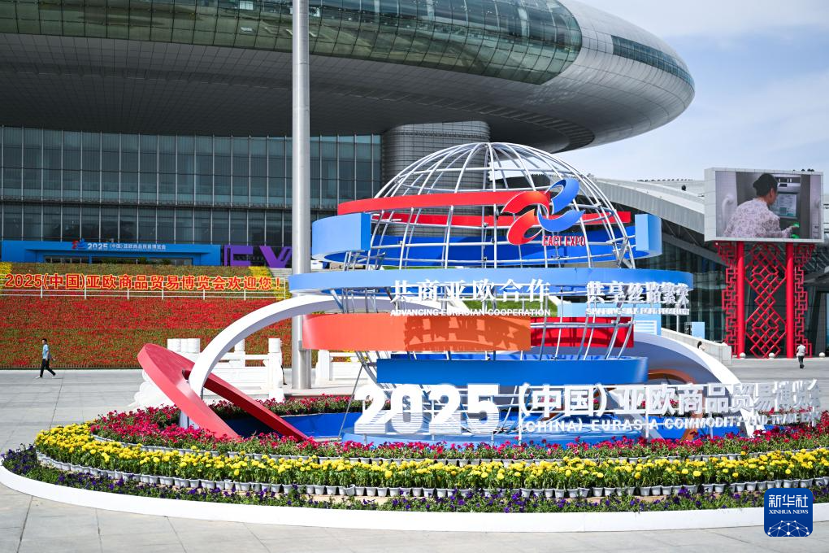
From June 25 to 29 this year, the 9th China–Eurasia Expo was successfully held in Urumqi. By continuously building high-level opening-up platforms, Xinjiang is transforming the Golden Corridor between Asia and Europe from a geographical concept into an economic reality.
The guiding principles of China’s 15th Five-Year Plan clearly emphasize adherence to the philosophy of extensive consultation, joint contribution, and shared benefits, promoting openness, green development, integrity, high standards, improved livelihoods, and sustainable growth.
China will continue advancing the high-quality implementation of the Belt and Road Initiative by strengthening infrastructure connectivity, improving the alignment of rules and standards, and promoting closer people-to-people ties among participating countries.
The plan also calls for upgrading the China–Europe (Central Asia) Railway Express network and actively participating in the development of the Trans-Caspian International Transport Route (Middle Corridor).
Particular emphasis is placed on accelerating the construction of Xinjiang as the core area of the Belt and Road Initiative.
This comprehensive national development blueprint provides a clear strategic direction for Xinjiang’s further integration with the global economy.
It was in Kazakhstan that the Belt and Road Initiative was first proposed to the world. More than 1,700 kilometers of the China–Kazakhstan border lie within Xinjiang, making the region an indispensable bridge for bilateral cooperation.
Today, geographical proximity is steadily being transformed into deep integration in development.
An expanding network of sister-city partnerships, increasingly sophisticated connectivity, deepening industrial cooperation, and vibrant cultural exchanges continue to elevate China–Kazakhstan relations to an ever higher level.
At present, Xinjiang and Kazakhstan have established 15 pairs of sister-region and sister-city relationships at the provincial, regional, municipal, and county levels. Official and business exchanges between the two sides have become increasingly frequent.
In 2025, trade between Xinjiang and Kazakhstan reached US$19.33 billion, accounting for nearly 40 percent of total bilateral trade between the two countries.
The Khorgos International Centre for Boundary Cooperation welcomed nearly 10 million visitors during the year, while automobile exports through the Khorgos border crossing reached 450,000 vehicles—both setting new historical records.
Xinjiang and Kazakhstan are connected by seven permanent border ports, five cross-border oil and gas pipelines, and two cross-border railway lines.
The third cross-border railway—Tacheng–Ayagoz—is scheduled to be completed before the end of 2027 and is expected to increase bilateral freight capacity to approximately 48 million tonnes annually.
People-to-people exchanges between Xinjiang and Kazakhstan have become increasingly dynamic and productive.
In August 2025, the first Luban Workshop, jointly established with Xinjiang, was officially inaugurated at M. Tynyshpayev ALT University in Kazakhstan. The project represents an important step in strengthening vocational education cooperation and cultivating highly skilled professionals for both countries.
Almaty also hosted several landmark cultural events, including the exhibition “Magnificent China: The Art and Beauty of Xinjiang,” which offered Kazakh audiences a vivid insight into the region’s rich cultural heritage and artistic traditions.
In December 2025, the series of cultural and tourism promotion events entitled “Xinjiang – A Wonderful Land” was successfully held, further enhancing mutual understanding and friendship between the peoples of China and Kazakhstan.
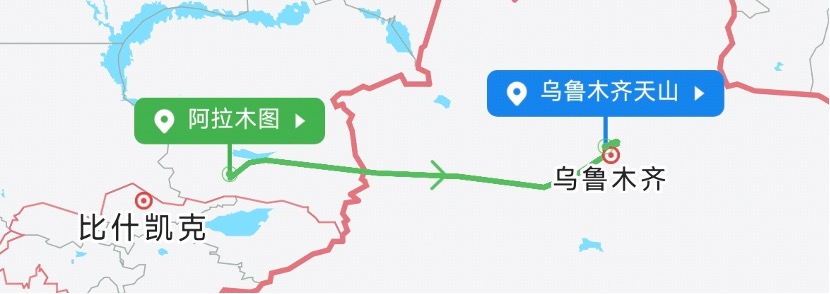
Today, more than 20 flights per week connect Almaty with Urumqi and Yining (Ghulja). As flight frequencies continue to increase, travel between the two sides becomes ever more convenient, bringing their peoples closer together than ever before.
From the bustling crowds crossing the border at Khorgos, to the commencement of construction on the third cross-border railway; from dozens of weekly flights linking the two countries, to the continuously expanding network of sister-city partnerships—Xinjiang and Kazakhstan are jointly creating a new model of regional cooperation characterized by open border crossings, interconnected railways, complementary industries, and ever-closer ties between their peoples.
As China’s gateway to the west, Xinjiang is writing, through concrete actions, one of the most vivid chapters in building a China–Kazakhstan community with a shared future.
Xi’an: The Strategic Crossroads of China’s Cooperation with Central Asia
Xi’an, the capital of Shaanxi Province, is one of western China’s most important central cities, the historic starting point of the ancient Silk Road, and one of the principal birthplaces of Chinese civilization. Today, its international influence continues to expand at an impressive pace.
In 2025, the total industrial output of Xi’an’s enterprises above the designated size (those with annual principal business revenue of at least 20 million yuan) exceeded 1 trillion yuan for the first time, reaching 1.06 trillion yuan, representing a year-on-year increase of 6.9 percent.
Meanwhile, the value-added output of industrial enterprises above the designated size grew by 5.7 percent, marking a historic breakthrough in the overall scale of the city’s industrial economy.
Xi’an has focused its efforts on developing ten key industrial chains and clusters, including large commercial aircraft manufacturing, semiconductors and photonics, advanced materials, and other strategic emerging industries, continuously unlocking new momentum for industrial growth.
Among them, three industrial clusters demonstrated particularly remarkable performance:
- Photovoltaic industry: +56.1%
- Intelligent connected new-energy vehicles: +14.9%
- Advanced new materials: +14.2%
The city’s six pillar industries—including automobile manufacturing, electronic information technology, high-end equipment manufacturing, and several other strategic sectors—generated a combined industrial output of 826.478 billion yuan, accounting for 77.9 percent of the total industrial production of enterprises above the designated size.
These industries have become the principal engine driving Xi’an’s industrial expansion.
At the same time, Xi’an’s Photonics Integration Pilot Testing Platform was included in China’s first national list of pilot testing platforms for the manufacturing industry, highlighting the city’s growing role in technological innovation.
Today, Xi’an has successfully transformed itself from a millennia-old imperial capital into a modern industrial powerhouse, giving the historic starting point of the Silk Road an entirely new significance in the twenty-first century.
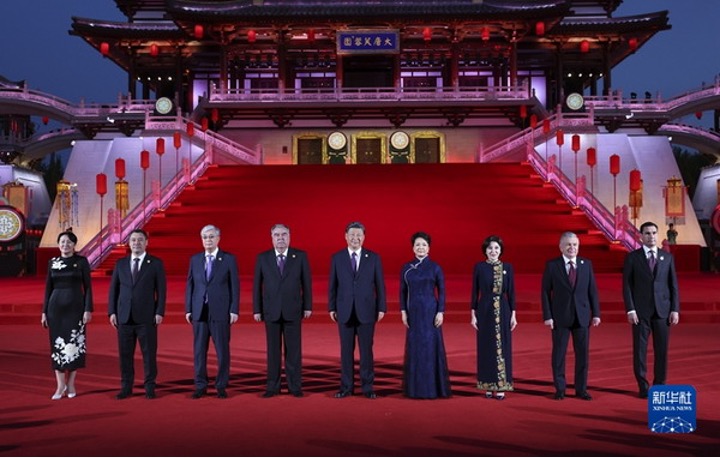
In 2023, Xi’an successfully hosted the First China–Central Asia Summit.
The Xi’an Declaration, adopted at the summit, reaffirmed the shared commitment of the six participating countries to building an even closer China–Central Asia community with a shared future.
The summit also officially established the China–Central Asia Heads of State Meeting Mechanism, with its permanent Secretariat located in Xi’an.
As a result, Xi’an has evolved from being merely the historic starting point of the Silk Road into a permanent platform for dialogue and cooperation between China and the countries of Central Asia.
Xi’an has continued to strengthen its role as one of China’s most important international transportation hubs.
In 2025, the China–Kazakhstan International Container Terminal officially commenced operations in Xi’an.
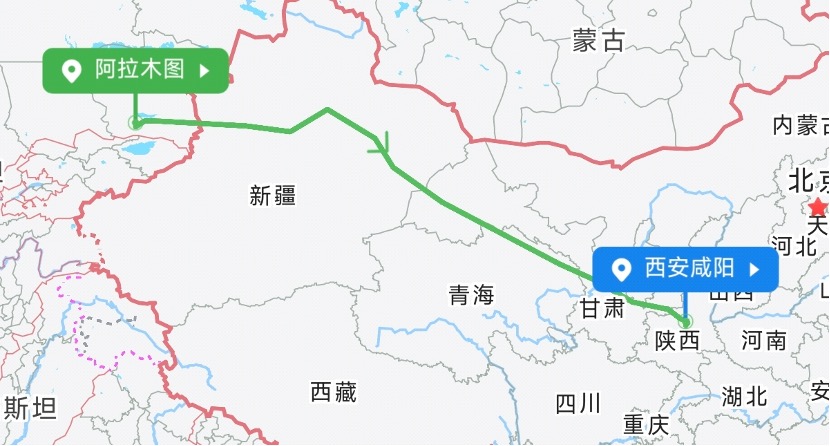
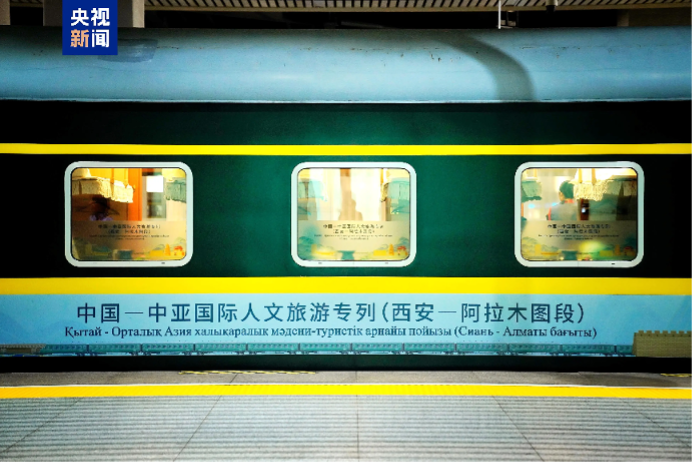
During the same year, the first international tourist train operating on the China–Central Asia (Xi’an–Almaty) route was successfully launched, opening a new chapter in regional tourism cooperation.
Meanwhile, Xi’an’s China–Europe Railway Express Assembly and Distribution Center has continued expanding its reach.
The cumulative number of freight train departures surpassed 30,000, making Xi’an the first city in China to achieve this milestone.
For eight consecutive years, Xi’an has ranked first nationwide in both the number of China–Europe freight train departures and total cargo volume.
The city also opened 12 new international passenger and cargo air routes, becoming the first city in China to establish direct passenger air connections with all eight cities across the five Central Asian countries, significantly improving regional connectivity.
Cooperation between Xi’an and Central Asian countries in agriculture, science and technology has also delivered substantial results.
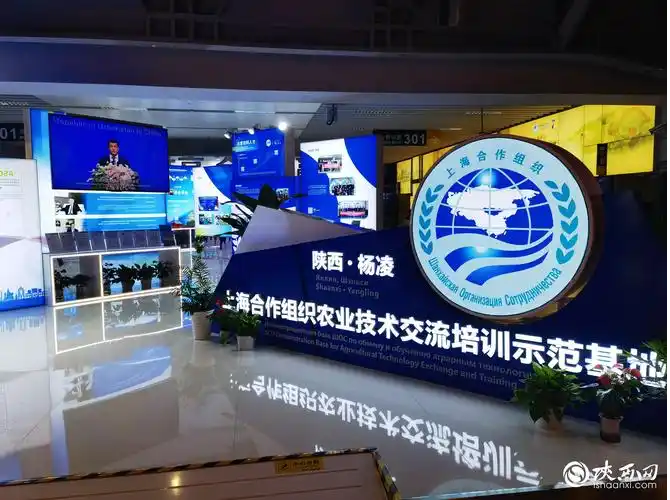
The Yangling Agricultural High-tech Industries Demonstration Zone, relying on the SCO Agricultural Technology Exchange and Training Base, has actively promoted agricultural cooperation with member states of the Shanghai Cooperation Organization (SCO), including Kazakhstan. Through technology transfer, professional training, scientific research and demonstration projects, the platform has generated tangible achievements and has become an important bridge for agricultural innovation across the region.
In 2025, Xi’an successfully hosted the Second International Forum on China–Europe Railway Express Services, bringing together government officials, logistics operators and business representatives to discuss the future development of Eurasian transport corridors.
The city also organized the 11th Eurasia Economic Forum, along with a series of other major international events, further strengthening its position as an important platform for regional economic cooperation and international dialogue.
On June 8 this year, Almaty hosted the tourism promotion event “The Millennia-Old Capital – Welcome to Chang’an,” showcasing Xi’an’s rich historical heritage, cultural attractions and tourism potential to audiences in Kazakhstan.
As China enters the period of the 15th Five-Year Plan, Xi’an has outlined a clear and unwavering strategic roadmap for its future development.
The city will continue improving its comprehensive international service capabilities while ensuring the effective implementation of the outcomes of the China–Central Asia Summit, allowing all participating countries to benefit from closer regional cooperation.
Xi’an also plans to further diversify its channels of opening-up by deepening its participation in the development of the New Eurasian Land-Sea Corridor and the Trans-Caspian International Transport Route (Middle Corridor).
At the same time, the city intends to further strengthen the role and operational efficiency of its China–Europe Railway Express Assembly and Distribution Center, while promoting the establishment of a “hub-to-hub” cooperation framework linking Xi’an with major international transportation centers, including Almaty.
Another priority will be expanding both the scale and the range of trade with Central Asian countries.
Xi’an also plans to further develop the innovative “Railways + People-to-People Exchanges” model by launching regular China–Central Asia (Xi’an–Almaty) international tourist trains. These services are expected to foster broader cooperation across industry, education, culture, trade and tourism, creating new opportunities for shared prosperity between Xi’an and Central Asia, including Kazakhstan.
The evolution of cooperation between Xi’an and Central Asian countries—including Kazakhstan—reflects a broader transformation in regional relations.
What began with the construction of transportation corridors is now evolving into a comprehensive ecosystem of cooperation.
From jointly building a hub-to-hub logistics network to pioneering the innovative “Railways + People-to-People Exchanges” model, Xi’an is helping elevate China–Central Asia cooperation beyond infrastructure connectivity toward deeper economic integration, industrial collaboration, cultural interaction and mutual understanding.
These initiatives are laying stronger foundations for sustainable regional development and ensuring that practical cooperation continues to take root, expand and deliver tangible benefits to all parties involved.
As the historic starting point of the ancient Silk Road enters a new era of modernization and openness, Xi’an is once again becoming a gateway between East and West—this time not only through trade routes, but also through innovation, connectivity and shared development.
Together with Kazakhstan and the other countries of Central Asia, Xi’an is writing a new chapter in Silk Road cooperation—one that is defined by mutual trust, common prosperity and the shared pursuit of a closer community with a shared future.