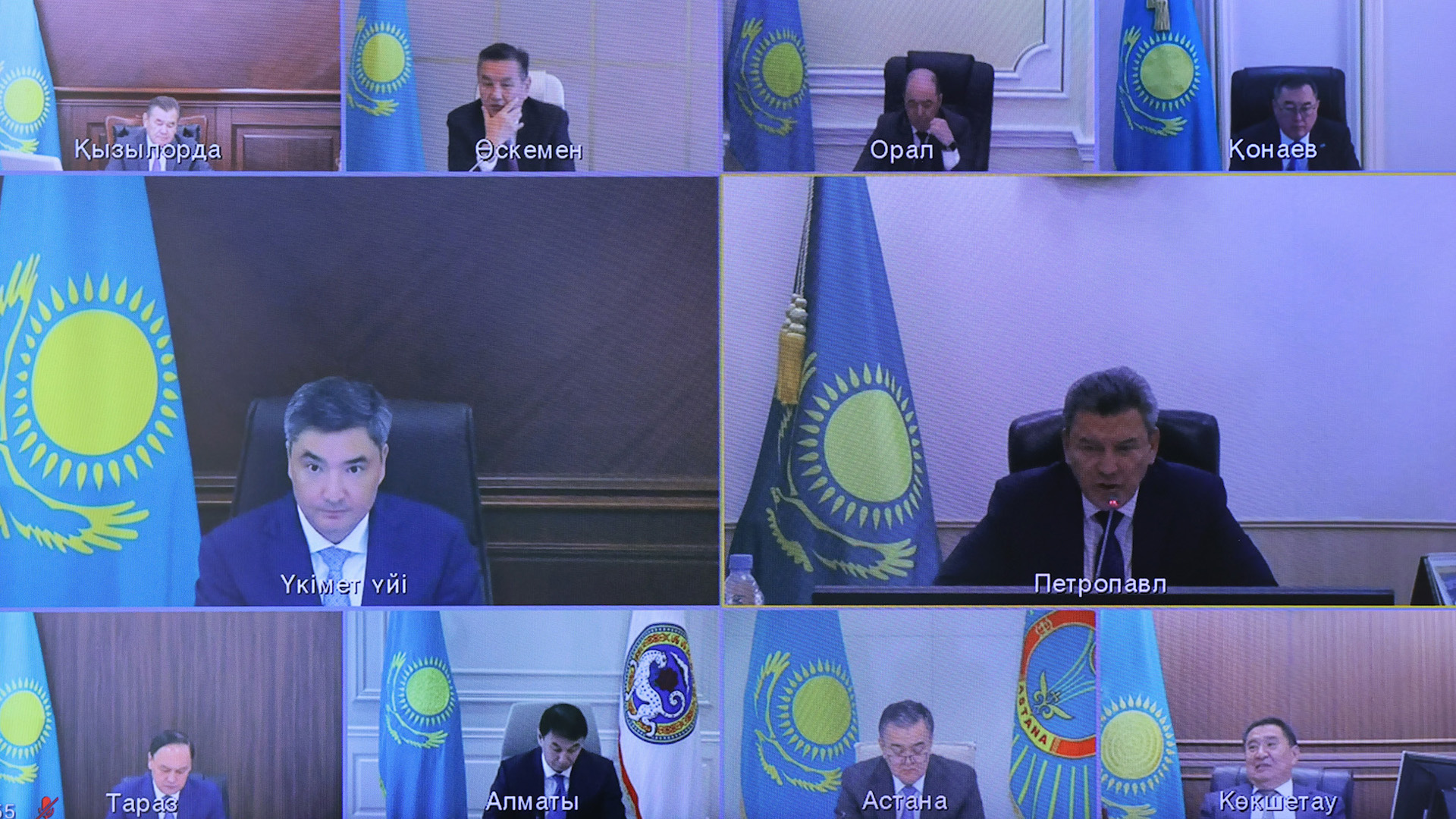

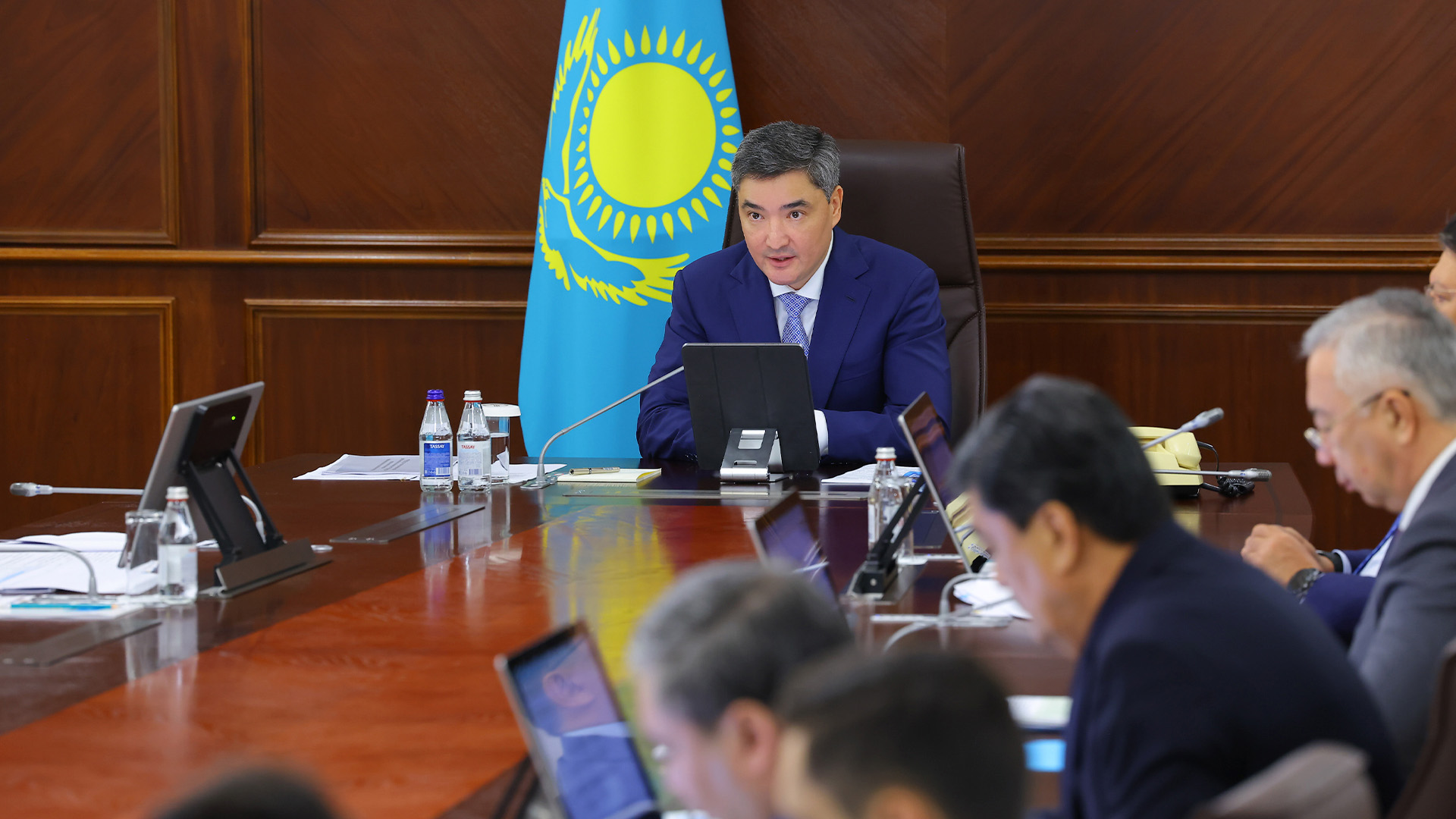
Kazakhstan is accelerating one of its largest infrastructure transformations in decades, with Prime Minister Olzhas Bektenov ordering regional authorities to speed up the modernization of dams, reservoirs and irrigation systems amid growing pressure on the country's water resources, DKNews.kz reports.
Chairing a meeting of the Water Council, Bektenov warned that delays in several regional projects are slowing the implementation of President Kassym-Jomart Tokayev's water sector reforms, making it clear that local governments will be held accountable for financing and delivering critical projects on time.
The message comes as Kazakhstan faces rising climate risks, increasing demand for irrigation water and growing dependence on efficient management of transboundary rivers.
A 3.2 Trillion-Tenge Transformation
Water has become one of Kazakhstan's most strategic resources. Under the national Concept for the Development of the Water Resources Management System and the Comprehensive Water Sector Development Plan, the government is implementing 160 projects worth 3.2 trillion tenge.
The reforms go far beyond repairing aging infrastructure. Authorities are rebuilding reservoirs, digitizing canals, expanding drinking water networks and introducing technologies designed to reduce water losses across agriculture — one of the country's largest consumers of freshwater.
Ahead of Kazakhstan's Water Workers' Day, Bektenov congratulated industry employees, describing their work as essential for agriculture, industry, regional development and public welfare.
Major Progress Already Achieved
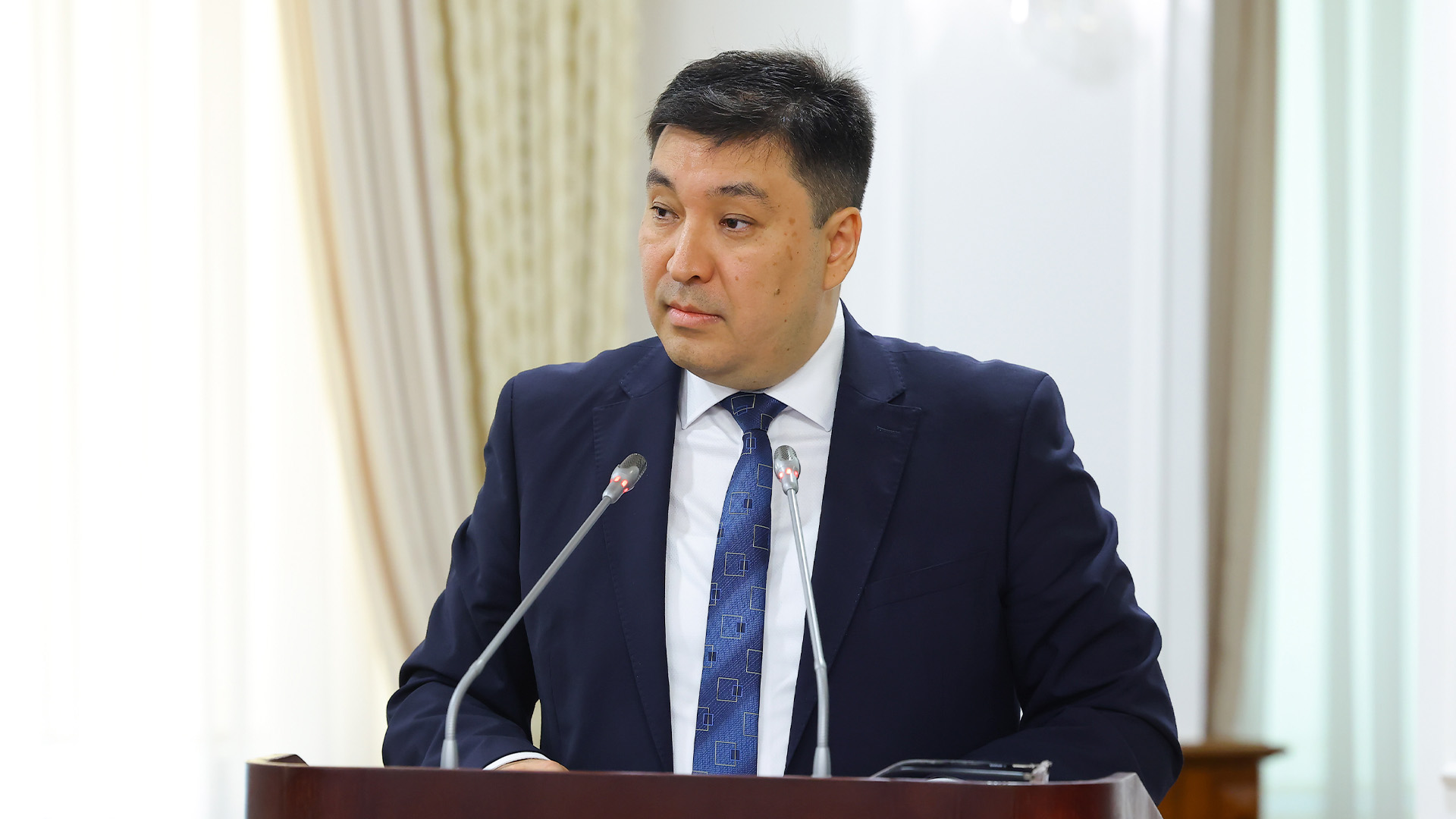
Minister of Water Resources and Irrigation Nurzhan Nurzhigitov said the country completed the reconstruction of five reservoirs during 2024–2025 across Aktobe, Turkestan, West Kazakhstan, Abai and Zhetisu regions.
At the same time:
- around 1,500 kilometers of irrigation canals were repaired and modernized;
- 22 drinking water projects were completed;
- nearly one million people gained improved access to water infrastructure.
Perhaps the most striking achievement has been the rapid expansion of water-saving technologies.
According to the ministry, the area using modern irrigation methods has increased almost fivefold, reaching approximately 550,000 hectares by the end of 2025. Officials estimate the technologies have already saved roughly 880 million cubic meters of irrigation water.
By 2030, Kazakhstan plans to expand water-efficient irrigation to 1.3 million hectares.
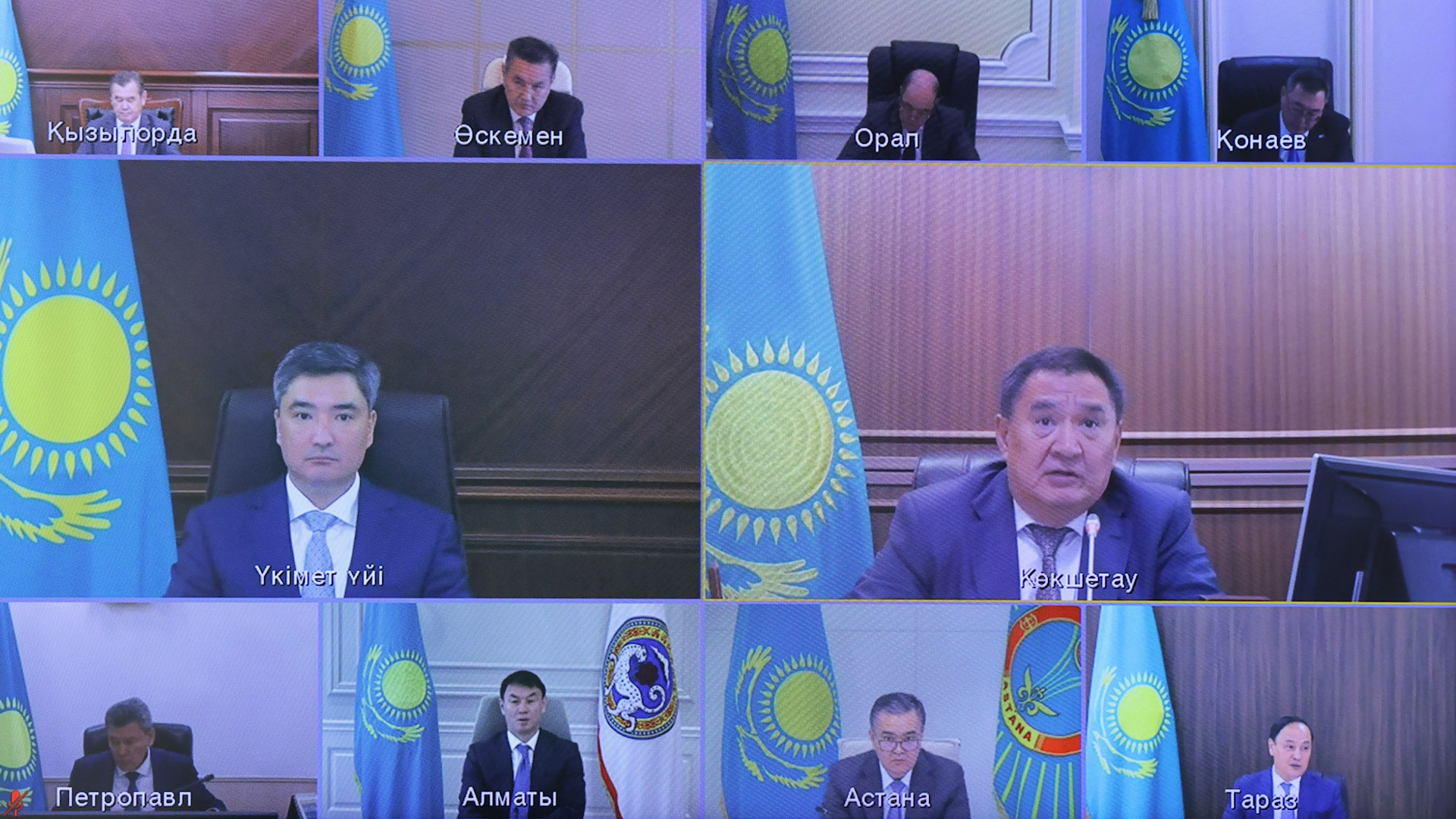
What's Coming Next
The modernization effort is far from over.
Authorities are currently working on:
- construction and reconstruction of reservoirs;
- modernization of 14,500 kilometers of irrigation canals;
- digitization of at least 3,500 kilometers of canals;
- wider deployment of water-saving technologies;
- further digital transformation of the sector;
- strengthening the industry's workforce.
During 2026 alone, Kazakhstan plans to commission another 1,000 kilometers of canals, improving irrigation across approximately 200,000 hectares of farmland.
Twelve additional drinking water projects are also expected to be completed, bringing higher-quality water supplies to 142 rural settlements with a combined population exceeding 500,000 people.
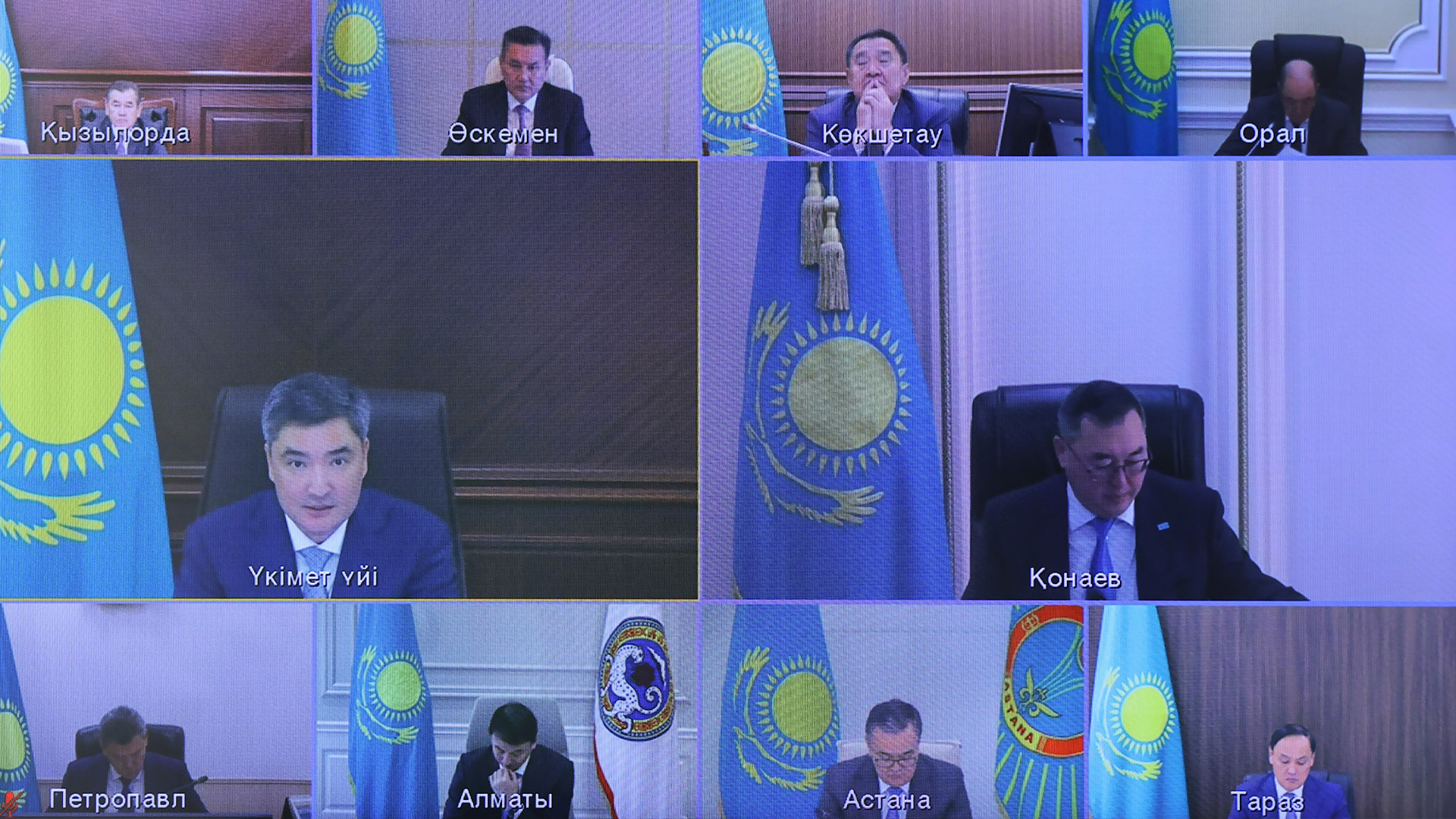
Building a Digital Water Network
One of the most ambitious elements of the reform is the creation of the National Water Resources Information System, a digital platform designed to bring together information on rivers, lakes, reservoirs, groundwater and hydraulic infrastructure.
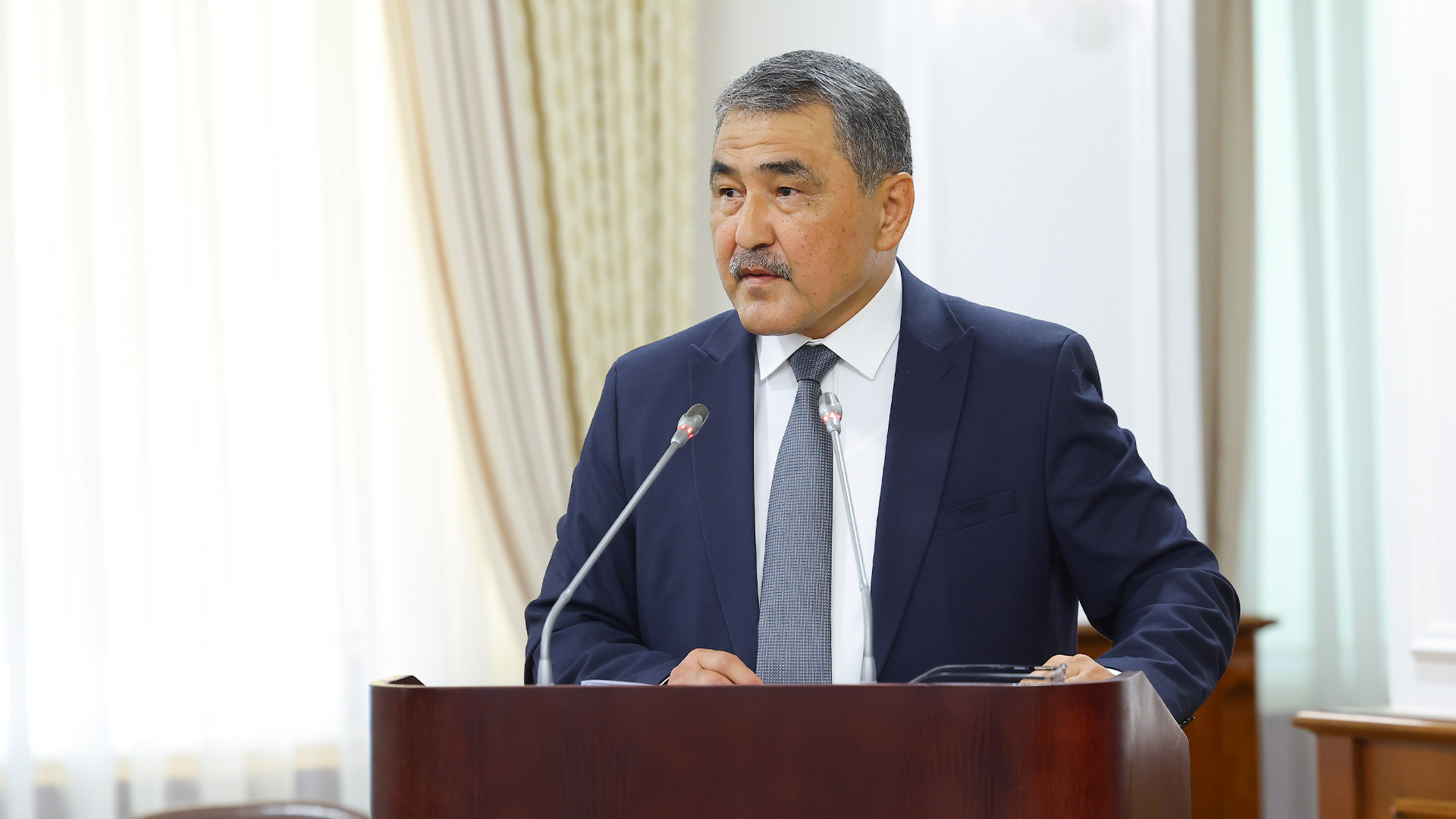
Deputy Minister Aslan Abdraimov said the system already serves as the foundation of Kazakhstan's unified digital water ecosystem.
The platform currently contains information on:
- 17,758 rivers
- 3,148 lakes
- 3,927 monitoring wells
- 1,209 hydraulic structures
Officials have also digitized more than 10,000 infrastructure passports and processed over 6,000 special water-use reports.
Importantly, the project is being financed through a grant from the Eurasian Development Bank, without drawing funds from Kazakhstan's republican budget.
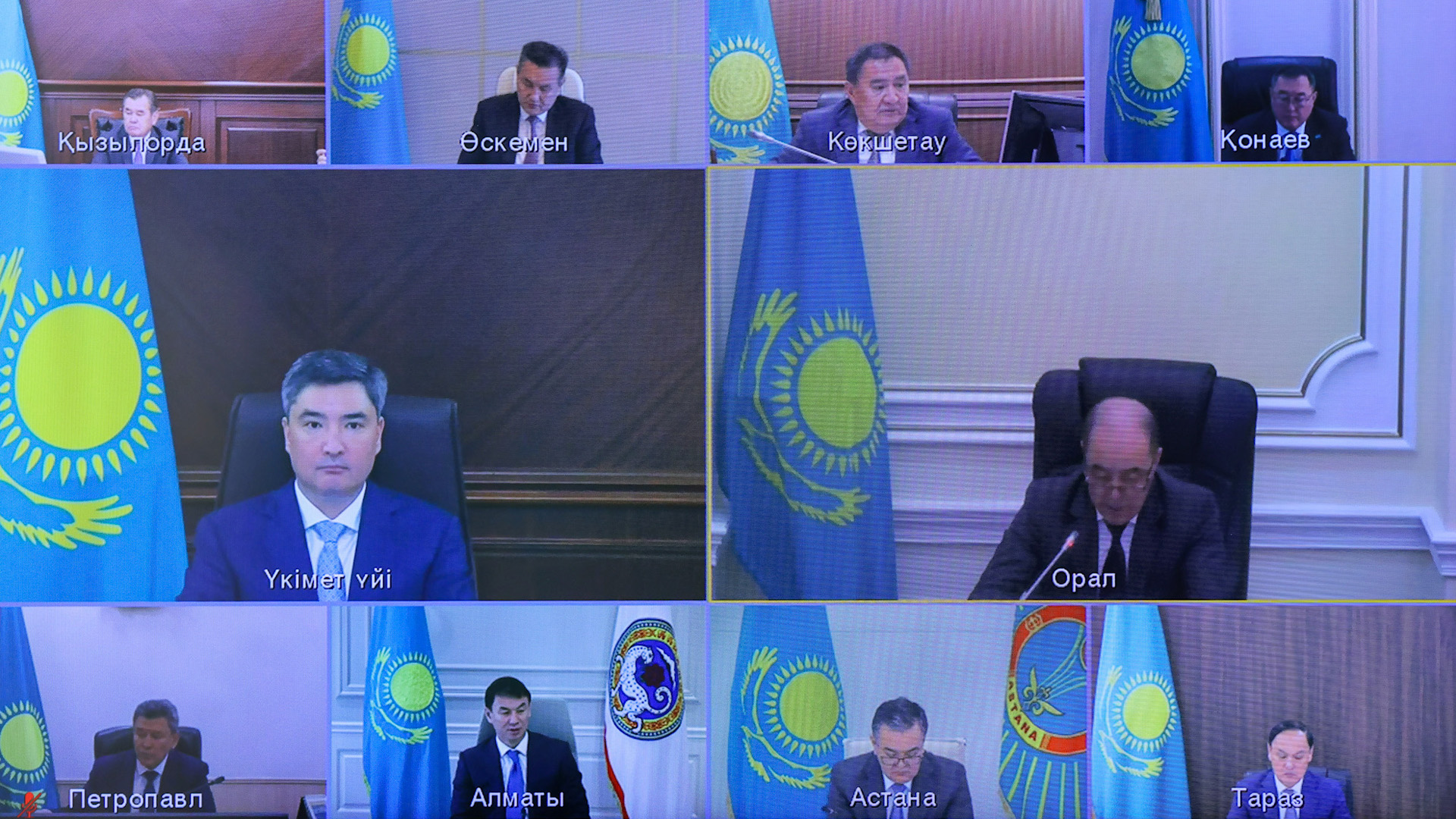
Investing in People, Not Just Infrastructure
The government is also trying to solve another long-standing challenge — the shortage of qualified water specialists.
Since 2023, Kazakhstan has allocated 1,652 educational grants for water-sector professions. Another 1,000 grants are planned for the upcoming academic year.
Meanwhile, salaries at the state enterprise Kazvodkhoz have more than doubled over the past two and a half years, making careers in the industry more attractive.
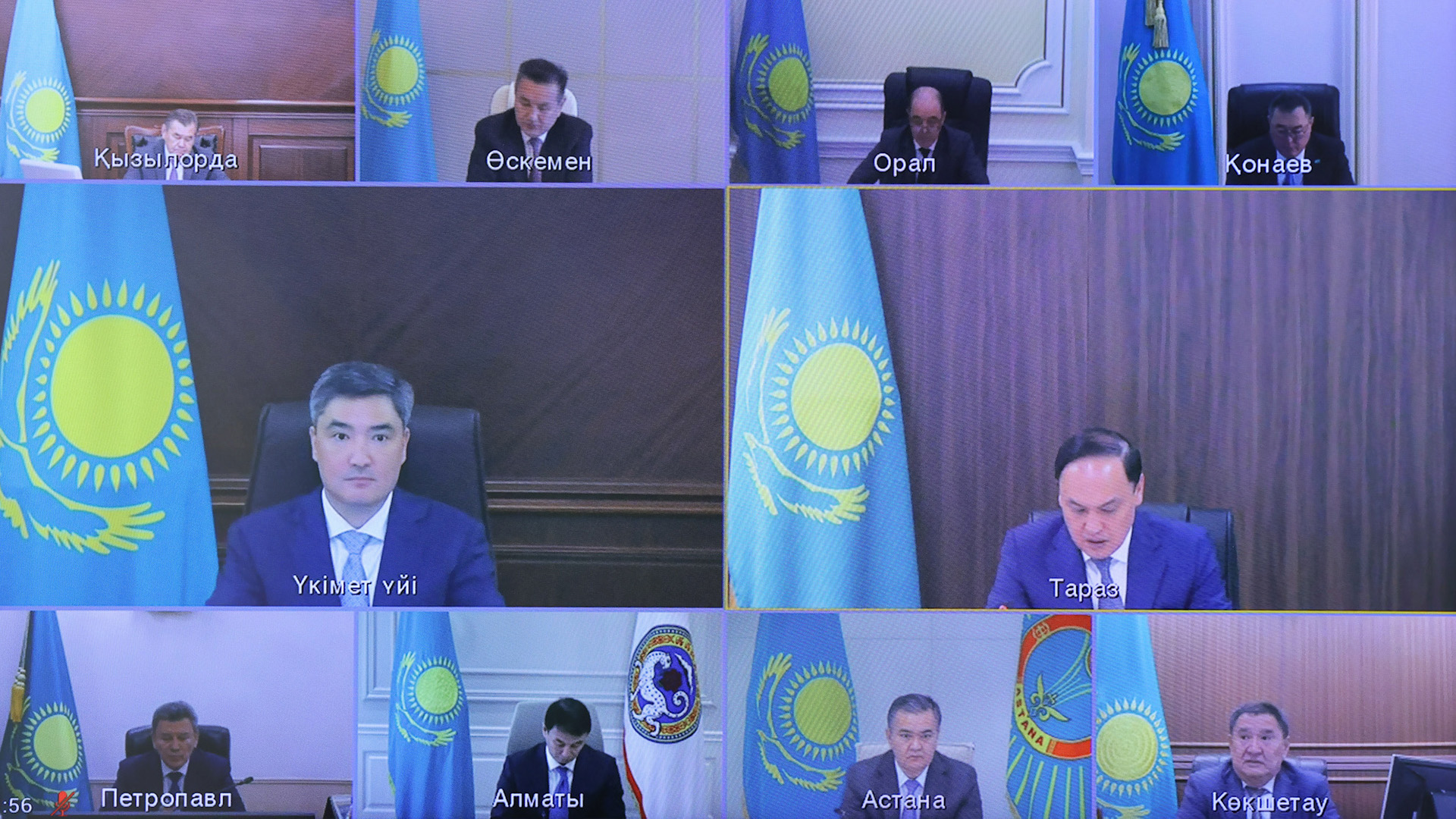
Bektenov: Delays Are No Longer Acceptable
Despite the progress, Bektenov made it clear that several regions are falling behind schedule.
"Akimats of the regions must ensure priority financing of measures assigned to local budgets. Relevant expenses must be timely provided for when forming and clarifying regional budgets. I instruct the Ministry of Water Resources and Irrigation to strengthen monitoring of the implementation of the Comprehensive Plan, to more strictly control the timing and volumes of financing for each measure. On all problematic issues, it is necessary to promptly submit specific proposals and solutions to the Government," Olzhas Bektenov said.
The Prime Minister also stressed that the rollout of water-saving technologies remains under the personal supervision of President Kassym-Jomart Tokayev, calling on regional authorities to accelerate implementation.
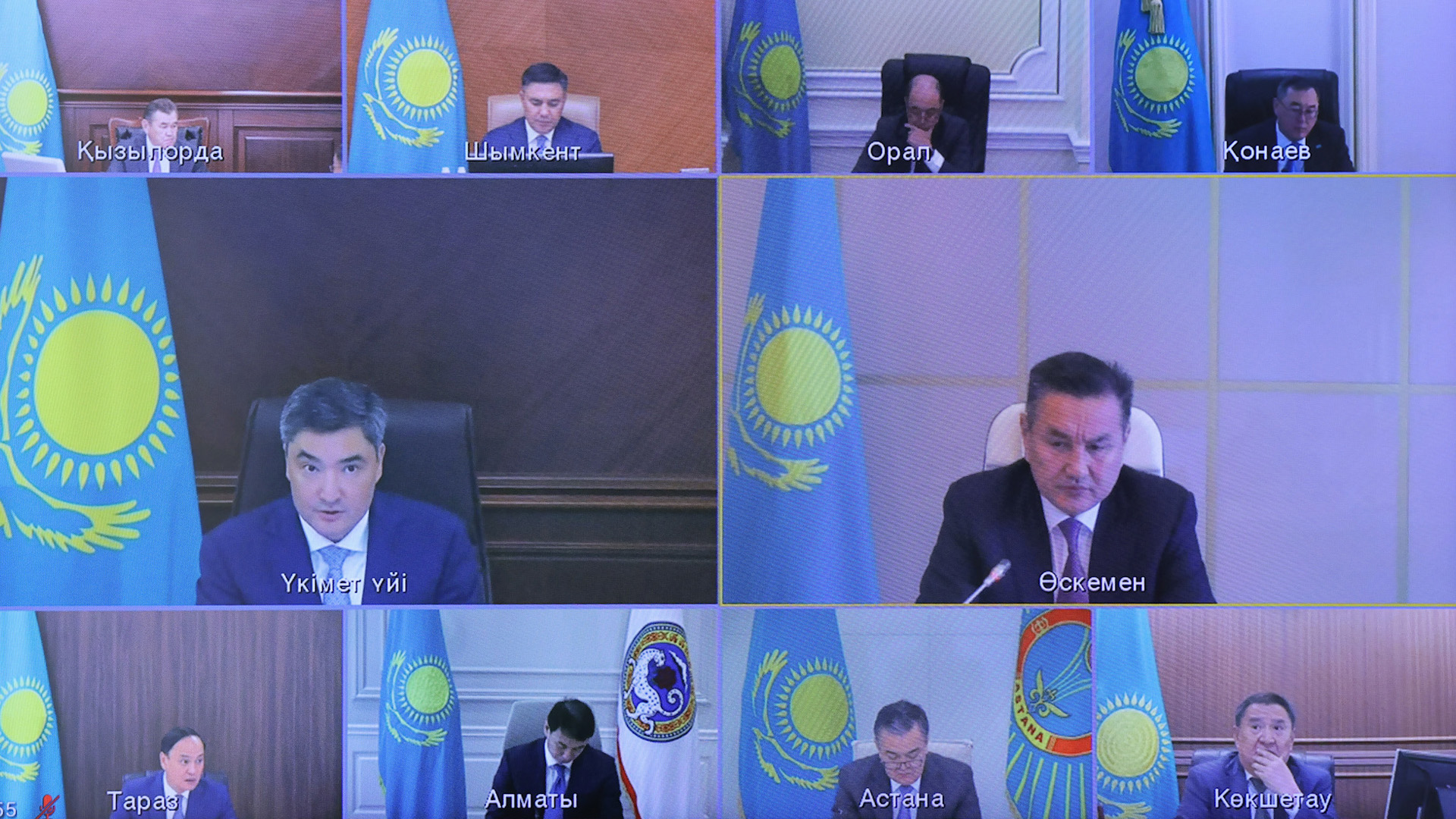
New Deadlines Set for Ministries
Following the meeting, Bektenov issued several new instructions.
The Ministry of Ecology and Natural Resources was tasked with strengthening water quality monitoring on transboundary rivers.
The Ministry of Water Resources and Irrigation, together with regional governments, must ensure that all hydraulic structure passports are entered into the National Water Resources Information System by January 1, 2027.
Another deadline was set for June 10, 2027, by which authorities must establish official water protection zones and protective strips for surface water bodies located within settlements.
In addition, the Ministries of Ecology and Water Resources were instructed to integrate the National Bank of Environmental Data with the National Water Resources Information System, creating a unified platform that will combine environmental monitoring with water management data.
As climate pressures intensify and water security becomes increasingly central to Kazakhstan's economic future, the government's latest directives suggest that modernizing the country's water infrastructure is no longer simply an investment project — it has become a national priority.