

Kazakhstan is accelerating its push toward cleaner energy and modern waste management, with a new wave of Chinese investment expected to reshape how the country handles municipal waste while generating electricity, DKNews.kz reports.
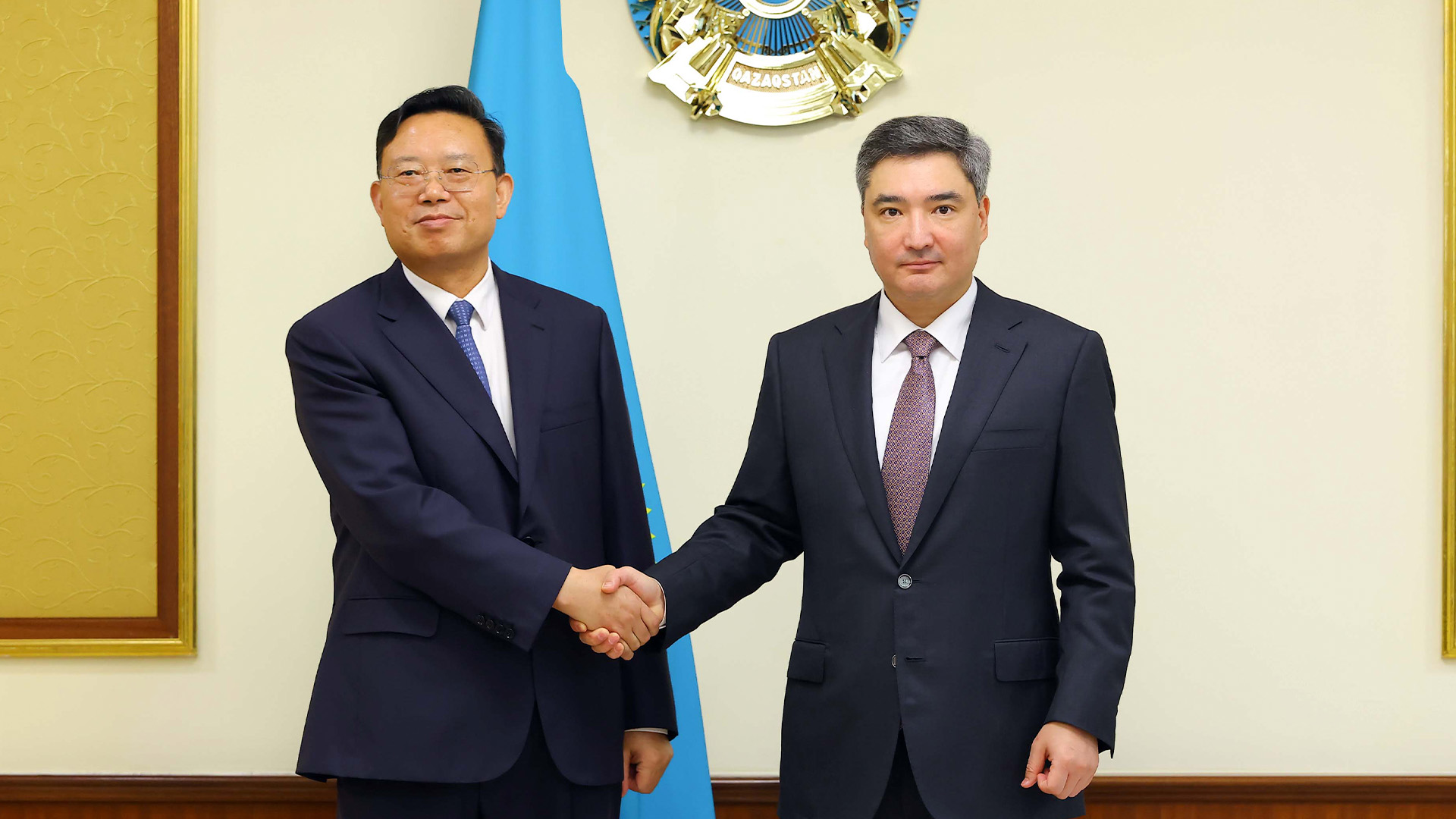
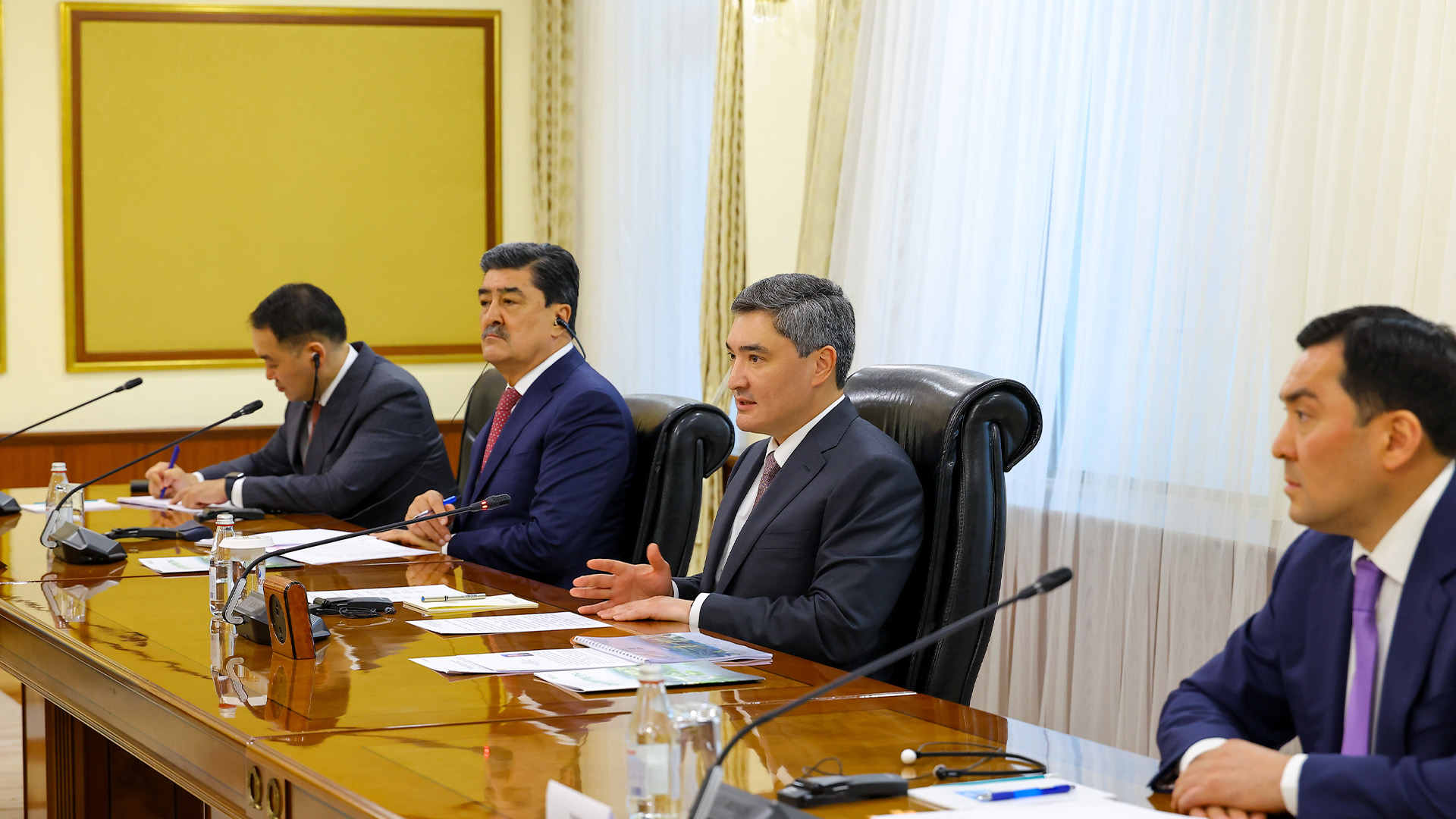
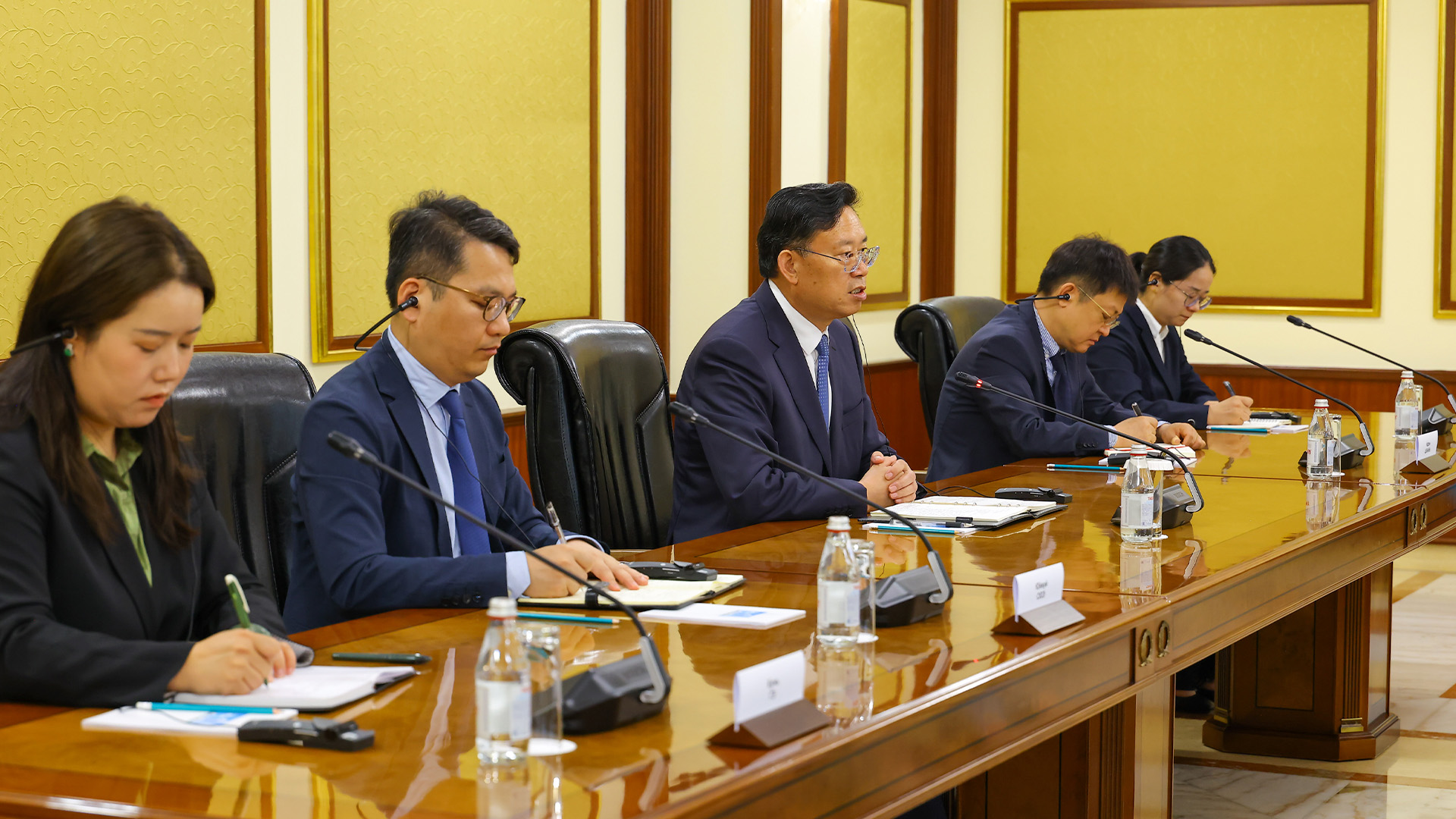
The initiative reflects a broader trend in Kazakhstan-China relations, where economic cooperation is moving beyond traditional trade into high-tech infrastructure, environmental projects, and green energy. During a meeting in Astana, Prime Minister Olzhas Bektenov and China Tianying Inc. President De Biao Cao discussed expanding investment in waste-to-energy projects that could bring advanced recycling technologies to several regions of Kazakhstan.
Kazakhstan-China partnership enters a new phase
According to Bektenov, the growing trust between President Kassym-Jomart Tokayev and Chinese President Xi Jinping has created the conditions for deeper economic cooperation.
“Thanks to the trusting and constructive dialogue between the leaders of our countries, Kassym-Jomart Tokayev and Xi Jinping, bilateral cooperation is confidently developing in all sectors of the economy and is reaching a new level. Trade turnover between Kazakhstan and China reached $48 billion last year. The Government is making every effort to fulfill the task set by the heads of our states to double the volume of trade,” Olzhas Bektenov emphasized.
The figures underline the scale of the partnership. Kazakhstan and China have already completed 77 joint investment projects worth $13.3 billion, creating more than 21,600 jobs. Another 269 initiatives remain in the pipeline, covering industries ranging from manufacturing to green technologies.
Turning waste into electricity
One of the fastest-growing areas of cooperation is waste-to-energy infrastructure.
Kazakhstan is already building modern waste processing plants in Astana, Almaty and Shymkent, where household waste will be converted into electricity instead of ending up in landfills. Authorities are also considering similar facilities in other regions as part of a nationwide strategy to modernize waste management.
China Tianying, one of the world's major environmental technology companies, has more than two decades of experience in waste processing and renewable energy. The company operates projects in over 30 countries, including Singapore, France and the Maldives.
De Biao Cao said the company's technologies meet advanced European environmental standards and cover every stage of project development.
“We work in two areas: these are projects for environmental protection and the development of technologies in new energy. Currently, the processing capacity of the company’s plants is 4 thousand tons of solid household waste per day; in the future, this figure will be increased to 7 thousand tons per day. The company operates on a full production cycle: from the development of technical solutions and equipment manufacturing to construction, commissioning, and further maintenance,” De Biao Cao said.
Smaller cities could benefit next
While large-scale facilities are already under construction in Kazakhstan's biggest cities, officials also discussed building smaller waste-to-energy plants capable of processing between 250 and 500 tons of waste per day.
Such facilities are designed for regional cities where waste volumes are lower but environmental challenges remain significant. The approach would allow Kazakhstan to expand modern waste processing beyond its largest urban centers.
The projects are being implemented through investment agreements, while electricity generated by waste-to-energy plants is supported by a government tariff of up to 55 tenge per kilowatt-hour.
Government pushes for faster implementation
Bektenov instructed government agencies to accelerate negotiations with China Tianying and finalize an investment agreement within two weeks.
“The Ministry of Ecology, together with other interested government agencies, should promptly complete the final stage of negotiations with the company and, within two weeks, submit for approval the Investment Agreement providing for the construction of solid household waste utilization plants in at least three major cities of Kazakhstan,” he said.
The government has also pledged to support the project throughout its implementation to ensure new environmental and energy technologies are introduced without delays.
Three major projects already underway
Kazakhstan has already launched three large waste-to-energy projects with Chinese partners worth a combined 293.3 billion tenge.
In Almaty, Junxin Environmental Protection is building a facility capable of processing 2,000 tons of municipal waste per day while generating 60 MW of electricity. The investment amounts to 145.5 billion tenge.
In Astana, EAST HOPE is constructing a plant that will process 1,500 tons of waste daily and generate 50 MW of electricity, backed by 94.4 billion tenge in investment.
In Shymkent, Shaanxi Construction Engineering Kazakhstan Co., Ltd is developing a facility with a daily processing capacity of 1,000 tons and electricity generation of 24 MW, supported by approximately 54 billion tenge in investment.
Together, the three plants will process 4,500 tons of municipal waste every day, produce 134 MW of electricity, and create more than 300 permanent jobs.
Officials are now evaluating similar projects in Aktobe, Atyrau, Karaganda and several other cities, signaling that waste-to-energy could become one of Kazakhstan's fastest-growing sectors as the country pursues cleaner energy and deeper industrial cooperation with China.