
IATA: EU climate plan could hit air travelers

3102
Arman Korzhumbayev Editor-in-Chief

Air travel could become more expensive. The International Air Transport Association has criticized the European Commission’s plan to extend the EU Emissions Trading System beyond Europe, DKNews.kz reports.

Under the European Commission’s proposal, carbon pricing would apply to certain international flights departing from the EU. If approved by the European Parliament and member states, the new rules could take effect in 2029.

IATA considers the approach extraterritorial because European regulations would affect airlines and emissions beyond the EU’s borders.

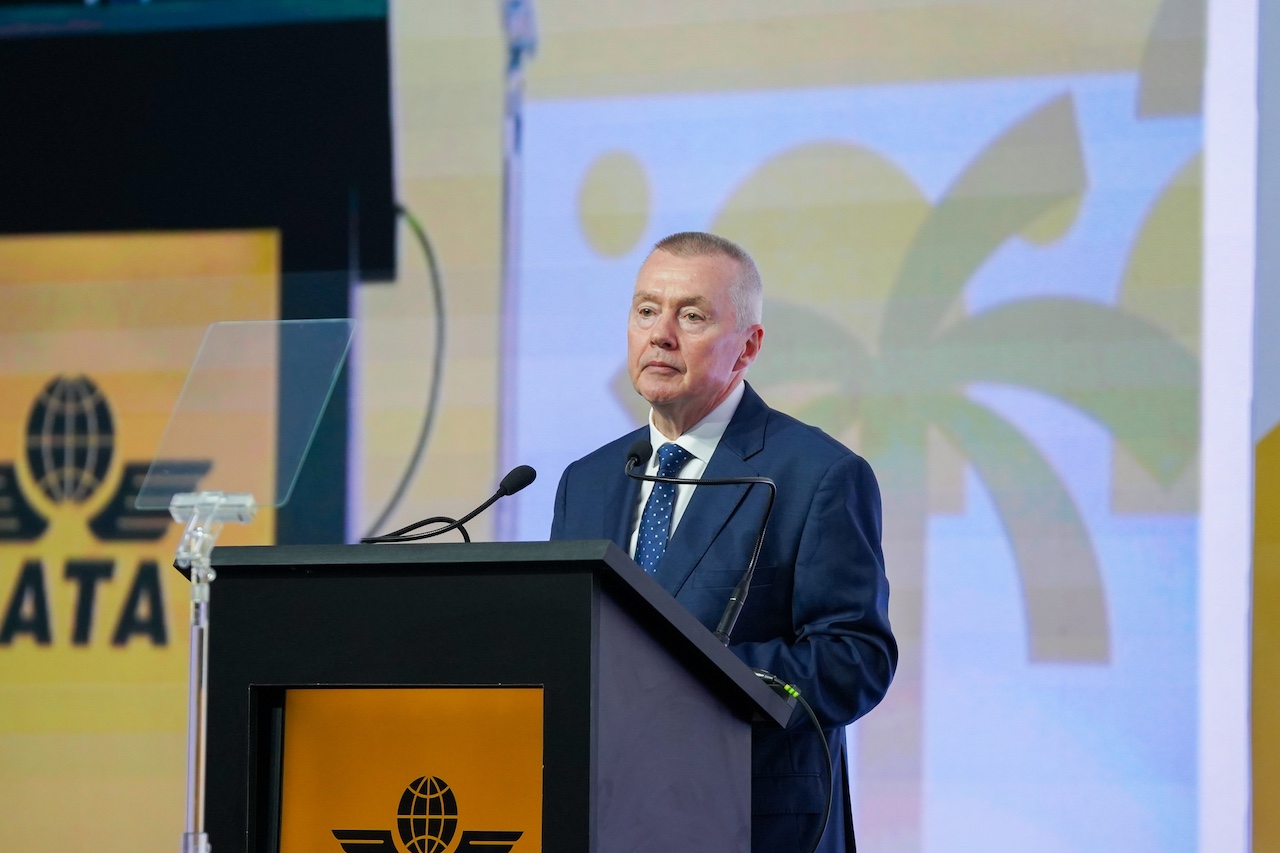
“The EU is repeating a historic error. The consequences will be harmful—sowing acrimony over extraterritoriality, slowing global decarbonization, and sapping European competitiveness—with European travelers and businesses paying the price,” said IATA Director General Willie Walsh.

Why airlines oppose the plan

The EU Emissions Trading System requires companies to account for their carbon dioxide emissions and surrender corresponding allowances. The more fuel an aircraft burns, the higher the potential cost for the carrier.

IATA fears that expanding the system would place an additional financial burden on international airlines. Carriers could pass some of these costs on to passengers and businesses through higher fares and cargo rates.

Another concern is the simultaneous application of multiple climate mechanisms. International aviation is already covered by CORSIA, a global scheme developed by the International Civil Aviation Organization.

CORSIA allows airlines to offset and reduce carbon emissions from international flights. It complements cleaner aircraft technologies, operational improvements and the use of sustainable aviation fuel.

“Instead of expanding the EU ETS beyond Europe’s borders, the EU should focus on making CORSIA—the agreed global mechanism—even more successful.”

Risk of double charging

The International Civil Aviation Organization has expressed similar concerns. ICAO warned that extending the EU ETS could result in airlines paying twice for the same international aviation emissions.

According to the organization, overlapping regional mechanisms could fragment global decarbonization efforts. CORSIA remains the only globally agreed market-based measure designed specifically for international aviation CO₂ emissions.

The European Commission has proposed deducting CORSIA-related payments to prevent double carbon pricing. The aviation industry argues that the final impact will depend on the details of the new rules.

IATA wants stronger incentives for cleaner fuel

One potential compromise would be greater support for sustainable aviation fuel, or SAF, which has a lower carbon footprint than conventional jet fuel.

IATA has also called for a book-and-claim system. This mechanism would allow an airline to purchase SAF and claim its environmental benefits even when the physical fuel is supplied and used at another airport.

The model could help carriers operating from airports where SAF is not yet available. It could also pool demand, attract investment and accelerate the development of the sustainable fuel market.

“Increasing SAF allowances and enabling a book-and-claim system for SAF could be promising steps, but the details are critical to success.”

IATA plans to continue discussions with European policymakers. The association is calling for an approach without extraterritoriality, with full support for CORSIA and effective incentives for sustainable aviation fuel.

“We will engage with European policy makers towards a more effective approach with no extraterritoriality, full support for CORSIA, and effective SAF incentives,” said Willie Walsh.

DKNews International News Agency is registered with the Ministry of Culture and Information of the Republic of Kazakhstan. Registration certificate No. 10484-AA issued on January 20, 2010.

Как разместить агитационные материалы политическим партиям на DKNews.kz

Theme
Autoreload
МИА «DKnews.kz» © 2006 -