
Korea’s past has become part of its economy.
In 2025, the country’s royal palaces, royal tombs and Jongmyo Shrine attracted 17.8 million visitors. International attendance reached 4.27 million, rising by 34.4 percent in one year, DKNews.kz reports.
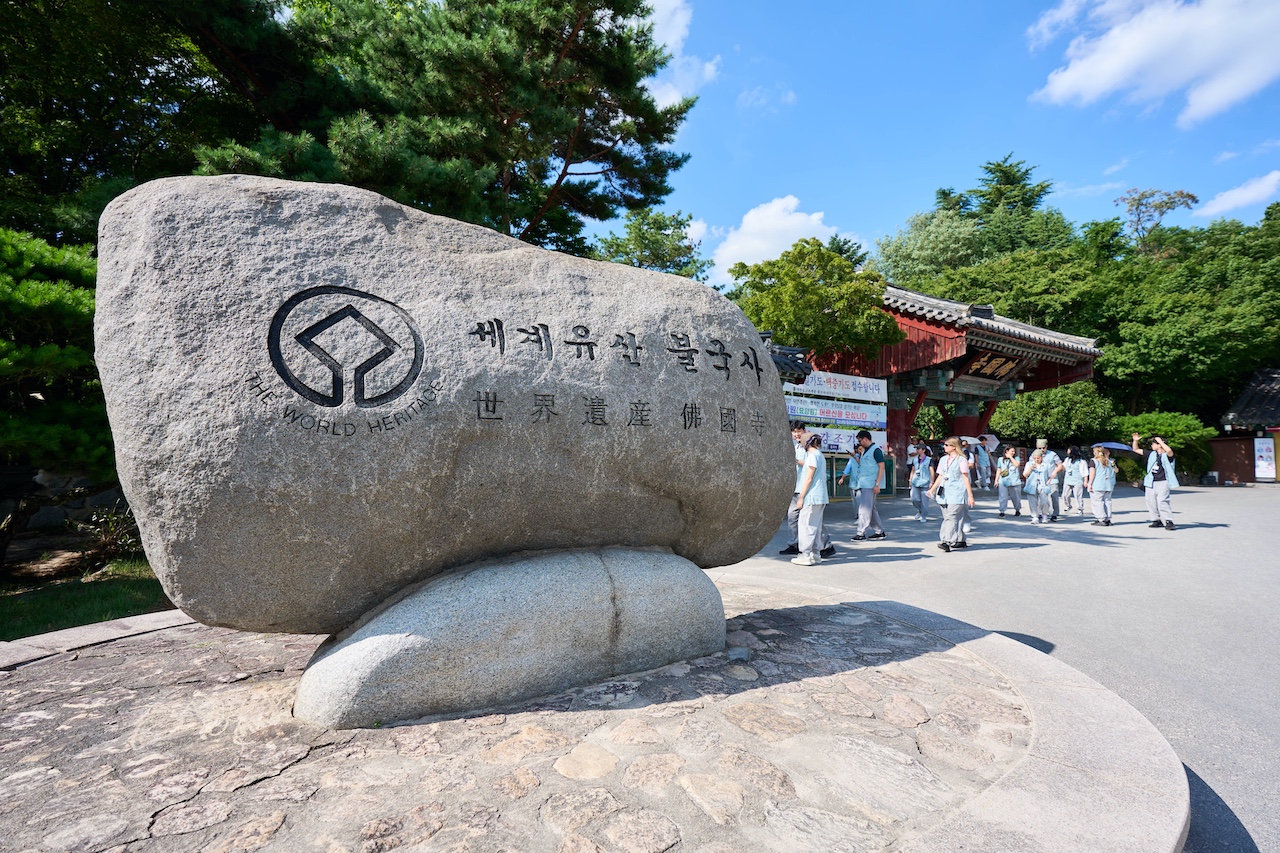
These figures reflect more than a museum boom. Korea has learned to turn history into an experience for which tourists willingly spend their time, money and attention.
From display cases to real experiences
During the 48th session of the World Heritage Committee in Busan, Korea opened K-Heritage House. The venue brought together 35 organizations, 45 exhibitions and interactive programmes.
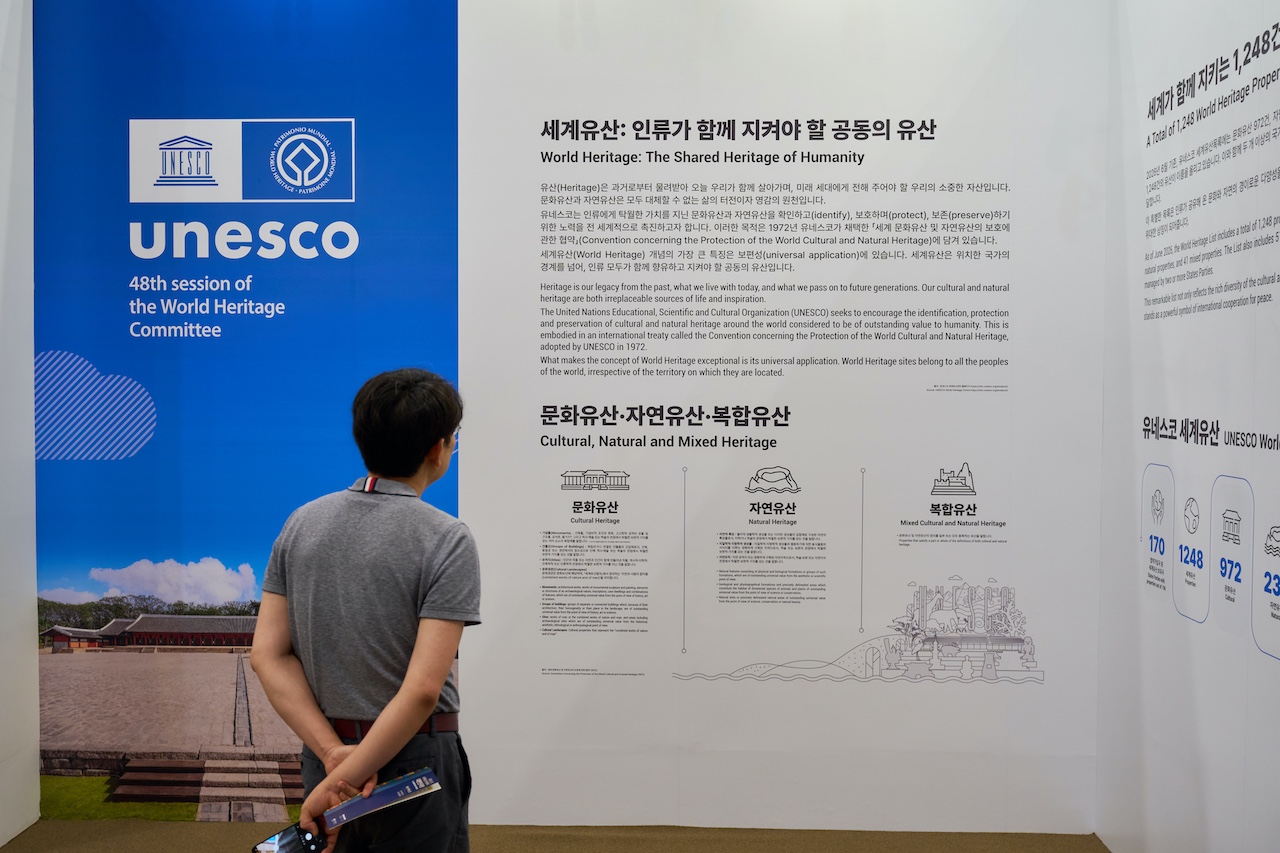
Ancient documents stood alongside digital installations, while masters of intangible heritage worked next to developers of immersive content. Visitors were invited to interact with heritage rather than simply observe it.
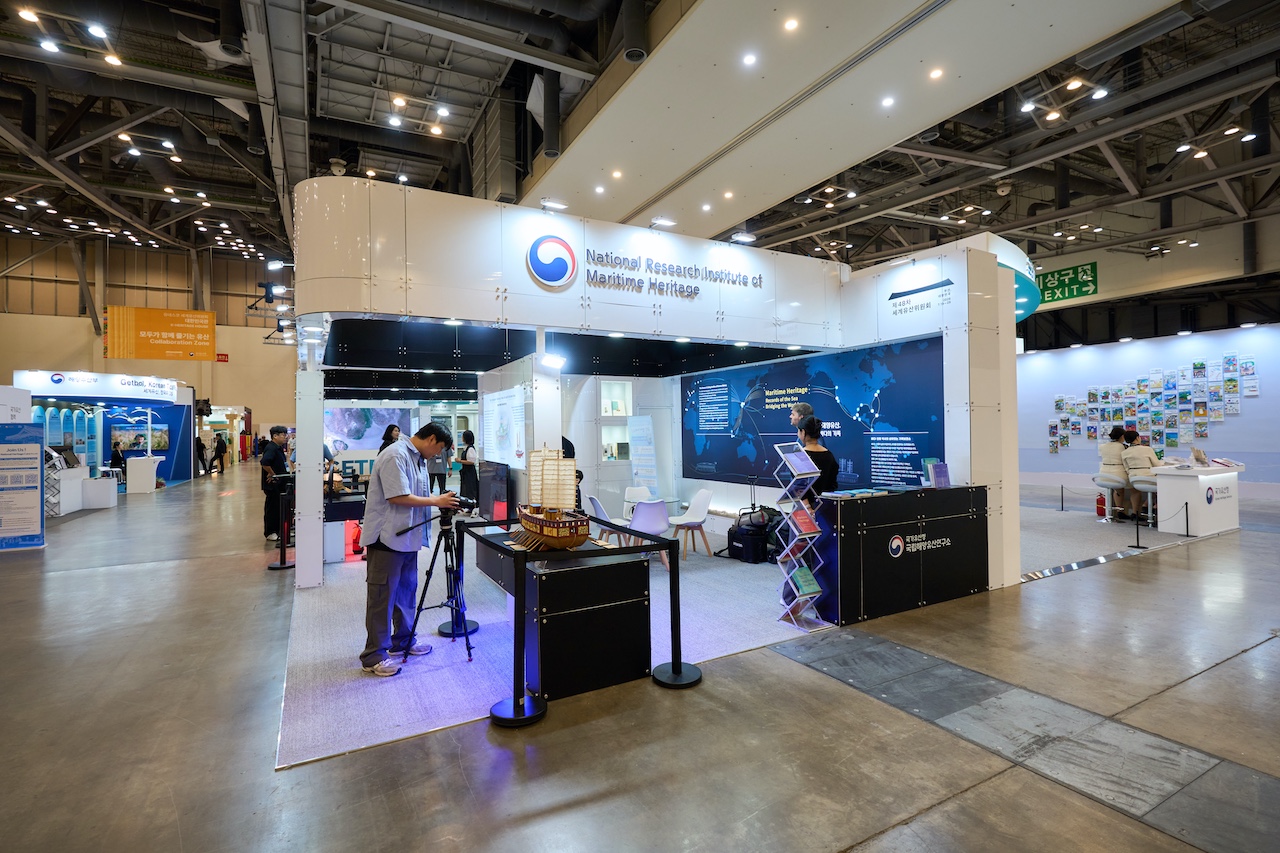
They could watch a royal guard-changing ceremony, see artisans at work, follow a digital route and purchase contemporary products featuring traditional Korean designs. Heritage left the museum display case without losing its origins.
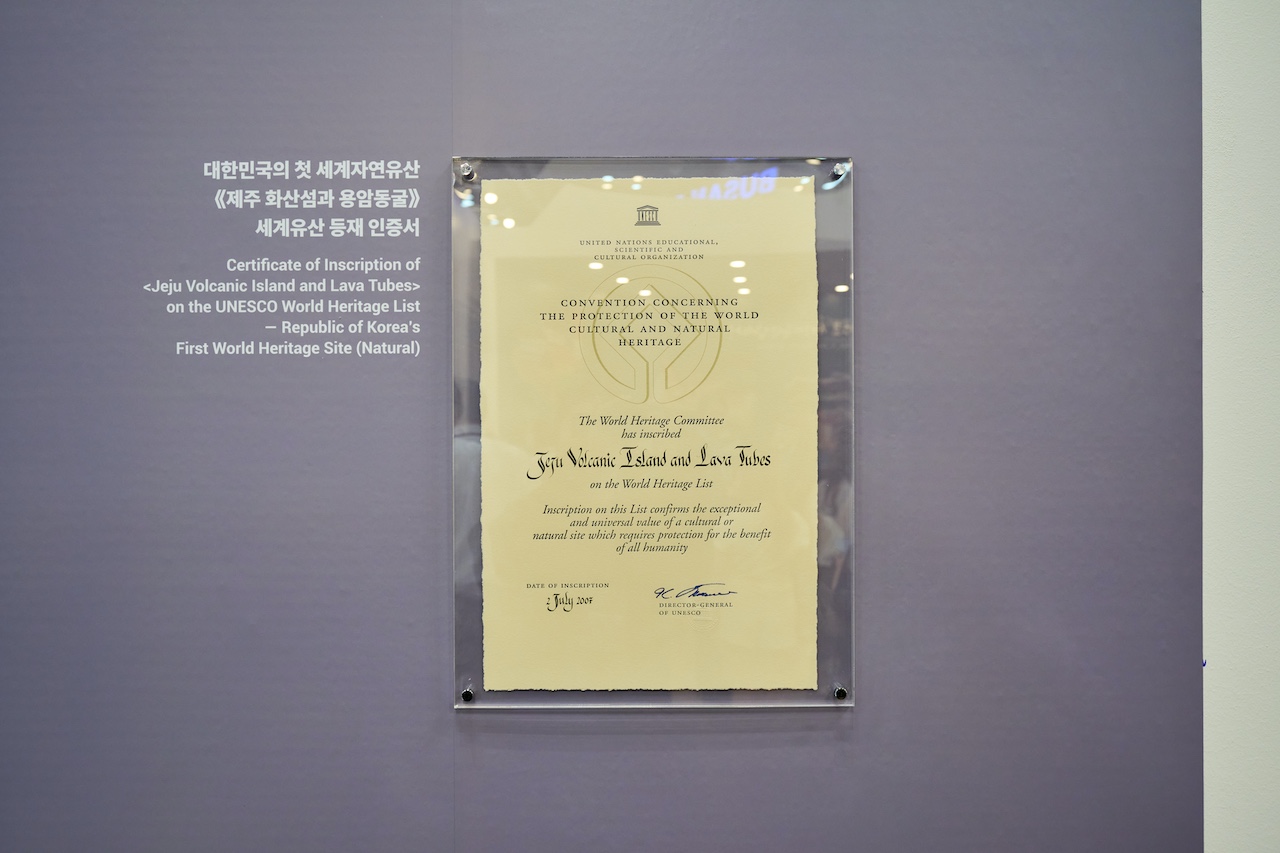
That principle drives Korea’s model: history must be preserved, but it does not have to remain silent.
A night at a temple instead of a standard tour
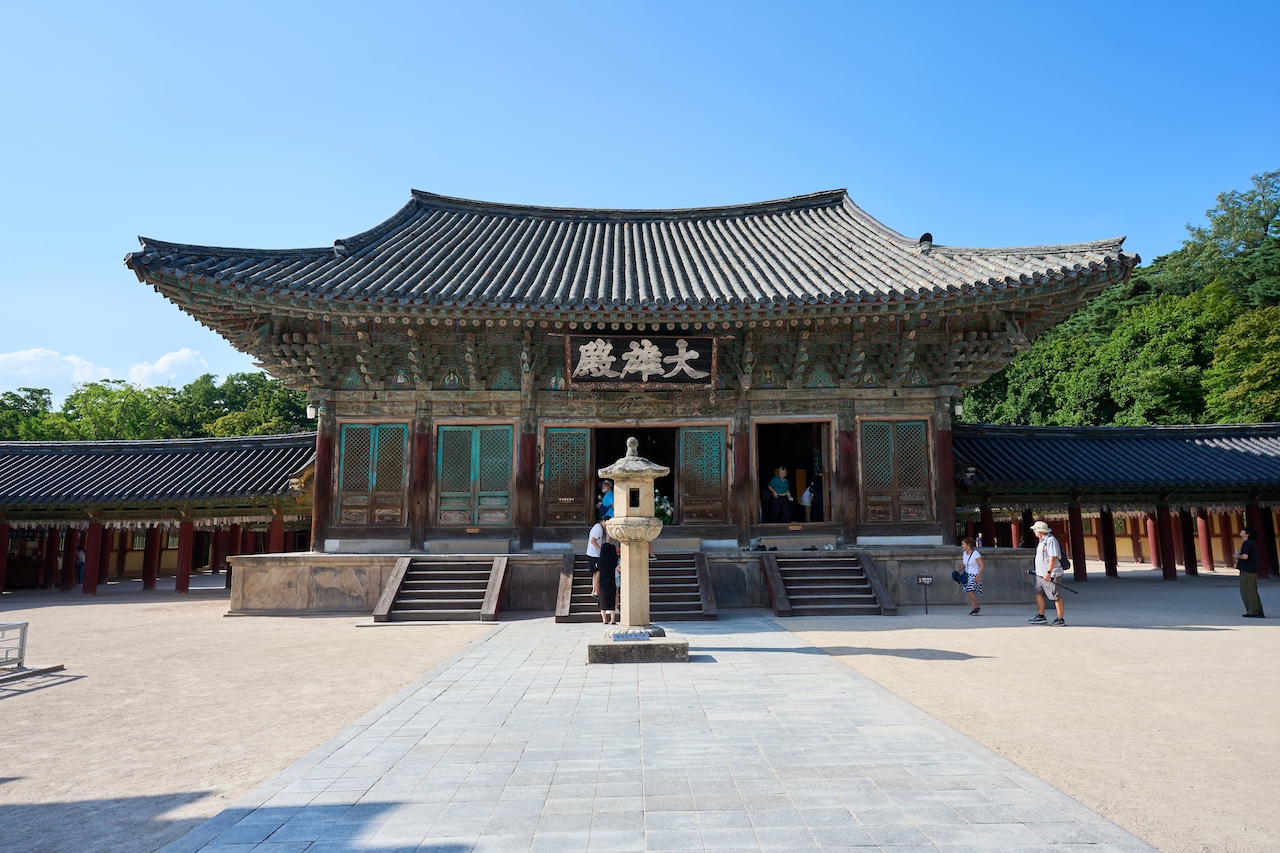
In Gyeongju, participants in the international media programme were offered more than a one-hour tour of Bulguksa Temple. The programme immersed them in the routines of a Buddhist temple and introduced the cultural significance of the UNESCO site.
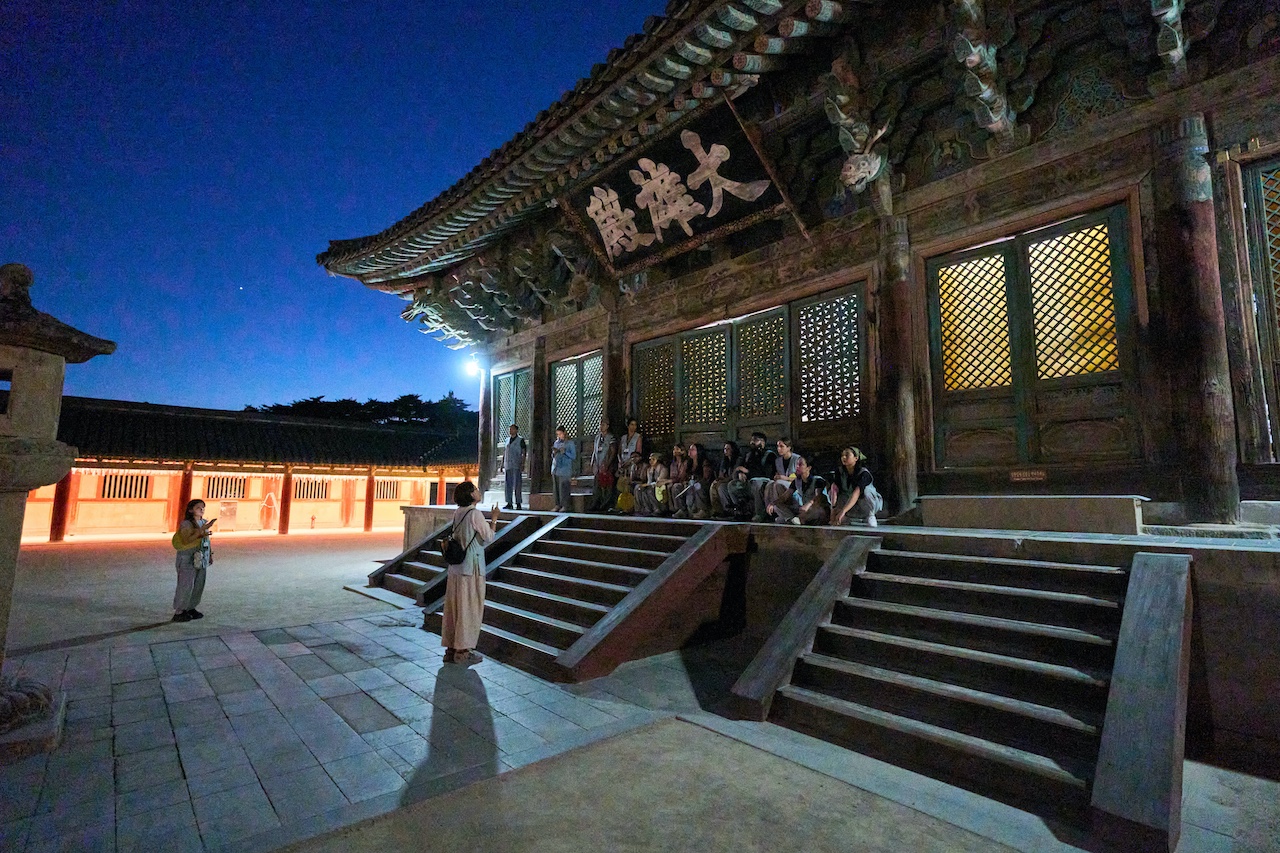
This is how Templestay, one of Korea’s most successful cultural tourism products, works. Visitors do not purchase a room in an old building; they pay for the rare experience of living by a different set of rules.
In 2024, Templestay programmes attracted 332,297 participants. Nearly 49,000 came from overseas.
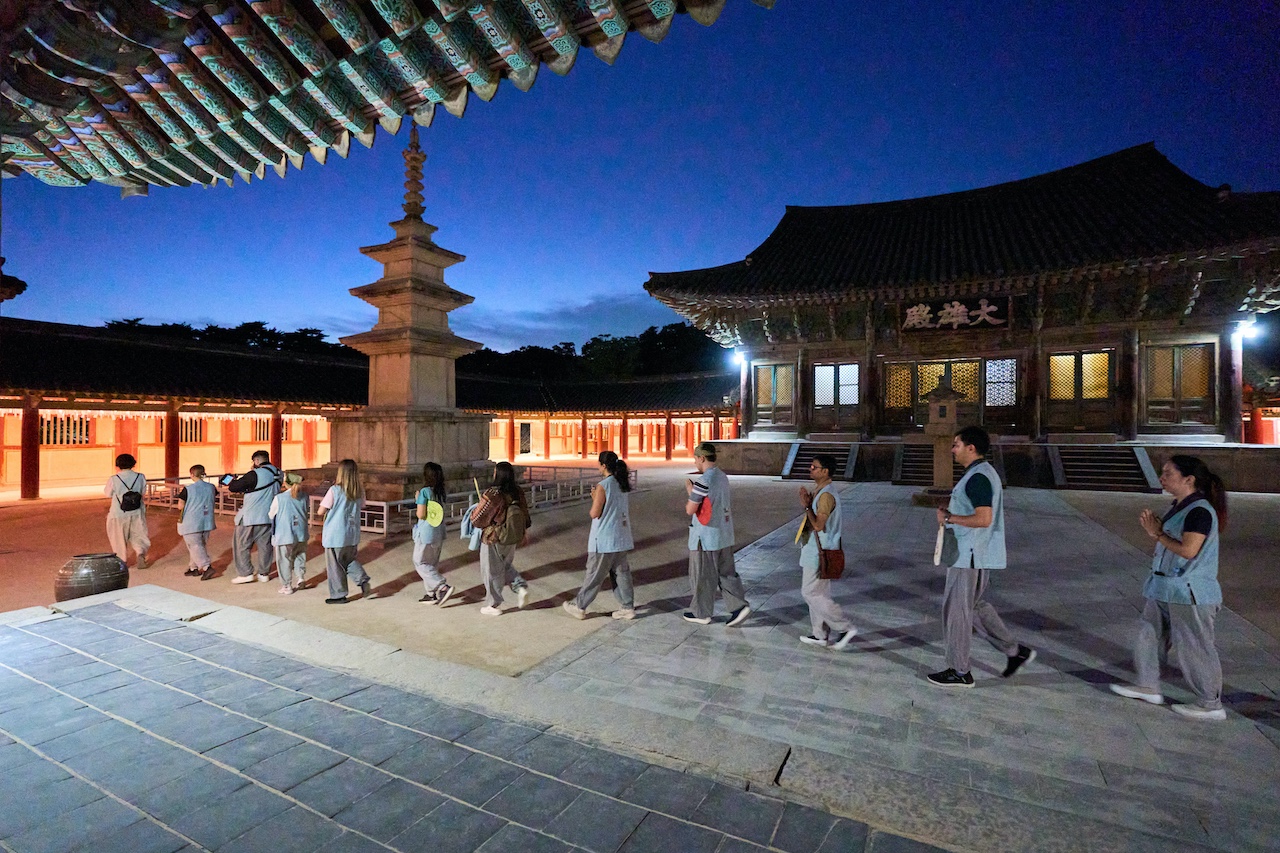
The programme currently operates at 158 temples nationwide. Thirty-one offer specialized services for international visitors with trained multilingual staff.
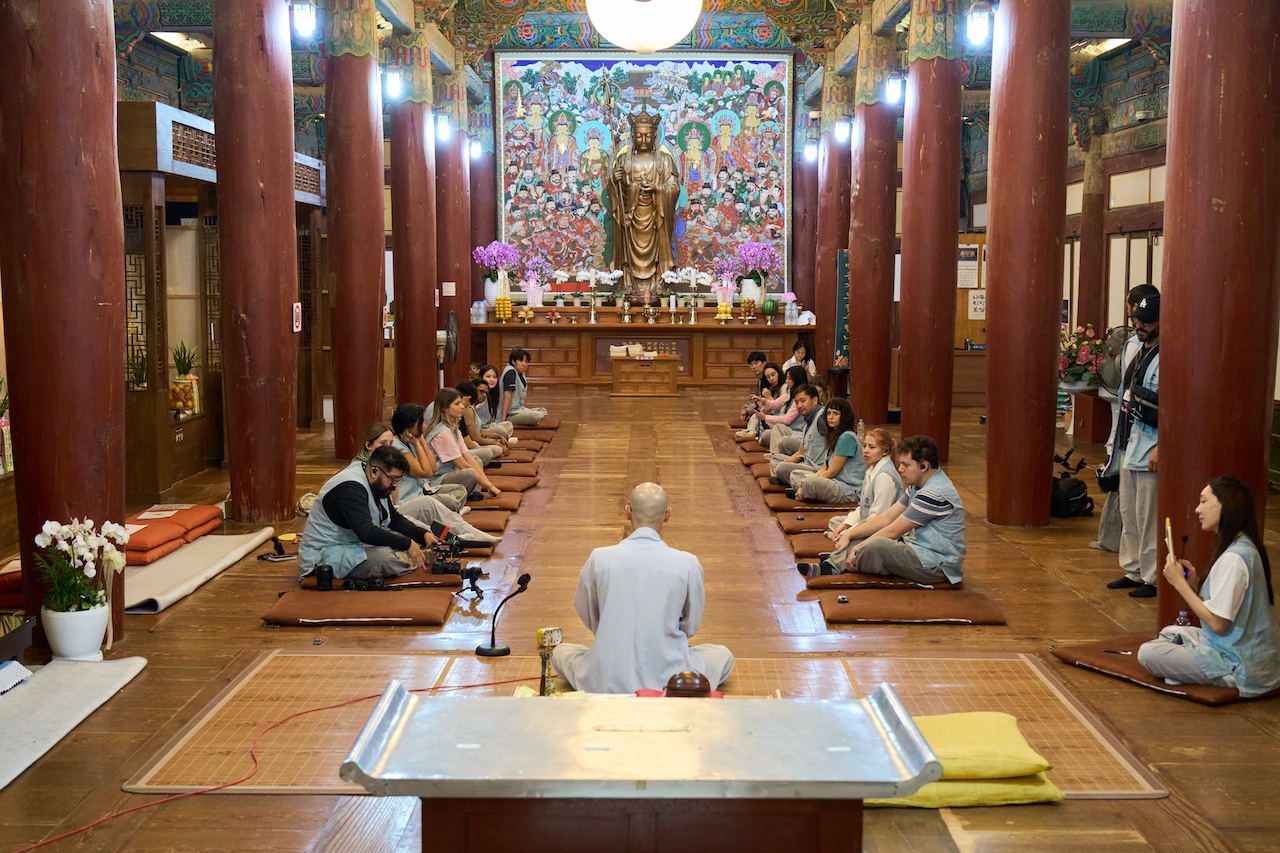
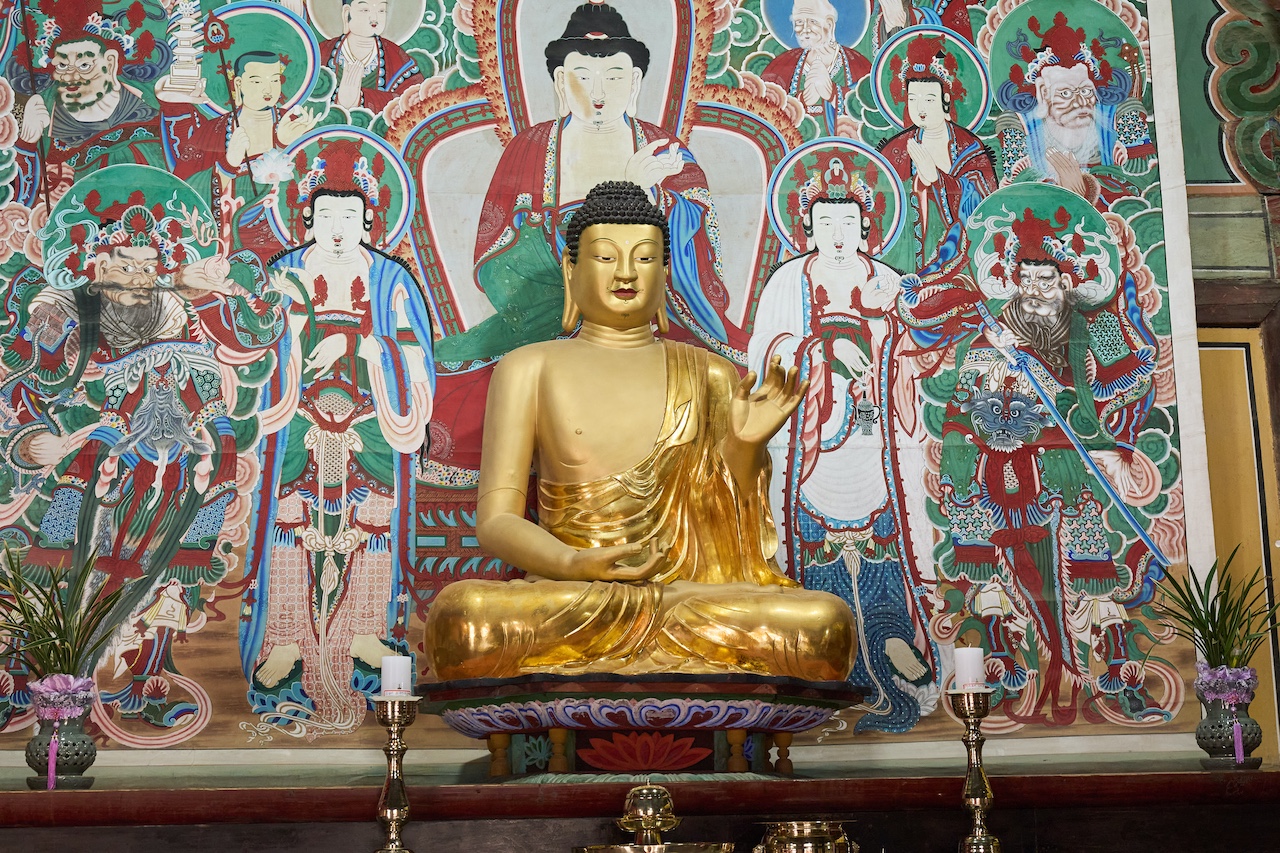
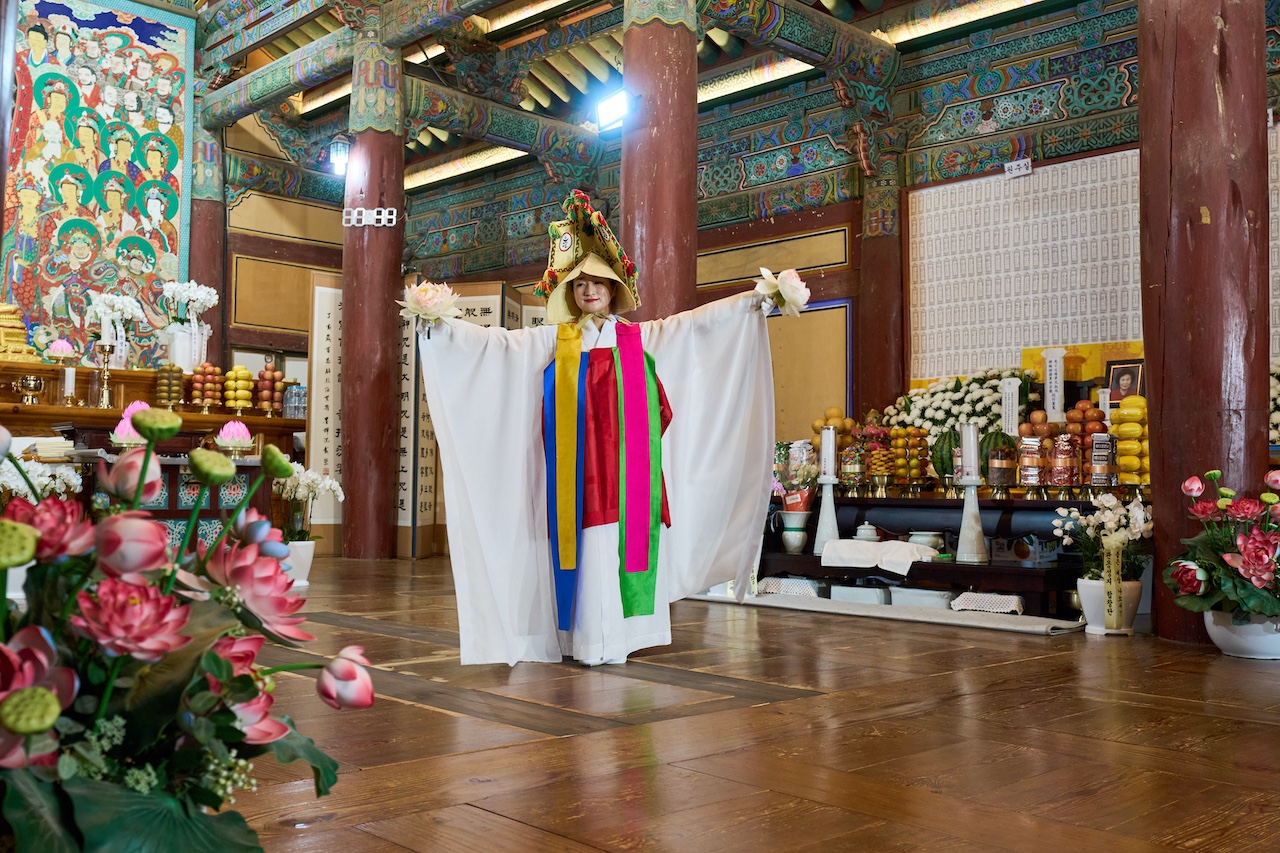
Participants can meditate, speak with monks, attend Buddhist services and experience monastic meals, temple cuisine and tea ceremonies. The temple does not become a stage set: the guest adapts to the routines of a functioning religious community.
“Templestay is not only a part of Korea’s traditional cultural heritage, but also a valuable cultural asset,” said Second Vice Minister Kim Dae-hyun.

The Ministry of Culture expects the programme to stimulate regional travel and support local economies.
Hanbok created an economy around the palaces
A visitor’s route through Seoul can easily connect Changdeokgung Palace, a hanbok rental shop, a photo session, traditional food and the contemporary Seongsu district. There is no cultural wall separating the 15th century from the city’s trendiest neighbourhoods.
Hanbok has become an entry point into history for the social media generation. Someone may rent the clothing for photographs, but that decision also brings them into a palace, introduces them to the Joseon dynasty and generates spending across the surrounding district.
An entire economy operates around the palaces: clothing rentals, photographers, guided tours, cafés, workshops, souvenir shops and evening programmes. A single heritage site creates demand for dozens of small businesses.
Korea does not ask every tourist to read a history textbook before arriving. It creates an emotional point of entry and builds historical knowledge into the experience.
K-pop is part of the same system
K-pop and Korean television dramas have become a global advertising campaign that tourism agencies could never afford to purchase directly. Music and film generate interest in Korea before leading audiences toward its cuisine, clothing, palaces and temples.
Heritage extends the economic effect of the Korean Wave. A concert or television series creates attention; historical routes convert that attention into travel, accommodation, shopping and repeat visits.
Even the souvenir industry has moved beyond conventional patterns. At K-Heritage House, organizers combined heritage with CookieRun characters, digital stamp tours and contemporary design.
This is not history surrendering to pop culture. It is history translated into the language of an audience that lives through smartphones.
The heritage agency changed its role
In May 2024, Korea moved from a “cultural property” system to the broader concept of “national heritage.” The former Cultural Heritage Administration was relaunched as the Korea Heritage Service.
The reform represented more than a change of name. Korea began treating heritage as a resource that people can experience today and that can generate value for future generations.
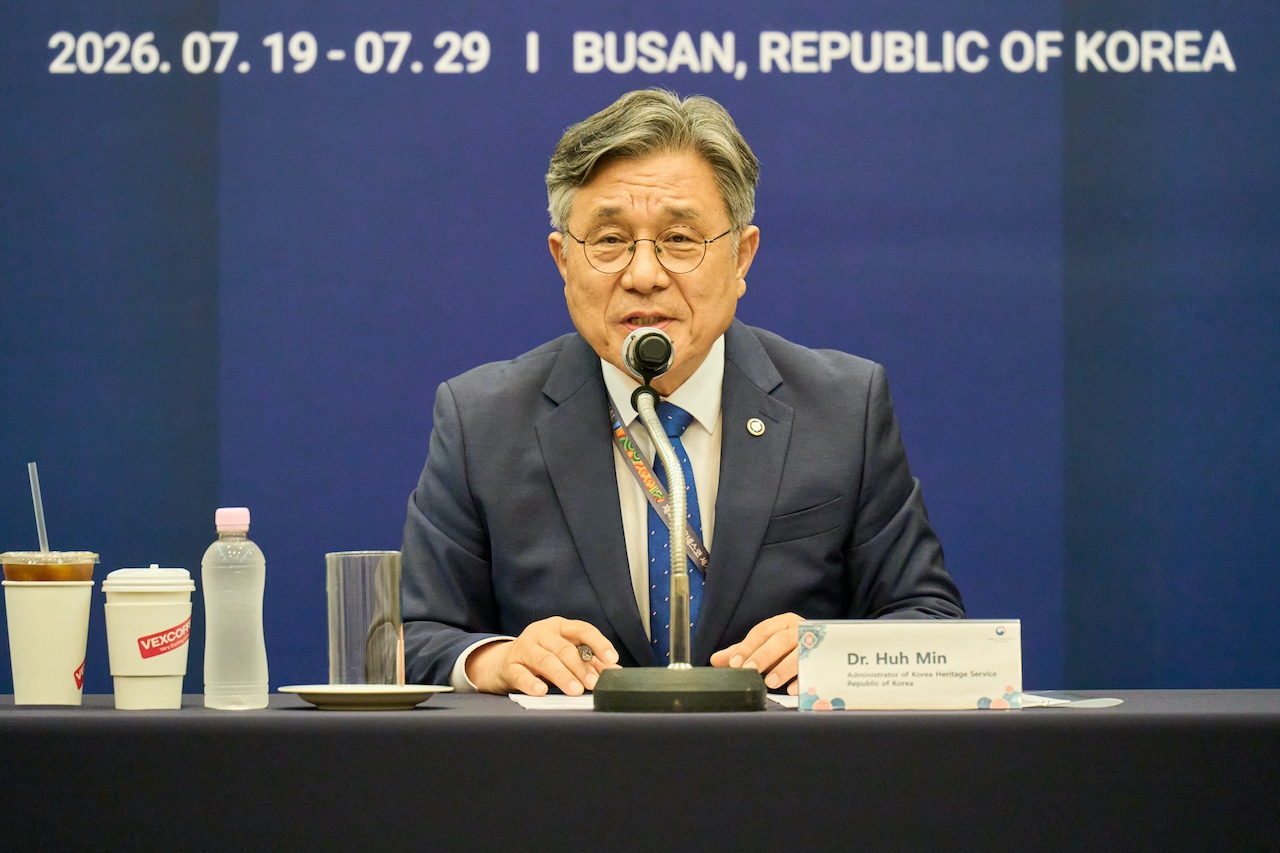
“The value of our heritage lies not only in preservation, but also in its potential to generate new added value,” said Huh Min, Administrator of the Korea Heritage Service.
Huh argues that digital content, regional tourism and cultural industries can turn heritage into an asset for future growth.
One of his initiatives focuses on centuries-old houses in rural areas. The government allows modern bathrooms to be installed in separate connected extensions while preserving the historic exterior of the original structure.
The reasoning is pragmatic. Visitors receive authentic architecture without being forced to abandon basic comfort.
Where does an experience become a show?
Commercialization can destroy the very resource from which it earns money. If a temple becomes a hotel, a sacred ritual becomes a performance and a historical district becomes a selfie backdrop, visitors quickly notice the substitution.
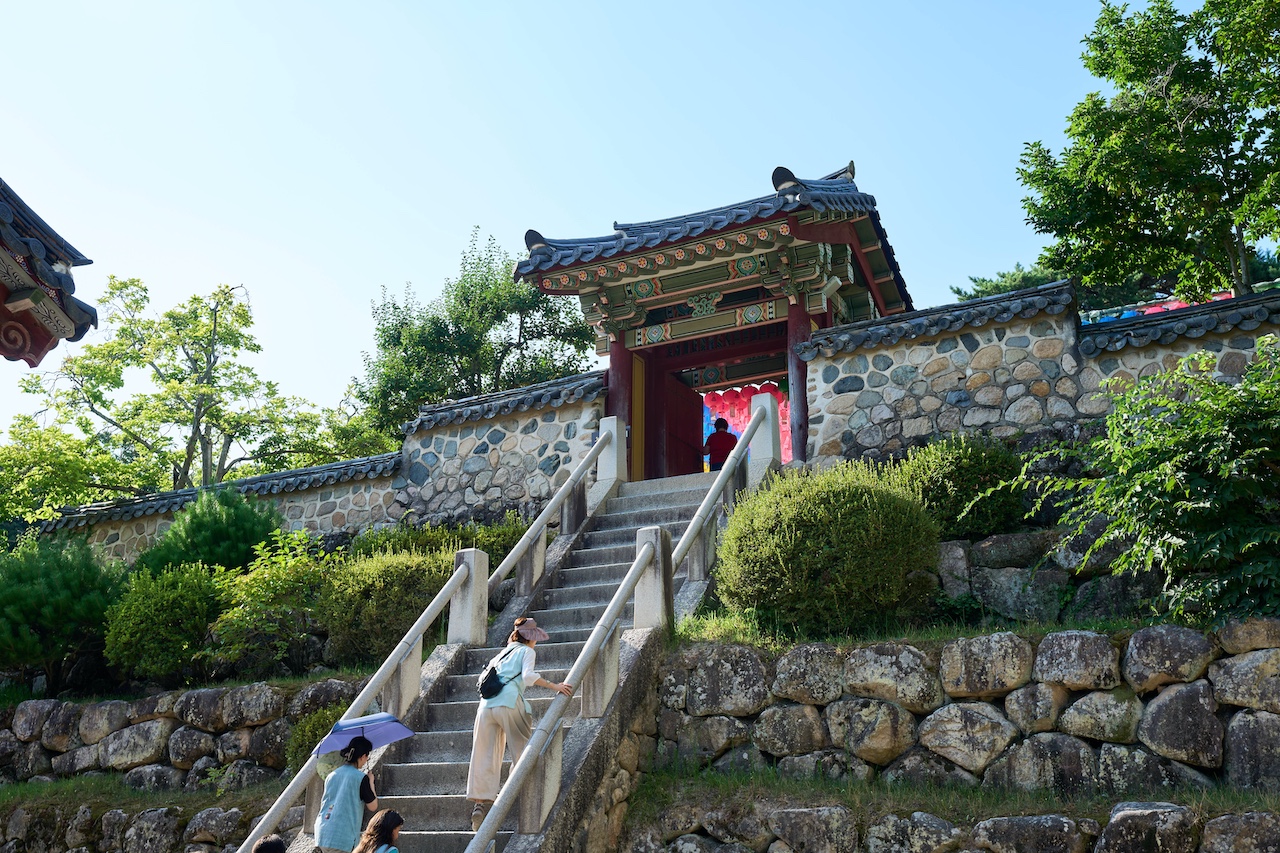
The Korean model depends on separating functions. Religious sites retain their own rules, while services, retail and entertainment develop outside the sacred core.
A Templestay guest participates in an existing monastic routine rather than a performance invented for tourists. Public events at royal palaces follow controlled schedules and do not replace the historical interpretation of the sites.
That distinction matters. Heritage can sell an experience only while the experience remains authentic.
What Kazakhstan can do
Kazakhstan has powerful heritage sites, but visitors often receive little more than an admission ticket and a short tour. Most spending goes to transport, hotels and restaurants, while the heritage property itself receives a minimal share.
In Turkistan, the historical complex could anchor a network of evening routes, craft programmes, regional cuisine and digital exhibitions. Commercial activity should remain outside the sacred core to protect the dignity and tranquillity of the mausoleum.
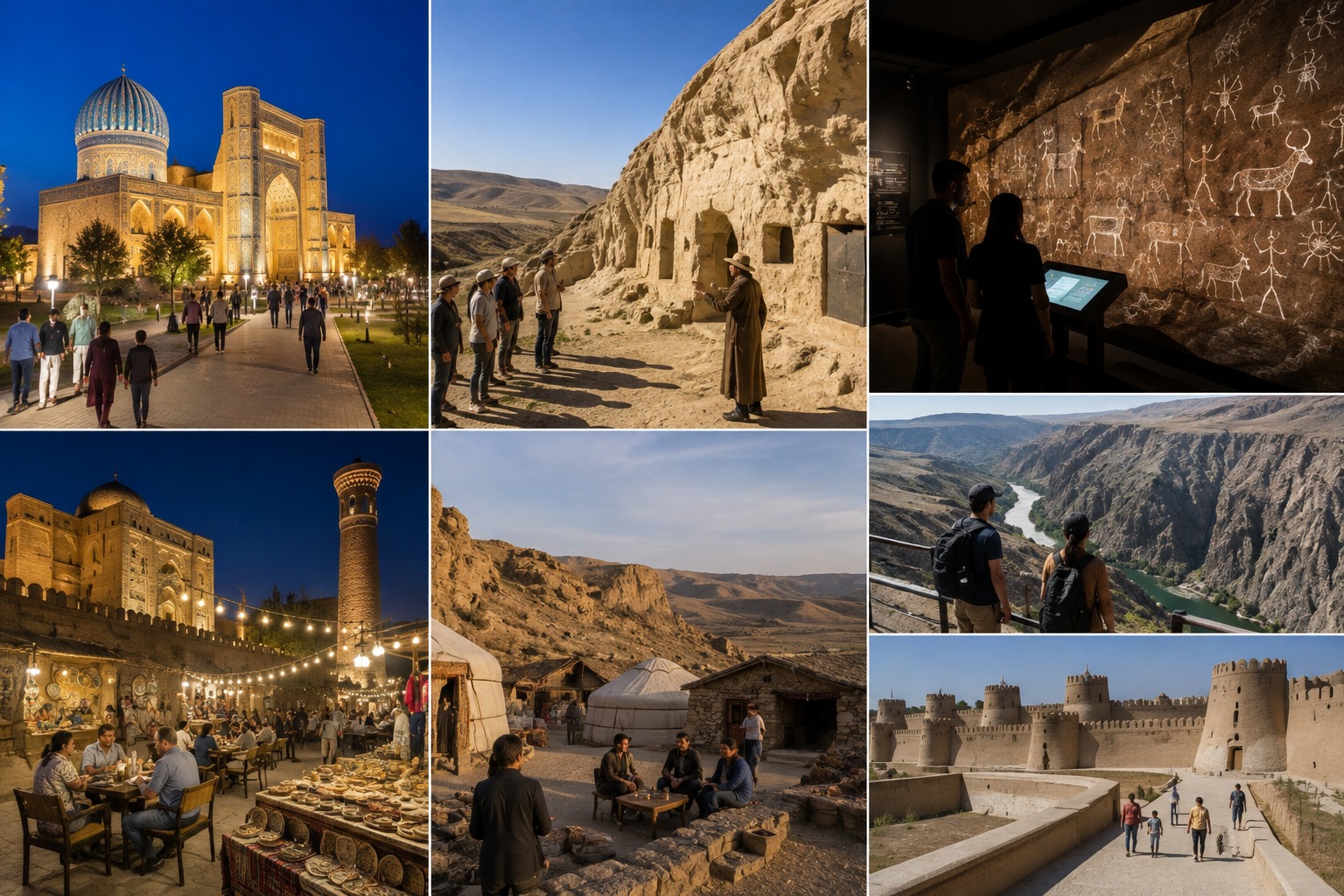
The underground mosques of Mangystau must not become entertainment venues. Their surrounding areas, however, can support visitor centres, trained local guides, village routes, small guesthouses and markets for regional crafts.
At Tamgaly, digital reconstruction could explain the scenes depicted in the petroglyphs without touching the rocks. Certified guided tours, educational programmes and limited night visits could create revenue without increasing physical pressure on the site.
Otyrar and Sauran do not need another row of retail stalls. They need compelling storytelling that allows visitors to understand how people lived, traded, built cities and governed centuries ago.
The real money is not in the ticket
Heritage revenue extends far beyond admission fees. It comes from transport, accommodation, guides, food, crafts, digital content and cultural events.
The state must ensure that part of this economy returns to conservation and remains with local communities. Otherwise, tourism consumes the resource without creating an incentive to protect it.
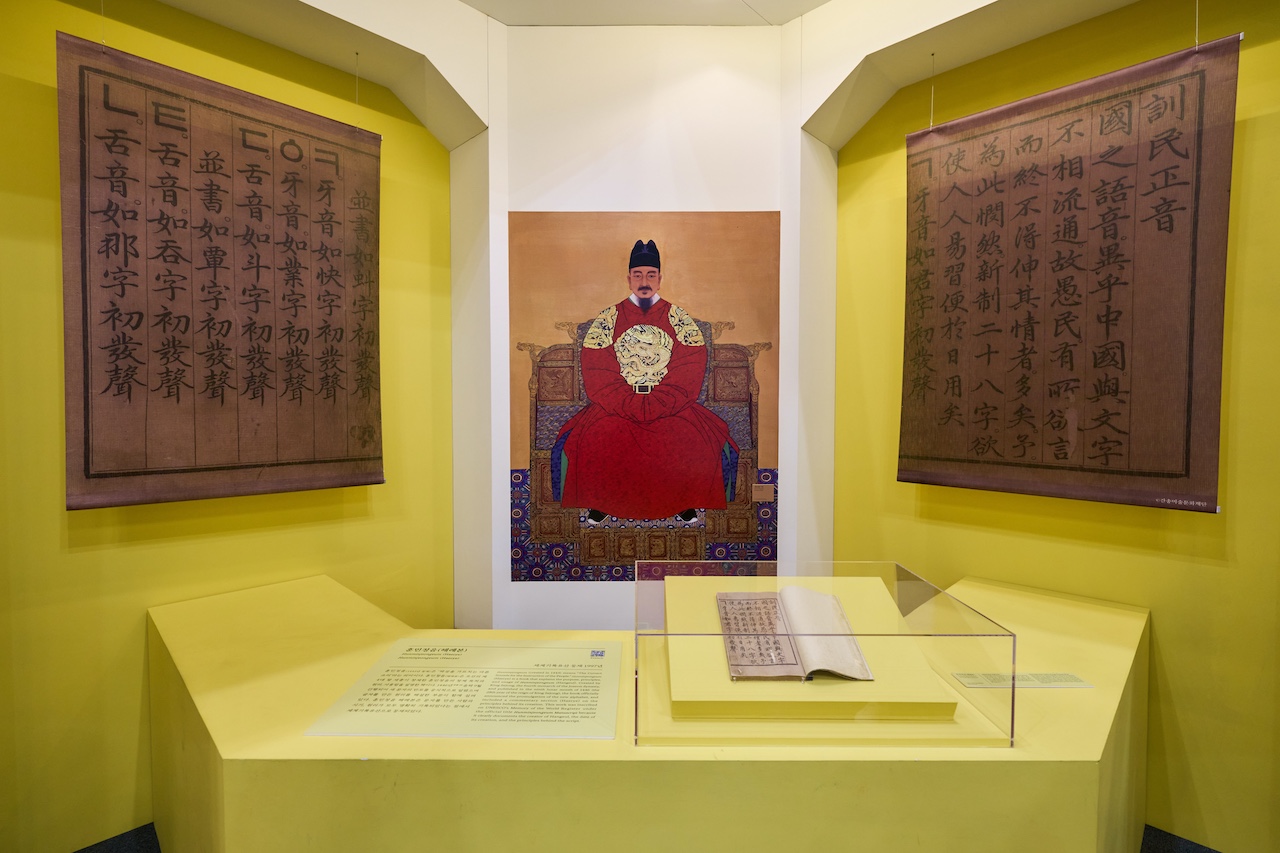
Korea has shown that an ancient temple can compete with a shopping centre for public attention, while a royal palace can compete with an amusement park. It achieved this without reducing history to a souvenir.
K-pop opened the world’s door to Korea. National heritage now keeps visitors inside the country and converts cultural curiosity into a long-term economy.