
Busan did not hide the war behind museum walls.
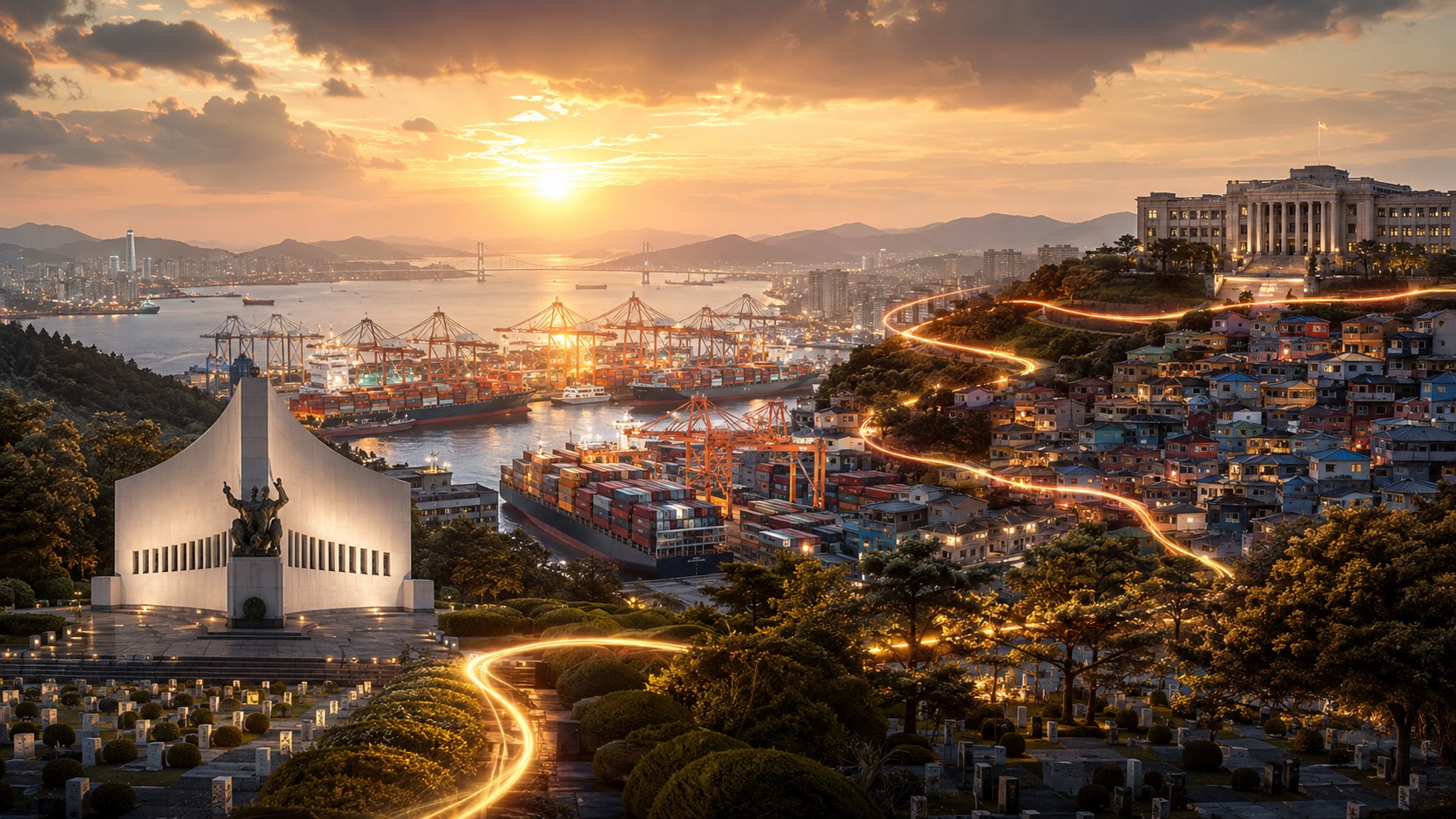
The city connected a former presidential residence, a port, a cemetery, a military camp and refugee neighbourhoods into one route. This map of memory now supports education, tourism and Busan’s international standing, DKNews.kz reports.
During the Korean War, Busan served as the country’s capital for 1,023 days. The city accommodated the government, foreign missions, humanitarian supplies and hundreds of thousands of people fleeing the northern part of the peninsula.
Busan’s population grew from 280,000 at the time of Korea’s liberation to more than 800,000 by the end of the war. It passed the one-million mark in 1955.
The city came close to a humanitarian catastrophe. Seven decades later, that same history has become the foundation of a new urban brand.
Nine Sites Became One Story
In 2023, the Sites of the Busan Wartime Capital entered the UNESCO World Heritage Tentative List. The original submission brought together nine locations.
Three sites show how the state continued to function during the war: the Temporary Presidential Residence, the Temporary Government Complex and the Korea Meteorological Administration building.
Another group tells the story of international assistance: Pier 1 of Busan Port, the former United States Embassy and Camp Hialeah. The United Nations Memorial Cemetery forms part of the same narrative.
The most powerful part of the nomination concerns neither politicians nor soldiers. It focuses on ordinary people through Ami-dong Tombstone Village and the former cattle sheds of Uam-dong, which became refugee housing.
The result is not a collection of old buildings but a full-scale portrait of a wartime capital. A presidential office, a port pier and a refugee home became parts of the same historical document.
In 2025, Korea expanded the national version of the proposal to 11 component sites. Yeongdo Bridge and Bokbyeongsan Reservoir were added to strengthen the connections between the individual locations.
The official UNESCO Tentative List page still shows the original nine components. Korea is preparing the revised package for preliminary assessment by the International Council on Monuments and Sites, or ICOMOS.
Busan aims to secure World Heritage status by 2030.
Homes Among Tombstones
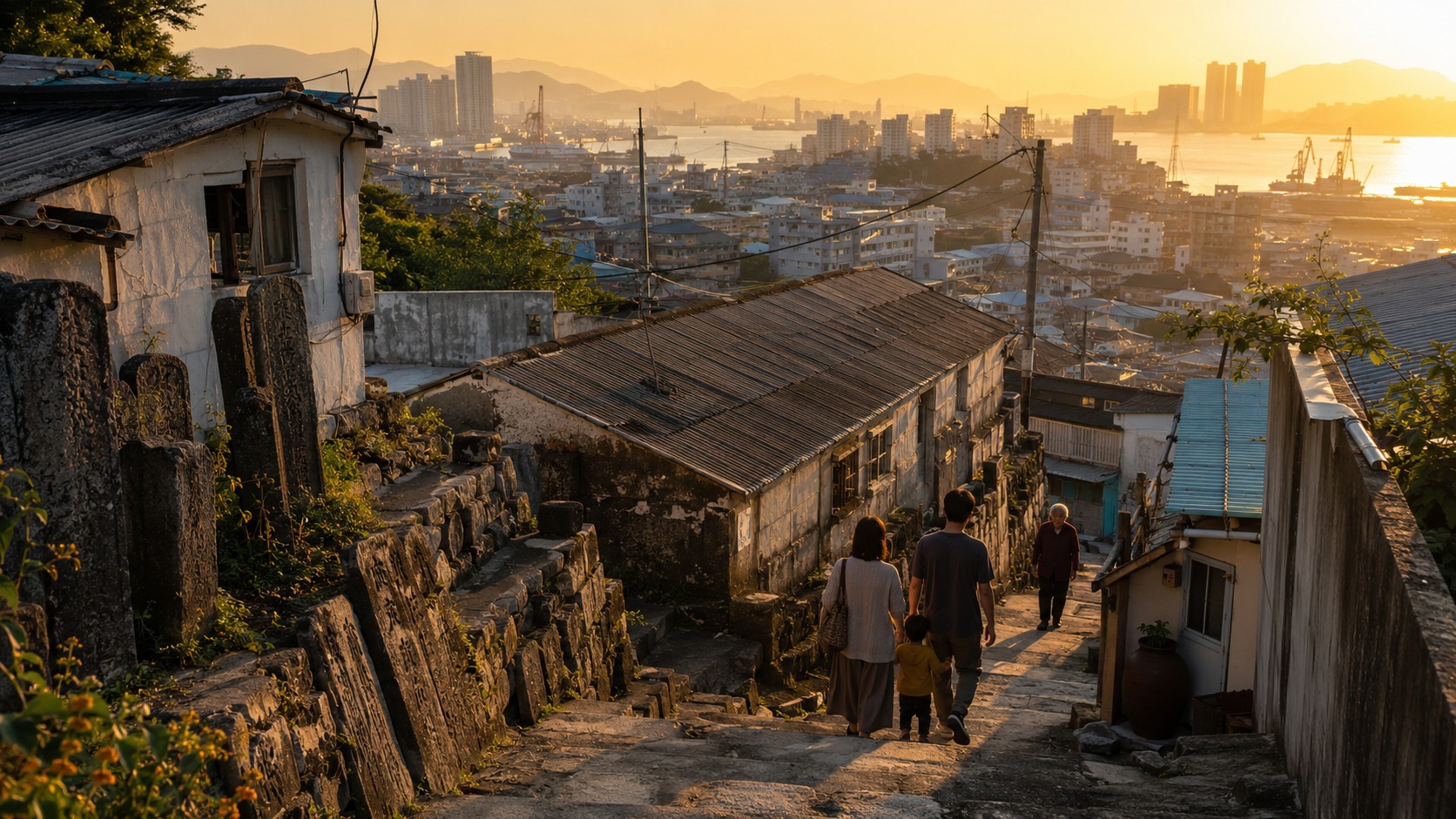
Ami-dong emerged on a cemetery abandoned by Japanese residents after Korea’s liberation in 1945. When the war began, refugees started building temporary homes there.
They used existing walls, stone structures and elements of burial sites. Eight wartime houses have been preserved as a museum, but the neighbourhood has not become an empty tourist set.
Refugees’ families and their descendants still live there.
Uam-dong preserves a different story of survival. Before the war, the site housed a quarantine facility for cattle being shipped to Japan.
Refugees divided the cattle sheds into small residential units and moved inside. Old alleys, wells and one of the original structures retain their wartime layout.
Busan is not removing residents to create a perfect museum scene. The city is gradually purchasing individual plots, creating community spaces and restricting new development.
This is where the Korean model faces its hardest test. Preserving a wall is easier than protecting a living neighbourhood from demolition, rising prices and transformation into a tourist stage.
The Port That Kept the Country Alive
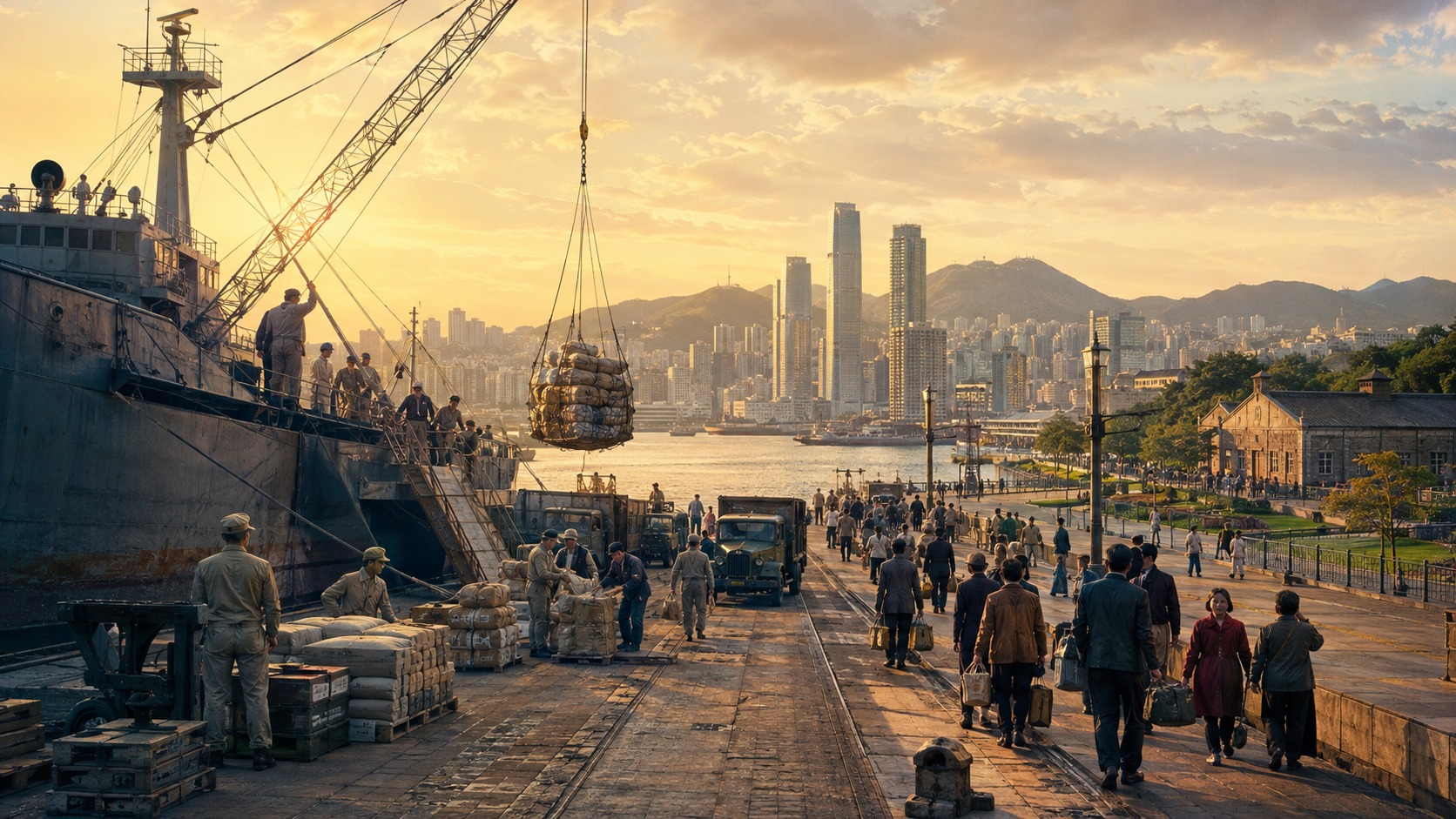
Pier 1 of Busan Port became a major gateway for soldiers, food, equipment and humanitarian assistance. Refugees also entered the city through the port.
The port provided jobs when they were desperately needed. During the war, 62 cargo companies operated there and employed around 20,000 dockworkers.
Part of the pier is now expected to become a historical park.
The former United States Embassy and United States Information Service building houses the Busan Modern and Contemporary History Museum. Camp Hialeah, once used by United Nations organizations, has become a public park while preserving barracks, an officers’ club, guard posts and other traces of its military past.
Busan has not frozen these sites in time.
The city has given them new functions while preserving their materials, layouts and historical settings. The park remains a park, residential districts remain inhabited and the meteorological station continues to monitor the weather.
How Memory Becomes an Economy
Busan is not selling war.
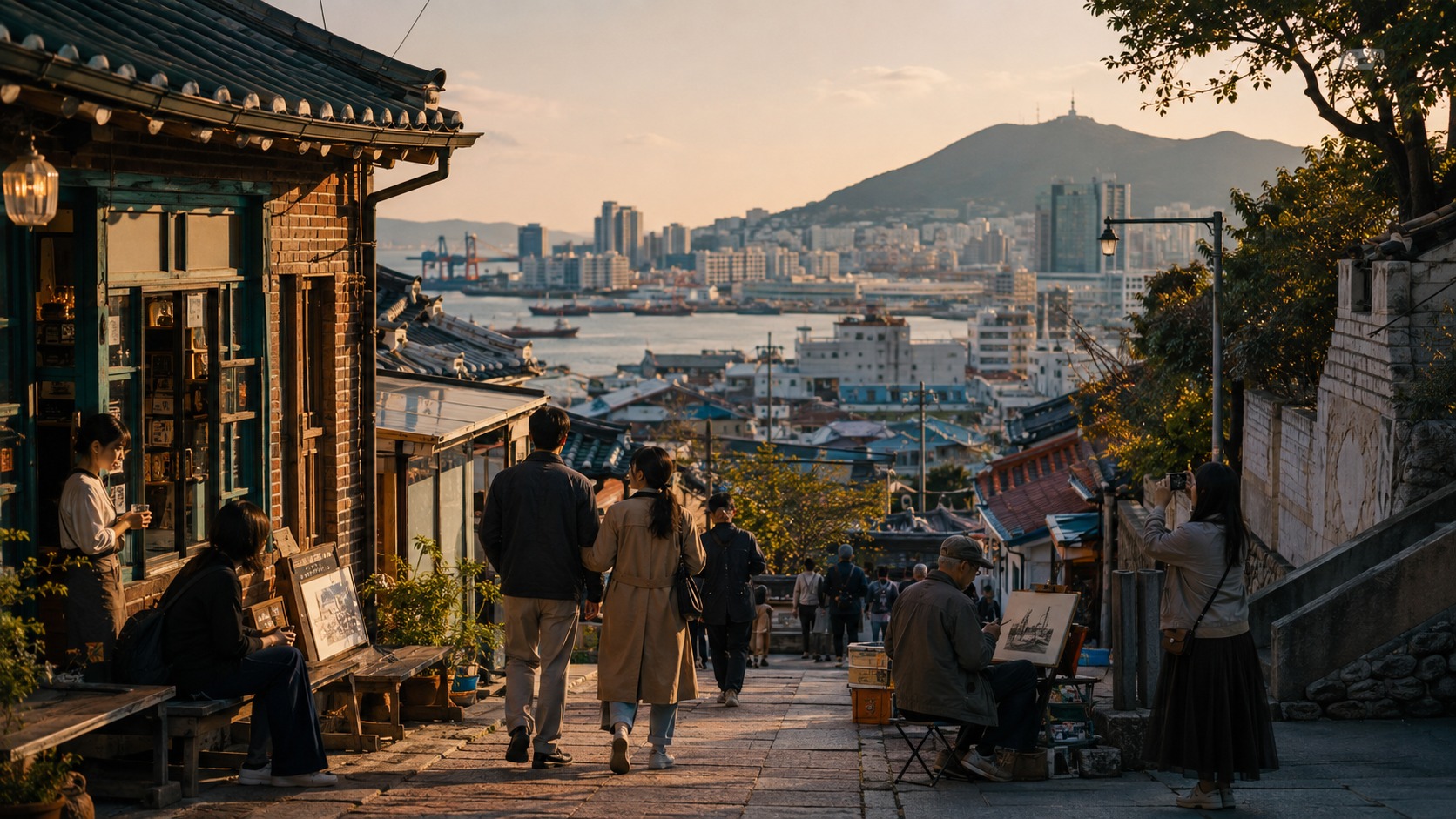
It offers visitors a chance to understand the city through human experience. A traveller moves from the former presidential office to markets, the port, hillside neighbourhoods and the UN cemetery, spending money across the old city rather than inside a single museum.
The route supports guides, small cafés, transport services, local shops and cultural venues. Its economic impact spreads through the urban fabric.
In 2025, the Busan Modern and Contemporary History Museum invited nine artists—one for each component of the original UNESCO proposal. They studied the wartime capital sites and translated archival history into contemporary art.
The Wartime Capital Busan Citizen Academy operates alongside the museums. Participants study the period, visit the sites and discuss the future UNESCO nomination.
In 2026, the city assembled 25 citizens of different ages, including university students and office workers. They produce short videos, introduce the heritage through social media and promote the nomination.
Memory is no longer a government monologue.
“The value of the Busan Wartime Capital Heritage can be shared more widely through citizens’ understanding and participation,” said Cho Yu-jang, Director General of Busan’s Culture Bureau.
Building a Brand Around Difficult History
Korea does not present wartime Busan as a painless story of heroism. Refugees, overcrowded districts, temporary schools, exhausting work and international assistance occupy the centre of the narrative.
That approach prevents tragedy from becoming entertainment.
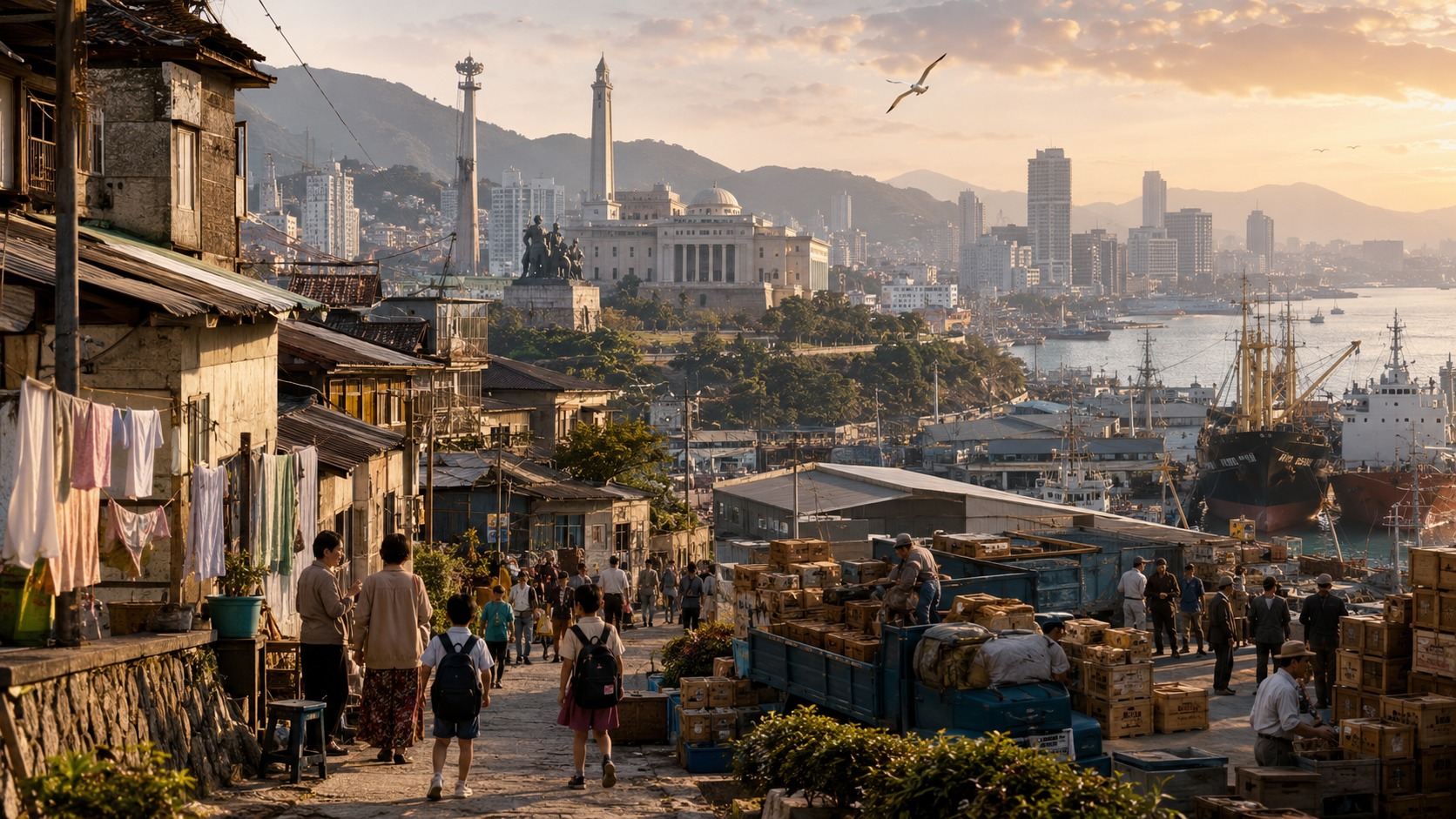
Instead of staging battles, the city shows places where people made decisions, searched for relatives, received food and built homes. Busan itself becomes the main exhibit.
“It will serve as a valuable opportunity to widely promote Busan—which sustained the Republic of Korea by embracing war refugees even under harsh circumstances—as a global symbol of solidarity, cooperation, and peace,” Park Heong-joon said.
This connection between the sites is crucial for UNESCO. A single refugee house or administrative building cannot convey the scale of events, but 11 components can show how an entire city functioned.
Busan is proposing a rare form of heritage: a capital created not by an architect’s plan but under the pressure of war.
What Kazakhstan Can Use
Kazakhstan already has powerful places of historical memory. ALZHIR, Karlag and the Semipalatinsk nuclear test site are known far beyond the country.
Yet they usually operate as separate museums and memorial sites. Kazakhstan still lacks a shared route, an integrated digital archive and a clear international narrative connecting them.
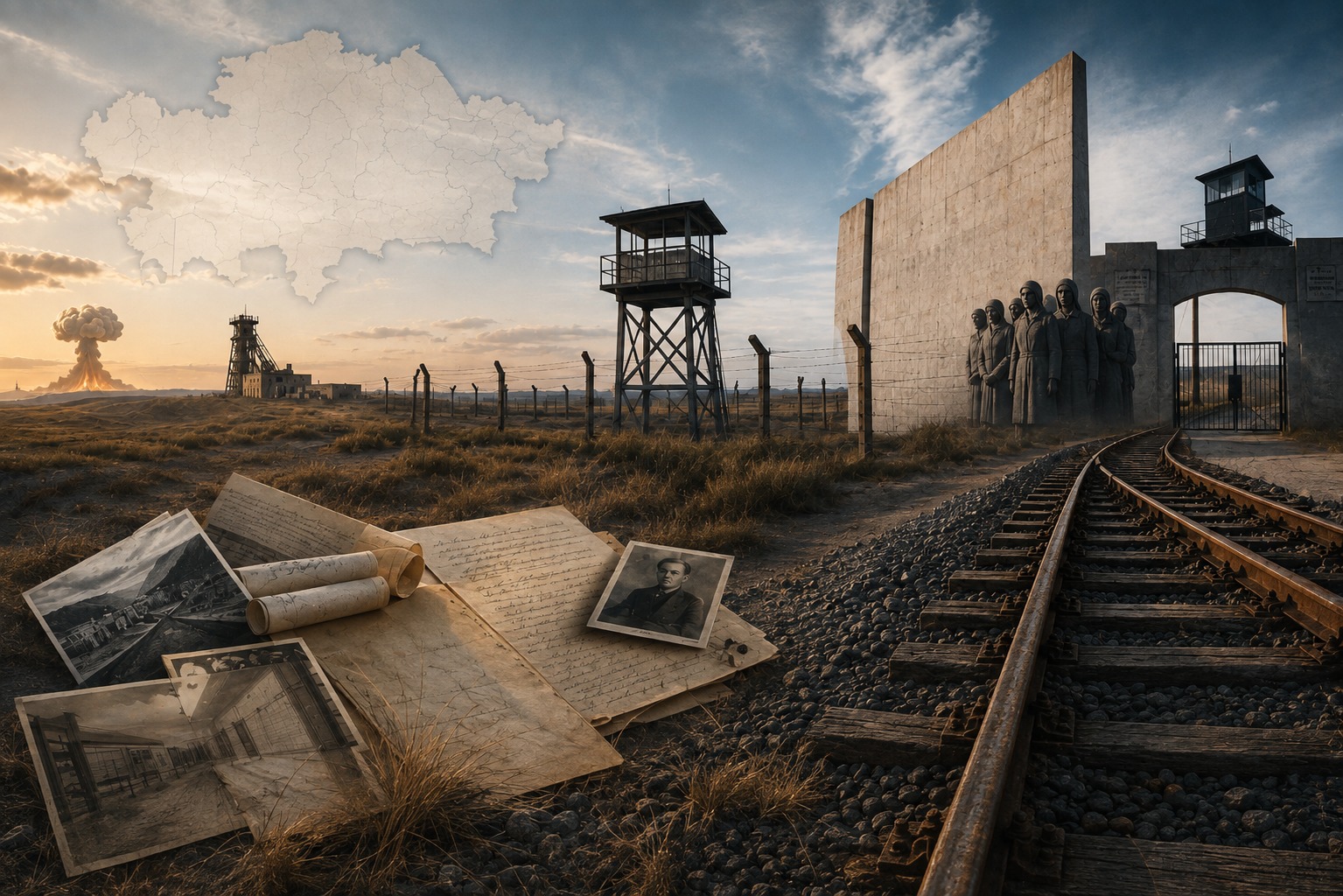
Busan’s experience offers Kazakhstan five practical ideas.
The first is to unite dispersed locations into serial heritage properties. Karlag is not limited to the museum in Dolinka; it is a network of camps, industrial facilities, settlements, burial grounds and individual lives.
The second is to preserve ordinary infrastructure. A barracks building, railway station, administrative office or road may explain a system better than a newly erected monument.
The third is to connect places with documents and human voices. A case file, letter, photograph or testimony from descendants restores a name to history.
The fourth is to involve local communities in managing memory. Guides, teachers, researchers and victims’ families should help decide how the story of each place is told.
The fifth is to develop an economy around a memorial, not inside the tragedy. Tourism can support local businesses, but commerce and entertainment must not displace the silence and dignity of a site of remembrance.
From Semipalatinsk to ALZHIR
The Semipalatinsk test site could be presented as a single landscape of the nuclear age. It could connect the testing grounds, the city of Kurchatov, scientific infrastructure, archives, environmental damage and testimony from affected families.
ALZHIR and Karlag could form the backbone of a national network dedicated to the memory of political repression. One digital platform could connect documents, prisoners’ names, family archives and museum collections.
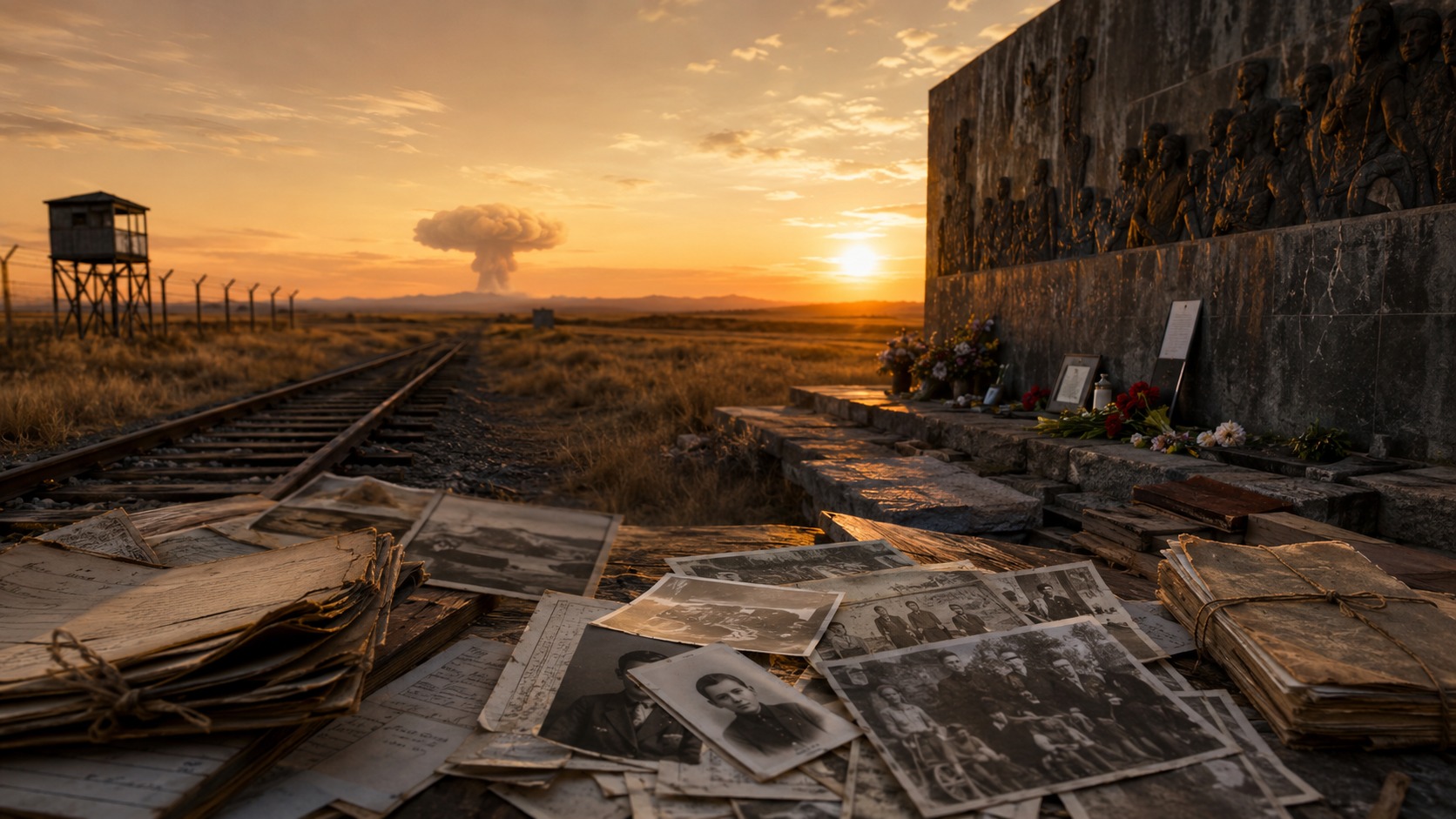
Kazakhstan has already completed extensive archival work. More than 2.5 million materials have been declassified, a 72-volume collection has been published, and 700,000 formerly classified case files have been transferred to a specialised centre at the Presidential Archive.
Those documents now need a presence in urban and tourism spaces.
“The memory of millions of innocent victims of totalitarianism is sacred,” Kassym-Jomart Tokayev said.
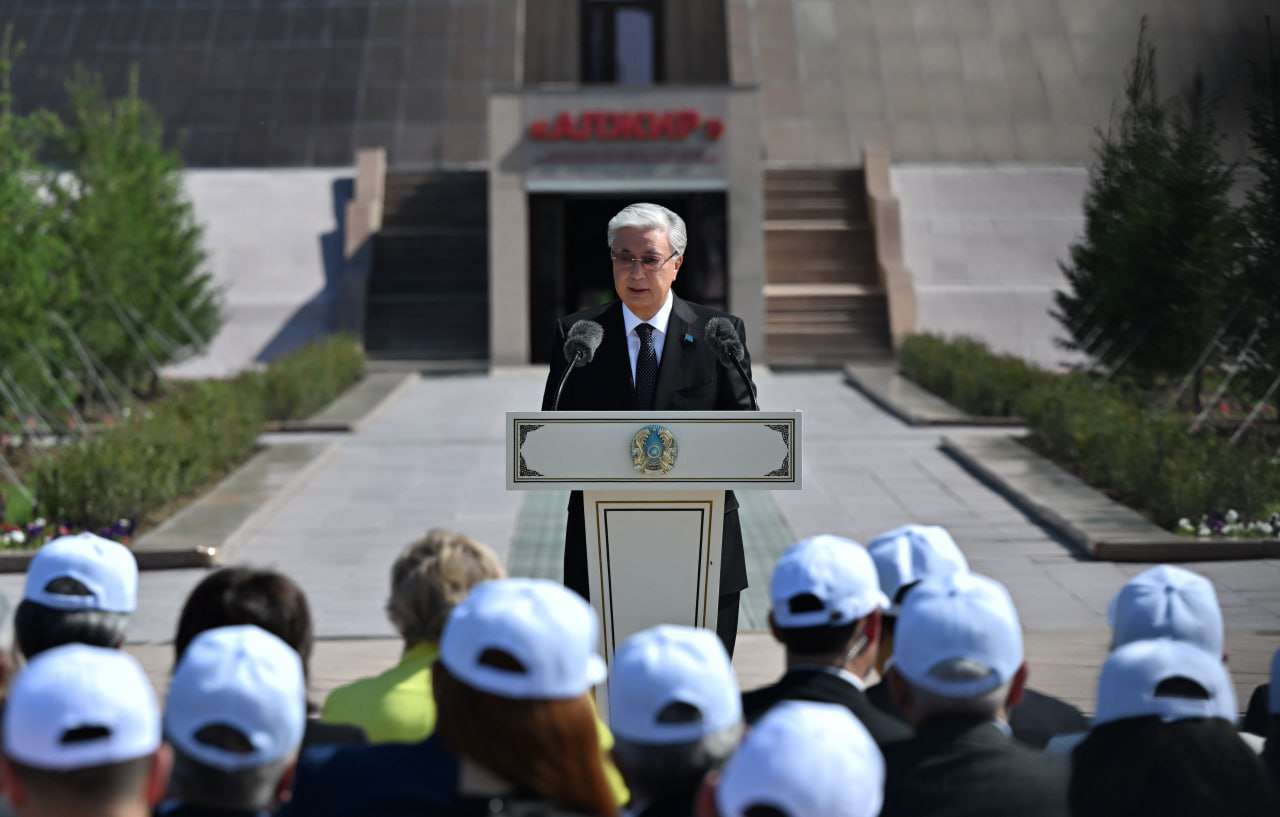
That statement sets a boundary that must not be crossed. A memory economy does not mean profiting from another person’s suffering.
It means investing in restoration, archives, research, jobs, education and an honest conversation with the next generation.
Busan turned its difficult past into an urban asset without making that past comfortable or harmless. Kazakhstan also needs fewer new decorations around its tragedies and a stronger system connecting place, document and human voice.