
Science is being pushed closer to industry.
Nazarbayev University has been tasked with expanding the practical use of research in the real economy and strengthening the training of specialists in artificial intelligence, DKNews.kz reports.
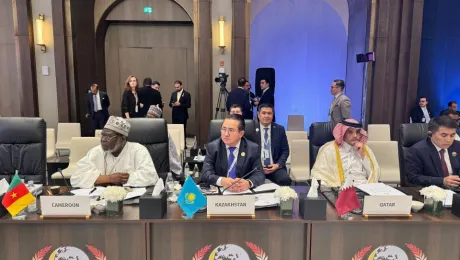
The development priorities of NU, Nazarbayev Intellectual Schools and the NU&NIS Foundation were discussed on August 25 at the 60th anniversary meeting of the Nazarbayev University Board of Trustees, chaired by Kazakhstan’s Foreign Minister Yerмек Kosherbayev.
More than 80% of NU publications appear in Q1 journals
One of the main topics was the implementation of NU’s “World Class — Made in Kazakhstan” strategy for 2026–2031.
Nazarbayev University President Professor Waqar Ahmad said the university received around 12,000 applications this year, a record figure. He also said NU recorded its highest-ever intake of international students.
Research remains another major focus. More than 80% of NU’s scientific publications are published in Q1 journals.
“This year, NU received a record number of applications from prospective students — around 12,000. The university has also recorded the highest intake of international students in its history. This reflects the high level of trust in NU and its growing reputation. NU is seeking to strengthen its position in research: more than 80% of our scientific publications appear in Q1 journals. We work closely with industry to turn research results into real solutions and place particular emphasis on preparing a new generation of leaders capable of contributing to the development of Kazakhstan and beyond,” Professor Ahmad said.
For NU, the next stage is not limited to the volume or academic quality of research. The university is also expected to strengthen its practical impact on the economy.
New SCAI school puts artificial intelligence in focus
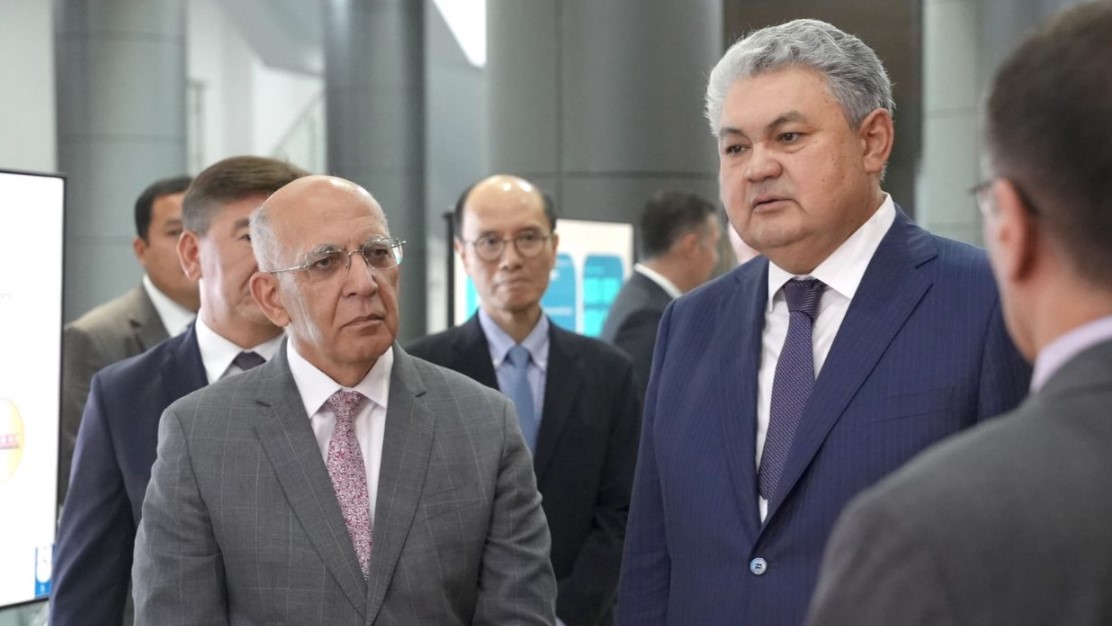
Another development priority is NU’s new School of Computer Science and Artificial Intelligence (SCAI).
According to Waqar Ahmad, the school was established in line with the priorities of the nationwide Digital Qazaqstan strategy approved by the Head of State.
The emphasis is increasingly shifting toward training specialists who can do more than work with existing technologies. NU is expected to prepare professionals capable of developing their own innovative solutions.
NIS to revise development targets through 2035
Changes are also planned for Nazarbayev Intellectual Schools.
At the meeting of the NIS Board of Trustees, members reviewed the revision of the organization’s performance indicators through 2035, taking into account results already achieved and new strategic objectives.
The proposed changes are intended to raise target values, improve monitoring and evaluation, and provide a more accurate picture of progress on strategic priorities.
In practice, this means NIS performance will be assessed against higher benchmarks in the coming years.
NU&NIS Foundation expected to support long-term initiatives
The meeting also focused separately on the NU&NIS Foundation.
Members of its Board of Trustees highlighted the role of the endowment fund in supporting the sustainable development of NU and NIS and creating a long-term financial base for educational and research initiatives.
Reports on the current performance of NU, NIS and the NU&NIS Foundation were also presented.
Kosherbayev calls for stronger economic impact from research
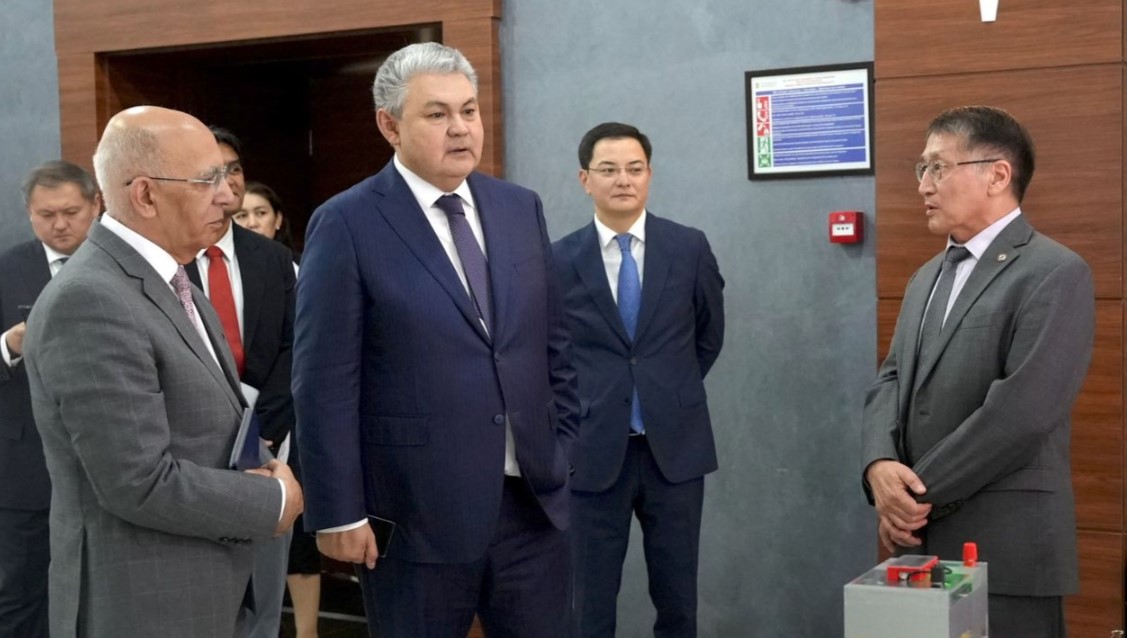
Board of Trustees Chairman Yerмек Kosherbayev identified several priorities for future work, including stronger ties between science and industry, broader opportunities for Kazakhstani researchers and the development of AI-related skills.
One of the central requirements is practical: research results should be applied more actively in the real sector, while educational institutions should prepare specialists who can create technologies rather than merely use them.
“It is necessary to strengthen the link between science and industry, expand opportunities for Kazakhstani researchers and create conditions for developing competencies in artificial intelligence. Today, NU, NIS and the NU&NIS Foundation face the task not only of maintaining their current positions, but also of increasing the practical impact of their work on the economy and society. Research results should be applied more actively in the real sector, while educational institutions should train specialists who are capable not only of working with existing technologies, but also of creating their own innovative solutions,” Yerмек Kosherbayev said.
For NU, one of the key measures of the next stage will be its ability to turn research into technologies and practical solutions. Against that backdrop, the fact that more than 80% of its scientific publications appear in Q1 journals is becoming more than an academic metric: the university is also being asked to demonstrate tangible value beyond academia.
Earlier, we wrote about the topics attracting the greatest attention across Kazakhstan’s media landscape.